


Quick take: Chest pressure can signal a serious problem, pay attention, and act if red flags appear.
If you have any of these emergency signs, call emergency services now:
• Severe, crushing chest pain
• Pain that spreads to your arm, jaw, or back
• Shortness of breath or difficulty breathing
• Fainting or extreme dizziness
Chest pressure can feel like a tight squeeze or a heavy band around your chest. It might start as a mild, uncomfortable feeling, but sometimes it can mean something more serious. This guide explains what chest pressure feels like and why you should take it seriously. We go over different ways this sensation can show up and give clear steps on when to watch and when to get help right away.
Sensations of Chest Pressure: Understanding the Feeling
Quick Take: Chest pressure can feel tight and heavy, and it sometimes signals a need for urgent care.
If you have any of these warning signs, call emergency services now:
- Severe pressure with trouble breathing or shortness of breath.
- Pain spreading to the arms, jaw, or back.
- A feeling that the pressure is worsening quickly.
Chest pressure often feels like a tight or squeezing band around your chest. You might feel like something heavy is pressing down, making it hard to take a deep breath. Some say it feels like a strong grip around the upper part of the body, while others describe it as a weight slowly settling over the heart.
The sensation may be right behind your breastbone or spread over the upper chest. It can change with movement, deep breathing, or during times of stress. For some, the pressure comes and goes like a small annoyance. For others, it becomes strong enough to disrupt daily activities, especially during physical exertion or emotional strain.
Many first notice the pressure during normal moments and later learn it could be a sign of a deeper issue. Paying close attention to how this feeling changes can help you decide whether to keep an eye on it or to seek advice from a health professional.
Additional Symptoms Associated with Chest Pressure
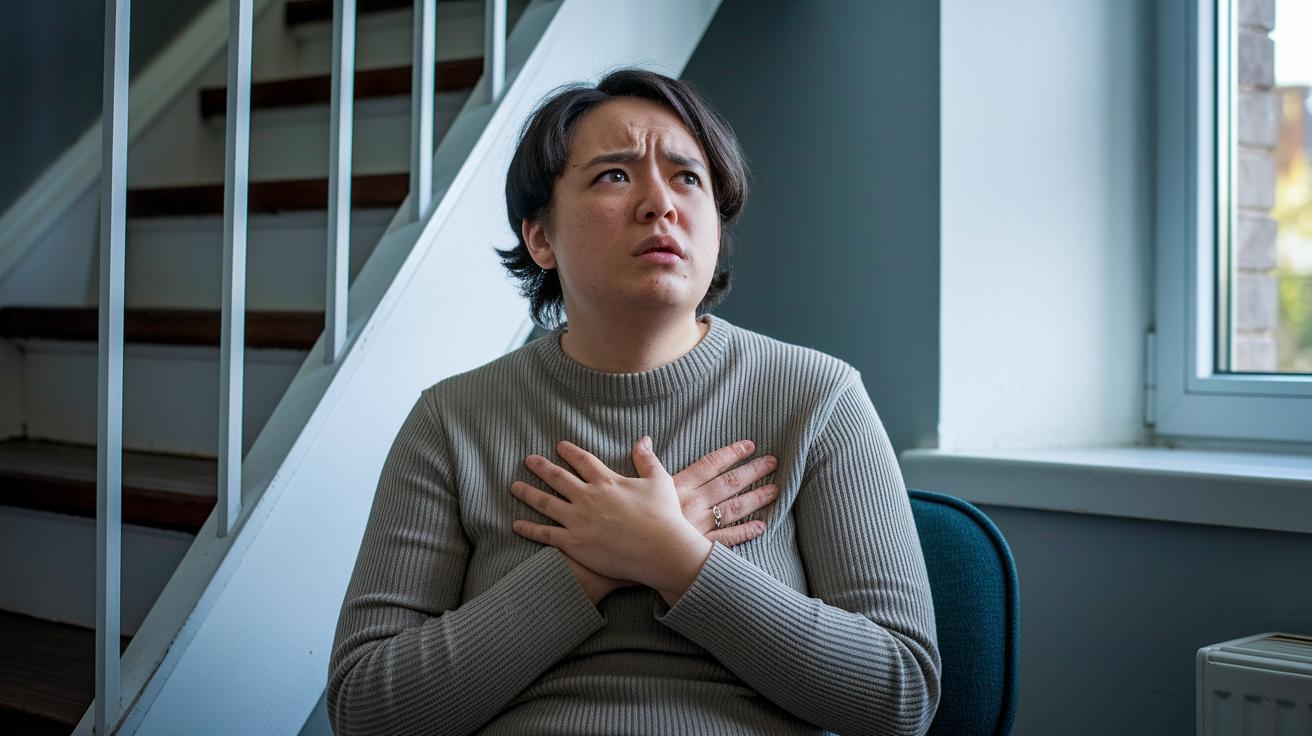
Chest pressure may come with other signs that help explain what is happening in your body. You might feel more than just tightness in your chest. Many people notice that the discomfort spreads to the upper body, around the bust, or near the rib cage. This extra pressure can make it hard to breathe or move comfortably, and it might be a clue that something is more than just muscle tension. Paying attention to these additional symptoms can help you decide if it’s time to reach out for medical advice.
- Shortness of breath: Breathing feels hard, as if something is blocking the air.
- Upper back or shoulder pain: Discomfort can spread from the chest into your back or shoulders.
- Pain that moves to the arm or jaw: Pressure may extend into your arms or jaw.
- Sweating or cold sweats: You may break out in unexpected sweating without any extra effort.
- Nausea or feeling dizzy: You might experience an unsettled stomach or lightheadedness.
- Sudden fainting or extreme fatigue: A sharp drop in energy can be a sign that your body is stressed.
Causes of Chest Pressure: Cardiac and Non-Cardiac Origins
Chest pressure can come from problems with your heart or other parts of your body. It may feel heavy, tight, or like a band around your chest.
Heart problems that cause chest pressure include:
• Angina (chest pain from less blood to the heart)
• Heart attack (blocked arteries stopping blood flow)
• Pericarditis (swelling of the heart’s covering)
• Myocarditis (swelling of the heart muscle)
Issues not related directly to the heart can also make your chest feel tight. Lung conditions such as a pulmonary embolism (blood clots in the lungs) or pleuritis (swelling of the lung lining) might cause similar discomfort. Problems in the esophagus, like acid reflux or esophageal spasm, can lead to a burning or squeezing sensation that feels like heart-related pain.
Muscle and bone strains are another common cause. For example, costochondritis (inflammation where the ribs join the breastbone) or minor injuries can make your chest wall feel tight. Overworked muscles or nerve irritation might add to that feeling, and stress or anxiety can make your muscles tighten even more.
Understanding these different causes can help you notice whether your chest pressure might be from a heart issue or another source that needs its own care.
Differentiating Chest Pressure from Other Upper Body Discomfort
Quick take: Chest pressure can come from your heart, stress, or strained muscles, so checking your signs is key.
If you have any of these emergency signs, call emergency services now:
- Severe chest pain lasting more than a few minutes
- Pain that spreads to your arms, neck, or jaw
- Trouble breathing or feeling faint
- Sudden sweating
Chest pressure may come from different causes. It might mean a heart issue, but it can also be caused by stress or a pulled muscle. How the pain starts and how it changes with movement can help you tell the difference.
When anxiety or panic causes chest pressure, you may feel a fast heartbeat or tremble. For example, if you feel tightness in your chest during a stressful meeting but it gets better when you breathe slowly and deeply, it is more likely anxiety.
On the other hand, muscle strain or inflammation of the chest wall (costochondritis) makes the pain worse when you move or press on the area. This type of pain usually increases when you change positions or do physical activities and gets better with rest or gentle stretching. In contrast, heart-related pressure often stays even when you are resting.
Ask yourself these questions:
- What triggered the pain? Did it start after exercise or during a moment of stress?
- How long does the tightness last? Does it ease with relaxation?
- Does the pain get worse when you move or press on the area?
Pay close attention to these clues. They can help you decide if the discomfort might be heart-related or due to muscle strain or anxiety. Always seek professional care if you are unsure or if your symptoms worsen.
Red Flags: When Chest Pressure Warrants Immediate Action
If you feel heavy chest pressure along with pain that spreads to your arm or jaw, cold sweats, nausea, or trouble speaking and moving, it could be a heart emergency. Doctors use tests like an ECG (heart tracing) and a cardiac troponin blood test (a marker for heart damage) to check for a heart attack. Early test results might not be clear, so act on these warning signs right away.
If you notice any of the warning signs listed in the table below, call 911 or your local emergency number immediately.
| Warning Sign | Description | Action Needed |
|---|---|---|
| Crushing Chest Pressure | A heavy, tight feeling in your chest that can also spread pain to your arm or jaw | Call 911 immediately |
| Cold Sweats & Nausea | Sudden sweating, an upset stomach, or feeling faint | Seek urgent care |
| Difficulty Speaking or Moving | Problems with forming words or weakness in your limbs | Call emergency services now |
Relief Strategies for Chest Pressure at Home
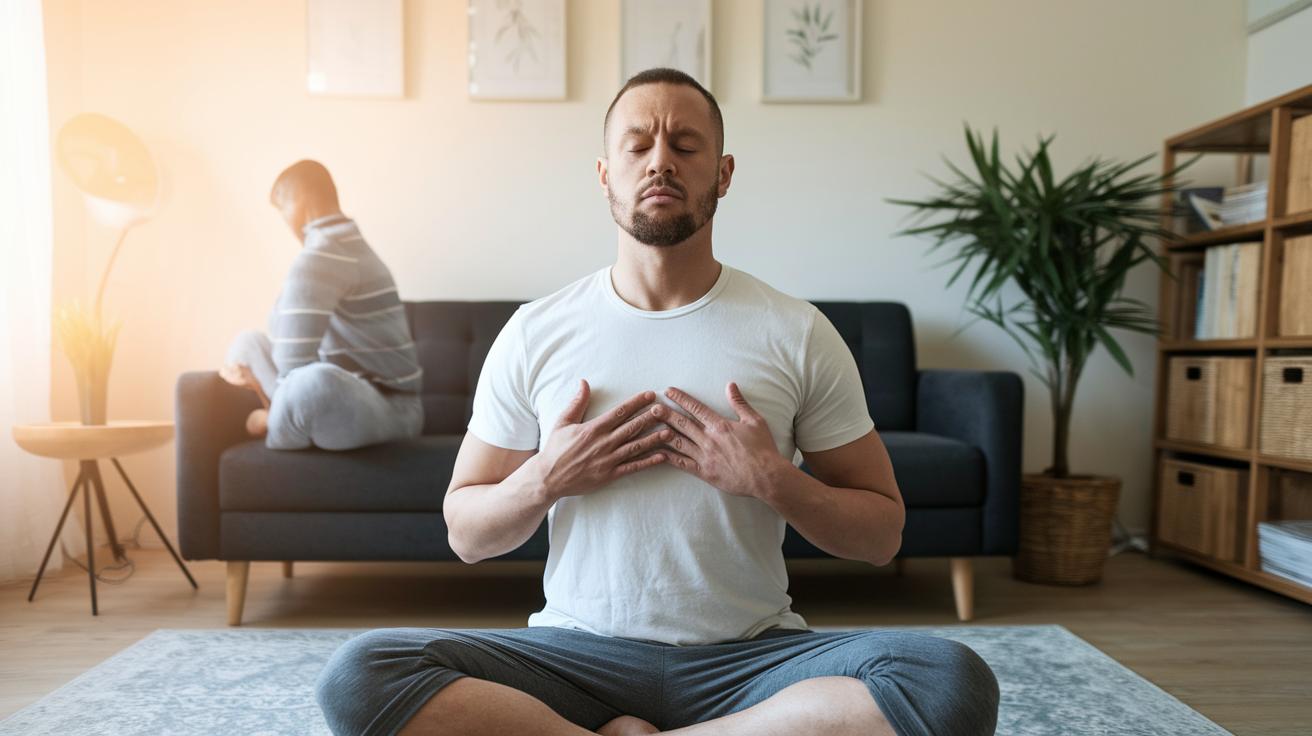
Quick take: Simple home techniques like controlled breathing, gentle stretching, and warm compresses can help ease mild chest pressure. Always call emergency services if you have severe pain, trouble breathing, or if the pain spreads.
If you have any of these emergency signs, call emergency services now:
- Severe chest pain or pressure
- Trouble breathing
- Dizziness or fainting
- Pain spreading to your arm, neck, or jaw
If your symptoms persist or worsen, seek same-day medical attention.
Try these self-care steps to ease your discomfort:
Deep breathing is a helpful start. Breathe in slowly through your nose, hold for a few seconds, then breathe out gently through your mouth. Picture the tightness easing as you exhale stress. You may also try guided meditation to calm your mind and body.
Next, gentle stretching can relieve pressure. Stand or sit up straight and do slow shoulder rolls or gentle twists. These simple moves help open up your chest area, like slowly untying a tight knot in your muscles.
If you think your chest pressure might be caused by acid reflux (a burning feeling in your chest), a short-term dose of over-the-counter antacids may help relieve the discomfort.
Another option is a warm compress. Gently place a warm pack on your chest to soothe stiff muscles, much like a warm towel eases soreness after a hard day.
Remember, these tips are for managing mild symptoms at home. Keep a close eye on how you feel, and if the pressure continues or gets worse, get medical help immediately. Regularly using these methods may lower tension and keep you more comfortable.
Final Words
In the action, we broke down the tight, squeezing sensation many feel, detailed related symptoms, and explored both heart-related and other causes. We also listed urgent warning signs, complete with clear actions, and shared home relief techniques like paced breathing and posture adjustments.
This guide helps you track what does chest pressure feel like and decide quickly if you need emergency care or further evaluation. Stay calm, act safely, and focus on your next steps.
FAQ
What does a weird feeling in the chest with no pain indicate?
A weird chest feeling without pain often indicates mild muscle tension or anxiety. It may feel like a slight pressure and usually isn’t dangerous, but monitor it and consult a clinician if it worsens.
How do I relieve chest tightness and reduce anxiety?
Relieving chest tightness can be achieved with deep, slow breathing, gentle stretching, and guided meditation. These techniques help relax chest muscles and ease anxiety, improving overall comfort.
What causes chest pain in women, particularly in the middle of the chest?
Chest pain in women can be caused by reflux, muscle strain, anxiety, or heart-related issues. The pain might feel pressing or burning, and persistent symptoms should be reviewed by a healthcare provider.
Why does my chest feel tight, heavy, and sometimes emotionally burdened?
The chest may feel tight and heavy due to physical conditions like reflux or heart issues and emotional stress triggering muscle tension. Both types of sensations can overlap and require medical review if severe.
Why does my chest feel heavy and make it hard to breathe?
A heavy chest with breathing difficulties can result from muscle spasms, panic, or more serious conditions affecting the heart or lungs. Seek immediate medical help if you experience worsening breathlessness.
How can I tell if I have chest pressure?
Chest pressure is recognized by a squeezing, constricting feeling that may seem like a heavy weight on the chest, sometimes accompanied by shortness of breath or discomfort. Notice any changes and consult a clinician if needed.
How do I manage chest tightness during pregnancy?
During pregnancy, chest tightness may be eased with relaxed, controlled breathing, gentle stretching, and proper posture adjustments. Always check with your healthcare provider to ensure these methods suit your situation.