
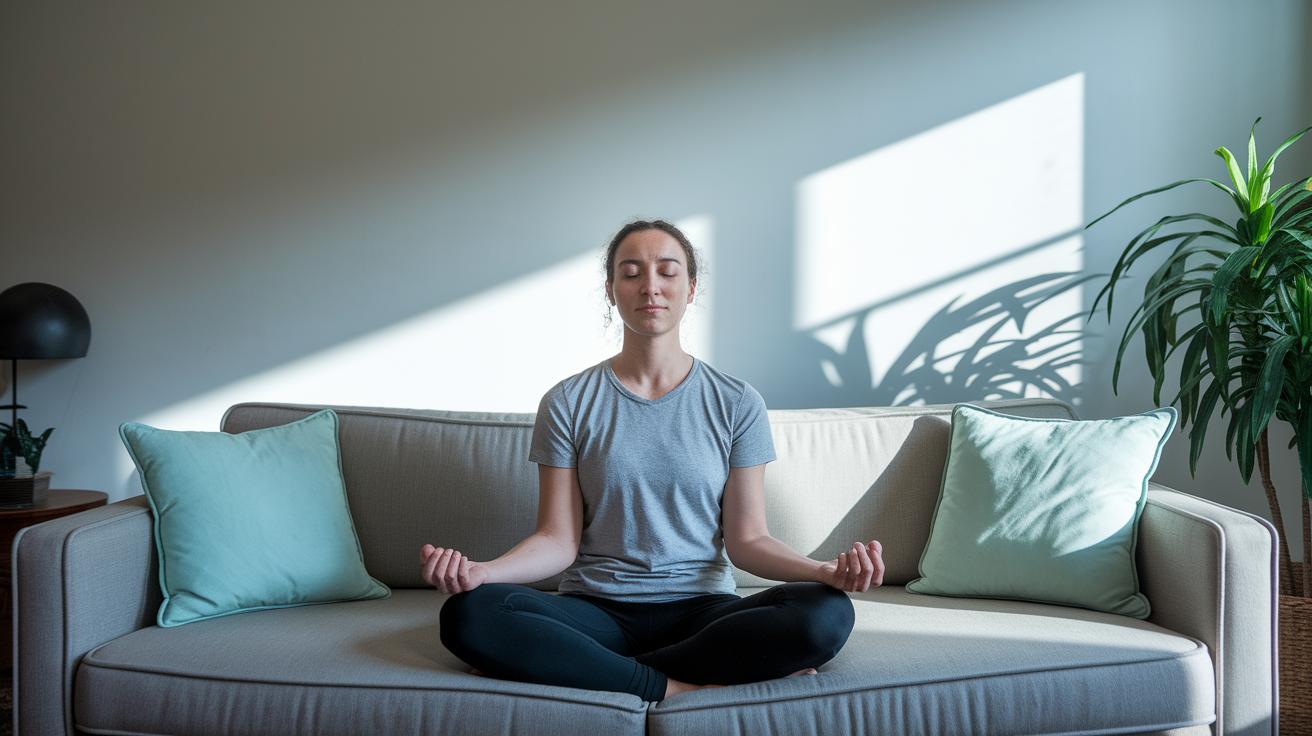

Quick take: If anxiety makes your chest feel tight, try deep breathing and grounding exercises right away.
If you have severe pain, trouble breathing, or feel faint, call emergency services now.
Anxiety can make your chest feel squeezed. It may seem like your body isn’t working with you, but there are simple ways to ease the pressure. Try taking slow, deep breaths in and out. This helps signal to your brain that you’re safe. You can also use grounding techniques, like focusing on a nearby object or placing your feet firmly on the floor to calm yourself.
These steps can help relax your body and reduce that tight, heavy feeling. Remember, you deserve relief during stressful moments. If your symptoms keep coming back or worsen, seek help from a trusted healthcare provider.
Immediate Techniques to Ease Chest Pressure from Anxiety
Quick take: When chest pressure from anxiety hits, try these simple techniques to slow your heart rate and calm your body.
If you have any emergency signs like severe chest pain, pain spreading to your arm or jaw, trouble breathing, or feel faint, call emergency services now.
Common causes include panic attacks or strong stress, which can trigger a tight feeling in your chest. These steps help send a safety signal to your brain and ease physical tension.
Try one of these techniques:
- Begin deep, slow breathing (inhale slowly through your nose, then exhale gently through pursed lips).
- Use a grounding exercise called 3-3-3 (name 3 things you see, listen for 3 sounds, feel 3 movements around you).
- Practice progressive muscle relaxation (tense a group of muscles, then relax them).
- Imagine a calm setting in guided imagery (picture a peaceful place in your mind).
- Use positive self-talk (replace anxious thoughts with kind, calming words).
Pick the method that feels right for you. You can also mix two methods together for more relief. For example, start with deep, slow breathing to steady yourself, then anchor your thoughts with the 3-3-3 exercise. These techniques provide fast relief as you work on a longer plan to manage anxiety.
Understanding Anxiety-Induced Chest Pressure
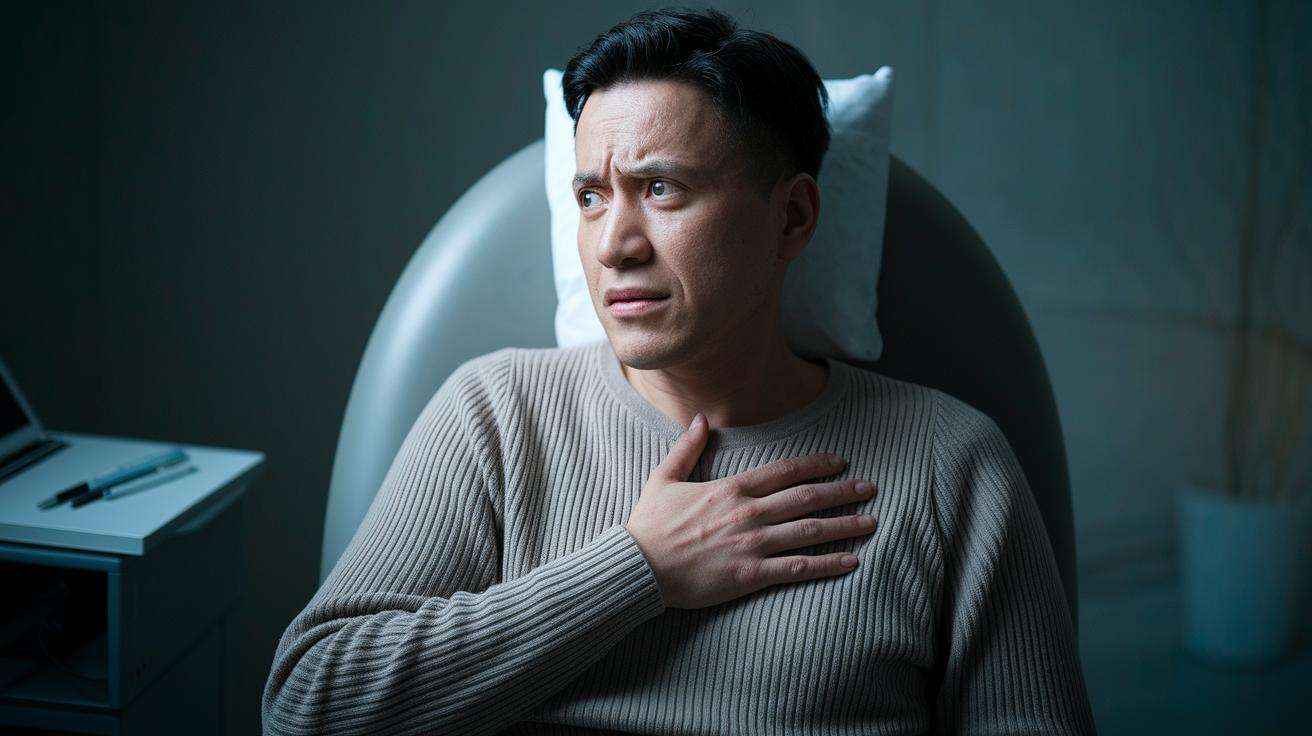
Quick take: Anxiety often causes a tight, heavy feeling in your chest that comes in waves, not the crushing pain of a heart attack.
If you have any of these emergency signs, call emergency services now:
- Severe, crushing chest pain that spreads to your arm or jaw.
- Pain lasting longer than 10 minutes.
- Sudden shortness of breath or severe nausea.
- Unexplained sweating along with intense chest pain.
Anxiety makes your body switch into fight or flight mode. This natural reaction tightens your chest muscles. It feels heavy or achy when your body gets ready for action, even if there is no real danger.
Chest pain from a heart attack is very different. Heart attack pain is hard and crushing. It often spreads to your arm or jaw and comes on quite suddenly. An anxiety-related feeling is usually milder. It comes in short bursts and might be linked with nausea, sweating, or a brief moment of not getting enough air.
These anxious episodes usually last about 10 minutes. They come up when you face high stress, strong emotions, or events that make you very anxious. It can help to note when the tightness happens, how long it lasts, and any other symptoms you feel.
If this chest pressure keeps happening or gets worse, write down key details such as:
- The time it starts and ends.
- Other symptoms like nausea or sweating.
- What might have triggered the episode.
Then, share this information with a healthcare professional to rule out any heart issues. Remember, your feelings matter and it’s important to check with a doctor if you’re worried.
Long-Term Strategies to Prevent Anxiety Chest Constriction
Quick take: Regular routines can help ease chest tightness from anxiety.
Triage box:
• If you have severe chest pain or trouble breathing, call emergency services immediately.
• If your chest tightness worsens or you feel very dizzy, seek help today.
• Otherwise, use these long-term steps to help calm your body.
Mindfulness and meditation can lower your stress. Take 10 minutes a day to sit quietly and focus on your breath. You can use guided meditation or simply notice your thoughts as they come and go. This practice sends a message to your body that it's time to relax, which may slowly reduce the tight feeling in your chest.
Regular exercise is another key tool. When you do aerobic activities like brisk walking, jogging, or cycling, your body releases feel-good chemicals called endorphins. Start with a 20-minute walk a few times a week and add more time as you feel stronger. Moving your body can lower anxiety and make your heart and muscles stronger, which might lessen that tight, achy feeling.
A balanced diet and staying hydrated are important too. Eating full foods such as fruits, vegetables, lean proteins, and whole grains helps keep your stress hormone levels in check. Drinking enough water supports your overall health and may ease signs of anxiety. Try planning balanced meals and set reminders to drink water if you notice tension building.
Keeping an emotional journal can also guide you toward relief. Write down your thoughts and feelings to spot patterns in your anxiety triggers. Team up with a doctor or mental health provider for a plan that might include therapy or medication. Tracking your daily experiences can show you which lifestyle changes help reduce chest tightness.
Mindfulness and Meditation Practices for Chest Pressure Relief

Quick take: Meditation can help ease chest pressure from anxiety when used safely.
If you have any of these emergency signs, call emergency services immediately:
- Severe, heavy chest pain, especially if it spreads to your arm or jaw
- Shortness of breath or difficulty breathing
- Dizziness, fainting, or sudden weakness
Your body and mind work together. Calm techniques can help if you feel chest pressure from stress. These simple practices shift your focus away from discomfort and bring calm.
Mindful Breathing Meditation
Practice mindful breathing by inhaling slowly for 4 counts and exhaling slowly for 4 counts. This even rhythm can help slow your heart rate and reduce chest tightness.
Guided Imagery
Close your eyes and picture a safe, calm place. Imagine soothing colors, gentle sounds, and soft scents. Using all your senses can help take your mind off chest discomfort.
Body Scan Meditation
Sit or lie down comfortably. Slowly move your focus from your feet to your head. Notice where you feel tension and try to relax that area. This step-by-step process can ease tight muscles, including around your chest.
Audio-Guided Relaxation
Use an app or recording that guides you to relax different muscles in a set order. Listening to gentle instructions helps distract your mind from anxiety and supports a steady, relaxed pace that can relieve chest pressure.
Try these techniques to see which one feels best for you. Always check in with how you feel, and if symptoms get worse, seek help right away.
Physical Movements and Stretches to Release Upper Torso Tension
Quick take: Gentle movements and stretches can ease tightness in your chest and help you breathe better. If you experience severe chest pain or have trouble breathing, call emergency services immediately.
When stress builds, your muscles may tighten and cause a heavy, constricted feeling in your upper torso. Moving your body boosts blood flow and loosens up those tight muscles. Simple, gentle exercises shift your focus from stress to calm and help reset your breathing.
Targeted movements really pay off. Exercises like yoga (a set of gentle stretching and balance poses) and tai chi (slow, mindful movements) encourage smooth joint motion while easing tension in your chest and shoulders. Stretching also helps expand your rib cage, so you can take deeper breaths. The best part is you can do these exercises at home or even during short breaks at work.
- Progressive muscle release for chest and shoulders (slowly ease the tight muscles)
- Doorway chest opener (hold each side for 20 seconds)
- Cat-Cow yoga flow (complete 5 slow cycles)
- Tai Chi torso twist (do 8 gentle twists)
- Stress-ball chest squeeze (press 15 times in a set)
Take a few minutes during your daily routine to try these movements. Even a brief exercise session can send a signal to your body to relax before tension builds again. Mix the stretches or stick with one method until you notice relief. With regular practice, you may improve your posture and clear your mind, making daily stress easier to manage. Take a moment each day, your body will thank you.
When to Seek Professional Help for Anxiety-Related Chest Pain

Quick take: Some chest pain may be a sign of heart trouble, so act fast.
If your chest pain gets worse or lasts longer than normal, or if it spreads to your arm or jaw, these are red flags. Also, if you feel very short of breath in a way that doesn't seem linked to your anxiety or if you suddenly feel severe pain, call emergency services immediately.
Here’s what to do now:
• If your chest pain grows worse or lasts longer, seek urgent care.
• If the pain spreads to your arm or jaw, call emergency services now.
• If you have trouble breathing that doesn’t match usual anxiety, don’t wait, get help immediately.
If these symptoms continue or come back, make an appointment with your doctor or mental health provider. They can check to see if your heart is okay and help guide you on managing anxiety in a safe way.
Using self-help techniques together with professional care can give you a balanced way to manage stress while keeping an eye on your heart health.
Final Words
In the action, you learned quick self-help techniques and mindful practices to ease chest pressure. The post covered immediate steps, mindful breathing, gentle movements, and tips for recognizing when to seek care.
You now have tools to manage anxiety and relieve chest pressure safely. By mixing self-care with professional guidance, you’re better prepared on how to relieve chest pressure from anxiety. Keep practicing these steps to soothe discomfort and stay empowered.
FAQ
Can anxiety cause chest pain every day?
Anxiety can cause chest pain every day because ongoing stress and muscle tension lead to persistent discomfort. This pain is often linked to the body’s anxiety response and may not indicate a heart problem.
What does chest pain from anxiety feel like?
Chest pain from anxiety feels like a pressing or aching sensation. It often appears as tightness in the chest, sometimes accompanied by a heavy or muscle-strain type of discomfort.
How do I relieve chest pain and tightness from stress and anxiety?
Relieving chest pain from stress involves using techniques such as deep, slow breathing, grounding exercises, and progressive muscle relaxation. These methods help reduce muscle tension and calm the body quickly.
How long does chest tightness from anxiety last?
Chest tightness from anxiety usually lasts about 10 minutes during a panic or stress episode. The duration can vary based on individual responses and the intensity of the stress trigger.
Why does my chest feel tight when I’m stressed?
Your chest feels tight when stressed because anxiety triggers a fight-or-flight response that tightens your muscles. This tension in the chest area is a common physical reaction to heightened stress.
What medication is used for anxiety-related chest pain?
Medication for anxiety-related chest pain may include options like benzodiazepines or SSRIs, which reduce anxiety symptoms. These medications should only be used under a healthcare provider’s supervision.
Can anxiety cause rib pain?
Anxiety can cause rib pain when muscle tension and strain surrounding the chest region irritate the rib area. This type of pain usually improves with effective stress management and self-care practices.