
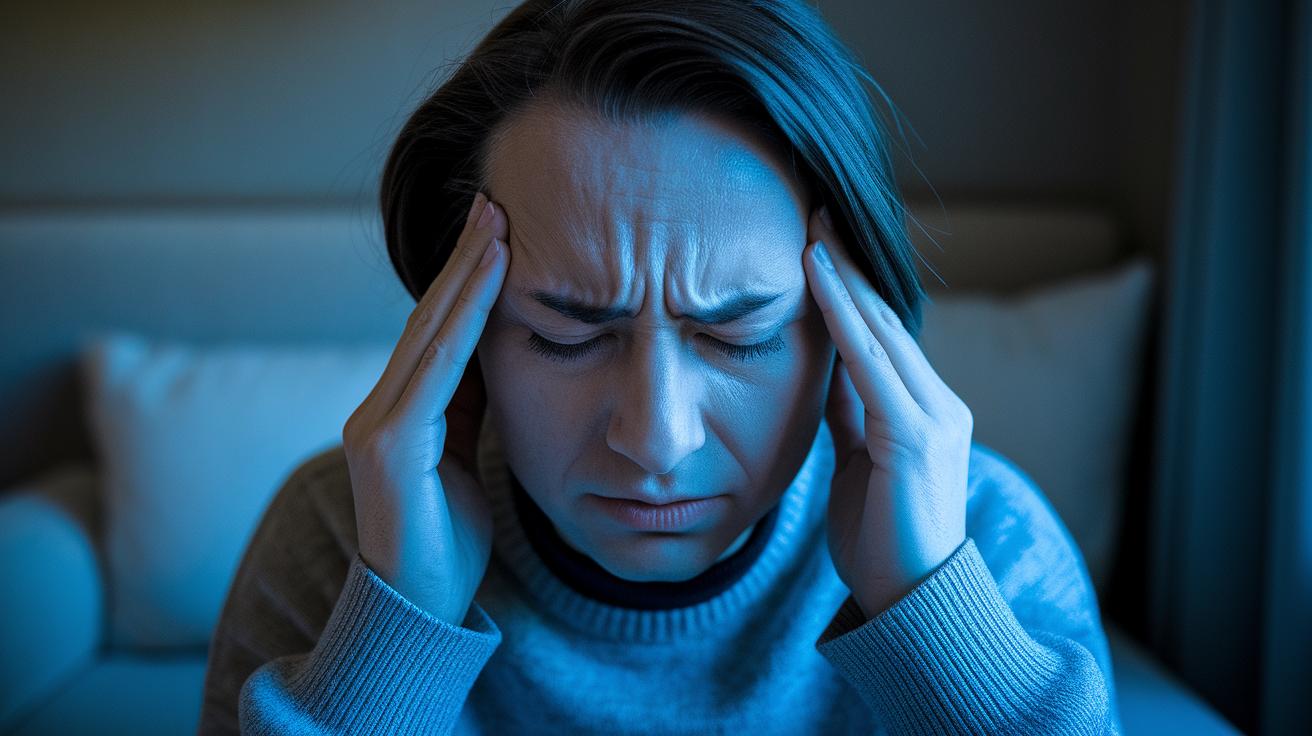

Quick Take: Migraines are more than just a bad headache, they are strong, burning pains that can stop you in your tracks.
Triage Box:
• If you experience sudden vision changes, slurred speech, or weakness on one side of your body, call emergency services now.
• If your headache gets worse or other new symptoms appear, seek urgent medical care.
• If your pain is familiar and mild, follow your usual care steps and rest.
Migraines are not simple headaches. They are intense bursts of burning, pulsing pain that can turn even everyday tasks into a struggle. In this guide, we explain what a migraine feels like in clear, simple terms. We want to help you spot early warning signs and take easy steps to ease the pain before it grows worse. Understanding these feelings is your first step towards getting relief and better care.
Comprehensive Sensation Overview: What a Migraine Feels Like
Quick Take: A migraine brings intense, pounding head pain that is much more severe than a regular headache.
Triage Box:
• Call emergency services now if you experience any of the following: sudden vision changes, confusion, slurred speech, or weakness on one side of your body.
• Seek same-day care if the pain is very severe or if you feel it’s different from past episodes.
• Monitor your symptoms closely and note when the pain starts, how long it lasts, and any triggers you notice.
Migraines cause a strong, rhythmic pain deep in your head. You might feel sharp, pounding pain, as if a steady beat is shaking your skull. Many people say it feels like a constant throbbing or burning heat inside your head. This pain comes on quickly and is much worse than an ordinary headache.
The hurt often hits one side of your head. You might feel the pain around one temple or on one side of your skull. The pain can last for several hours or sometimes even days. When this happens, even simple tasks can feel hard.
Compared to a regular headache, a migraine is much more vivid and tiring. Many describe it as being caught in a storm of heat and pressure, where every heartbeat makes the pain worse. This strong pain disrupts your daily life so much that even relaxing or enjoying your favorite activities feels nearly impossible. Some patients say the impact of a migraine can turn a bright, sunny day into an unyielding battle with pain and sensory overload.
what does a migraine feel like: Reassuring clarity
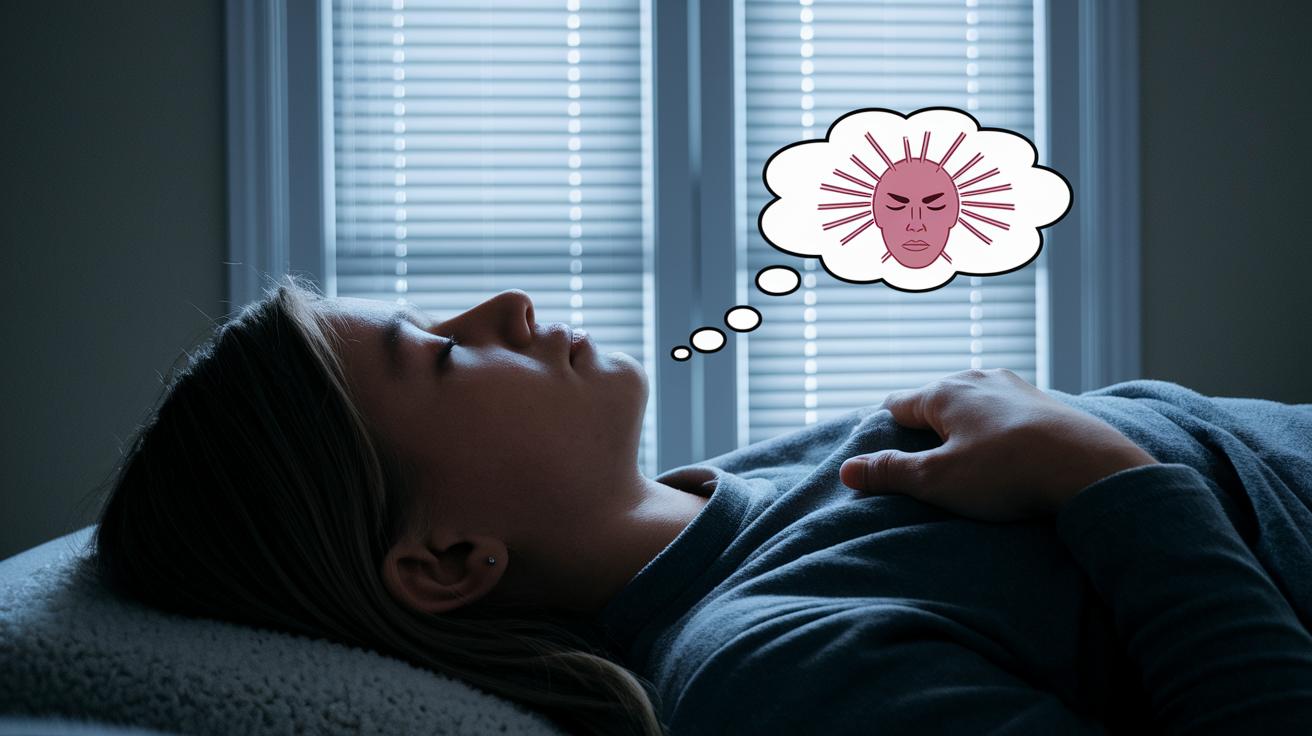
Quick take: Early warning signs can let you take simple steps to ease a migraine before it worsens.
If you notice any of these signs, prepare to rest in a quiet, dark room:
- See flashing or blurry lights.
- Find that bright light or loud sound bothers you.
- Feel a creeping nausea.
- Experience tingling or numbness in your face or arms.
- Notice odd, off feelings.
- Have trouble speaking clearly.
These early clues help you plan for relief. One patient said, "When I saw strange lights, I knew a migraine was coming. I rested in a quiet, dark room, and it made a big difference." Keep a simple record of these signs to learn your triggers and act early for relief.
Sensory Overload: Light, Sound, and Nausea During Migraines
Quick take: Migraines can make light and sound seem overwhelming and trigger nausea. If you experience any new, severe symptoms like sudden vision changes, trouble speaking, or weakness, call emergency services now.
Triage:
• If you have a sudden, different headache with confusion, trouble speaking, or vision changes, call emergency services now.
• If your symptoms worsen quickly, seek same-day medical help.
• Otherwise, watch your symptoms and rest in a calm, dark, and quiet space.
People with migraines often feel that everyday light is too bright and everyday sounds are too loud. One patient described sitting near a window where the sunlight felt harsh and made the headache worse. This reaction is called light sensitivity (photophobia) and sound sensitivity (phonophobia), and it often comes early in a migraine.
A strong mix of light and sound can also upset your stomach, leading to nausea and dizziness. Many say that a burst of bright light and loud noise sends their stomach into a tailspin, so they find that resting in a dark, quiet room helps calm both head and stomach.
Even small movements can make these symptoms worse. Simple actions like turning your head or shifting your position can quickly spike the discomfort and intensify nausea. Many people find that staying still in a peaceful setting is the best way to ease these symptoms.
Cognitive and Emotional Effects Amid Migraine Attacks
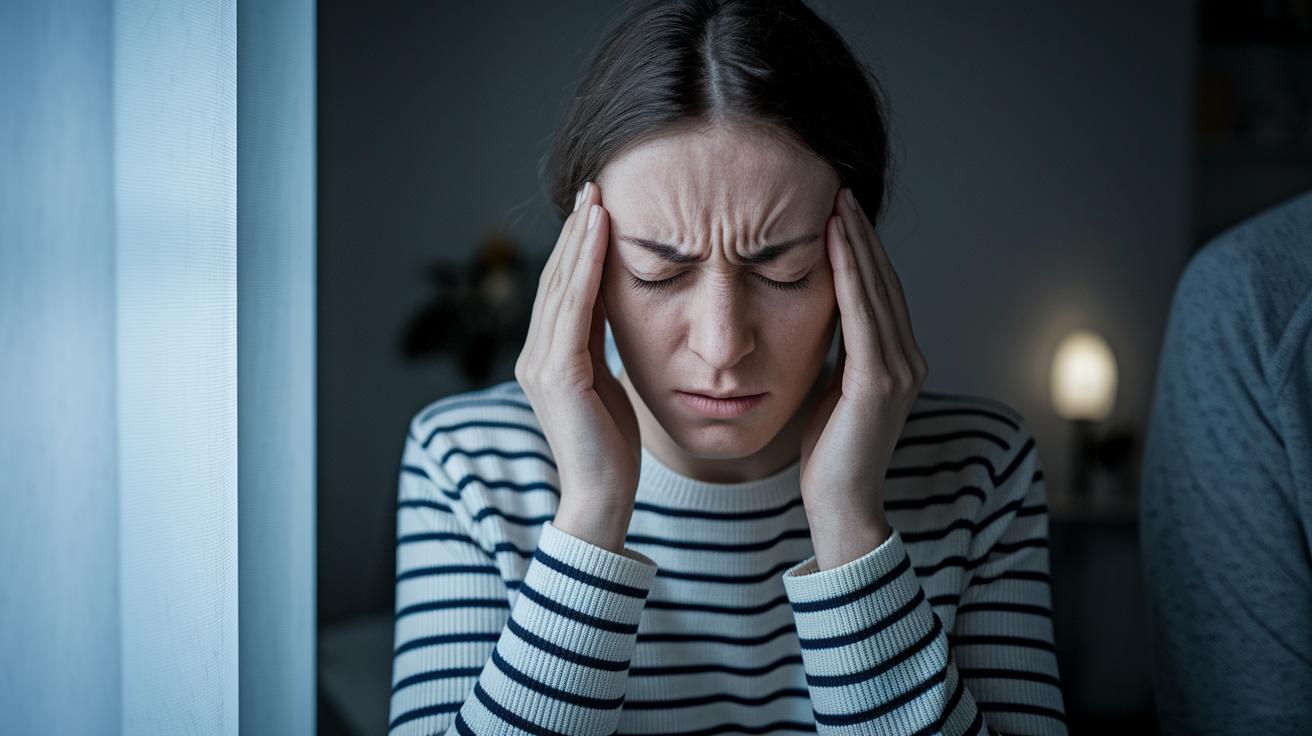
When you have a migraine, your mind might feel foggy and hard to focus. Your thoughts seem scattered, and even simple ideas can feel overwhelming. This mental slowdown makes everyday tasks, like following a conversation or reading, very tough.
The pain also stirs strong emotions. You might feel anxious, irritable, or even a bit down as the pressure builds up. Each wave of discomfort can mix worry with frustration, deepening your distress and making it hard to feel at ease.
Your body reacts too. Your heart may beat faster and your muscles can become tense. This stress adds to the overall exhaustion and makes relaxation a challenge. Remember, a migraine is not just a headache, it is a full-body experience that affects both your mind and body.
Differentiating Migraine vs. Tension Headache Sensations
Quick Take: A migraine usually causes one-sided, pulsing pain with extra signs, while a tension headache feels like steady pressure on both sides.
If you have any of these emergency signs, call emergency services immediately:
• Sudden, extremely severe headache
• Confusion or trouble speaking
• Vision changes or weakness
• Difficulty walking or balance issues
Migraines and tension headaches feel different despite both causing head pain. In a migraine, the pain is often on one side and comes in a pulsing beat. You may also notice extra signs like strong sensitivity to light and sound (bright lights and loud noises hurt more). Tension headaches, however, bring a steady, tight pressure across both sides and rarely come with extra sensitivity.
Another clear difference is how long they last. Migraines can go on for hours or even days, but tension headaches usually fade within a few hours.
| Symptom | Migraine | Tension Headache |
|---|---|---|
| Pain Location | Usually one-sided | Bilateral (both sides) |
| Pain Quality | Throbbing, pulsing | Steady, tight pressure |
| Sensitivity | High sensitivity to light and sound | Seldom affected |
Knowing these differences can help you decide what you may be experiencing and guide how you care for yourself. Use this information as a starting point for your discussion with a healthcare provider if your symptoms change or worsen.
Triggers, Duration, and Recurring Patterns of Migraine Episodes
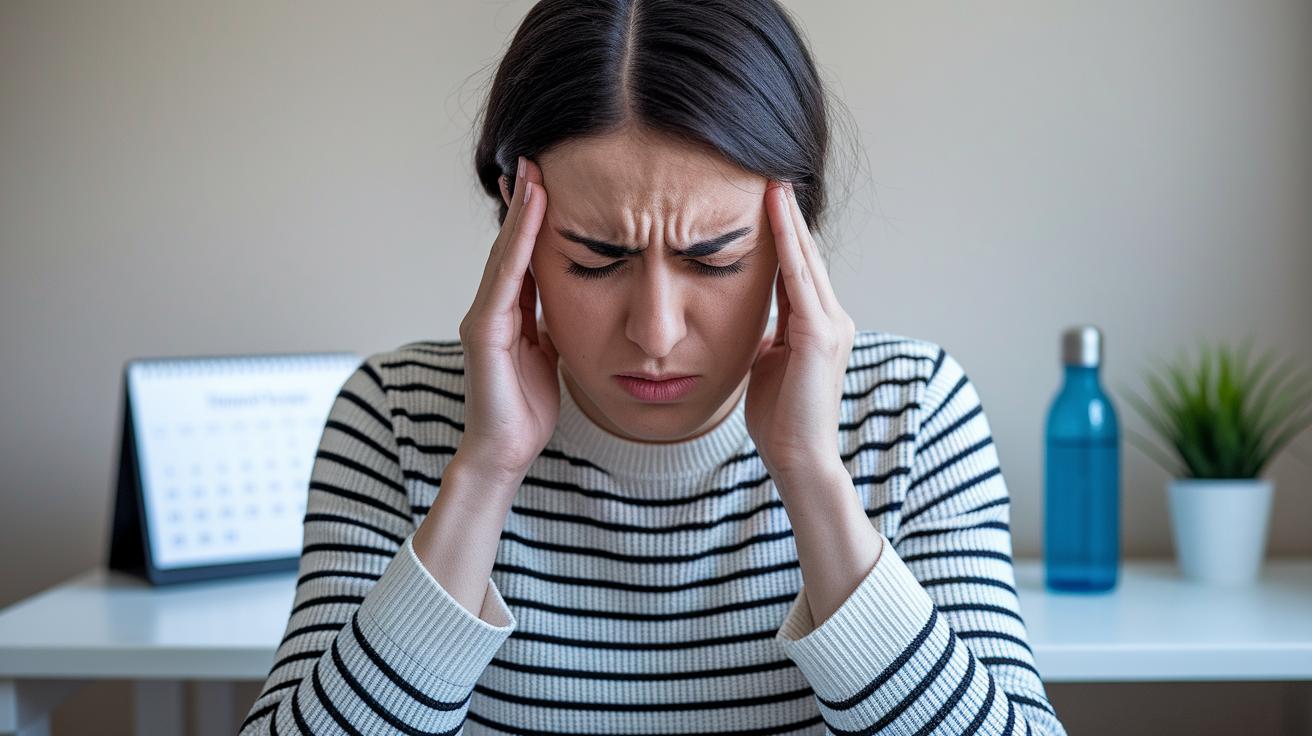
Quick take: Migraine triggers and episodes vary widely; tracking your symptoms can help you act early.
If you have any of these emergency signs, call emergency services now:
- Sudden, severe headache with confusion or trouble speaking.
- Weakness or numbness on one side of your body.
- Vision changes or loss.
- Difficulty walking or balance issues.
Stress is a common trigger. Daily pressures like tight work deadlines, unexpected events, or changes in routine can set off a migraine. Factors such as dehydration (not drinking enough fluids) or poor sleep may add to the risk. Sometimes even small disturbances or specific foods can trigger an episode. Knowing what causes your migraines can help you spot them early.
Migraine episodes vary a lot. Some last only a few hours while others may continue for several days, making daily tasks hard to do. The head pain can start suddenly, and how long it lasts depends on the trigger and your body’s reaction. Each attack is unique, and patterns can change from one episode to the next.
Keeping a headache diary is a smart move. Write down the start time, how long the migraine lasts, any stress factors or foods you encountered, and any early signs you notice. This simple record helps you see patterns and gives your doctor clear details to better adjust your treatment.
Seeking Professional Care for Migraine Pain Relief
When head pain takes over your day, a migraine specialist can help you find relief. A neurologist who knows about headaches will check your symptoms, look at your headache diary, and talk about your triggers. This helps rule out other issues and starts a care plan made just for you.
If your migraines become more frequent, last longer than usual, or feel different from before, see a neurologist right away. They will review your health and may ask for tests to learn more about your condition. This careful check-up is designed to find the best non-opiate treatments that work safely for you.
Medicine can also help control your migraine pain. Some treatments, like triptans, may ease the pain quickly. Your doctor might recommend options such as sumatriptan, rizatriptan, or even ubrelvy. Taking these medicines as soon as migraine signs start can lessen both how bad the pain gets and how long it lasts. Always follow your doctor’s advice and monitor for any side effects.
Professional care means having a plan that fits your life. With the right treatment and a clear strategy, you can manage your migraines and feel more in control.
At-Home Management Techniques and Preventive Measures for Migraines

You can manage migraines on your own by learning to recognize and avoid triggers. Simple changes in your daily routine may help prevent migraine pain or ease your symptoms. With a few small adjustments, you can reduce the impact migraines have on your everyday life.
Keeping a Headache Diary
Keeping track of your headaches is an important step. Use a notebook or an app to write down when your headache starts, how long it lasts, and any other symptoms like nausea (feeling sick) or light sensitivity. Note any triggers like specific foods, changes in sleep patterns, or stressful events. For example, you might see that skipping breakfast is linked to your headache pain. This record helps you spot patterns and share clear details with your doctor. Also, jot down what helps, whether it’s a cold compress or an over-the-counter pain reliever.
Lifestyle and Home Remedies
Changing your daily habits can help your efforts to track and manage migraines. Try stress-relief methods such as deep breathing or gentle exercise to ease tension. Look at your diet and cut back on foods that seem to trigger your migraines. Drink plenty of water, stick to a regular sleep schedule, and use available over-the-counter options when needed. By keeping an eye on your migraine patterns and making simple lifestyle tweaks, you may experience fewer and less severe episodes.
Final Words
In the action, this article broke down the intense, one-sided pressure and throbbing head pain that signal a migraine. You reviewed early warning signs, triggers, and practical home care steps alongside advice on when to see a specialist. A headache diary and simple lifestyle tweaks can help manage your symptoms. Reflect on what does a migraine feel like and use these insights to take control. Stay informed about your body and keep moving forward with confidence.
FAQ
What causes migraines in females?
The causes of migraines in females involve hormonal shifts, stress, and environmental triggers that affect blood flow and pain pathways. These factors often lead to more frequent or severe migraine episodes.
What does a migraine feel like?
The migraine feeling includes pounding head pain, visual disturbances, and sensitivity to light and sound. Many describe intense pressure on one side and visual changes such as blurry or flashing vision.
Is migraine dangerous?
The condition is usually not life-threatening but can severely disrupt daily activities. If symptoms worsen or change, it’s important to consult a healthcare provider for proper evaluation.
What migraine treatments exist?
Migraine treatments include medications like triptans combined with lifestyle adjustments. Professionals may also recommend avoiding triggers and using preventive strategies to reduce the severity and frequency of attacks.
How do I know I’m having a migraine?
You may experience severe, one-sided head pain, visual changes, and nausea. Sensitivity to light and sound often signals that a migraine is starting, setting it apart from a typical headache.
How do I differentiate a migraine from a regular headache?
A migraine commonly presents as intense, one-sided, throbbing pain with accompanying aura or sensitivity to light, while a regular headache often feels like a steady, bilateral pressure that resolves faster.
What are the 4 stages of a migraine?
The four stages are prodrome (early warning symptoms), aura (sensory disturbances), headache (intense pain phase), and postdrome (recovery period with fatigue). Recognizing these stages can help in managing the attack.