

Quick take: Sudden skin spots can mean extra pigment, pigment loss, or changes in your blood vessels.
If you see any of these signs, please act immediately:
• If red or purple marks spread quickly or hurt, call emergency services now.
• If spots suddenly change size or shape, seek same-day care.
• Otherwise, keep an eye on them and tell your clinician.
Have you ever noticed a new spot on your skin and wondered why it appeared? It can be surprising and even a bit scary. Sometimes, your skin makes extra pigment (a natural coloring substance), which leads to dark spots. Other times, you might lose pigment, which leaves lighter patches. Changes in your blood vessels may also cause red or purple marks. In this post, we explain why these changes happen and share simple tips on what to watch for so you can feel more confident about your skin.
Core Mechanisms Behind Skin Discoloration
Quick take: Skin discoloration may be caused by extra pigment, less pigment, or changes in blood vessels.
Triage Box:
If you notice sudden changes in your skin patches, spots that hurt, or new marks that grow fast, call your doctor.
Hyperpigmentation means your skin makes extra melanin (the pigment that gives skin its color). This extra pigment shows up as dark spots. For example, after spending time in the sun, you might see a small dark spot on your arm. Conditions like melasma or age spots are common examples.
Hypopigmentation happens when your skin produces less melanin. This creates lighter patches compared to the skin around them. Sometimes the body’s immune system attacks pigment cells, which can lead to conditions like vitiligo (where patches lose their color).
Vascular changes occur when problems with blood vessels affect your skin. This may create red or purple marks. For instance, if you have a red spot that does not fade after a minor bump, it might be due to a vascular change.
Each of these processes affects your skin in its own way. Noticing whether your spots have extra pigment, less pigment, or seem linked to blood vessel changes can help guide the next steps. Keep track of any changes and discuss them with your doctor.
Sun Exposure and Melanin Overproduction

When you spend time outdoors, the sun’s UV rays spark extra melanin production in your skin. This extra pigment helps protect your deeper skin layers from sun damage, but it can also show up as dark, uneven spots. Sometimes you might notice melasma, which looks like large, patchy areas of darker skin, or age spots, which are small and scattered.
Your skin can also react to heat and visible light by boosting the activity of pigment cells. In simple terms, too much sun makes some spots brighter than others, leading to an uneven skin tone.
You might see these changes most on your face, neck, and arms, the areas that get the most sun. To help control this process, use a physical sunscreen with zinc oxide or titanium dioxide. These ingredients block the sun’s rays more effectively than many chemical sunscreens. You can also lower your sun exposure by wearing a broad-brimmed hat and seeking shade during the strongest sunlight hours.
Taking these steps will help keep your melanin levels balanced and your skin tone even.
What Causes Skin Discoloration: Clear Skin Clarity
Quick take: Melasma is a common cause of dark patches on the skin, often linked to hormones and certain medications.
If you spot new or worsening dark spots, you should talk to your doctor. There’s no emergency with melasma, but keeping an eye on your skin can help you manage it better.
Hormonal changes often trigger melasma. Most cases happen in women, about 90%, when estrogen and progesterone (hormones) shift in the body. This change is common during pregnancy. Many new moms notice uneven dark patches on their face during or right after pregnancy.
Some medicines, like anti-seizure drugs, can make your skin more sensitive to these hormone changes. This sensitivity might start or worsen melasma. Sometimes, the spots fade on their own after pregnancy, but they can stick around for many.
Here are some factors that increase your chance of getting melasma:
- Pregnancy or hormone replacement therapy
- Use of medication that alters hormone levels
- A personal or family history of melasma
Once melasma appears, treatment usually starts with creams or gels. These topical solutions (like hydroquinone) help lighten the spots. If they don’t work well enough, procedures such as chemical peels, microdermabrasion, or laser therapy may be suggested. These treatments work by reducing extra pigment and boosting skin cell turnover. Also, using a broad-spectrum sunscreen every day is key to protect your skin and prevent further darkening.
Inflammatory and Post-Inflammatory Pigmentation Changes
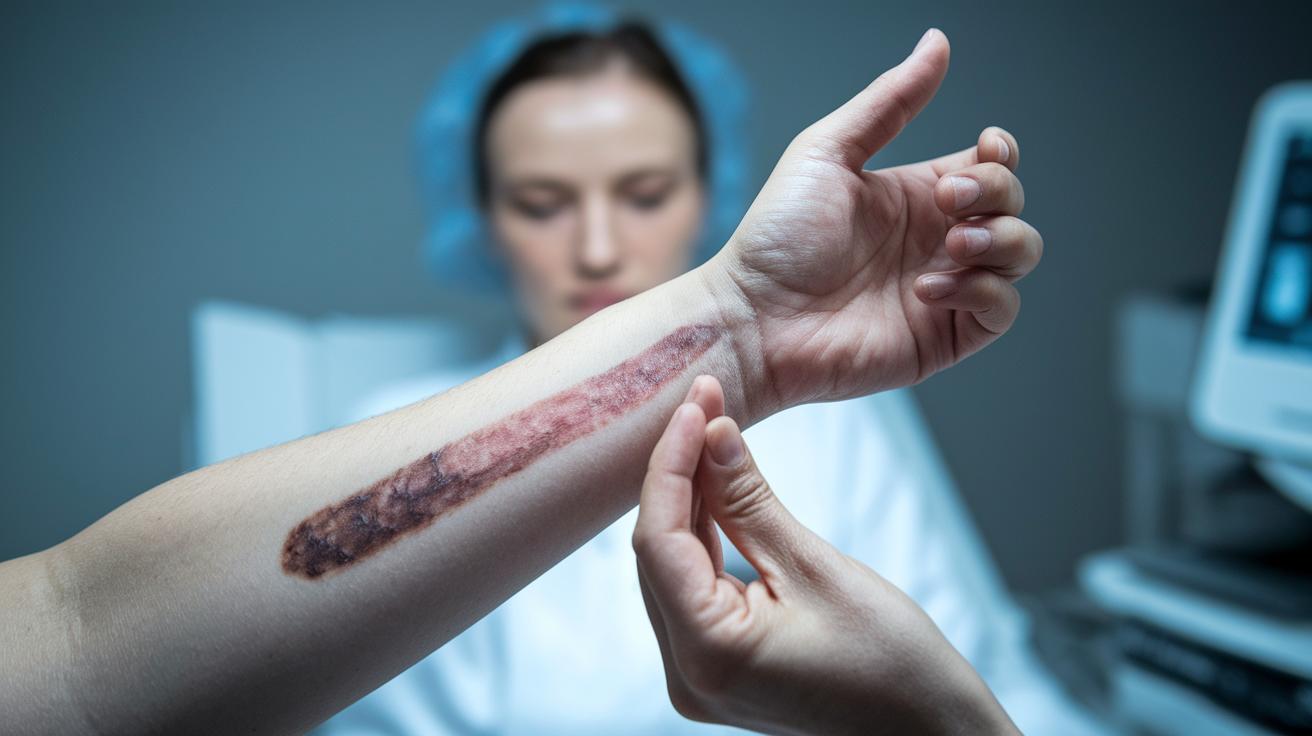
Your skin can change color after an injury or irritation. This reaction is called post-inflammatory pigmentation (color change after inflammation). When you have conditions like eczema (inflamed, itchy skin) or psoriasis (rashes with scaling), the affected spots may turn darker (post-inflammatory hyperpigmentation) or lighter once they heal. Even minor bumps can cause light brown patches, such as diabetic dermopathy on the shins after small trauma.
During healing, your skin’s pigment cells change. This can lead to lasting color differences when inflammation continues, you experience repeated irritation, or harsh treatments are used. How noticeable the changes are depends on your skin type.
Here are some steps to help soothe your skin and even out pigment changes:
- Use a gentle cleanser to wash the area.
- Apply a cool compress to reduce irritation.
- Moisturize with products made for sensitive skin.
- Consider a remedy for skin irritation (link provided) to lower inflammation.
If your skin does not improve or the changes become more worrisome, make sure to check with your healthcare provider.
Genetic and Autoimmune Factors Impact on Skin Pigment
Quick take: Your genes and immune response shape your skin color.
If you notice sudden or large areas of color change, seek care from your doctor.
If you have any of these emergency signs, call emergency services now:
- Rapidly spreading white patches
- Intense skin pain or blistering around the spots
- Signs of infection such as fever or redness
Your skin color is partly set by your genes. Your genetics guide how much pigment (color-making substance) your skin produces. Some people are born with a tendency to make more or less melanin (the pigment that gives skin its color). Over time, small differences can lead to noticeable changes.
Autoimmune factors may upset this balance. In conditions like vitiligo, your immune system (the body system that fights infections) mistakenly attacks the melanocytes (pigment-producing cells). This creates patches of white on your skin, often on the hands, face, or other exposed areas. Other conditions such as Graves' disease and lupus cause ongoing inflammation, which can change skin color by making areas lighter or darker.
These changes might start slowly or appear suddenly. If you have a family history of pigment changes, you might be at higher risk because genetics can affect both your skin's pigment and how your immune system interacts with pigment cells. Keeping a record of any changes can be very helpful when you talk with your doctor.
Genetic traits and autoimmune responses often work together. Family members might show similar skin changes, so it is important to watch for new spots. Spotting these changes early can help you and your doctor decide on the best care plan.
Medicinal, Chemical, and Procedural Influences on Skin Tone

Quick take: Some medicines, chemicals, and skin treatments may change your natural color, if you notice changes, check with your doctor.
If you see sudden dark patches or uneven tone:
• Contact your doctor right away.
• Ask your cosmetic provider about risks like extra darkening after treatments.
Certain medications can make your skin more sensitive to the sun. For example, anti-seizure drugs often boost sun sensitivity. When your skin is extra sensitive, it might create extra pigment, which leads to dark patches (hyperpigmentation) even after brief sun exposure.
Some chemicals in skincare products can also change your skin tone. Ingredients may either boost or reduce pigment, altering your natural color.
Cosmetic treatments like chemical peels, microdermabrasion, and laser treatments work by removing old skin cells so newer ones can grow evenly. But if these procedures are not done properly, they may cause extra darkening, also known as post-inflammatory hyperpigmentation (PIH).
• Talk with your doctor about any skin changes you notice.
• Ask your cosmetic provider about the risk of extra darkening before your procedure.
Environmental, Lifestyle, and Nutritional Contributors to Discoloration
Your diet plays a big role in how your skin looks. Not getting enough vitamins B12, C, and D can make it hard for your skin to produce melanin (the pigment that gives skin its color) evenly. This may lead to spots or an uneven tone.
Smoking and drinking increase free radicals (unstable molecules that can harm cells) in your body. These free radicals disturb melanocytes (cells that make melanin) and can cause irregular pigmentation. Breathing polluted air adds to this stress as tiny particles irritate your skin and trigger harmful oxidative stress, which can worsen dark spots.
Here are some simple steps you can take:
- Eat a balanced diet with plenty of colorful fruits and vegetables.
- Avoid smoking and limit alcohol intake.
- Try to minimize exposure to polluted areas when possible.
Antioxidants from foods like berries and leafy greens help fight free radicals, protecting your skin cells. Keeping well-hydrated and following a regular skincare routine can also support your skin’s health. By adjusting your daily habits and discussing these changes with your doctor, you can work towards maintaining an even skin tone.
Clinical Assessment and When to Seek Professional Care
Quick take: Sudden skin changes can mean a serious problem.
If you spot any of these red flags, get professional care right away:
- Rapid changes in skin color.
- Spots with uneven or jagged edges.
- New or growing lesions.
- Patches that suddenly get lighter or darker.
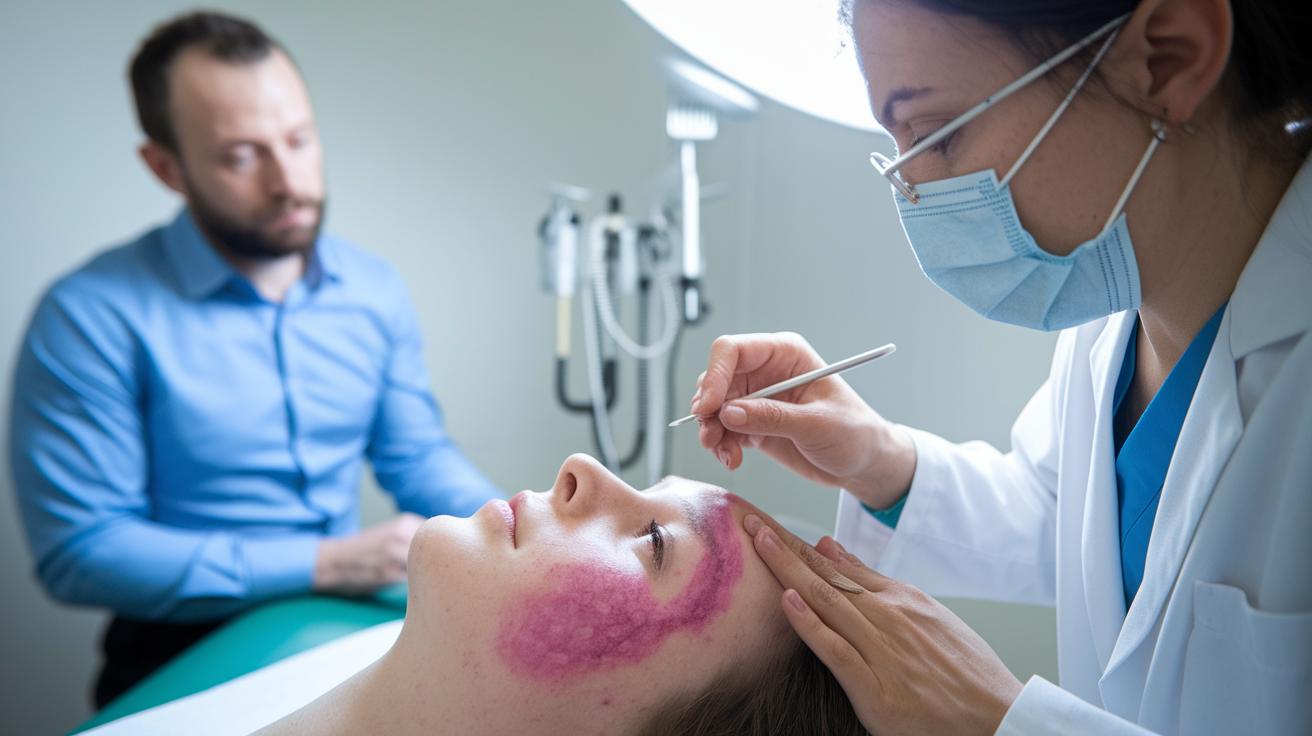
Your skin might change because of conditions like skin cancer or pigment issues. A skin doctor (dermatologist) checks these concerns carefully. They ask about your health history and do a full skin exam to see if the spots have changed in color or texture.
For instance, if a spot starts to look odd or changes quickly, your doctor may take a small piece of skin for lab testing (biopsy). This helps rule out skin cancer early on, which is very important for safe treatment.
During your visit, your provider will review your overall health, chat about other symptoms, and look at your family history. Keep track of any changes and note when you first saw them. This detailed information is very helpful for your doctor.
Act now if you notice any worry-worthy changes. Tracking these signs can make a big difference in getting the right care fast.
Final Words
In the action, we tackled the key factors driving skin tone changes. We covered how melanin overproduction, hormonal shifts, inflammation, genetics, and lifestyle habits lead to skin discoloration. We also looked at the effects of sun exposure, chemicals, and medical treatments, and when professional care becomes vital.
This guide helps clarify what causes skin discoloration while offering practical steps to monitor and care for your skin. Stay active, safe, and positive as you manage your skin health.
FAQ
Frequently Asked Questions
Q: What does skin discoloration on the face mean?
A: Skin discoloration on the face means areas of uneven color often caused by excess or reduced melanin from sun exposure, hormones, or inflammation leading to dark or light patches.
Q: What are the types of skin discoloration?
A: The types of skin discoloration include hyperpigmentation (dark patches), hypopigmentation (light patches), and vascular discoloration (red or purple marks from blood-vessel issues).
Q: How does skin discoloration occur on the body?
A: Skin discoloration on the body occurs when factors like UV exposure, inflammatory skin conditions, or hormonal changes alter melanin production, creating uneven tones on different skin areas.
Q: What does light discoloration on the face indicate?
A: Light discoloration on the face indicates areas with reduced melanin, often seen in conditions such as vitiligo or post-inflammatory hypopigmentation, resulting in noticeably lighter skin patches.
Q: How does skin discoloration appear on the hands?
A: Skin discoloration on the hands appears as patches that are darker or lighter than the surrounding skin, typically due to sun exposure, inflammation, or autoimmune factors affecting melanin levels.
Q: What is white discoloration on the skin?
A: White discoloration on the skin means patches lacking melanin, which can be associated with autoimmune conditions like vitiligo or occur after inflammation causes hypopigmentation.
Q: What do brown patches on the skin signify?
A: Brown patches on the skin signify hyperpigmentation, commonly resulting from sun damage, hormonal shifts, or previous skin inflammation, and may appear as melasma or age spots.
Q: How can skin discoloration be treated?
A: Skin discoloration can be treated with topical agents, chemical peels, laser therapy, and effective sun protection, depending on whether the cause is hyperpigmentation, hypopigmentation, or vascular changes.
Q: What is the main cause of skin discoloration?
A: The main cause of skin discoloration is an imbalance in melanin production, often triggered by factors such as sun exposure, hormonal fluctuations, inflammation, or genetic predisposition.
Q: What are the three common types of skin discoloration?
A: The three common types of skin discoloration are hyperpigmentation (too much melanin causing dark patches), hypopigmentation (insufficient melanin resulting in light patches), and vascular discoloration (color changes due to blood vessels).
Q: What infections cause skin discoloration?
A: Infections can cause skin discoloration when inflammation from conditions like fungal or bacterial skin infections damages melanocytes, leading to alterations in pigmentation during the healing process.
Q: What does skin pigmentation look like?
A: Skin pigmentation looks like the natural skin color determined by melanin. Variations occur when excessive or reduced melanin production creates noticeable dark or light patches across the skin.