
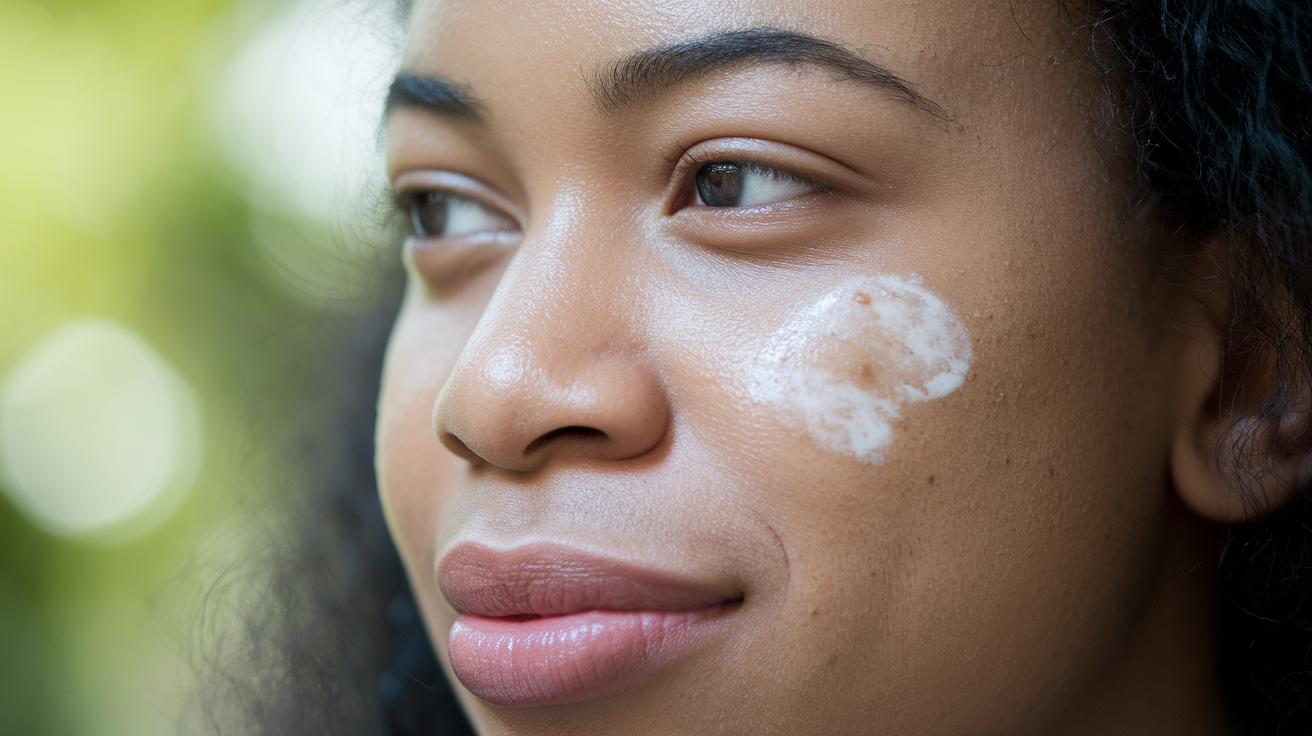

Quick take: Proven treatments can help lighten dark spots and even out your skin tone.
Dark spots may make you feel less confident when your skin looks dull or uneven. Extra pigment (extra color) can create uneven patches and a tired look. The good news is that there are several ways to help fade dark spots and bring back a natural glow.
You have lots of options. Professionals can use lasers or chemical peels to smooth your skin. There are also gentle home remedies you can try. Each method works by removing or lightening extra pigment so that your skin looks more even.
Remember, results may take a few sessions or a few weeks to show. It’s a good idea to talk with a trusted skin care provider to choose the option that fits you best.
Comprehensive Skin Discoloration Treatment Options
Quick take: Extra pigment in your skin can cause dark spots, but there are several ways to help even your tone.
If you notice any signs of skin infection, such as increasing redness, swelling, pain, or pus, seek care right away. If your dark spots come with severe irritation or an allergic reaction, contact your clinician. Otherwise, watch your skin closely and try gentle self-care steps.
Dark spots often form when your skin makes extra melanin (the pigment that gives skin its color). This can happen from too much sun, skin injuries, shifts in your hormones, acne scars, or marks left by inflammation. These issues can make your skin look uneven and less vibrant.
There are many treatment choices that target these causes and help brighten your complexion. You can choose between in-clinic treatments and everyday skincare products. Options include:
- Professional treatments like lasers, chemical peels, or microneedling
- Prescription creams with ingredients such as hydroquinone, tretinoin, or azelaic acid
- Over-the-counter products containing vitamin C, niacinamide, retinoids, or acids
- Natural home remedies using herbal brighteners and gentle exfoliants
Each option can be adjusted to suit your unique skin needs. Professional procedures might require several sessions, while home treatments can take weeks to show changes. Keep track of your progress and consult your dermatologist to create a plan that gradually fades dark spots and brightens your overall look.
Professional Procedures for Skin Discoloration Treatment
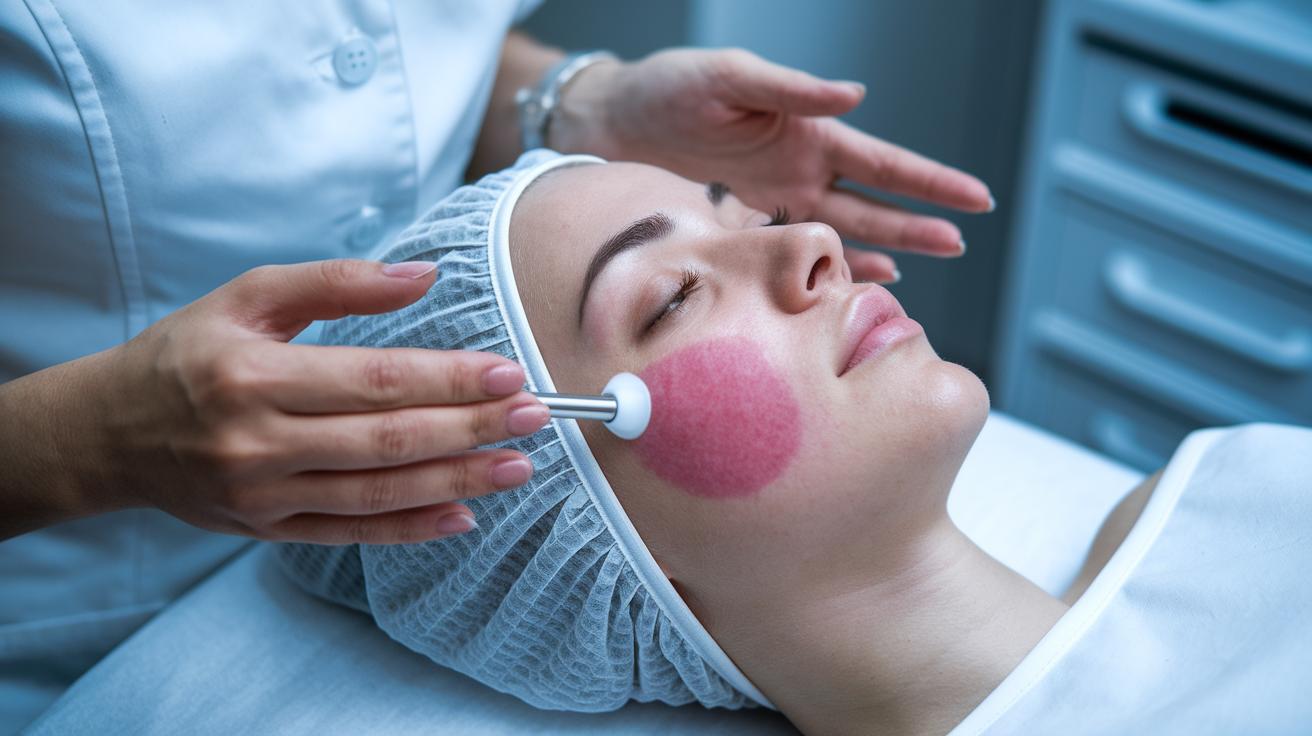
These treatments help clear dark spots and even your skin tone. They work by lowering extra pigment and boosting skin cell turnover. A board-certified dermatologist should perform these treatments to match your skin type and needs.
Chemical Peels
Chemical peels use acids like glycolic, salicylic, or alpha hydroxy acids (mild acids) to remove the damaged top skin layers. The strength can range up to 70% glycolic acid. You usually get a peel every 4 to 6 weeks. You may see some redness and peeling for a short time as new skin appears.
Laser Therapies
Laser treatments, including non-ablative lasers and intense pulsed light (IPL), carefully target pigment without hurting nearby skin. A typical plan includes 3 to 5 sessions. They offer little downtime because the settings are adjusted for your skin tone. This makes the treatment both safe and effective.
Microdermabrasion
Microdermabrasion uses a diamond tip tool to gently remove the upper layer of skin. This process smooths out dark spots and evens skin texture. Usually, 6 to 10 sessions are needed to see gradual improvements.
Microneedling
Microneedling makes tiny punctures in the skin using needles that penetrate 0.5 to 2.5 mm. This controlled process helps your skin produce collagen and allows serums like vitamin C or tranexamic acid (a skin brightener) to work better. It reduces dark spots while boosting overall skin health.
Multiple sessions may be needed for the best results. Always consult with a dermatologist to create a treatment plan that works safely for you.
Topical Treatments and Brightening Regimens in Skin Discoloration Treatment
If you want a bright, even skin tone, the right order in your skincare routine is key. Before you head out, put on a broad-spectrum sunscreen (SPF 30 or higher) at least 15 minutes early. This protects your skin from UV rays that can make dark spots worse.
Layer your active ingredients so each one works well and doesn’t irritate your skin. Give each product a few minutes to soak in before adding the next.
Here are common treatments and their usual strengths:
- Hydroquinone (2–4% prescription strength)
- Tretinoin (0.025–0.1% used at night)
- Azelaic acid (15–20% applied twice a day)
- Tranexamic acid (2–5% in a formulation)
- Vitamin C serum (10–20% L-ascorbic acid)
- Niacinamide (2–5% found in daily creams)
Some of these work best in the morning and others at night, so follow your dermatologist’s advice. Always test a small spot first to make sure you don’t get irritation. If your skin feels too sensitive, try using the products on alternate days and stick to the recommended amounts.
Most importantly, protect your skin with SPF every day. This will help stop new dark spots and support the brightening process. With steady use for 8–12 weeks, you should see improvements in your skin tone and texture.
At-Home Care and Lifestyle Practices in Skin Discoloration Treatment
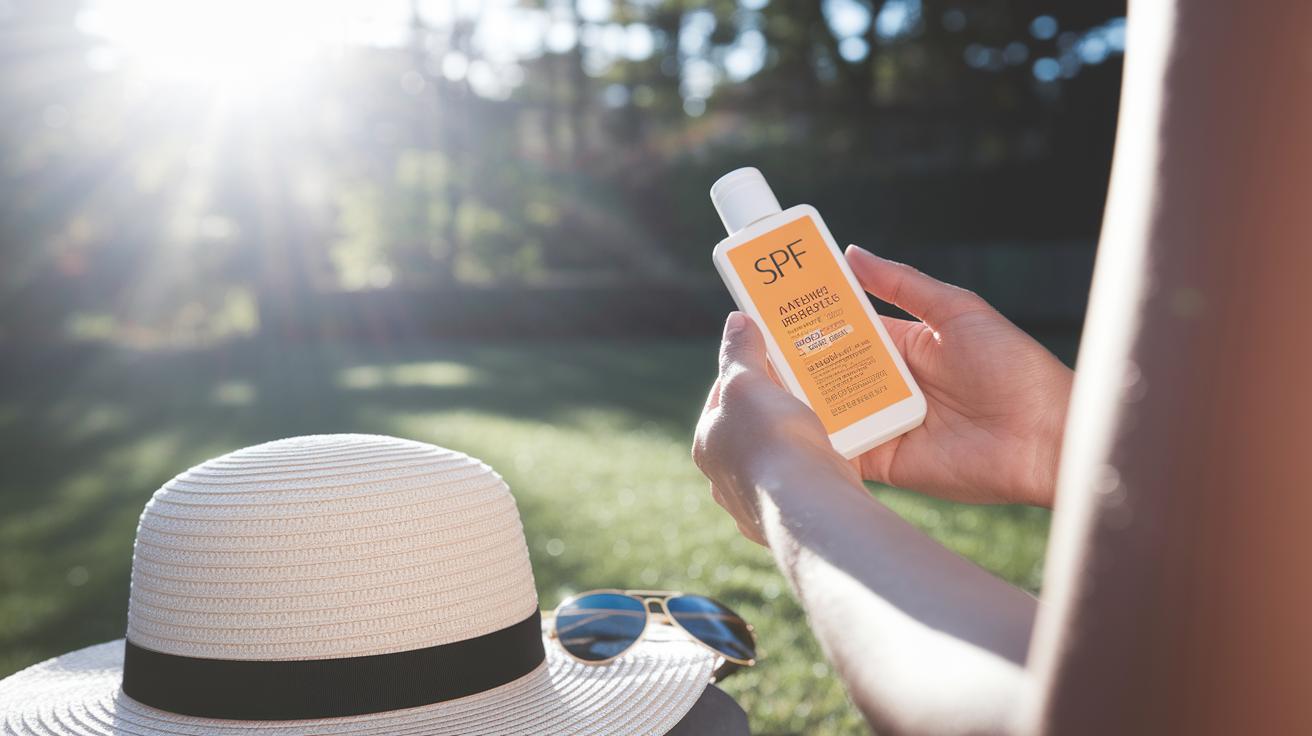
Quick take: Daily sun care and gentle skin routines help even out your skin tone.
If you notice new irritation or a sudden increase in discoloration, contact your clinician.
Start your day by protecting your skin. Apply a broad-spectrum SPF 30+ sunscreen about 15 minutes before you head outdoors. Reapply it every 2 hours, and be sure to do so after swimming or heavy sweating. When possible, wear a hat, sunglasses, and protective clothing, and try to stay in the shade. These steps help reduce extra melanin (the pigment that colors your skin) and work to keep your skin tone more even.
Boost your skin healing from the inside out. A diet rich in antioxidants, found in fruits and vegetables, can lower inflammation and support skin repair. You can also ease irritation by using natural remedies like licorice root extract and niacinamide (a form of vitamin B3) on your skin. These topical treatments help calm and brighten your skin.
Finally, add gentle exfoliation to your routine. Using a mild exfoliant with 5-10% lactic acid once or twice a week can encourage skin cell turnover. Regular, gentle care and a little patience can gradually fade dark spots and improve your skin’s overall texture.
Personalizing Your Skin Discoloration Treatment Plan
Quick Take: Customizing your treatment plan can help fade dark spots and improve your skin’s overall glow.
Triage Box:
• If you feel burning, stinging, or severe irritation at any point, stop your treatment and call your doctor.
• If your skin becomes very red or painful, seek medical advice promptly.
• Otherwise, follow your provider’s guidance and keep track of any changes.
Tailor your plan to match your skin’s needs. The right treatment can even out your skin tone and help manage dark spots. This approach is key to seeing improvement.
Melasma often needs more than one treatment to see clear results. Many people use a combination of hydroquinone (a skin lightener) and tranexamic acid (which helps reduce extra pigment). With regular, doctor-guided treatment, you should start to notice gradual lightening over several weeks.
Spots from skin injury or aging, like post-inflammatory hyperpigmentation and age spots, often improve with treatments such as chemical peels or microdermabrasion. These procedures remove old, damaged layers and encourage new skin cell growth. When you maintain a proper skincare routine under professional guidance, you might see progress after 3 to 6 sessions.
Vitiligo, which causes patches of lost pigment, needs a special approach. Treatments may include topical calcineurin inhibitors (creams that reduce inflammation) or targeted phototherapy (focused light treatment) to help restore color. For darker skin, gentle lasers and light chemical treatments can also help even out your tone while preventing new pigment issues.
Expert Insights and Real-World Results in Skin Discoloration Treatment

When you visit a board-certified dermatologist, they start by checking your skin and asking about your goals. They create a treatment plan just for you. This plan may include SilkPeel DiamondGlow Dermalinfusion (a gentle diamond tip exfoliation paired with specific serums), laser treatments, and prescription creams. Your progress is tracked with before-and-after photos over 3 to 6 months to ensure each step meets your skin needs.
Many patients report excellent results. They notice a more even skin tone and a natural glow after following their custom plans. These changes take place gradually over several months. Sticking with the treatment plan not only improves your skin’s look but also supports long-term skin health.
Final Words
in the action, we explored various approaches to managing skin discoloration treatment, from professional procedures and prescription topicals to simple at-home solutions and lifestyle changes. This guide outlined each method clearly, so you can quickly decide how to move forward with your care.
Every step centers on safety and transparency. With a tailored plan and clear guidance, you can address your concerns confidently and work with your clinician to improve your skin tone. Stay focused and positive on your path to a more even complexion.
FAQ
What types of skin discoloration are there?
The term skin discoloration refers to uneven tone changes like hyperpigmentation, dark spots, melasma, and post-inflammatory marks. It can appear on the face, body, or hands, with variations from light to dark patches.
How do topical treatment creams help address skin discoloration on the face, body, or hands?
Topical treatment creams utilize brightening actives such as vitamin C, niacinamide, and retinoids to reduce pigment buildup. They work to even out skin tone and are most effective when used daily along with proper sun protection.
How do I remove pigmentation from the face permanently?
Permanent facial pigmentation reduction usually involves professional procedures like laser therapies, chemical peels, or prescription topicals. These treatments, combined with diligent sun protection, gradually fade dark spots and restore even skin tone.
How can I fix discolored skin naturally?
Fixing discolored skin naturally can involve using herbal brighteners and mild exfoliants, such as licorice extract combined with a balanced diet and diligent sun protection. These steps may help reduce uneven pigmentation over time.
How do I get my skin color back to normal?
Restoring your normal skin color typically requires addressing the underlying cause of discoloration. A combination of clinician-recommended treatments, such as topicals or light procedures, along with regular SPF use, helps rebalance your skin tone.
What vitamin gets rid of discoloration?
Vitamin C plays a major role in reducing discoloration. It helps lighten dark spots by inhibiting melanin production and supports skin cell turnover when applied in serums or creams.
What worsens hyperpigmentation?
Hyperpigmentation can worsen when exposed to sun without protection, when inflamed by aggressive skincare, or when irritated by picking or scrubbing. Keeping a gentle routine and using sunscreen helps prevent further darkening.