


Quick take: Urgent care works quickly when clear steps guide your visit.
If you have any emergency signs like trouble breathing or chest pain, call 911 now. If you feel very sick or have severe symptoms, seek help immediately.
At most urgent care centers, you start by signing in. Soon after, you have a brief screening to check your symptoms. This process helps the care team spot any serious issues fast.
Smart check-in tools speed up your visit. They guide you from check-in through the screening without long waits. Each step is designed to help you get the care you need right away.
Keep reading to learn how these steps make urgent care efficient and reliable when it counts.
Step-by-Step Overview of the Urgent Care Triage Process
Quick take: When you arrive, the urgent care team sorts you quickly based on how serious your symptoms are.
If you have any signs of an emergency, such as trouble breathing, chest pain, or severe weakness, call emergency services right away.
When you get to urgent care, the staff immediately guides you through a fast check process. They begin by taking your basic measurements and asking about your main problem. This helps them decide if you need immediate care or if you can wait a little longer.
Here is how the process works:
- Sign in and join the line using a clipboard or digital kiosk.
- Have your vital signs checked. Staff will measure your temperature, blood pressure, height, and weight.
- Take part in a rapid screening. A team member quickly reviews your medical history and asks about your main complaint.
- Undergo a provider examination. A clinician looks at your symptoms and may order lab tests, an ECG (a test that checks your heart rhythm), give IV fluids, or call EMS if they see urgent signs.
- Get classified. Based on your information, you will be assigned a Level 1, 2, or 3 status. This tells the team how soon you will be seen.
| Triage Level | Defining Criteria | Maximum Wait Time |
|---|---|---|
| Level 1 (Emergent) | Life-threatening symptoms; needs immediate care. | 0 minutes |
| Level 2 (Urgent) | Moderate risk; some signs of concern. | 30-60 minutes |
| Level 3 (Non-urgent) | Low-risk symptoms; routine conditions. | Longer wait time |
Efficient Check-In Technologies and Operational Strategies for Intake

You can check in quickly using self-service kiosks or a mobile pre-registration app. These digital tools cut the wait and reduce errors by gathering your information ahead of time. They even use digital ID scanning and EHR pre-population (electronic health record transfer) to confirm your identity fast. This saves time and minimizes extra steps so you get seen sooner.
Automated queue management systems keep things moving smoothly. They send you SMS messages or app notifications with estimated wait times and updates on your spot in line. Virtual triage assistants and AI chatbots (computer programs that answer questions) may even review your case before you arrive, making sure that patients who need help most are seen first. This method helps prevent crowding and streamlines the process.
Clinics also track key metrics like check-in time, registration rates, and no-show numbers. This data helps staff spot any delays and fix bottlenecks right away. With these improvements, your overall experience becomes smoother and more efficient.
Advanced Clinical Assessment and Comparative Triage Scale Analysis
Major triage scales like the Emergency Severity Index (ESI), Canadian Triage and Acuity Scale (CTAS), and Australasian Triage Scale (ATS) help decide how urgent your condition is. These tools use simple rules so care teams can quickly set a risk level.
Other systems, such as the Manchester Triage System (MTS) and Pediatric CTAS (a tool made for younger patients), make sure all groups, including kids, receive proper care. Did you know many of these systems were designed to cut wait times? In some cases, CTAS is even adapted for youth, which saves both time and money.
In urgent care clinics, the methods from busy emergency rooms are adjusted for cases that aren’t as severe. They are designed to catch serious symptoms while letting less critical cases safely wait. For example, while hospitals often rely on ESI, many clinics modify CTAS or ATS to fit their patient flow and available resources. This careful comparison keeps patients managed efficiently and safely.
Today, many facilities use digital decision aids in their triage systems. These electronic tools mix proven scales with your personal data to fine-tune urgency, especially when symptoms don’t follow the usual pattern. This approach helps clinicians measure risk accurately and gives clear, reliable guidance during quick assessments.
Nurse-Led Triage Leadership and Quality Assurance in Urgent Care
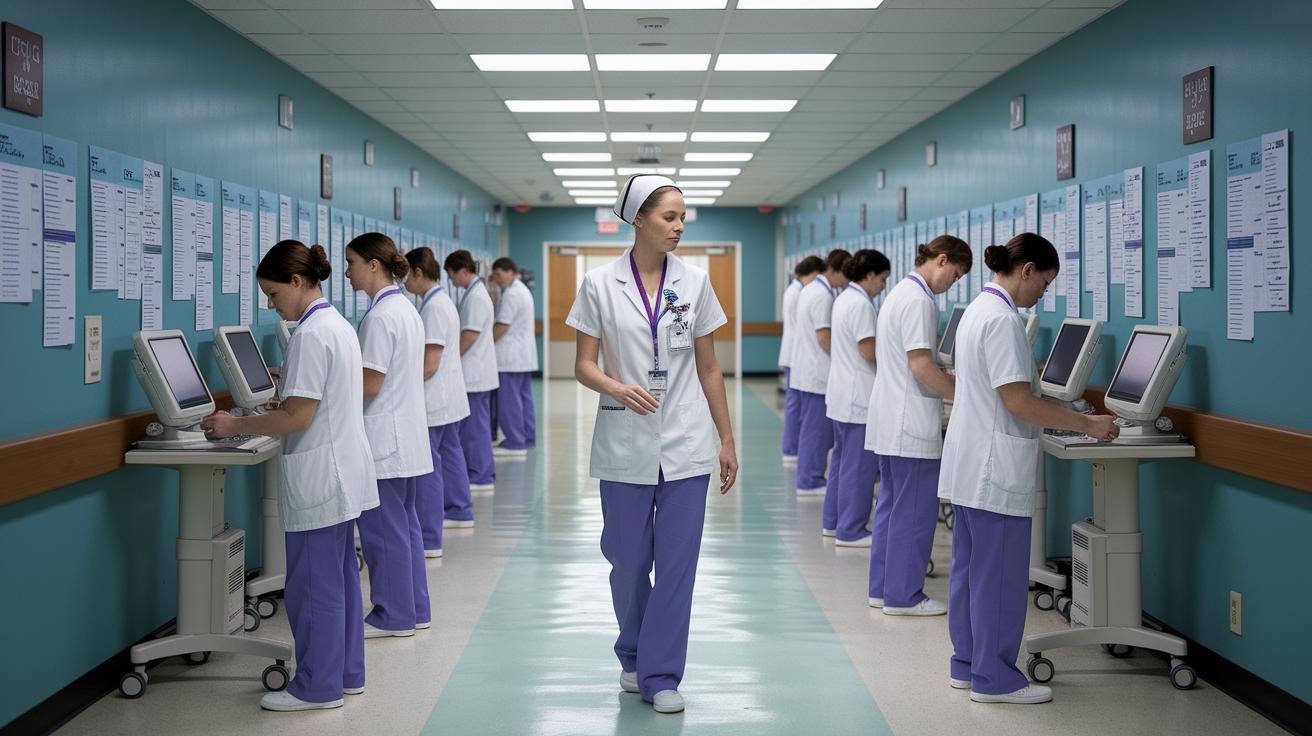
Leadership and Protocol Development
Nurses improve triage by setting clear protocols and streamlining team workflows. They lead training sessions where the team practices new protocols in real-life simulations. This ensures every step, from patient check-in to priority setting, is well planned and understood. For instance, during a practice simulation, every nurse knows their role so the team works quickly and correctly when needed.
Quality Assurance and Performance Monitoring
Nurses carefully review how well the team is doing through regular audits, peer reviews, and tracking wait times and accuracy. They use checklists to make sure every vital sign and step is recorded correctly. When performance numbers change, they adjust the process to help no patient get missed.
Communication and Patient Education Strategies
Good communication is key. Nurses ensure smooth handoffs between themselves and other providers to keep everyone updated on a patient’s condition. They also explain the triage process to patients in simple words, so you know what to expect. This clear talk helps lower anxiety and builds trust during busy times.
Best Practices and Technology Integration for Optimizing the Urgent Care Triage Process
Quick take: Smart digital tools can make urgent care faster and safer.
Tech Triage Box:
• If system errors occur, check your digital intake tools immediately.
• If telehealth pre-screening isn’t working, verify it is set up correctly.
• If performance metrics seem off, review your dashboards and alerts.
Digital intake tools and online assessments are changing how quickly and accurately symptoms are screened. Many urgent care centers now use smart systems linked to their electronic health records. These systems help you decide care fast and record details automatically. They cut down on mistakes and collect important patient information quickly. Telehealth pre-screening makes sure that patients who can be managed remotely are guided to the right care. For example, a digital triage flowchart for remote symptom checking lets clinicians give early advice and schedule appointments efficiently. This streamlined method works well to ease crowding during busy times.
Ongoing tracking of key numbers also plays a big role in making triage
Final Words
In the action from start to finish, the post explained how an organized urgent care triage process sorts patients by severity. It covered everything from sign-in and digital check-ins to nurse-led protocols and clear quality checks. We saw how patient assessments move through vital steps, ensuring safety and fairness in care. This concise breakdown leaves you better prepared for rapid symptom evaluation and confident communication with your clinician. A streamlined approach can make all the difference in managing health emergencies safely.
FAQ
What are the triage guidelines for emergency departments and where can I find detailed systems like PDFs?
Triage guidelines for emergency departments sort patients by severity using clear, systematic steps. Published PDFs usually provide step-by-step instructions to help staff quickly identify emergency cases and prioritize care.
How do you triage patients in a clinic and perform a triage assessment?
Triage in a clinic involves a quick review of vital signs, symptoms, and history. Medical assistants initially screen patients to flag urgent cases for immediate clinician attention.
What is triage in a hospital for pregnancy?
Triage for pregnancy in hospitals adapts general triage principles with special attention to maternal and fetal risks. This process highlights red flags and prioritizes timely care when maternal complications arise.
What is the medical definition of triage in a hospital?
Triage in medical terms refers to sorting patients by the severity of their condition. This method ensures that those in greatest need receive prompt evaluation and treatment.
What are the five triage levels or stages?
The five triage levels categorize patients from immediate, life-threatening emergencies (level 1) to non-urgent cases (level 5). This staging helps allocate care and determine maximum wait times for each category.
What constitutes a red flag for urgent care?
A red flag for urgent care is a serious symptom, such as sudden chest pain or severe breathing difficulty, that signifies an immediate need for evaluation rather than routine or delayed care.
What does triage mean in an urgent care setting?
Triage in urgent care means quickly assessing patient symptoms to decide treatment order. This ensures those with severe or potentially dangerous symptoms are prioritized for rapid evaluation.
Does urgent care use a triage system or operate on a first come, first served basis?
Urgent care facilities use a triage system. Patients with the most urgent symptoms are seen first, rather than following a strict first come, first served rule.