
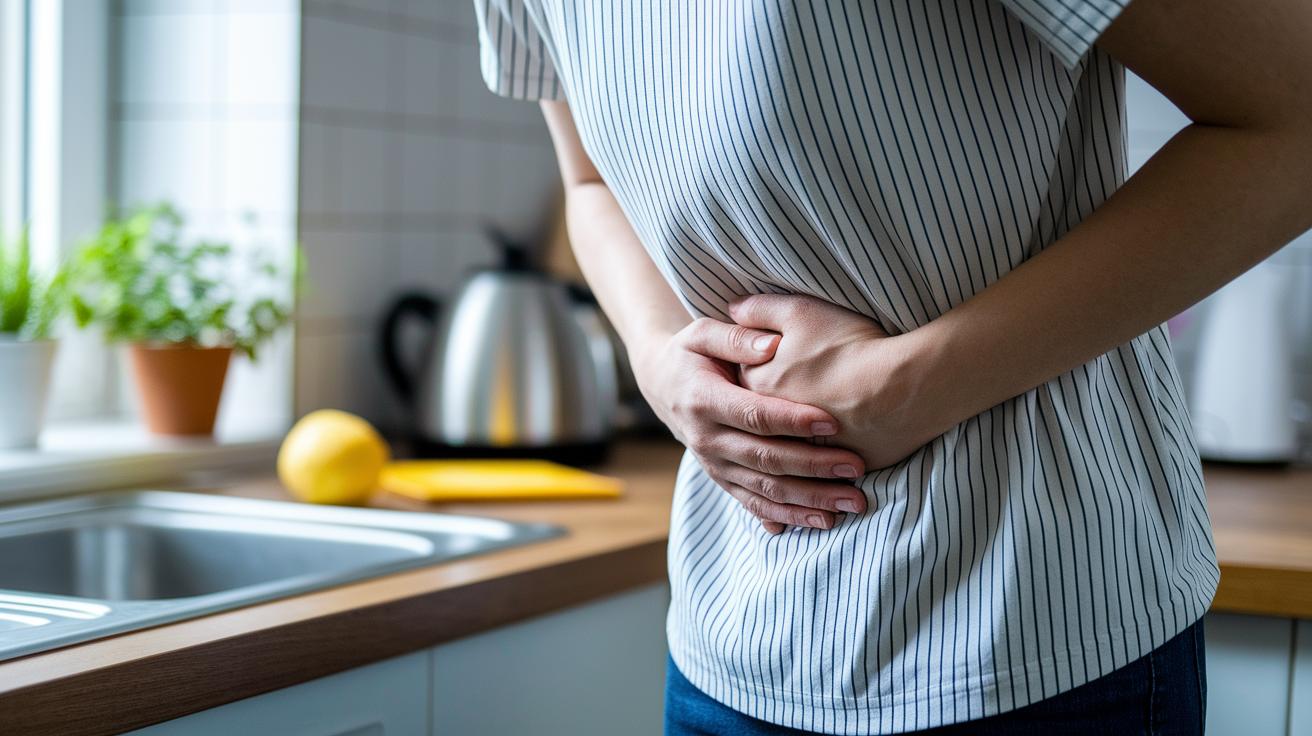

Quick take: Persistent upper belly pain may point to issues with your esophagus, liver, gallbladder, or pancreas.
If you have any of these emergency signs, call emergency services now:
• Severe chest pain or pressure
• Trouble breathing or shortness of breath
• Fainting or sudden dizziness
If the pain gets worse or you feel very unwell, seek same-day medical care.
Your pain may feel burning, aching, or cramping. It could be a sign that one of your key organs is under stress. The esophagus (the tube that carries food from your mouth to your stomach), liver, gallbladder, or pancreas can cause pain in the upper belly. That pain is your body telling you to keep track of your symptoms.
Write down when the pain happens, how long it lasts, and any other signs you notice. This information can help your doctor decide what to do next. Remember, if your symptoms worsen, don’t wait, act now.
Overview of Upper Abdominal Discomfort
Quick take: Your upper belly pain could come from many issues, and knowing the signs helps you act safely.
If you have any of these emergency signs, call emergency services now:
• Sudden, very severe pain
• Pain that spreads to your chest or back
• Trouble breathing or feeling lightheaded
If your pain lasts more than 24 to 48 hours or grows worse, seek same-day medical care. Otherwise, keep an eye on it with basic self-care.
Your upper abdomen holds key organs like your esophagus (tube that carries food), liver, gallbladder, and pancreas. Problems with these areas can cause different types of pain. For example, acid reflux (when stomach acid flows back) causes a burning feeling near the chest and upper stomach. Gallstones may trigger sharp, cramping spasms in the right upper area.
Here’s a quick checklist to help you:
| What to Watch For | What to Do |
|---|---|
| Burning, cramping, or aching pain | Monitor your symptoms and note any changes |
| Pain lasting over 24-48 hours | Contact your healthcare provider |
| Sudden severe pain with spreading or additional symptoms | Call emergency services immediately |
| Red-flag symptoms (e.g. sharp pain, pain radiating to chest) | Seek urgent care |
Some basic self-care steps include eating small meals, using a warm compress, and resting. Keep track of your pain – make a note of the time, type of pain (burning, aching, or cramping), how severe it is (mild, moderate, or severe), and any other signs you notice. This info is useful when you talk with a healthcare professional.
Your comfort matters. Don’t wait too long, especially if new red-flag signs appear. Acting quickly can help prevent complications.
Common Causes of Pain Above the Belly Button
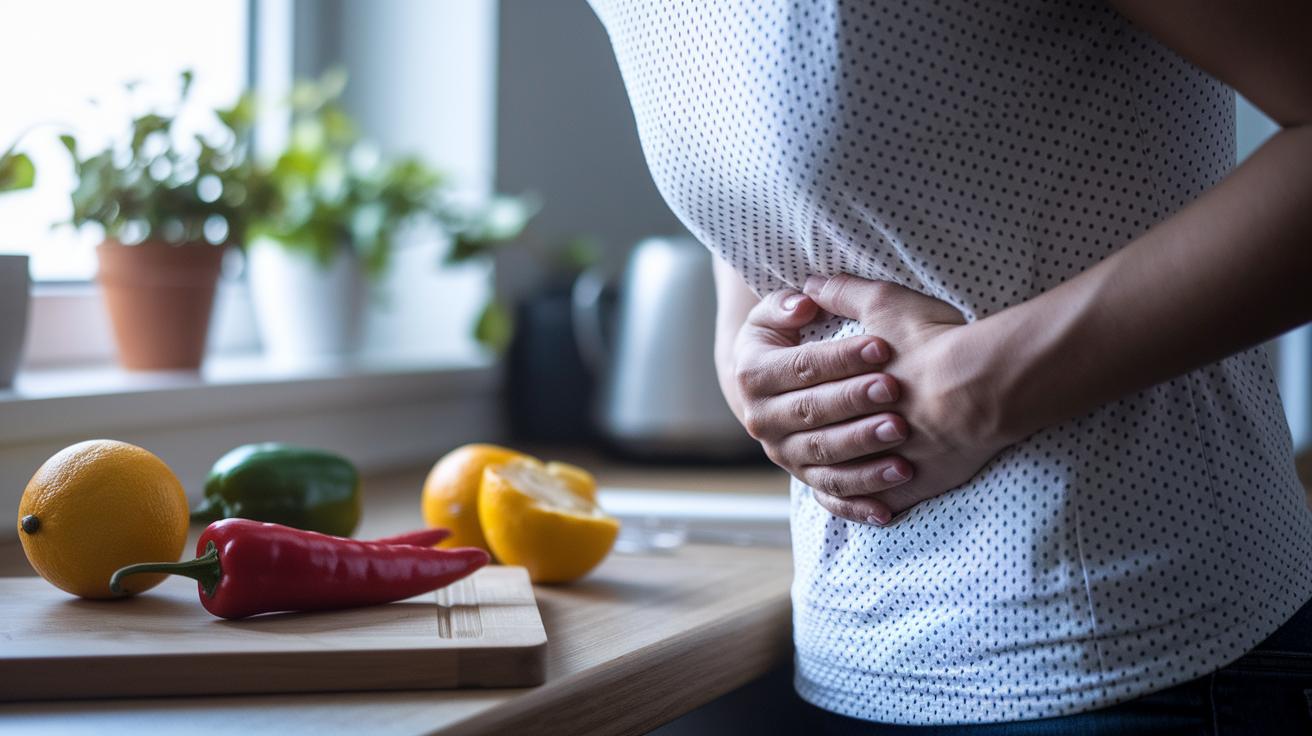
When you have pain above your belly button, it may come from different causes. Sometimes acid reflux (a burning feeling when stomach acid moves upward) is to blame, and the pain can even spread toward your chest. Other times, gastritis (irritation of the stomach lining) can cause a gnawing discomfort, especially after a spicy or acidic meal. Knowing the difference can help you and your doctor decide the best care for you.
| Cause | Trigger | Area |
|---|---|---|
| Acid reflux (GERD) | Spicy or acidic foods | Center, may spread |
| Gastritis | NSAIDs or alcohol | Upper middle |
| Gallstones | Fatty foods | Right upper side |
| Indigestion | Overeating | Central |
It can be very useful to keep a food diary. Write down what you eat, when you eat, and when the pain starts. Note how bad the pain is (mild, moderate, or severe). This simple habit can help you spot patterns and guide your doctor to more focused treatment, making it easier to reduce or prevent future pain episodes.
Recognizing Symptoms of Upper Abdominal Discomfort
Quick take: Upper abdominal discomfort can show up in different ways, so keep a close eye on your symptoms.
Triage Box:
• Call emergency services now if you have severe, constant pain that makes you dizzy or faint.
• Seek same-day care if the pain suddenly gets worse or is accompanied by intense nausea or fever.
• Monitor your symptoms at home if the pain comes and goes and is mild, but share your notes with your doctor.
When your stomach feels off, notice whether the ache is dull at times or sharp and cramping at others. It may come steadily or in waves, and these details help your healthcare provider understand what might be wrong. Clear, simple notes about any changes in your pain guide your care plan.
Pay attention to whether the discomfort feels like a steady pulse or if it occurs in intermittent cramps. Sometimes you might also feel very full after eating. Writing down what you feel is a simple and powerful way to help your clinician figure out if you have conditions such as gastritis (stomach lining irritation) or acid reflux (stomach acid backing up).
Key symptoms to track include:
- Burning or gnawing pain
- Sharp, stabbing cramps
- A pulsing pain
- Constant soreness
- Pain that comes in waves
- A feeling of fullness after eating
- Nausea alongside the pain
When to Seek Urgent Medical Help for Upper Abdominal Discomfort

Quick take: Sudden upper belly pain with these warning signs means you need help now.
If you have any of these emergency signs, call emergency services immediately:
- Sudden, strong stabbing pain
- Pain spreading to your back or shoulder
- A high fever with chills
- Ongoing vomiting or retching
- Chest pressure with sweating
These symptoms can signal a serious problem. Act fast and get urgent care if you notice any of them.
Diagnostic Techniques for Evaluating Upper Abdominal Discomfort
Ultrasound
Ultrasound uses sound waves to make pictures of your upper belly. This safe test does not cut or hurt you. It can show gallstones, liver problems, or fluid build-up. You may be asked to fast for a few hours before the test so your images are clearer. The exam is fast and gentle, giving your doctor important clues for further care.
Endoscopy
Endoscopy means a doctor uses a thin, flexible tube with a small camera to view your esophagus, stomach lining, and the start of your small intestine (duodenum). You usually get light sedation to help you relax during the exam. The doctor carefully guides the tube through your mouth and throat. If something looks abnormal, a small tissue sample may be taken for a closer check, which helps spot ulcers or inflammation.
Laboratory Tests
Lab tests check your blood for important markers to support the images. Blood tests may include amylase and lipase to look at your pancreas and liver enzymes to check for hepatitis. Tests for H. pylori antibodies can also find an infection that may cause stomach inflammation. These results work together with imaging tests to help shape your treatment plan.
Home Relief and Quick Remedies for Epigastric Ache

Quick take: Self-care steps at home can ease your upper stomach pain; call for help if your pain worsens or you notice warning signs.
Triage Box:
If you have any of these signs, call emergency services now:
- Sharp, severe pain that does not go away
- Fever, chills, or persistent vomiting
- Dizziness or fainting
It’s normal to feel uneasy when you have stomach pain. Simple home care techniques can lower pressure on your stomach and help relax tense muscles. They might not make the pain vanish completely, but they often offer enough relief to help you feel better during the day while you monitor any changes.
Small changes can give you more control over your health. Adjusting your eating habits and trying gentle natural remedies can reduce pressure in your stomach and ease irritation. Many people find that these daily steps lead to fewer flare-ups and a more comfortable digestive routine. This safe, at-home approach supports your body as you work toward feeling better.
Here are some simple steps you can try:
- Eat 5-6 small meals throughout the day.
- Sip peppermint or chamomile tea.
- Chew ginger or take ginger supplements.
- Use antacids as directed.
- Apply a warm compress over the upper stomach.
- Enjoy slow, gentle walks after meals.
- Perform a light, circular abdominal massage.
- Practice deep breathing to help reduce tension.
Lifestyle Changes to Prevent Recurring Upper Abdominal Discomfort
Quick take: Some simple lifestyle changes may ease your upper belly pain. Follow these steps, and if your symptoms worsen, get help right away.
If you have any of these emergency signs, call emergency services now:
- Severe or worsening pain
- Vomiting that looks like blood
- High fever (over 102°F)
- Inability to keep liquids down
Urgent: See your doctor today if you experience persistent pain (3 days or more) or new troubling symptoms.
Self-care steps for now:
- Adjust your meals
- Stay well hydrated
- Use stress reduction techniques
- Keep track of your symptoms
Eating and Hydration Steps:
Healthy eating and plenty of water can ease your stomach pain. Try to eat small meals every 4-5 hours. Notice if spicy, fatty, or acidic foods make you feel worse and skip them. A food diary can help you spot patterns. Aim for 8-10 cups of water daily. This helps your digestion and flushes out irritants.
Stress Management:
Stress can upset your gut. Simple exercises like yoga, meditation, or deep breathing can ease your discomfort. When you’re stressed, your stomach may hurt more. Spending a few quiet minutes each day can help lower the tension in your upper belly.
Exercise and Routine:
Regular exercise and keeping a steady meal schedule are key. Activities like brisk walking or light cycling boost your gut movement and help reduce pain. Eating at the same times every day also keeps your digestion steady. Write down what you eat, your exercise, and how you feel afterward. This can help you adjust your routine to better manage your symptoms.
Final Words
In the action, we explored different pain sensations and the organs in the upper abdomen. We touched on typical causes, red flags, diagnostic techniques, home remedies, and lifestyle changes to ease upper abdominal discomfort.
Use this guide to help you decide when to monitor symptoms or seek care. Note any worrying signs and share them with your clinician. Stay calm and take practical steps toward feeling better.
FAQ
How to relieve upper stomach pain immediately, including bloating and overall discomfort?
The question on relieving upper stomach pain immediately suggests using a warm compress, sipping water, taking antacids, and trying gentle walking to ease bloating and discomfort. These methods often reduce temporary pain.
What does it mean when you experience pain in the upper stomach—under the breasts or above the belly button—in women?
The question on pain in these areas indicates that discomfort may originate from organs like the esophagus, stomach, gallbladder, or pancreas. Such pain can be burning, cramping, or sharp, so track symptoms carefully and consult if it worsens.
How does upper stomach pain that comes and goes in waves affect you?
The question on wave-like upper stomach pain highlights that intermittent discomfort may point to indigestion or acid reflux. Noting the pattern and triggers is useful, and if episodes become severe or persistent, seek medical guidance.
What causes discomfort in the upper abdomen or why does the stomach feel uncomfortable at the top?
The question on upper abdominal discomfort indicates that causes include acid reflux (burning pain), gastritis (gnawing pain), or gallstones (sharp spasms). Identifying food triggers and timing can help manage and assess your symptoms.
What are the red flags for upper abdominal pain that require immediate care?
The question about red flags for upper abdominal pain warns that sudden severe stabbing pain, radiation to the back or shoulder, high fever, persistent vomiting, or chest pressure with sweating merit immediate medical evaluation.