


Quick take: If your tummy hurts from indigestion, cramps, or stress, natural remedies like peppermint tea, ginger, and gentle heat may help. But if your pain worsens, seek help.
Tummy pain can sneak up from simple causes. It might begin with discomfort from a heavy meal, muscle cramps in your belly, or even stress that builds up. Sometimes it feels mild, and home remedies can soothe it.
Here are some steps you can try at home:
- Drink a warm cup of peppermint tea to relax your stomach muscles.
- Sip ginger tea or chew a tiny piece of fresh ginger to calm any swelling.
- Apply a warm pack gently over your belly to ease the pain.
Keep track of your symptoms. Write down when the pain starts, how strong it feels, and if you notice other signs like fever or lightheadedness. If you see any new or dangerous symptoms, call your doctor right away.
These simple techniques can help you feel better safely and naturally without reaching for pills.
Top Natural Remedies to Relieve Abdominal Pain
Quick take: Mild tummy pain may be due to simple indigestion, cramps, or stress, and you can try natural steps first.
Triage:
If you have any of these emergency signs, call emergency services now: severe pain, a fever over 101°F, bloody stool, or constant vomiting. If your pain lasts more than 3 days, get help from a doctor.
Abdominal pain can feel like a dull ache, sharp cramp, or bloating between your chest and pelvis. It can come from gas, indigestion, or tension. Natural remedies offer a gentle way to ease the discomfort without rushing to medication.
Here are some simple steps you can try:
- Peppermint tea: Steep one tea bag in hot water for about 5 minutes. This can help reduce gas and bloating.
- Ginger: Use 1 teaspoon of freshly grated ginger in hot water or add it to meals. It may lower inflammation and help your digestion.
- Heat therapy: Place a warm, wrapped heating pad on your lower belly for 15 to 20 minutes to relax tense muscles.
- Avoid trigger foods: Stay away from spicy or greasy meals that can upset your stomach. Instead, opt for bland, easy-to-digest foods.
- Stay hydrated: Drink water throughout the day. Aim for about 8 cups to boost digestion and prevent cramps.
- Gentle movement: Take a light walk after eating to help your body digest food and reduce discomfort.
If you try these remedies and your symptoms do not improve or get worse, please see a doctor. Your health matters, so keep an eye on your pain and act if needed.
Herbal Treatments for Abdominal Discomfort
Quick take: For mild belly discomfort, these herbal tips may help soothe your stomach.
Triage Box – What to Do Now:
• If your pain is severe, you have a fever higher than 102°F, or you are vomiting repeatedly, seek medical care immediately.
• For mild symptoms, try these natural remedies while keeping track of any changes.
Ginger
Ginger may ease cramping and speed up digestion by reducing inflammation (swelling). To use, steep 1 teaspoon of freshly grated ginger in 1 cup of hot water. Sip slowly for warmth and relief. Remember, too much ginger can cause mild heartburn.
Peppermint Tea
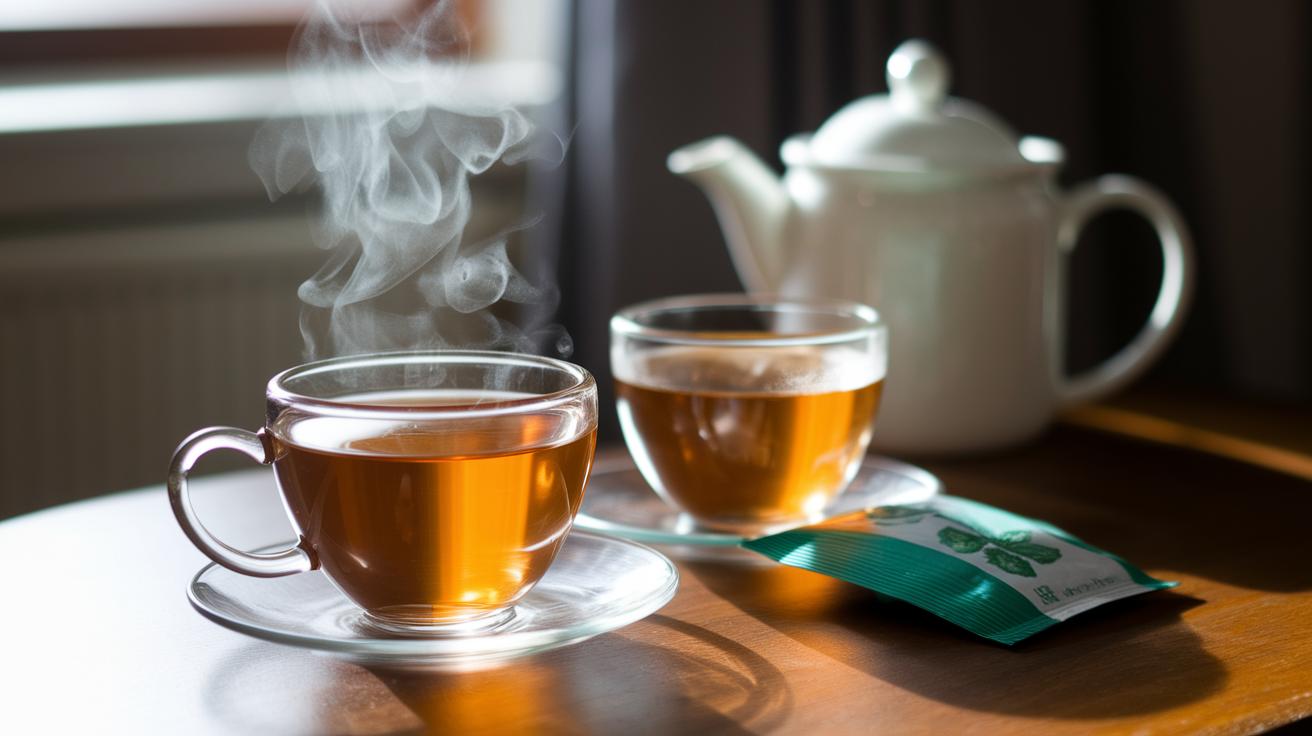
Peppermint tea helps relax your stomach muscles to ease spasms and gas. Steep one tea bag in hot water for about 5 minutes. Then, drink it slowly, especially after meals when you feel cramping.
Chamomile Tea
Chamomile tea can calm your stomach lining and reduce bloating with its anti-inflammatory effect. Enjoy a warm cup to soothe discomfort; it usually has a gentle taste and is kind on the stomach.
Essential Oils
Aromatherapy with a few drops of essential oils such as peppermint, ginger, lavender, or cinnamon may also ease everyday digestive tension. Always dilute these oils in a carrier oil before using on the skin or in a diffuser to prevent irritation.
Keep a simple diary of your symptoms, including what you tried and how you felt. If your symptoms worsen or don’t get better in a few days, follow up with your healthcare provider.
Dietary Adjustments for Natural Abdominal Pain Relief
Food can help ease your belly pain and support your gut. Smart choices may reduce gas, ease constipation, and keep your digestion on track.
• Add more fiber. Eat fruits and veggies like apples, pears, broccoli, and carrots. Fiber helps you have regular bowel movements and can ease pain from constipation.
• Use the BRAT diet (bananas, rice, applesauce, toast) if you have diarrhea. These low-fiber foods help firm up your stools and soothe an upset stomach.
• Mix 1 Tbsp apple cider vinegar with 1 cup warm water after meals. This blend may ease gas and indigestion. Remember, never drink apple cider vinegar by itself.
• Stay well-hydrated. Drink water or electrolyte drinks all day. Proper hydration helps flush out toxins and aids digestion.
• Include probiotic-rich foods like yogurt or kefir in your meals. Probiotics (good bacteria) help balance your gut and support smooth digestion.
• Avoid processed or very spicy foods. These can cause inflammation and worsen your gut pain. Instead, pick natural ingredients that are gentle on your stomach.
Everyone’s body is unique, so pay attention to how you feel after eating different foods. Try these ideas gradually and note what helps you feel better.
Heat and Home Techniques to Ease Belly Cramps

Quick take: Gentle heat and movement can help relax your belly muscles, but call for urgent care if certain red flags appear.
Triage Box:
If you have any of these emergency signs, call emergency services now:
- Severe, worsening pain
- Fever higher than 102°F (39°C)
- Persistent vomiting or blood in your stool
Try these home steps to ease your cramps:
• Apply heat: Use a heating pad or hot water bottle wrapped in a towel for 15–20 minutes to ease muscle tightness.
• Move gently: A slow walk or a few simple yoga poses can boost circulation without straining your belly.
• Enjoy a warm bath: Soak in water at a comfortable temperature to help relax tight muscles. Avoid water that’s too hot as it might irritate your skin.
• Self-massage: Use your fingertips to make small, circular motions around your belly button. Press lightly and stop if the pain gets worse.
Natural Strategies to Prevent and Manage Gas and Bloating
Quick take: Gas and bloating can often be eased with herbal teas, mindful food choices, and gentle movement.
Triage:
If you have any of these emergency signs, call emergency services now:
- Severe, sharp stomach pain
- Difficulty breathing or chest pain
- High fever or persistent vomiting
Herbal Teas:
Herbal teas like peppermint and chamomile help relax your gut muscles so gas can pass easier. Ginger tea and fennel seed tea reduce inflammation and support the enzymes that break down food. For example, steep 1 teaspoon of fennel seeds in hot water for 10 minutes to help your digestion run smoother.
Food Choices:
Some foods, such as beans and cruciferous vegetables, have ingredients that feed gut bacteria and produce gas. Try these steps:
- Keep a food diary to track which foods trigger your symptoms.
- Swap high-gas foods for low-FODMAP options like steamed carrots or lean proteins.
- Reintroduce foods slowly to see how your body reacts.
Movement and Posture:
Good posture and gentle movement can help gas move through your system naturally. Instead of lying down after meals, sit upright or take a brisk 5-minute walk. You can also gently massage your abdomen in circles or perform a seated twist to encourage gas release. One study found that combining an upright position with slow walking after meals reduced belly pressure within 20 minutes.
Recognizing Red Flags and When to Seek Medical Care for Abdominal Pain

Quick take: Abdominal pain with certain warning signs needs same-day medical care.
If you notice any of these signs, act now:
• Pain lasting more than 48 to 72 hours
• A fever over 101°F
• Ongoing vomiting
• Blood in your stool
• Unplanned weight loss
These symptoms may mean your condition could worsen quickly. Waiting too long or using only home care might delay the proper tests and treatment you need.
Find help at urgent care centers like Metro Urgent Care, where labs and imaging are available on site. If any red flags persist, see a healthcare provider today.
Lifestyle Habits for Long-Term Digestive Health
Daily habits do more for your gut than just drinking water and eating well. Stress can hurt your stomach over time. Try taking slow, deep breaths and doing meditation. Keep a simple journal where you rate your stress each night from 1 to 10. This helps you see improvement in a few weeks.
Good sleep is key to a healthy gut. Aim for 7 to 9 hours every night and set a calming bedtime routine. Do something quiet like reading or listening to soft music before sleep to help your body relax.
A little daily movement can ease tummy discomfort. A brisk walk or gentle stretching may help move food through your gut. Follow your exercise with a few minutes of guided meditation to relax both your body and mind.
| Tip | Example |
|---|---|
| Manage Stress | Deep breathing, meditation, stress journal |
| Improve Sleep | Set a calming routine, aim for 7-9 hours |
| Get Active | Brisk walk, gentle stretching |
Pregnancy-Safe Natural Remedies for Lower Abdominal Discomfort
Quick take: For mild lower belly discomfort during pregnancy, try these natural remedies while staying alert for any serious symptoms.
If you experience any of these emergency signs, call emergency services now:
• Heavy bleeding or severe pain
• High fever (over 100.4°F) or chills
• Dizziness or fainting
• Sudden changes in your pregnancy symptoms
Always talk with your healthcare provider before trying a new remedy to ensure safety for both you and your baby.
Ginger tea can help ease mild cramps and nausea in early pregnancy. To make it, steep 1 teaspoon of freshly grated ginger in hot water for 5 minutes. Sip slowly, and if you feel any discomfort, stop immediately.
Chamomile tea is another gentle option. Its natural anti-inflammatory effects can calm an upset stomach and lessen mild aches. Enjoy a warm cup to help soothe your digestion and reduce stress. Remember to drink extra water or clear broths to stay well-hydrated.
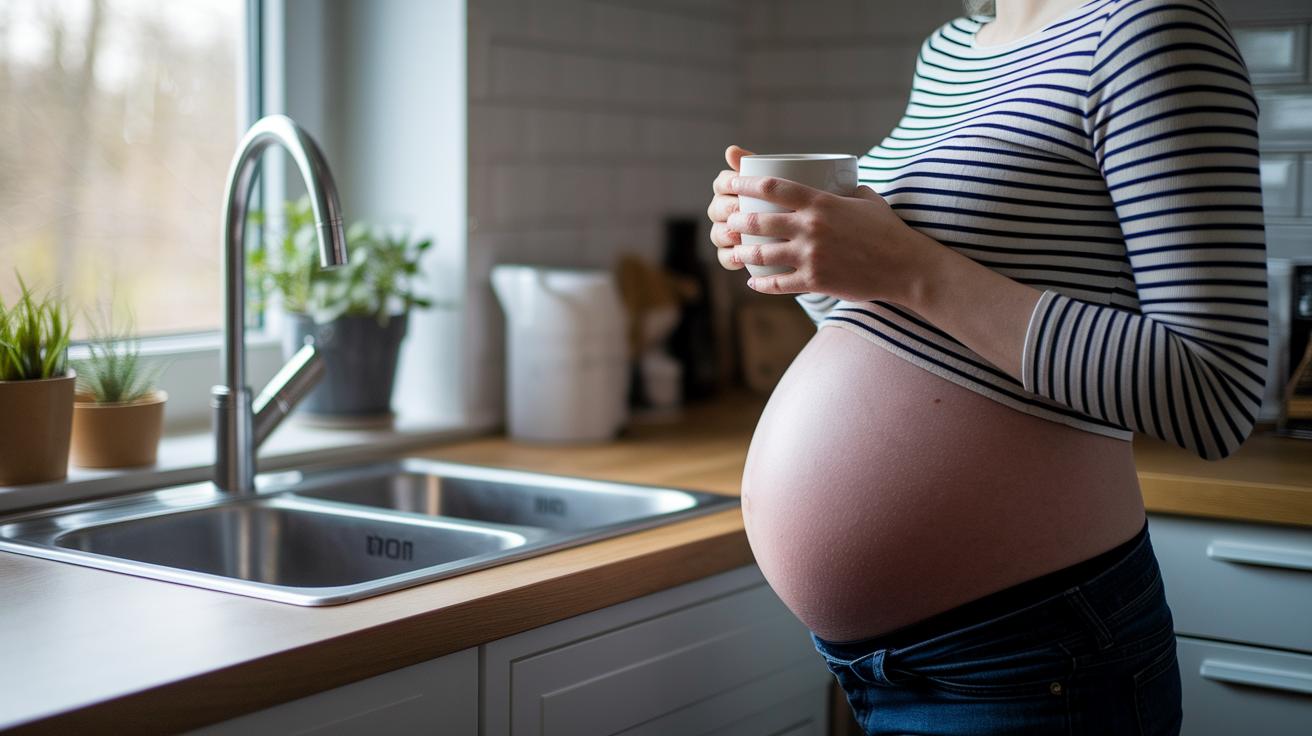
Using a warm compress can also relax your lower abdominal muscles. Wrap a warm heating pad or cloth and place it on your belly for 10 to 15 minutes. This simple step can ease tension and help you feel more comfortable during your pregnancy.
Final Words
In the action of relieving tummy aches, our guide showed simple home tips, from peppermint and ginger teas to warm compress and mindful eating. We broke down ways to ease cramps, manage gas, and adjust diets for better digestion. Each step helps narrow what might work best before seeking more care. We also touched on safe practices during pregnancy and lifestyle changes that support long-term comfort. Keep exploring natural remedies for abdominal pain with these clear, actionable tips, and take charge of your well-being with a positive attitude.
FAQ
How do you get rid of abdominal pain naturally?
Getting rid of abdominal pain naturally involves using remedies such as peppermint tea, ginger, heat therapy, and gentle movement to ease cramps and reduce discomfort. These methods work without medications.
What’s the best thing to drink for abdominal pain?
The best drink for abdominal pain is peppermint tea because it relaxes stomach muscles, reduces gas, and soothes cramping. Sipping it slowly can provide calming relief.
What is the best herb for stomach pain?
The best herb for stomach pain is ginger. Its anti-inflammatory properties help ease cramps and speed up digestion, making it effective when brewed as tea or added to meals.
How to treat upper abdominal pain in pregnancy?
Treating upper abdominal pain during pregnancy safely means using gentle remedies like ginger tea, a warm compress wrapped in cloth for 10–15 minutes, and maintaining hydration, while consulting your healthcare provider.