
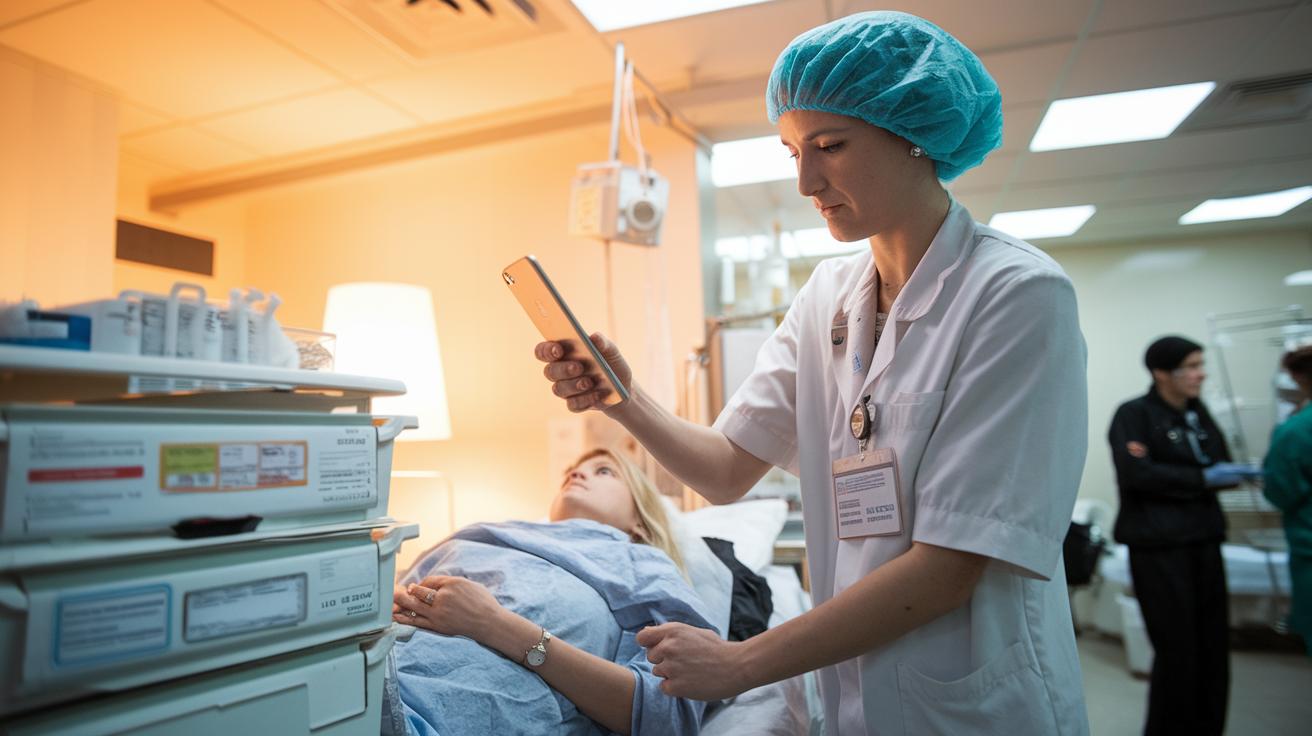

Quick take: Triage is a fast system that helps doctors decide who needs help immediately.
When you get to an emergency room, doctors quickly check your condition. They look for signs like difficulty breathing, chest pain, or heavy bleeding. If you show any of these, you get treated first. Patients with less severe symptoms can safely wait. This simple but vital process ensures that life-saving care reaches the most urgent cases without delay.
Understanding triage can help you know what to expect in a busy emergency room and why every second counts when it comes to saving lives.
Medical Triage Definition: What It Means in Emergency Care
Quick take: Triage sorts patients by how urgently they need care so that those in real danger get help first.
Triage is a way to quickly sort patients based on their need for care. The word comes from the French trier (to sort). In emergencies, it makes sure that life-threatening issues get immediate attention.
In practice, triage places patients into groups that show how fast they should be treated. Common groups include:
- Immediate: For patients who need urgent care to avoid severe harm or death.
- Delayed: For patients in stable condition who can safely wait a bit.
- Minor: For patients with small injuries or illnesses needing only simple care.
Think of triage as a quick snapshot of a patient’s condition. For example, someone who struggles to breathe is seen before someone with a minor cut. This clear system helps doctors and nurses focus on those who need help most.
This process not only saves lives through rapid care but also streamlines work in busy emergency rooms. It helps clinicians make quick decisions while still checking patients in detail when needed.
For more details on managing emergencies, visit: https://thequickesttips.com?p=1337
Historical Evolution of Medical Triage Protocols

Triage started in ancient times. It first appears in texts from 17th century BCE Egypt. Triage means sorting patients by how urgent their problems are. The word comes from the French term trier, which means to sort. As trade and warfare grew over centuries, people learned that quick decisions about care were needed.
In the early 1800s during the Napoleonic Wars, a surgeon named Dominique Jean Larrey developed clear methods for sorting injured soldiers. He grouped patients by the severity of their injuries and by their chance of survival. For example, he would say, "Sort the injured quickly so the worst cases get immediate care while others can wait." His method set the stage for modern emergency triage.
Later, systems emerged that divided patients into three groups: immediate, delayed, and minor. Major organizations, like the World Health Organization and the American College of Surgeons, refined these approaches. They introduced structured procedures based on scientific methods to assess patients. Today these techniques guide mass casualty plans and standard triage protocols. They help ensure that care is evidence-based and that resources are used wisely in times of crisis.
Three-Category System and Color Coding in Emergency Triage
This system uses simple colors to show who needs help right away. Patients are tagged red for immediate treatment, yellow for delayed help, and green for minor issues. Black is sometimes used for patients who have passed away. These tags let anyone see how urgent a case is in just one glance. For example, if someone is having trouble breathing, they get a red tag because they need help quickly.
Nurses start by checking each patient using the ABCDE method: airway (open breathing passage), breathing (air flow), circulation (blood flow), disability (mental status), and exposure (full body check for injuries). They look at vital signs (like pulse and breathing rate), watch for changes in alertness, and note physical symptoms. One nurse explained, "I checked her breathing and pulse within 30 seconds and marked her as red." Quick checks like this help nurses decide which color tag fits best and speed up care.
Modern emergency systems add more details using numbers like heart rate and blood pressure. This helps tell the difference between similar symptoms and makes sure no one misses urgent treatment. Key steps include:
- Measure vital signs carefully.
- Watch for changes in how a person feels and acts.
- Tell the team right away if the patient’s condition changes.
Using these color tags tells everyone, from first responders to hospital staff, how serious the case is at a glance. The clear, simple system keeps things organized, even when there are many patients waiting for help.
Hospital Patient Sorting: Triage Workflow and Nurse Responsibilities

Our nurses now use an improved process to make care faster and safer. They enter patient details directly into the electronic health record (EHR) using tablets, so information is updated in real time. One nurse explained, "In our busy ED, I update the EHR immediately after my primary survey to reduce paperwork delays."
New guidelines like the Emergency Severity Index (ESI) are built into every step. Nurses add reassessment notes if a patient’s condition changes. They note the time, list any symptom changes, and record what treatments were given. This careful record keeping helps with quality control and later reviews.
Key steps in the process include:
- Enter all findings into the EHR right after the initial check.
- Record detailed reassessment data at set time intervals.
- Summarize important changes in the patient’s status in the EHR before handing off care to a doctor.
- Review documentation for accuracy, even when things move fast.
During peak times, nurses use the system to sort patients by their ESI scores. For instance, one nurse noted, "I flagged a patient with worsening breathing on the EHR dashboard, so the doctor could review it immediately." This method ensures that even when it’s busy, vital details are not missed before a specialist sees the patient.
Disaster and Mass Casualty Triage Guidelines
Quick take: Triage methods like START and SALT help responders quickly decide who needs help most during a disaster.
Triage Box:
• Emergency: If someone is not breathing or unresponsive, call emergency services.
• Urgent: If breathing is weak or mental response is poor, they need fast care.
• Minor: Stable patients with small injuries may wait.
• No signs: Patients with no signs of life get a black tag.
In large-scale events, teams follow simple steps. They start with START, which means checking breathing, pulse (circulation), and mental status in about 60 seconds. For example, a responder quickly checks if you are breathing and alert, then gives a color tag to show how quickly you need help.
SALT builds on this by adding lifesaving steps during sorting. With SALT, patients get color tags:
| Tag | Meaning |
|---|---|
| Red | Immediate care needed |
| Yellow | Can wait a short time |
| Green | Minor injuries |
| Black | No signs of life |
Sorting patients by risk is at the heart of these guidelines. By spotting who needs help first, teams use available resources wisely and save more lives. Every step, from checking vital signs to assigning the right tag, is a quick decision that can make all the difference in a crisis.
Remote Medical Triage: Phone and Digital Standards

Quick take: Phone and digital triage use clear questions and smart tools to decide your care fast.
When you call a nurse hotline, they ask simple, direct questions about your symptoms, like if you have chest pain or trouble breathing. Digital systems work similarly. They use computer programs that check your health records and sort cases by risk.
The process gathers your symptom details, checks how serious your situation might be, and gives you clear next steps. You might be told to take care at home, see your doctor soon, or head straight to the emergency room. This method cuts down on unnecessary ER visits while keeping care consistent.
Digital nurse checks show that using set procedures keeps patient care safe and steady. These systems make it easy to track any changes in your condition. For example, a digital tool can quickly flag new or worsening symptoms, saving critical time when it matters most. Overall, remote triage helps speed up care, makes decisions more consistent, and uses resources wisely every day.
Advanced Techniques and Technology in Medical Triage
New technology is helping clinicians sort patients faster and more safely. Machine-learning models now check key signals like heart rate, blood pressure, and oxygen levels. These systems can warn care teams early if a patient's condition might worsen.
Wearable sensors keep track of your health continuously, even if you are not in a hospital. They send live data to tools that are part of digital health records. This helps clinicians sort patients using the latest information. Mobile apps also use smart sorting when first responders arrive, so they know which cases need immediate help.
Predictive analytics combine current and past health data to forecast when patient numbers might surge. With this information, hospitals can plan better, adjust staffing, and use their resources wisely, ensuring that help is available when needed. Telemedicine platforms allow specialists to review cases from afar and give advice on urgent care.
Together, these tools give health professionals a clear picture of a patient’s condition in real time. By matching smart algorithms with constant digital monitoring, patient sorting becomes quicker and safer in everyday emergencies and large-scale events.
Final Words
In the action, you saw how rapid patient sorting by urgency sets the stage for saving lives. The blog explored triage definition medical, how nurses assess symptoms, and how color coding simplifies decisions from hospital EDs to digital platforms. It also touched on disaster protocols and advanced tech in triage processes. This step-by-step view helps anyone grasp how emergency care prioritizes treatment. Stay informed and act wisely, every step is designed to keep patients safe and well.
FAQ
Frequently Asked Questions
What is the medical definition of triage in nursing and emergency care?
The term triage means sorting patients based on how urgent their needs are. It is a system used by nurses and clinicians to decide which patients need immediate attention and which can wait.
What does triage mean in an emergency setting?
Triage in an emergency means quickly assessing patients to determine the order of treatment based on the severity of their condition, ensuring those with life-threatening issues are treated first.
What are the different types and levels of triage used in hospitals?
Triage systems include a three-category model (immediate, delayed, minor) often color-coded, and some hospitals use a 5-level method to refine urgency, which helps prioritize patients effectively at the emergency department.
What is meant by a triage room in a hospital?
A triage room is where patients are initially assessed upon arrival. In this space, nurses quickly check vital signs and symptoms to decide the order of treatment for those seeking medical care.
What is an example of how triage works in practice?
An example of triage is when an emergency nurse evaluates multiple patients arriving at the ED, assigning a color code or priority level to each based on the severity of injuries or symptoms to manage treatment order efficiently.
Does triage mean that a patient’s condition is automatically considered urgent?
Triage does not mean every patient is urgent. It is a sorting process that determines relative urgency, ensuring that patients with the most serious conditions receive prompt care while others are monitored or treated later.