
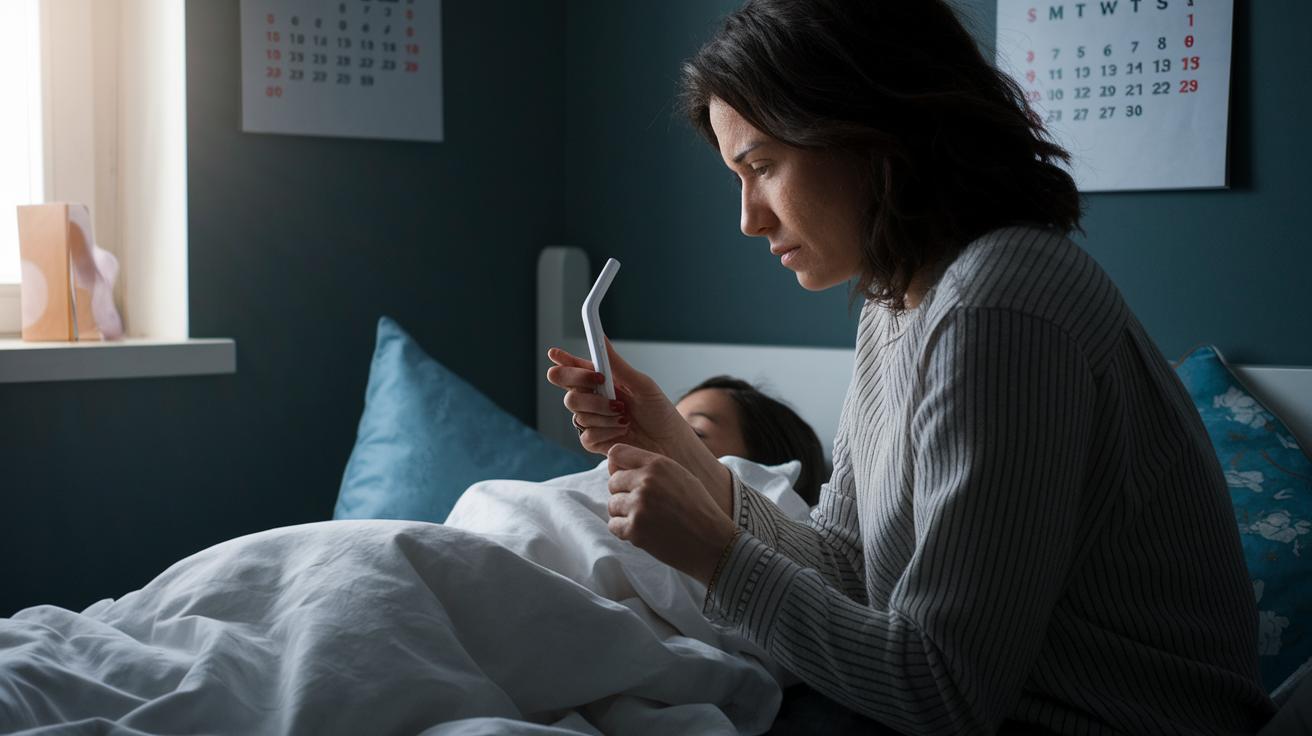

Quick take: A fever can be a simple sign of a cold or a signal to act quickly if it gets too high.
If you have any of these emergency signs, call emergency services now:
• Fever over 104 F (40 C)
• Severe headache or confusion
• Difficulty breathing or chest pain
• Seizures or sudden stiff neck
A mild fever may mean your body is fighting off a cold. But if your fever stays high or you feel much worse, it could be a sign of something more serious. This guide shows you the temperature ranges to watch and when to take action. We explain what each reading means so you can track your fever and decide whether to rest at home or seek care.
It’s normal to feel worried when you have a fever. Remember to watch for red flags and check your temperature regularly. Take note of how long the fever lasts, any discomfort you experience, and if new symptoms develop.
Stay safe and take charge of your health by keeping a close eye on your fever and acting quickly if you notice any severe changes.
Symptom Index for Fever: Key Thresholds and Care Triggers
Quick take: Monitor your temperature closely. A normal reading means all is well, but high readings with red-flag signs need immediate action.
Your normal body temperature is between 97.7°F and 99.5°F. If you’re in this range, your body is working as expected, and no extra care is needed.
When your temperature rises to between 100.4°F and 102.2°F, you have a low-grade fever. This usually means your body is fighting a mild infection like a common cold. If your temperature goes above 102.2°F, it can signal a more serious infection. For example, if your temperature reaches 103°F and you also experience confusion, a rash, or a severe headache, call emergency services immediately.
Even though minor fevers often improve within 2–3 days, if you continue to have high readings after using medicines like Tylenol or Advil, make sure to get a check-up with your healthcare provider.
| Temperature Range | Definition | Duration | Action Required |
|---|---|---|---|
| 97.7°F – 99.5°F | Normal | Ongoing | No treatment needed |
| 100.4°F – 102.2°F | Low-grade fever | Typically 2–3 days | Monitor; use antipyretics if needed |
| Over 102.2°F | High-grade fever | If persistent or worsening | Contact a clinician |
| ≥103°F (with warning signs) | Critical fever | Acute, serious | Seek immediate medical care |
Use this table as a quick guide when tracking your fever. Check your temperature regularly and compare it to these ranges. Keep self-care simple for low-grade fevers, but if you see high or rising numbers along with other warning signs, act now and get professional help.
Symptom Index for Fever: Duration and Progression Benchmarks

When you have a fever due to a cold or flu, it usually peaks and then drops within 48 to 72 hours. Track your temperature regularly, for example, note that 102°F in the morning followed by 98.6°F in the evening often signals a normal immune response.
If your fever lasts more than 72 hours or comes back after a day without fever, pay attention. Also, if your temperature does not lower after taking Tylenol or Advil, this might be a sign that you need more care.
Write down your temperature along with the date and time. Use the table below as a guide:
| Timeframe | What to Expect |
|---|---|
| 0-24 hours | The fever starts and may reach a high point |
| 48-72 hours | The fever should begin to drop |
| After 72 hours | If the fever remains high or worsens, seek medical care |
If your symptoms worsen or don't improve by 72 hours, call your healthcare provider.
Symptom Index for Fever: Risk Factors Elevating Care Priority
Immunocompromised Adults
If you have an autoimmune condition (such as lupus or rheumatoid arthritis), a fever can be more worrisome. Even moderate fevers combined with fatigue, dizziness, or vomiting may show that your body is fighting an infection. It is important to get checked early because these conditions can hide the usual signs of infection, and waiting may make things worse.
Children and Newborns
For newborns and young children, accurate temperature checks are very important. We recommend a rectal measurement (a safe way to measure body temperature) for the smallest ones. A fever of 100.4°F is a clear sign to seek care right away. Their little bodies are more sensitive, so even a small increase in temperature can quickly lead to problems.
Travel-Related Fever Risks
If you have recently traveled to places like sub-Saharan Africa, Southeast Asia, or Central America, be extra careful with a fever. A fever that develops after travel may be an early sign of an infection common to those regions. Get a timely medical review to manage any potential issues before they become serious.
Symptom Index for Fever: Warning Symptoms and Severity Markers
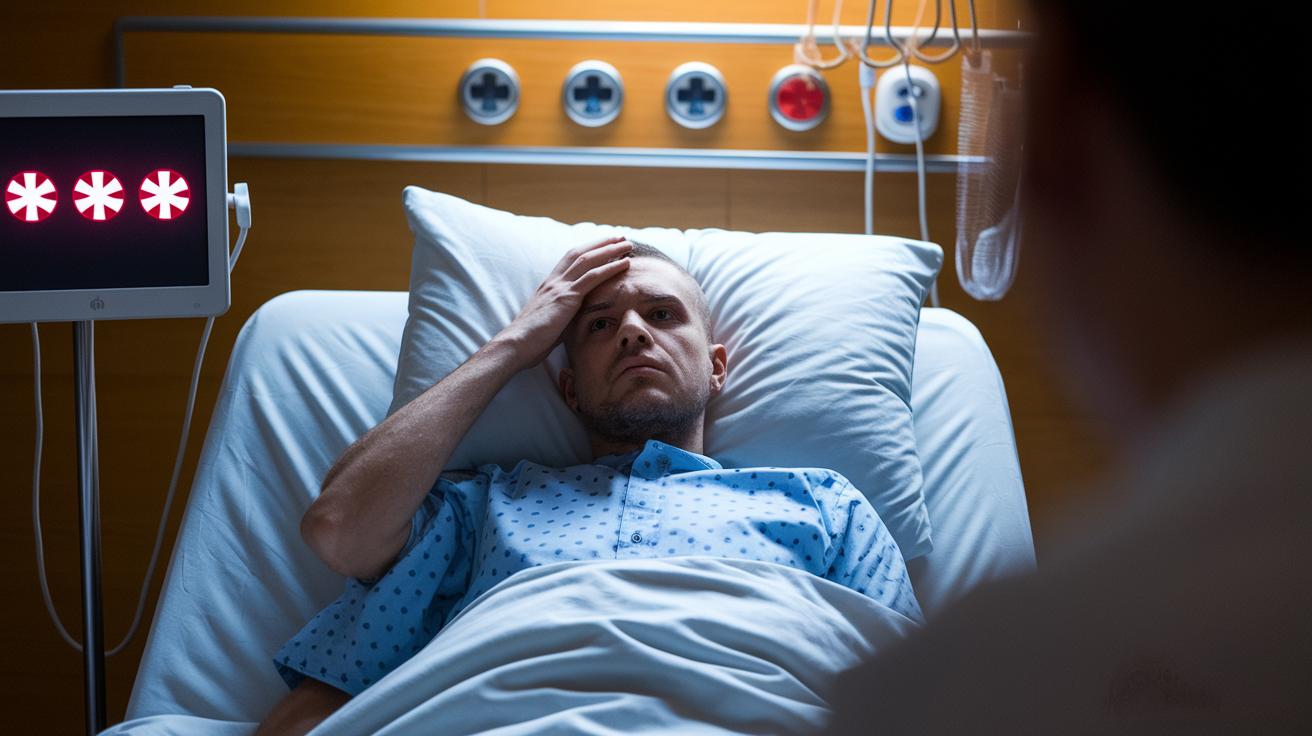
Quick take: A fever with extra warning signs may mean a serious infection that needs prompt care.
If you have any of these emergency signs, call emergency services immediately:
- Stiff neck
- Severe headache
- Rash
- Shortness of breath
- Chest pain
- Changes in mental state (feeling confused or disoriented)
- Seizures in children
- Signs of dehydration (dry mouth, less frequent urination)
A fever is your body’s way of fighting an infection. When you also experience these symptoms, it could mean the infection is stronger or complications are setting in. For example, a stiff neck paired with a fever might hint at an infection in the brain. Severe headache, breathing trouble, or chest pain may show that your heart or lungs are under stress.
Watch your symptoms closely. If you notice any of these warning signs, seek medical help right away.
Symptom Index for Fever: Monitoring Practices and Home Care Steps
Quick take: Mild fevers can often be managed at home; however, seek help immediately if dangerous signs appear.
If you have any of these emergency signs, call emergency services now:
• Fever over 103°F (39.4°C)
• Severe headache or confusion
• Difficulty breathing
• Persistent vomiting
For urgent care, consider seeking same-day medical attention if:
• Your fever lasts more than 3 days
• You show signs of dehydration (dizzy, faint, or very dry lips)
For basic home care:
• Monitor your temperature every 4 hours
• Keep a record of the time, reading, and any extra symptoms like chills or body aches
Monitoring your temperature correctly is a central part of taking care of a fever. Use a thermometer that suits you, a mouth, underarm, forehead, ear, or rectal thermometer works well when used properly. Tracking even small changes in your temperature can guide you on whether to continue home care or get further help.
At home, focus on drinking plenty of fluids and getting extra rest. Take fever-reducing medicine as directed every 4–6 hours. A lukewarm bath or cooling packs can help lower your body heat if you feel too warm. These simple steps support your body’s recovery while easing your discomfort.
Be sure to check and record your temperature at least every 4 hours. Noting the time, the temperature, and other symptoms like chills or body aches can provide useful information. This ongoing record helps you decide if you need to consult a clinician when your symptoms change or worsen.
Symptom Index for Fever: Consultation Triggers and Triage Guidelines

Quick take: A fever that stays high or lasts too long might mean your body is fighting an infection and needs a doctor’s attention.
If you have any of these emergency signs, call emergency services now:
• Your fever is 103°F or higher (in adults).
• Your fever lasts more than 72 hours.
• Common fever reducers do not lower your temperature.
Watch for urgent symptoms and call your doctor soon if you notice:
• Signs of dehydration (fewer trips to the bathroom, dry mouth).
• Confusion or noticeable changes in your thinking.
• A severe headache or chest pain.
• Constant vomiting or stomach upset.
At home, keep track of your temperature and note any other symptoms. Write down the time, what you feel, and any changes. This record will help your provider understand your condition if you need a checkup.
If your symptoms do not get better or start to worsen, don’t wait, arrange to see your doctor promptly.
Final Words
In the action, this guide helped break down normal versus high fevers, outlined how long symptoms should last, and flagged warning signs. We showed temperature ranges, care triggers, and special risks like immunocompromise or travel history.
Review the table and checklists to know when to seek help. Use the symptom index for fever: when to seek care for quick, safe decisions. Stay proactive and trust your judgment while keeping an eye out for red flags.
FAQ
When should I take a child with a fever to the hospital and what temperature indicates danger?
A child’s fever over 100.4°F, especially with breathing trouble, lethargy, or persistent irritability, signals the need for prompt evaluation and possible hospital care.
What does a fever of 102°F indicate in a child or adult?
A fever of 102°F is considered high-grade and may point to a serious infection. It calls for close monitoring and, if accompanied by worsening symptoms, medical evaluation.
Is a reading of 99°F a fever for a child?
A reading of 99°F in a child is not classified as a fever since pediatric fever is typically defined as 100.4°F or above.
At what point should adults worry about a fever and is 101°F a high fever for adults?
In adults, 101°F usually indicates a low-grade fever. However, if you experience severe symptoms or discomfort, it is wise to seek medical advice to rule out complications.
When should I seek medical care with a fever?
You should seek medical care if a fever persists beyond 72 hours, if it reaches 103°F with severe symptoms, or if you notice signs like confusion or dehydration.
What is the danger zone for a fever and which symptoms are red flags?
The danger zone is reached with very high fevers (above 103°F in adults) or when red flags such as stiff neck, rash, severe headache, chest pain, or altered mental state are present.
Is a body temperature of 37.5°C or 38°C considered a fever?
In Celsius, 37.5°C (about 99.5°F) is near the upper normal limit, while 38°C (around 100.4°F) typically marks the threshold for fever in children and may indicate a low-grade fever in adults.