
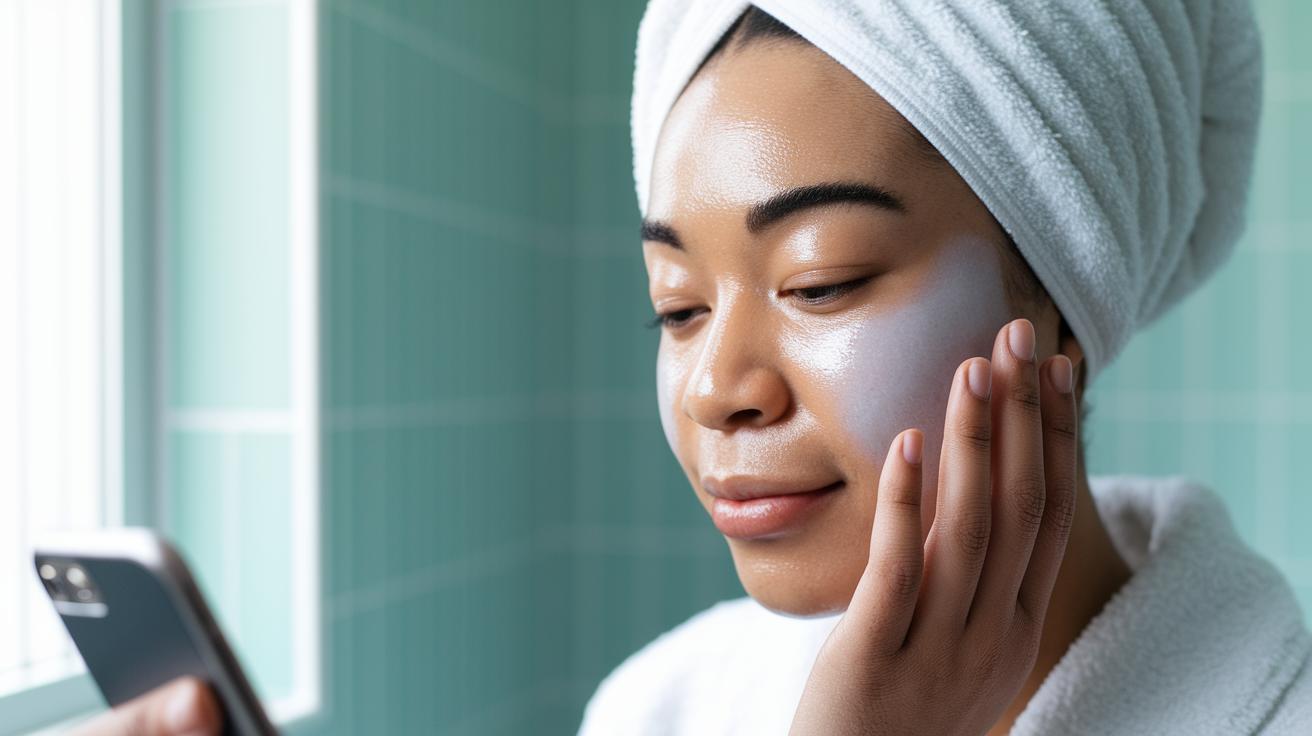

Quick take: Stress can trigger skin reactions by releasing hormones that lead to redness, itching, and hives.
If you have any of these emergency signs, call emergency services now:
• Severe swelling or trouble breathing
• Hives that spread quickly
If your symptoms include fast-worsening redness, itching, or hives, seek same-day medical attention. For milder signs, try some calm self-care steps at home.
Stress can make your skin react in surprising ways. When you feel anxious, your body sends out a hormone called cortisol (a stress signal) that also causes histamine release (a chemical that makes your skin itch and redden). This chain reaction can lead to red patches, itching, or hives, which can be really frustrating.
Here’s how you can try to soothe both your mind and your skin:
- Take a few slow, deep breaths or go for a short walk to help calm your nerves.
- Rinse your skin with cool water or apply a gentle moisturizer.
- Keep a simple diary of your symptoms, note when they start, how bad they are (mild, moderate, or severe), and any changes after you try these steps.
Remember, it's normal for stress to affect your body, but if your symptoms quickly get worse or you feel unsafe, act now by reaching out to a doctor.
How Stress Triggers Skin Irritation
Quick take: Stress can spark skin irritation through a simple hormone process that makes your skin react fast.
Triage:
• If you have trouble breathing, severe swelling, or widespread hives, call emergency services now.
• If your skin does not improve in 1–2 days or gets worse, seek same-day medical care.
• Otherwise, keep an eye on your symptoms and use stress-reduction methods.
When you feel stressed or anxious, your body releases cortisol (a hormone that helps you get ready for action). This spike in cortisol tells your body to release histamine (a natural chemical that can cause itching and rashes) from tiny blood vessels under your skin. As a result, you might notice your skin flushing, hives forming, or palms sweating. For instance, you might feel nervous before a big presentation and suddenly experience hot, itchy skin.
This process can create a cycle. The initial skin reaction causes more discomfort, which in turn can increase your stress. More stress means more cortisol and histamine, leading to more irritation. Imagine feeling anxious at a social event, then developing itchy, tingly welts that leave you even more uneasy.
Many people see these stress-related skin symptoms clear up in 1–2 days when the body relaxes and histamine levels drop. Keep in mind that everyone’s reaction may differ.
Common stress-related skin signs:
| Sign | Description |
|---|---|
| Flushed skin | A pink or red complexion |
| Hives | Itchy, tingly welts |
| Sweaty palms | Hands that become damp under stress |
Recognizing how stress affects your skin can help you tackle both the emotional and physical symptoms at the same time.
Identifying Symptoms of Stress-Induced Skin Irritation
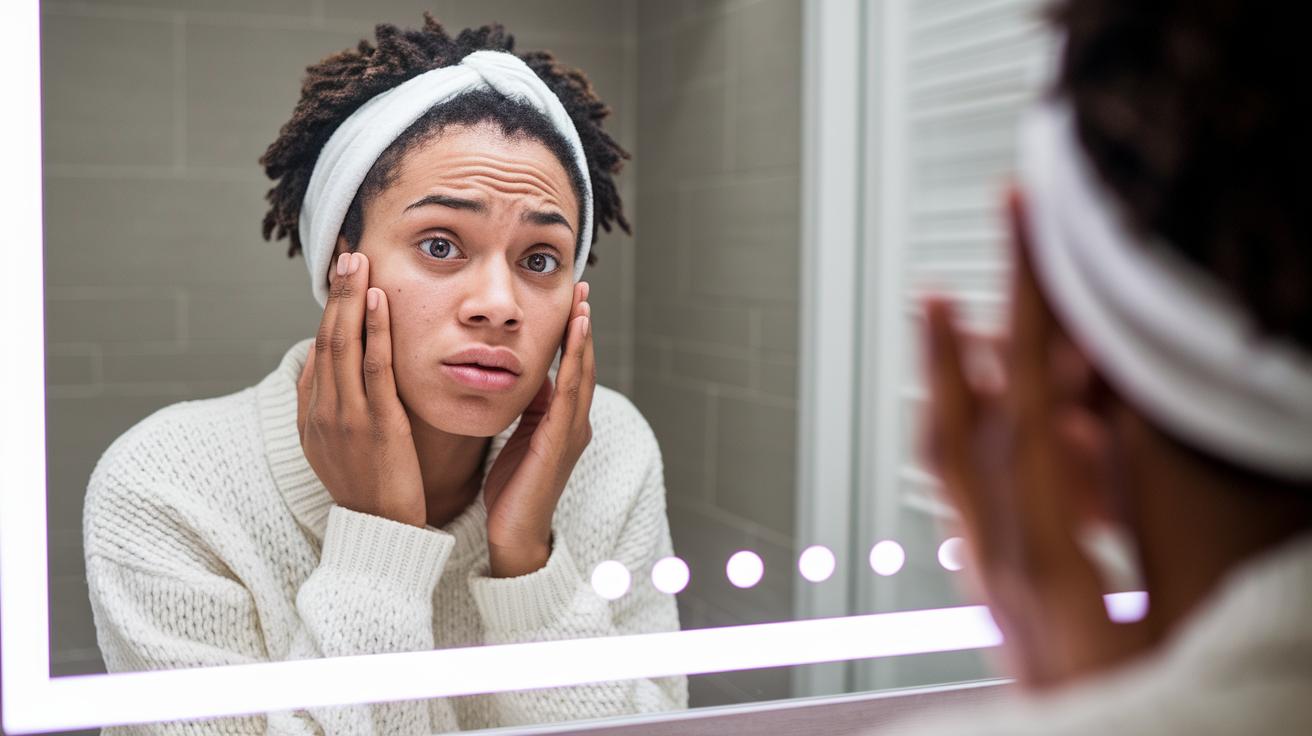
Quick take: Stress can show on your skin in different ways, so watch for key changes.
Triage box:
• If you see red, raised, itchy bumps (hives) after stress, note it.
• If your face or neck suddenly flushes or feels extra sensitive, take caution.
• If unexpected breakouts, eczema flares, or worsening rosacea appear, track the changes.
Stress can cause your skin to react in clear signs. You might notice itchy, burning bumps (hives) after feeling nervous, such as before a big meeting. These red, raised spots on your arms or legs are a signal that your body is stressed.
Your face or neck may suddenly become red or flushed. This redness can appear unevenly and may be paired with skin that feels unusually sensitive or warm.
Occasionally, you might experience breakouts that look like acne even if you haven’t been exposed to the usual triggers. Stress can also trigger eczema, creating patches of dry, irritated skin. If you have rosacea already, stress might worsen it by affecting small blood vessels in your face.
Scratching these areas from discomfort can make the irritation worse and keep the cycle going. Women in their 20s to 40s often see these signs during stressful times. Recognizing these cues early can help you manage your skin and overall comfort.
Stress Skin Irritation: Glow with Calm Skin
When you're stressed, your body releases cortisol, a hormone that raises your blood sugar and sets off histamine (a chemical that can cause allergic reactions). This makes the tiny blood vessels in your skin leak, leading to redness, swelling, and itchiness.
Long-term stress keeps cortisol levels high and disrupts nerve signals. This weakens your skin's natural barrier, so irritants can easily cause inflammation.
Think of stress as a double impact on your skin. First, it creates a surge of hormones that stoke inflammation. Second, it interferes with nerve communication, leaving your skin more exposed to irritants.
Chronic Skin Conditions Worsened by Stress
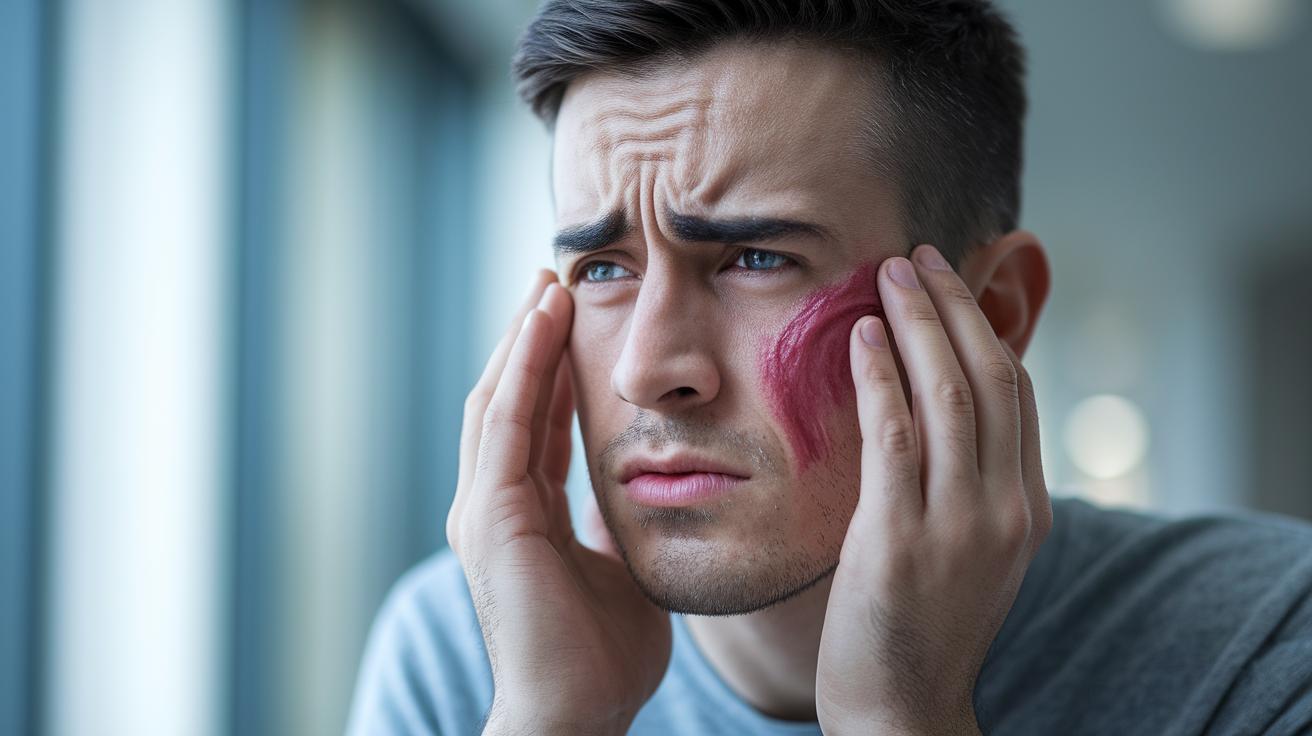
Quick Take: Stress can make your skin flare up by weakening its natural barrier.
Triage:
- Call emergency services now if you notice large areas of cracked, bleeding skin or signs of infection such as fever, swelling, or rapid redness.
- Seek same-day care if you experience severe pain or if the flare-up spreads quickly.
- Monitor milder symptoms at home and follow your clinician’s advice.
When you feel stressed, your body makes more cortisol (a stress hormone). This hormone can upset the normal production of fats that help repair your skin. With a weak barrier, your skin can become extra sensitive and react to things that normally would not bother it.
Eczema is one skin condition that often gets worse with stress. On a stressful day, you might wake up with red, tight, and cracked skin that itches a lot. Acne, psoriasis, and rosacea can also flare up because extra cortisol increases swelling and slows down healing.
Women who have had hives (urticaria) might see larger, more frequent outbreaks when stressed. The itching can lead to scratching, which may injure your skin and slow recovery.
When stress builds, it becomes tougher for your skin to repair itself. That makes it extra important to manage your stress and keep up a gentle skincare routine. Keep an eye on your symptoms and try simple ways to lower stress, like deep breathing or a quiet walk. Even small steps can help your skin feel and look calmer.
Stress Skin Irritation: Glow with Calm Skin
Quick take: Steady skincare and stress relief can ease skin irritation fast.
Triage tips:
If you experience severe swelling or trouble breathing, call emergency services now.
If your irritation becomes painful or worsens quickly, seek medical care today.
Otherwise, follow the self-care steps below.
When stress strikes, your skin might turn dry or irritated. Start with a gentle cleanser in the morning and evening to wash away dirt and oil without stripping moisture. Then, use a moisturizer that won’t clog your pores and includes SPF (sun protection factor) to shield against harmful rays and create a protective barrier.
Set a phone reminder to stick with your routine every day. Consistency is key, even on stressful days, to ensure your treatments, whether prescribed or over-the-counter, are applied regularly.
Stress relief matters too. Spend 5–10 minutes a day on deep breathing, meditation, or muscle relaxation to ease the stress chemicals that can trigger irritation.
Adjust your routine with the seasons. In colder months, richer creams help guard against drying weather, while lighter lotions work better in warmer weather. If your skin feels extra irritated during winter, consider switching to a cream with extra hydration.
Other helpful tips:
- Use lukewarm water to avoid drying out your skin.
- Cleanse gently without over-scrubbing.
- Keep your skincare products simple and free from harsh additives.
By following these steady steps, you can support both your skin’s health and your overall stress levels, helping you keep your skin calm and glowing, no matter how tense things get.
When to Consult a Professional for Stress-Related Skin Issues

Quick take: Stress can cause skin issues that fade fast, but some signs mean you should see a doctor.
If you notice any of these signs, see your dermatologist:
- A rash or irritation that lasts more than 7 days.
- Hives covering large areas of your body.
- Signs of infection, like fever or oozing skin.
- Itching that stops you from sleeping or doing your daily tasks.
It’s a good idea to keep a simple log of your symptoms. Write down when you first saw the irritation, any changes in its look, and things that might have triggered it. This record helps your doctor understand your condition and decide on the best treatment. For example, if the inflammation sticks around, your doctor might recommend a cream (topical steroids) or antihistamines to ease the irritation. They may also give advice based on your overall health and how your skin has reacted.
If your symptoms continue, make an appointment as soon as you can. Taking action now can help protect your skin and keep you feeling well.
Final Words
In the action, we explored how stress can trigger sudden skin reactions like itching, hives, and redness. We broke down the cortisol-histamine link that can escalate stress skin irritation. You learned to spot signs such as rashes, flare-ups, and worsening eczema. We also shared clear home-care and stress-relief routines to help you manage these symptoms. Track changes and reach out for professional help if your skin’s reaction lingers or grows. Stay proactive about your well-being and keep your skin calm and cared for.