
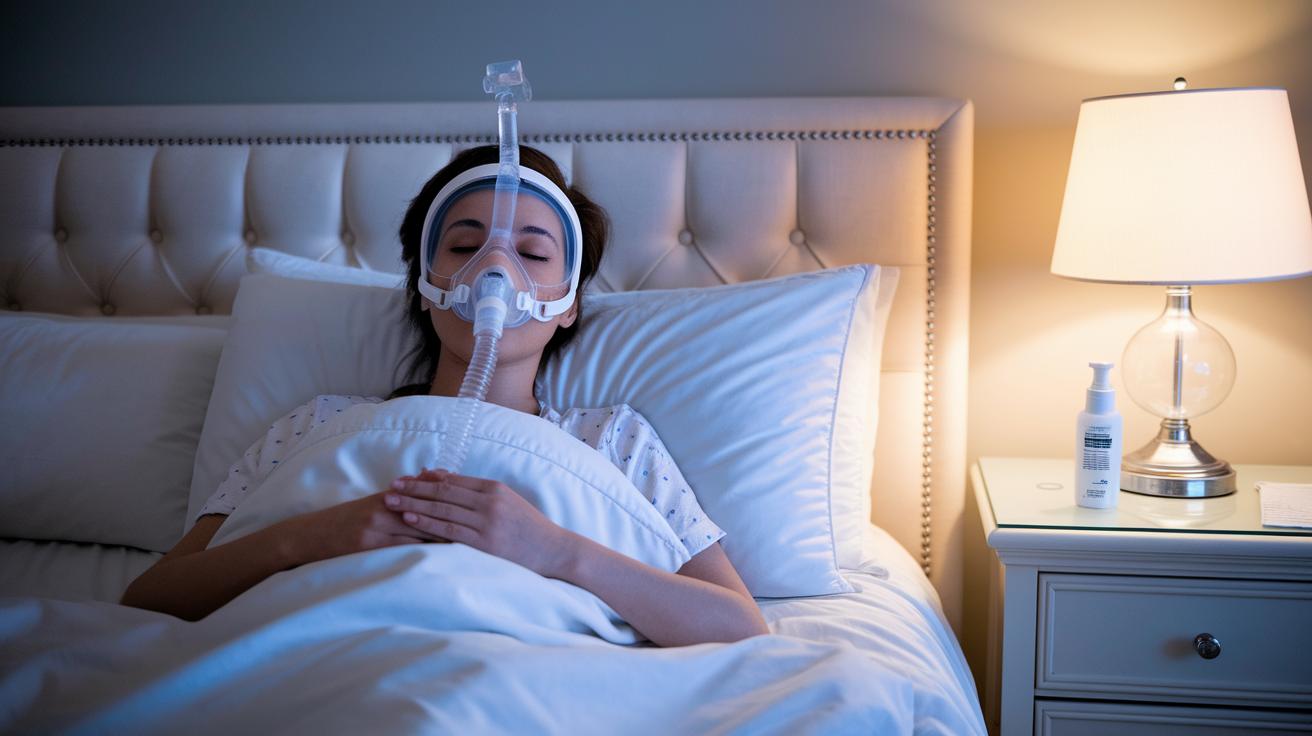

Quick Take: CPAP mask irritation is common and usually gets better with simple adjustments.
Triage Box:
• If you notice severe redness, swelling, or open sores, call your doctor immediately.
• If the irritation worsens or lasts more than 3 days, seek urgent medical advice.
• For mild irritation, try self-care steps below.
Common Causes:
Many CPAP users face skin problems due to a mask that fits too tightly, daily cleaning issues, or a reaction to the silicone cushion.
What to Do Now:
- Adjust your mask to ease pressure on your skin.
- Clean your mask daily with a gentle soap and water.
- Check the silicone cushion for any signs of wear or reaction.
- Track your symptoms by noting the date, time, and any changes in redness or discomfort.
By taking these steps, you can help improve your sleep comfort and protect your skin. If the irritation does not improve or gets worse, be sure to contact your healthcare provider.
Quick Relief: Causes and Solutions for Skin Irritation from CPAP Masks
Quick take: Skin irritation from your CPAP mask often comes from cleaning issues, a poor fit, or a reaction to the mask material.
If you experience severe pain, swelling, or signs of infection like heavy redness or fever, seek urgent medical attention.
Your CPAP mask may cause skin problems for a few simple reasons. Not cleaning your mask well lets bacteria build up and can cause red marks on your nose, cheeks, or forehead. A mask that is too tight puts too much pressure on your skin and can leave marks, while a loose mask may rub against your skin and cause chafing. You could also be sensitive or allergic to the silicone in the cushion. Even when you first start using CPAP therapy, your skin might rub a bit until it adjusts.
Common causes of irritation include:
- Not cleaning the mask well so bacteria builds up
- A very tight mask that makes pressure marks
- A loose mask that causes rubbing and chafing
- A skin reaction to the silicone cushion
- Initial rubbing as your skin gets used to the mask
Try these simple steps to ease your discomfort at home:
- Wash and rinse your mask every day with warm, soapy water.
- Adjust the straps so the mask fits snugly but does not press too hard.
- Gently apply a light, breathable barrier cream to reduce friction.
- When safe, take short breaks from wearing the mask to let your skin rest.
- Consider using a soft fabric liner between the mask and your skin to lessen irritation.
Following these steps can help keep your skin comfortable and make your CPAP therapy easier to manage.
Prevention: Strategies to Avoid CPAP Mask-Related Skin Irritation
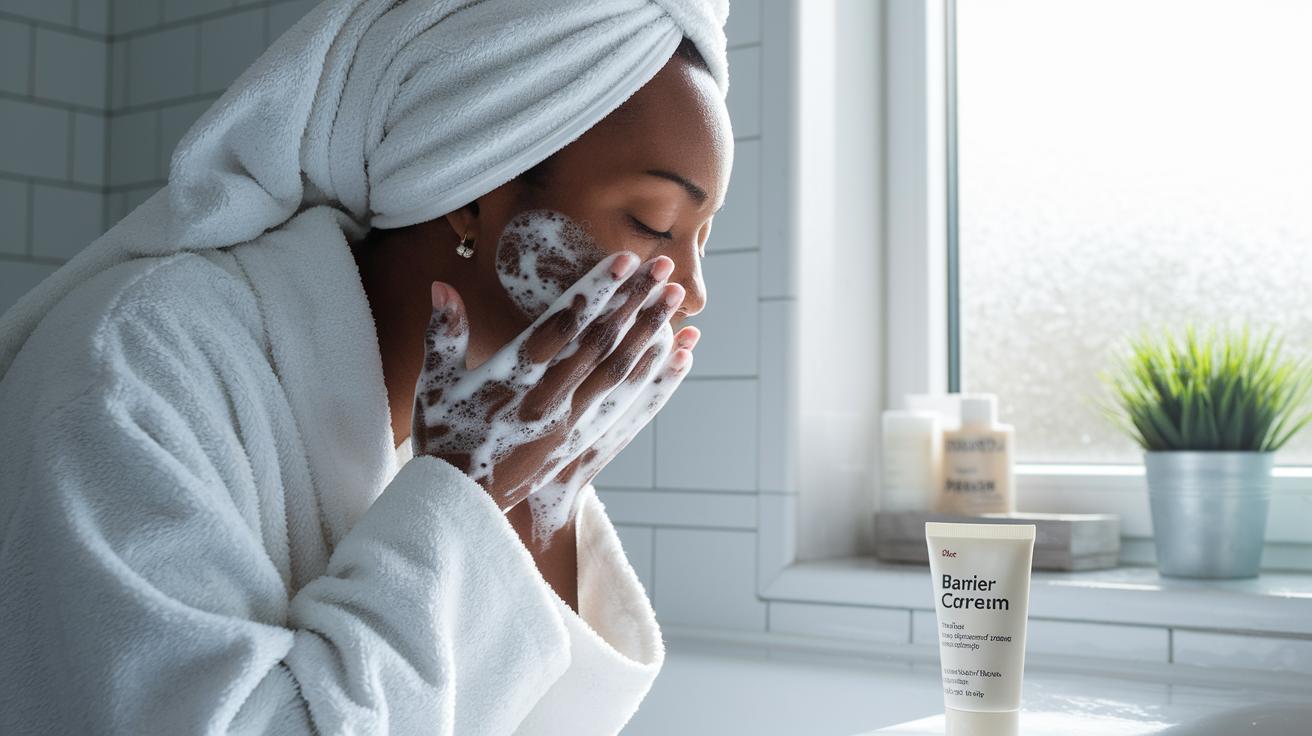
Start by washing your face with a mild cleanser and gently patting it dry. Next, apply a small amount of a light, breathable barrier cream to form a protective layer that reduces friction.
Every night, remove your mask for at least 30 minutes so your skin can breathe. Also, adjust your headgear and loosen the straps now and then to ease pressure.
After taking off your mask, reapply the barrier cream to areas that tend to rub. Stick with this simple routine of cleaning, mask breaks, and barrier protection to help keep your skin comfortable.
Materials Matter: Choosing Hypoallergenic CPAP Masks to Reduce Skin Irritation
Quick Take: If your CPAP mask irritates your skin, try hypoallergenic options and test them at home.
Triage Box:
- Call emergency services now if you notice severe redness, swelling, or pain that could signal infection.
- Seek same-day medical help if the rash spreads or worsens quickly.
- For mild irritation, consider switching to a mask with skin-friendly materials and monitor your symptoms.
Many CPAP masks use medical-grade silicone. If your skin is sensitive, this material can cause contact dermatitis (a rash from skin exposure). To keep irritation to a minimum, look for alternatives such as gel-filled cushions, memory-foam liners, or cloth-backed components. These non-silicone options lower friction and help protect your skin during sleep.
Some people find it helpful to do a simple allergy test before using a new mask long-term. Testing a small piece of the mask or its adhesive on your skin can guide you to choose a mask that is safe for you.
At-Home Patch Test:
- Apply a small piece of the mask material to your inner forearm.
- Cover the spot and leave it for 24 to 48 hours.
- Check the area for redness, itching, or irritation.
- If no reaction occurs, the material is likely safe for your skin.
If you have any doubts or a history of allergies, talk with your doctor.
Fit and Pressure: Optimizing Your CPAP Mask to Minimize Skin Irritation
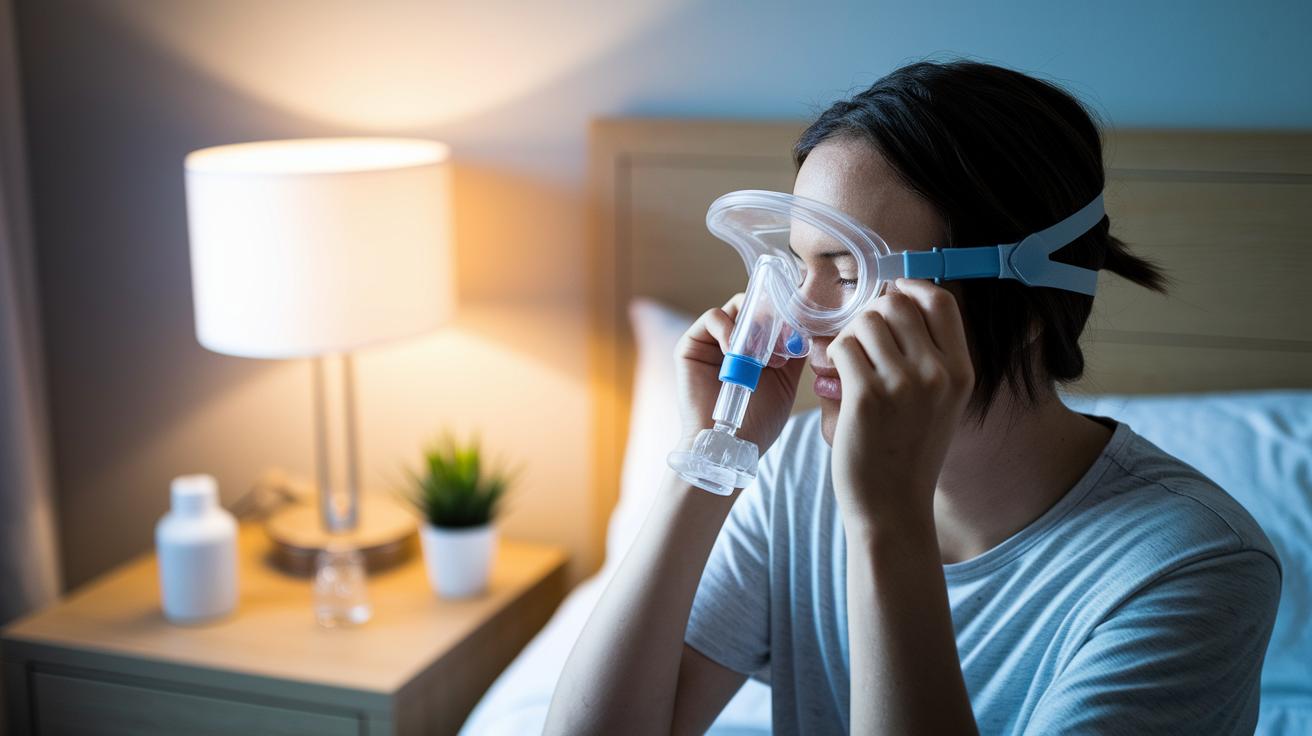
A loose CPAP mask can leave marks, cause chafing, and even lead to burns. Instead of general tips, try these specific steps to protect your skin:
- Loosen then retighten your headgear so the mask seals well without leaving indentations.
- Position the cushion right over your nose bridge and cheeks to avoid extra pressure in one spot.
- Use a thin fabric liner under the straps to help spread the pressure. Try it for one night and see if your skin feels softer.
- Check for any leaks and adjust the tension until the mask feels evenly supported.
- If you still notice irritation, switch to a low-profile mask that touches fewer areas of your face.
- Rotate the cushion’s orientation each week to prevent constant pressure on the same spots.
Hygiene: Cleaning and Maintenance of CPAP Masks to Prevent Skin Reactions
Each day, rinse your mask and headgear with warm water and a gentle, unscented soap. This simple step washes away sweat, oils, and bacteria that can build up and lead to skin irritations. Avoid using harsh chemicals or scented cleansers, as these can remove natural skin oils and worsen irritation.
Every week, give your CPAP kit a deep clean. Fill a basin with water warmed to around 35°C (about 95°F) and add a gentle detergent. Soak all parts for a few minutes to break down germs that may cause skin problems. Then, rinse everything thoroughly to remove any soap residue. This routine care helps your mask last longer and minimizes irritation risks.
After cleaning, set your mask and headgear out to air dry completely in a well-ventilated area. Do not expose them to direct heat or sunlight, as this can harm the materials. Allowing your equipment to dry properly stops moisture buildup, which in turn prevents bacterial growth and keeps your skin safe.
Treatment: Addressing Skin Irritation and Dermatitis from CPAP Masks
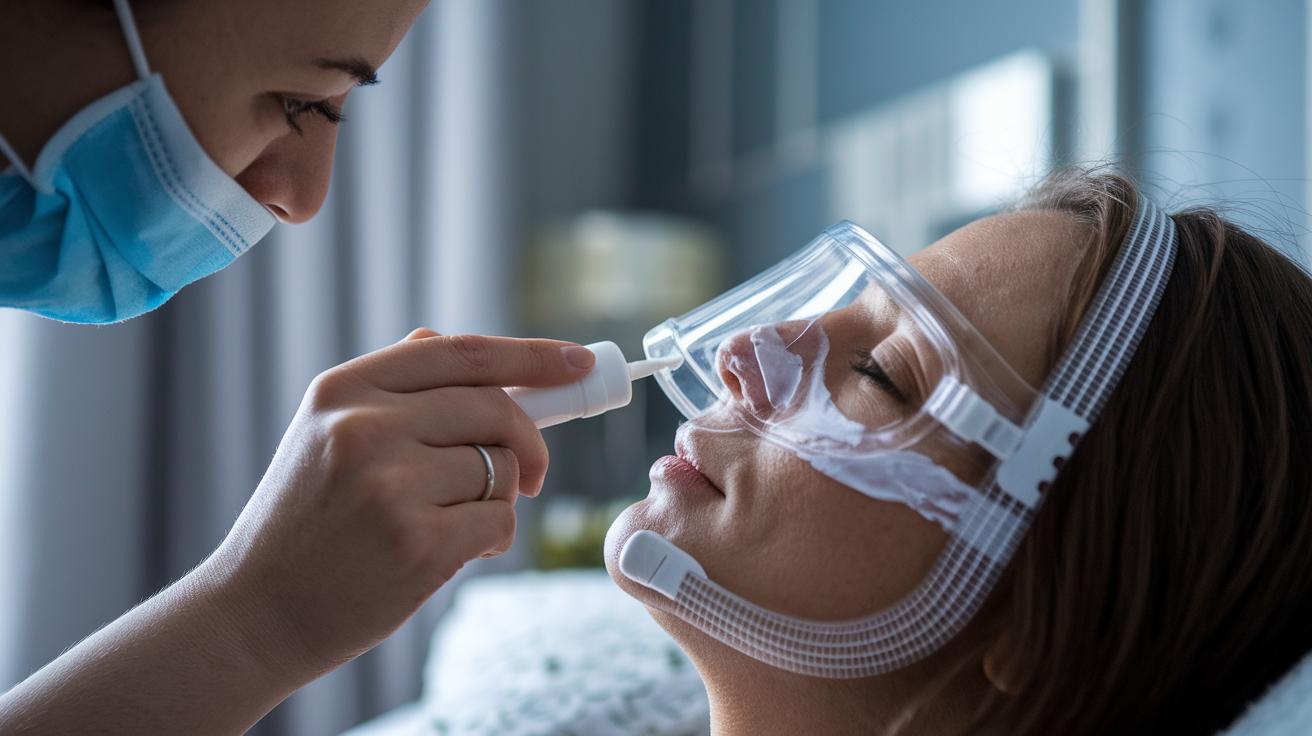
Quick take: Over-the-counter creams may ease mild irritation from your CPAP mask, but get help if red flag symptoms appear.
If you have mild irritation, try a barrier cream like zinc oxide or dimethicone before you put on your CPAP mask. This cream builds a protective layer that reduces friction on your sensitive skin. You can also apply a small amount of hydrocortisone cream to red or inflamed spots. It helps reduce redness and soothes minor pressure sores for up to 7 days. Use hydrocortisone as directed and stop if you do not see improvement.
If your irritation does not improve, check for these red flags:
- Spreading or deepening redness that does not get better.
- Increasing pain or swelling around the mask area.
- Open sores or signs of infection such as pus or a fever.
These symptoms mean it is time to seek professional help. Using these short-term treatments carefully, while keeping an eye on warning signs, helps you know when to consult a dermatologist for customized care.
Replacement: When to Replace Your CPAP Mask to Stop Skin Irritation
Quick take: If you see cracks, hard silicone, or leaks, change your CPAP mask now to protect your skin.
Red Flags – Act now if any of these changes occur:
• Cracks in the cushion
• Silicone that feels hard
• Leaks during your sleep
After 6 to 12 months of use, even a top-quality CPAP mask can start showing wear. You might notice that the cushion gets cracked, the silicone hardens, or leaks start happening. These changes mean the mask is no longer spreading pressure evenly, which can lead to increased friction and skin irritation.
A new mask with a fresh cushion can bring back comfort. It spreads pressure evenly to help prevent pressure marks and sores. Also, replacing your mask helps keep it clean by removing parts where bacteria could gather.
Keep an eye on your mask’s condition and swap it out as soon as you see these signs. This simple step helps you continue your therapy safely while keeping your skin healthy.
Final Words
In the action, we broke down what can cause skin irritation from CPAP mask and how to manage it safely. We explored causes like poor hygiene and improper fit, offered immediate home care tips, and shared prevention strategies using proper cleaning and material choices. You learned when to treat irritation at home and when a mask replacement might be needed. Small adjustments can restore comfort and help you sleep better. Keep these practical steps in mind, and embrace a more consistent, healthy CPAP routine.
FAQ
What are CPAP mask liners?
CPAP mask liners reduce friction and pressure by acting as a soft barrier between your skin and the mask. They help absorb moisture and lessen the chance of irritation during use.
How do you treat CPAP dermatitis?
Treating CPAP dermatitis involves cleaning your skin and mask, applying a barrier cream, and adjusting the mask fit. Monitor the irritation and consult a clinician if it worsens.
What do CPAP dermatitis pictures show?
CPAP dermatitis pictures typically show red, irritated skin where the mask contacts the face, such as on the nasal bridge and cheeks. These images help identify signs of irritation.
How does skin irritation from CPAP nasal pillows occur?
Skin irritation from CPAP nasal pillows happens due to friction and tight straps. Ensuring proper fit, maintaining regular cleaning, and using soft liners can help reduce the irritation.
What is the best cream for CPAP irritation?
The best creams for CPAP irritation are barrier creams containing zinc oxide or dimethicone, which soothe, protect, and reduce friction on the affected skin areas.
How do you treat CPAP pressure sores?
Treat CPAP pressure sores by cleaning the affected area, applying a protective cream, and adjusting or loosening the mask straps. If sores do not improve, seek medical advice promptly.
What are the signs of a silicone allergy with a CPAP mask?
A silicone allergy with a CPAP mask presents as redness, itchiness, or rash around the contact areas. These allergy symptoms indicate you might benefit from a hypoallergenic or non-silicone alternative.
What is the 4-hour rule for CPAP?
The 4-hour rule for CPAP refers to using the device for at least 4 hours each night to achieve effective therapy. This rule helps ensure you receive sufficient treatment benefits.
Can a CPAP mask cause seborrheic dermatitis?
A CPAP mask can contribute to seborrheic dermatitis by irritating the skin and affecting its moisture balance. This is less common and may occur in individuals with a predisposition to skin conditions.
What are the signs of CPAP intolerance?
Signs of CPAP intolerance include discomfort, persistent skin redness, pressure sores, difficulty breathing with the mask, and continuous itching. These signs suggest a need for mask fit evaluation or alternative options.