
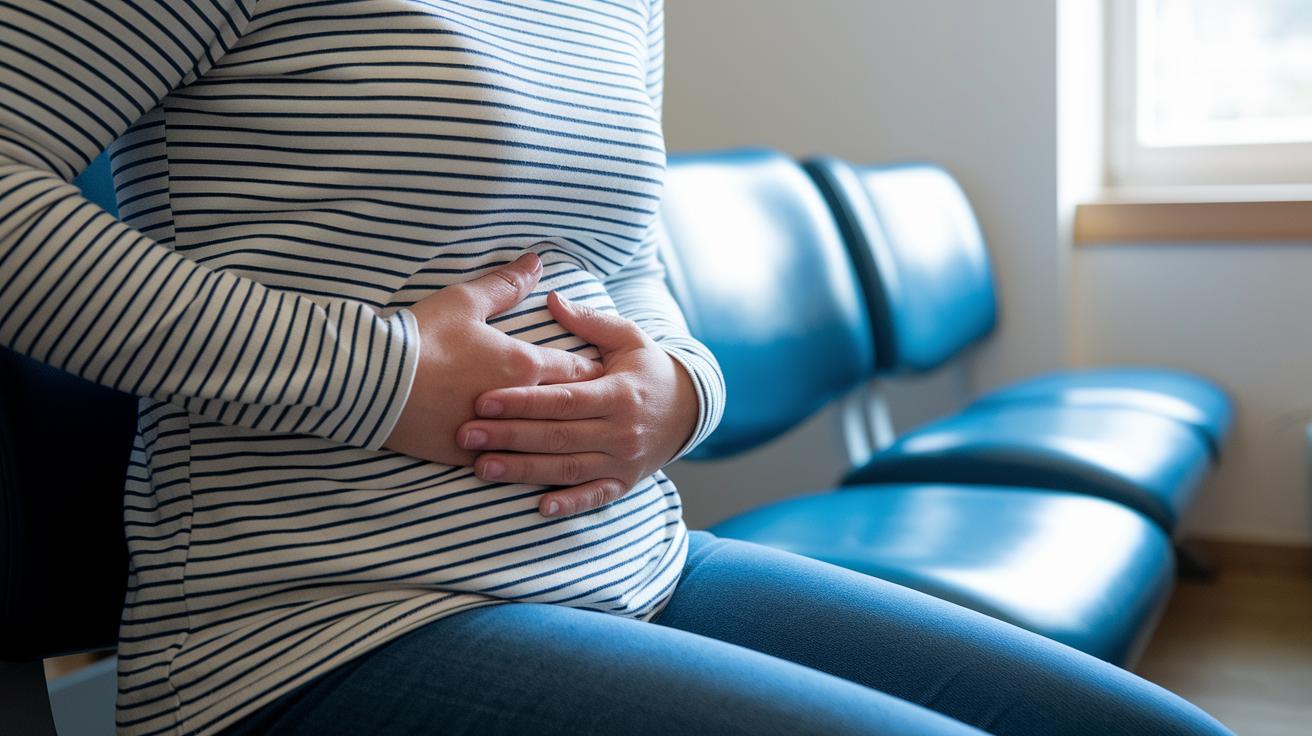

Ever wondered why your stomach cramps occur? Your belly is divided into a grid, and each section might point to a different cause. Noting which area hurts can help you and your doctor identify the problem faster. In this guide, we explain the nine regions and four quadrants of your abdomen in simple terms. Keep track of your symptoms and follow clear steps so you can act quickly and safely.
Mapping Stomach Cramps: Abdominal Quadrants & Regions
Quick take: Your abdomen is mapped out like a tic-tac-toe grid to help spot where pain comes from. If your pain feels very strong or worsening quickly, call emergency services immediately.
Triage Box:
• Emergency: Call 911 if you have intense pain, fever, or if you feel something is seriously wrong.
• Urgent: If the pain keeps getting worse or lasts over a few hours, seek same-day care.
• Watch & Self-Manage: For mild, steady pain, note your symptoms and follow up with your clinician if nothing improves.
Your belly is split into nine areas arranged in three rows. The top row includes regions on the right (right hypochondriac), center (epigastric), and left (left hypochondriac). The middle row has the right lumbar, umbilical (belly button area), and left lumbar regions. The bottom row covers the right iliac, hypogastric, and left iliac regions. This clear map helps you and your doctor figure out which organs might be causing your cramps. For example, pain in the epigastric region (near the center of your upper belly) could be linked to issues like excess stomach acid or ulcers.
In addition, the abdomen is divided into four quadrants. These quadrants group organs by their location so you can make a more direct link to the source of pain:
• The right upper quadrant (RUQ) includes key spots like the liver, gallbladder, the start of the small intestine (duodenum), the head of the pancreas, and part of your colon.
• The left upper quadrant (LUQ) contains the stomach, spleen, body/tail of the pancreas, left kidney, and a section of the colon.
• The right lower quadrant (RLQ) covers areas that often relate to the appendix, part of the colon (cecum and ascending colon), and may involve the right ovary or fallopian tube.
• The left lower quadrant (LLQ) has parts of the colon and may include the left ovary or fallopian tube.
Using both the nine-region grid and the four-quadrant layout can give you a better idea on where the pain is and which organs might be affected.
| Quadrant | Constituent Region | Key Organs |
|---|---|---|
| RUQ | Right hypochondriac | Liver, Gallbladder, Duodenum, Pancreas Head, Hepatic Flexure |
| LUQ | Left hypochondriac | Stomach, Spleen, Pancreas Body/Tail, Left Kidney, Splenic Flexure |
| RLQ | Right iliac | Appendix, Cecum, Ascending Colon, Right Ovary/Fallopian Tube |
| LLQ | Left iliac | Sigmoid Colon, Descending Colon, Left Ovary/Fallopian Tube |
Key abdominal regions:
- Right hypochondriac
- Epigastric
- Left hypochondriac
- Right lumbar
- Umbilical
- Left lumbar
- Right iliac
- Hypogastric
- Left iliac
Upper Abdominal Cramps: Epigastric & Hypochondriac Insights

Quick take: Your upper belly pain might come from acid reflux, an ulcer, or gallbladder issues. If the pain suddenly gets worse or comes with fever or vomiting, act now.
If you have any of these emergency signs, call emergency services now:
• Severe pain that does not ease with rest
• Pain with constant vomiting or a high fever
• Pain that suddenly becomes much worse
Epigastric cramps are felt in the center of your upper belly. They often result from acid reflux (when stomach acid irritates your throat), peptic ulcer disease (small sores in your stomach lining), or pancreatitis (swollen pancreas). The pain might burn or ache and can get worse after eating or when you lie down. You might also feel nauseous or bloated. For example, you may experience a burning pain in the chest after a heavy meal.
Pain on the right or left side above your stomach can give extra clues. Right-side pain often points to gallstones (small stones blocking bile flow), cholecystitis (inflammation of the gallbladder), or hepatitis (liver inflammation). If the pain is on your left side, it might be due to a gastric ulcer, a splenic infarction (poor blood flow to the spleen), or inflammation near the tail of your pancreas. Knowing which side hurts can help in deciding what to do next.
Possible causes:
- Acid reflux
- Peptic ulcer disease
- Pancreatitis
- Gallstones
- Cholecystitis
- Hepatitis
Here’s what you can do:
- Note your pain’s location, when it happens, and any extra symptoms (like nausea or bloating).
- Keep an eye out for warning signs such as high fever, repeated vomiting, or pain that keeps getting worse.
- If you experience these red flags, seek care immediately.
Your health matters. Monitor your symptoms and talk to your doctor if you are concerned or if things don’t improve.
Mid-Abdomen Cramp Triggers: Central Stomach Discomfort Analysis
Quick take: Cramps near your belly button can signal common issues that you should track and may need medical attention.
If you have any of these warning signs, seek care immediately:
- Pain that moves from the belly button to the lower right side
- A sudden, strong increase in pain with swelling or tenderness
Central cramps may occur with conditions like stomach flu (gastroenteritis), irritable bowel syndrome, or an umbilical hernia. You might experience bloating, nausea, and pain that shifts throughout the day. The ache is usually dull and may get worse after eating or when you change position.
Write down when the pain happens and what it feels like. This helps your doctor see if the symptoms match one of these conditions.
Sometimes, early appendicitis starts as pain near your belly button before moving to the lower right side. This shift is a key warning sign. Similarly, if an umbilical hernia becomes worse, you may notice a sudden jump in pain along with swelling and tenderness. Tracking these changes is crucial.
If you see the pain moving or getting stronger, call your doctor or visit urgent care.
Lower Stomach Cramps: Iliac & Hypogastric Region Causes

Quick take: Lower belly cramps can come from several issues, some may need quick care.
Triage steps:
- If you have sudden, sharp pain in your lower right side that gets worse with moving, and you feel fever or nausea, call emergency services now.
- If you notice new pain with changes in your bowel habits or blood in your stool, seek same-day medical help.
- For persistent pain or new symptoms, follow up with your healthcare provider.
Right-side lower cramps may signal problems like appendicitis (inflammation of the appendix), Crohn’s disease, or ovarian cysts in women. This pain is often sharp and might grow worse over time. Note when the pain starts, its strength, and if it moves to other areas. Also, track any extra signs, like nausea or fever, and share these with your provider.
Left-side discomfort can come from conditions such as diverticulitis, ulcerative colitis, or kidney stones. You might feel a cramp or a steady ache that sometimes flares up after eating. If you experience a new, persistent pain with changes in your bowel habits or see blood in your stool, it may be time to get checked.
Central lower abdominal spasms (hypogastric spasms) can be linked to problems with your urinary or digestive system. These cramps might be tied to urinary tract infections or flare-ups of irritable bowel syndrome (IBS). They can feel crampy and get worse while you pass urine or have a bowel movement. Paying attention to what makes the pain worse helps guide your care.
Stomach cramps location: Pinpoint Areas with Ease
Quick take: Stomach pain can show up in unexpected spots, which may give clues about its cause.
Triage Box:
- If you have sudden, sharp pain that spreads quickly, call emergency services now.
- If you notice fever, vomiting blood, or extreme weakness with your pain, call emergency services now.
- If the pain spreads in a new way or doesn't get better later today, seek same-day care.
- Otherwise, note your symptoms and follow up with your doctor if they worsen.
Upper gut pain is not always felt only in your stomach. For example, gallbladder pain can travel to your right shoulder or back. Pancreatitis (inflammation of the pancreas) may cause pain that wraps around to the middle of your back. Peptic ulcer discomfort (sores in the stomach lining) can also be felt in your chest or back. This is known as referred pain, when the hurt shows up in a different spot than where the problem really is. Recognizing these patterns can help you and your healthcare provider find the cause faster.
Lower pain also tells an important story. Kidney stone spasms usually start near the kidney but send pain from your side down toward your groin. Some people with irritable bowel syndrome (IBS) experience cramps that reach into the lower back. Localized pain stays mostly in one spot, while referred pain spreads into nearby areas. Knowing the difference is key in figuring out what is causing your discomfort.
Red Flags by Cramps Location: When to Seek Medical Care

Quick take: Some types of belly pain and other symptoms can signal a serious condition that needs medical care right away.
If you have any of these emergency signs, call emergency services immediately:
- Sudden, stabbing pain in your right lower side with a fever (this could be a sign of appendicitis).
- Burning pain in the upper center of your belly paired with repeated vomiting (this may point to pancreatitis or an upper gastrointestinal bleed).
- Lower belly cramps with bloody diarrhea (this could hint at colitis).
- Severe, central abdominal pain along with a swollen belly (this can be a sign of a bowel obstruction).
- Black, tarry stools with burning pain in the upper abdomen (this is a major red flag for an upper gastrointestinal bleed).
Before modern imaging, doctors used these pain clues to pinpoint abdominal emergencies. Your body gives clear signals, so don’t ignore them.
For any of these symptoms:
- Call emergency services if your pain suddenly worsens or becomes severe.
- If your symptoms are persistent but less abrupt, see your clinician on the same day.
- Record details like when the pain started, how strong it is, and any other symptoms to help guide your care during the medical visit.
Final Words
In the action, this article mapped abdominal pain by explaining regions and quadrants and detailing key causes and signals. It broke down upper, mid, and lower stomach areas, using clear visuals and checklists to guide you through symptom tracking and next steps.
Your focus on stomach cramps location helps pinpoint warning signs and home-care strategies. Stay engaged, monitor changes, and act on urgent signals to keep safe. Remember, every step you take makes managing your symptoms clearer.
FAQ
What are the types of stomach pain seen in females and males?
The types of stomach pain in both females and males include cramping, sharp, dull, and intermittent pain. They can signal various causes from muscle spasms to organ-specific issues such as menstrual cramps in women or reflux in men.
How can I get rid of a stomach ache in 5 minutes?
Quick relief for a stomach ache may involve using a warm compress, sipping water slowly, and doing gentle stretching. If the ache persists, it’s wise to monitor your symptoms and contact a clinician for advice.
What does intermittent, sharp stomach pain that comes in waves indicate?
Intermittent, sharp stomach pain that comes in waves often indicates muscle spasms or digestive contractions. Track the pain pattern closely and seek help if the pain increases or is accompanied by other concerning symptoms.
What causes lower abdominal pain in females?
Lower abdominal pain in females can be due to menstrual cramps, ovarian issues, or gastrointestinal problems. Observing the pain’s timing and intensity is especially useful, and you should contact your clinician if the pain worsens.
What are the three types of abdominal pain?
The three common types of abdominal pain are cramp-like, continuous (aching or dull), and sharp pain. Each type may point to a different cause that is best evaluated by tracking symptoms and consulting a clinician.
How do I know if it’s stomach cramps?
You can tell if it’s stomach cramps when you experience sudden, squeezing pain in your abdomen that comes in waves. It helps to note its intensity and duration so you can discuss it with your clinician if needed.
What are the causes of stomach cramps in kids?
Stomach cramps in kids frequently stem from issues like indigestion, gas, constipation, or infections such as gastroenteritis. Keeping a symptom log can help, and contact a clinician if the pain becomes more severe or lasts long.
Why might my stomach cramp during pregnancy?
Stomach cramps during pregnancy can occur due to changes in the ligaments or mild digestive discomfort. Persistent or severe cramps, however, should prompt a discussion with your clinician to rule out complications.
What are the three red flags in abdominal pain?
Three red flags include severe pain with a fever, unrelenting pain with vomiting, and the presence of blood in the stool. These alarm signals warrant immediate attention from medical services or a clinician.
What is an abdominal pain map in males?
An abdominal pain map in males categorizes the stomach into sections to help pinpoint where the pain originates, aiding clinicians in distinguishing among digestive, urinary, or reproductive causes.