
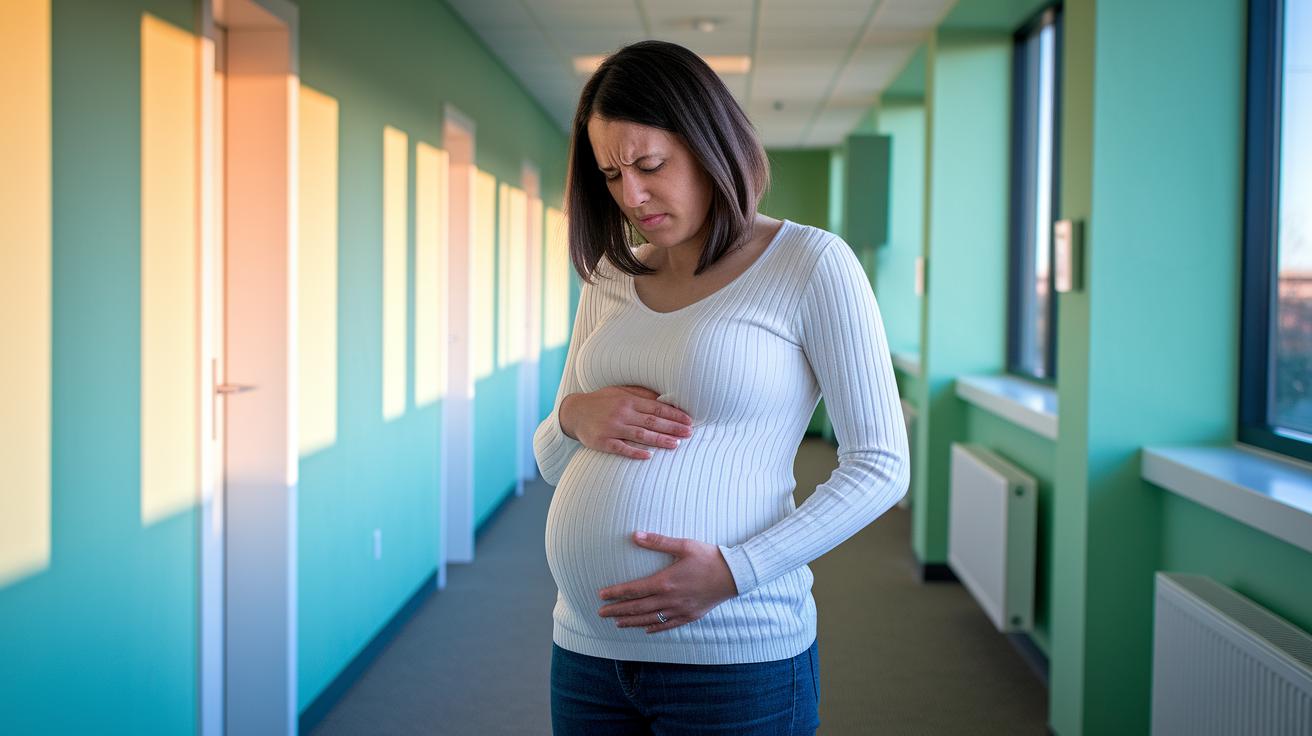

Quick Take: Mild stomach cramps during pregnancy are usually normal, but watch for warning signs.
Triage Box:
• If you notice any of these emergency signs, call emergency services now:
- Severe, sharp pain that does not go away
- Heavy bleeding or clots
- Fever, chills, or feeling very dizzy
• If your cramps worsen or change suddenly, seek same-day medical care.
• Otherwise, note your symptoms and share them with your doctor.
Most mild cramps happen because your body is growing and hormones are changing. These aches are often just part of your body’s natural adjustment to a growing baby.
What You Can Do:
- Keep a simple log of your cramps. Write down the date, time, how long they last, and any additional symptoms.
- Note if the pain is mild, moderate, or severe.
- Watch for any changes and tell your healthcare provider if the pattern changes or if red flags occur.
It’s normal to feel worried about these symptoms, but most of the time they’re not a sign of something serious. Your doctor can help you understand what’s normal and what might need more attention.
Reviewed by: [Clinician Reviewer’s Name, Specialty] | Last Updated: [Date]
Sources: [1] American College of Obstetricians and Gynecologists – Guidance on pregnancy symptoms
Understanding Pregnancy Stomach Cramps: What’s Normal and Why They Occur
Quick take: Mild cramps during early pregnancy are normal and usually come from your body adjusting to growth and changing hormones.
Triage Box:
- Emergency: Call emergency services immediately if you experience heavy bleeding, fever, severe pain, or any signs of infection.
- Urgent: Seek same-day care if cramps become constant or very painful.
- Watch and Self-manage: Monitor mild, occasional cramps that happen after meals or with changes in position.
Pregnancy cramps happen as your body works to support your baby. Rising progesterone (a pregnancy hormone) slows your digestion, which can cause gas, bloating, and some discomfort. These cramps are usually gentle and come and go; they are less intense than typical menstrual cramps.
Your growing uterus may also cause mild lower-abdominal aches. As it expands, the uterus stretches the tissues nearby, and you might notice short, gentle pains, kind of like a rubber band stretching slowly. This is a normal sign that your body is changing.
Keep track of your symptoms by noting when the cramps occur, how long they last, and their intensity (mild, moderate, or severe). This simple log can help you talk with your healthcare provider during your prenatal visits and decide if further care is needed.
Differentiating Normal Pregnancy Stomach Cramps from Concerning Pain

Most stomach cramps during pregnancy are normal and usually occur because of hormone changes and your growing uterus. They are often mild, come and go, and are not a cause for worry. Keeping a simple log can help; note the time, how long the cramps last, and their strength. For instance, write down: "Tuesday at 3:00 PM, moderate cramps for 30 minutes." This record lets you quickly see if your cramps are usual or if they are changing.
Watch for these warning signs:
- Heavy vaginal bleeding
- Intense, constant pain
- Fever or chills
- Burning when you pee (painful urination)
- More frequent or longer-lasting cramps
If you have burning during urination along with sharp, steady cramps, it might be a sign of an infection or another complication. When these symptoms appear, act now and get in touch with your healthcare provider.
Stomach Cramp Patterns Across Trimesters
Quick take: Your cramps may change as your body grows during pregnancy.
Triage:
If you have any of these emergency signs, get help now:
- Severe, sharp pain that does not ease
- Heavy bleeding
- Fever or chills
- Difficulty breathing or moving due to pain
In the first trimester, your body is adjusting to pregnancy. Rising progesterone (a hormone that relaxes your muscles and slows digestion) can cause gentle belly spasms. These cramps, linked to early digestion and implantation (when the embryo attaches to the uterus), may come and go.
In the late first and early second trimesters, you might feel pain from the round ligament (the tissue that supports your uterus). This discomfort can be sharp or dull in your lower belly and may spike when you change positions suddenly. Many women describe these brief, noticeable aches as a normal part of daily life.
By the third trimester, the cramps often shift as your uterus grows heavier and your baby changes position. You may experience lower-belly pressure along with ongoing cramps due to the extra weight. Tracking when these cramps occur and how long they last can help you monitor changes as your body readies itself for birth.
Most Common Causes of Stomach Cramps During Pregnancy
Quick take: Cramps in pregnancy often come from normal changes in your body, but watch for signs that need urgent care.
If you have any of these emergency signs, call emergency services now:
- Severe or constant pain
- Heavy bleeding
- Dizziness or fainting
- A fast heartbeat
If your cramps are mild and come and go, here are some common reasons:
Hormonal Changes and Digestion:
Your body makes more progesterone (a hormone) during pregnancy. This hormone relaxes your muscles and slows down digestion. That slowdown can cause gas, bloating, and constipation. For example, if you have a heavy meal and then feel bloated with mild cramps, it is likely due to these changes.
Round Ligament Tension:
As your uterus grows, the ligaments (tissues that hold your uterus in place) must stretch. This stretching may cause quick, sharp pains, especially when you move suddenly or change positions. You might feel a short, sharp pain when you get out of bed or bend down.
Muscle Strain:
Getting overexerted or changing positions fast can strain your abdominal muscles. If you notice your cramps getting worse after a brisk walk or climbing stairs, it might be muscle strain adding to the discomfort from other causes.
Trigger Foods:
Sometimes, heavy or hard-to-digest foods can make your stomach feel more upset. These foods can cause extra gas and worsen cramps. It can help to track your meals and note when you experience cramps. This way, you may see a link between certain foods and your symptoms, and make choices to reduce discomfort.
Warning Signs in Pregnancy Stomach Cramps: When to Seek Medical Help
Quick take: Mild cramps often happen during pregnancy, but certain symptoms need immediate attention.
Many pregnant women feel light cramps as their bodies change. Keep in mind that 10–15% of pregnancies before 20 weeks can end in miscarriage. Your body might also develop a urinary tract infection (UTI), which needs quick treatment with safe antibiotics.
If you experience any of these warning signs, call your healthcare provider right away:
- Heavy vaginal bleeding
- Sharp, ongoing pain
- Fever
- Chills
- Painful urination
Track your symptoms to help decide if these cramps are normal changes or a sign of a complication. This guidance works with other advice on telling everyday pregnancy cramps apart from sounds of trouble and when to get care.
Safe At-Home Relief for Pregnancy Stomach Cramps

Quick take: Use simple home care to ease mild stomach cramps during pregnancy. If you have severe pain, heavy bleeding, fever, or persistent vomiting, call emergency services immediately.
What can help you at home:
- Move slowly when changing positions. Quick moves can pull on the ligaments (tissues that support your uterus) and cause sudden pain.
- Stay well-hydrated. Drinking water helps your digestion and can reduce gas and bloating, which might worsen cramps.
- Eat small, frequent meals that are high in fiber. This not only helps your digestion but also keeps your energy steady all day.
- Use a low-heat compress or heating pad on your lower belly. The gentle warmth can ease muscle tension and reduce minor cramping.
- Add gentle stretching or prenatal yoga to your routine. These activities boost blood flow and relax muscles, helping to relieve ligament stress.
At-home relief techniques checklist:
- Move slowly to avoid sudden strain.
- Apply a low-heat compress or heating pad on your belly.
- Eat small, fiber-rich meals often.
- Drink plenty of water.
- Practice gentle stretching or prenatal yoga.
- Track your symptoms and share any changes with your healthcare provider.
Try these steps regularly to see what works best for you. If your discomfort worsens or you notice red flags, don’t wait, contact your healthcare provider.
Professional and Medical Options for Managing Pregnancy Stomach Cramps
Quick take: If your cramps are severe or change suddenly, you need a healthcare check.
Triage Box:
- Call emergency services now if you have heavy bleeding, fever over 102 F, or signs of preterm labor.
- Seek same-day care if your pain gets worse or you notice new, troubling signs like vomiting or dizziness.
- Monitor your symptoms and follow your provider’s advice for home care.
Sometimes, cramps during pregnancy can go beyond simple home care. Your doctor or midwife needs to check any pain before you take medications, even over‐the‐counter ones. They will review your pain patterns and your digestion to make sure nothing serious is happening. Regular prenatal visits help track any changes to your condition.
If your cramps disrupt daily life or come with other worrisome symptoms, set up a virtual or urgent-care appointment. During these visits, tell your provider exactly when the pain starts, how long it lasts, and how strong it feels. Jot down your symptoms and any triggers to help them see the full picture.
Here’s what you can do when seeking care:
- Write down each pain episode with the time and severity.
- Tell your healthcare provider about any new or worsening symptoms.
- Follow their advice before taking any medications.
This way, you and your provider can choose a treatment plan that is safe for both you and your baby.
Final Words
In the action of understanding pregnancy stomach cramps, this post broke down common causes, differences across trimesters, and clear safety warnings. It explained normal changes like uterine growth and digestive shifts while highlighting red flags that need urgent care. We offered practical, at-home relief steps and discussed when to consult a healthcare provider. This guide helps you track symptoms, decide on the next steps, and share focused details with your clinician. Stay informed and proactive as you manage stomach cramps during pregnancy.
FAQ
Is it normal to experience stomach pain in early pregnancy?
Experiencing stomach pain in early pregnancy is common. Hormonal shifts, such as increased progesterone, and the uterus starting to change can lead to mild, intermittent cramps. Severe pain, however, should be discussed with a clinician.
How do stomach cramps differ across trimesters?
Stomach cramps vary across trimesters. Early pregnancy cramps are related to hormonal and implantation changes, second-trimester pain often stems from ligament stretching, and third-trimester cramps may result from the expanding uterus and baby movements.
What level of cramping in early pregnancy is considered normal?
Normal early pregnancy cramps feel similar to mild period cramps and occur intermittently. They are usually not severe, and if the pain intensifies or persists, it is best to seek medical advice promptly.
How can I relieve stomach cramps during pregnancy?
To relieve pregnancy cramps, try slow position changes, use low-heat compresses, practice gentle stretching or prenatal yoga, maintain hydration, and eat small, high-fiber meals. These steps can ease discomfort and support digestion.
What does upper versus lower stomach pain indicate during pregnancy?
Upper stomach pain often links to digestive issues, while lower abdominal pain usually comes from uterine expansion and ligament stretching. Both are common during pregnancy, but persistent or worsening pain merits a professional evaluation.
What helps with period-like cramps during early pregnancy?
Period-like cramps in early pregnancy typically arise from hormonal adjustments and uterine changes. Gentle stretches, warm compresses, and rest can offer relief, but if the cramps become severe or include other symptoms, it is important to seek care.