
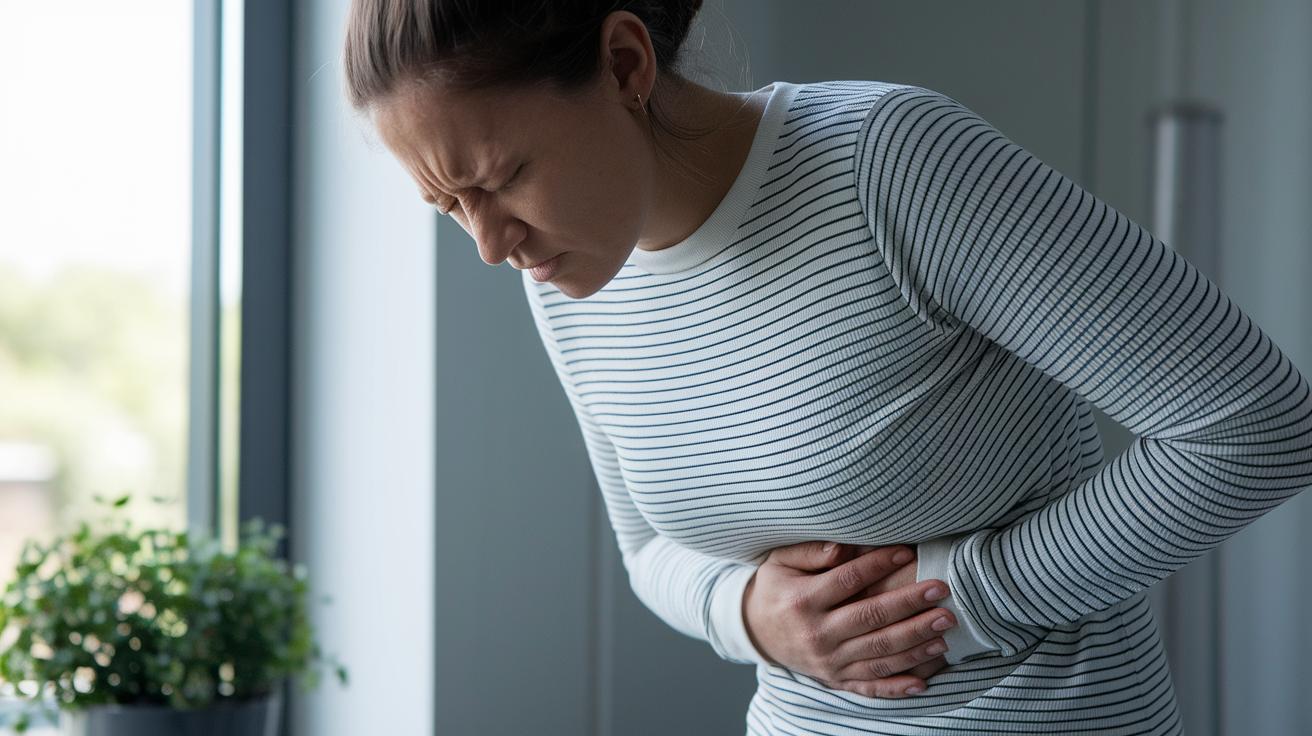

Quick take: Sudden stomach cramps and diarrhea can have many causes. Take quick action if red flags appear.
If you have any of these emergency signs, call emergency services now:
• Severe pain that comes on suddenly
• Dizziness or fainting
• Blood in your stool or vomit
• A fever above 102°F (39°C)
• Signs of dehydration (dry mouth, little or no urination)
Your discomfort might come from a stomach bug, food poisoning, or another issue. Here’s what you can do right away:
- Rest and drink plenty of water or an electrolyte drink.
- Note the time your symptoms started and any other changes.
- Follow clear steps at home but be ready to seek help if symptoms worsen.
- Contact your doctor if the pain or diarrhea does not improve in 24 to 48 hours.
These simple steps help you manage your symptoms safely. Remember, it is important to act now if any red flags occur.
Quick Relief & Guidance for Stomach Cramps and Diarrhea
Quick take: These symptoms often come from a stomach virus but may need care if they worsen.
Triage Box:
- If you have any emergency signs, call emergency services now:
- Severe, unrelenting stomach pain
- Fever above 102°F
- Signs of dehydration (little or no urine, dizziness, or feeling lightheaded)
- If your cramps and diarrhea last more than 3 days or get worse, seek same-day medical attention.
- For mild cases, you can manage at home with careful self-care.
Common Cause:
Many times, a virus (like adenovirus causing viral gastroenteritis) leads to watery stools and cramps that typically last 3 to 7 days.
At-Home Steps:
- Take Imodium or Pepto-Bismol according to the label.
- Sip clear liquids like water, tea, apple juice, or electrolyte drinks to keep hydrated.
- Eat simple, starchy foods such as bananas, rice, applesauce, and toast.
- Rest and take it easy.
- Apply a warm compress to your tummy to ease the cramps.
Keep a simple record of your symptoms (when they occur, how severe, and any other signs). If things don’t improve or you feel worse, don’t hesitate to contact your healthcare provider.
Common Causes of Stomach Cramps and Diarrhea

Stomach cramps and diarrhea can hit you fast and make you feel very uncomfortable. They are triggered by different things, and knowing the cause can help you decide if you need to act right away.
Sometimes a stomach bug (viral gastroenteritis, which is an infection from a virus) causes loose, watery stools, cramping, and a slight fever that lasts 3–7 days. Other times, eating food that has harmful germs causes food poisoning. With food poisoning, you might feel sick quickly and start vomiting along with the diarrhea within 6–48 hours after eating the contaminated food.
Food intolerances or allergies – like lactose intolerance (trouble digesting dairy) or celiac disease (a reaction to gluten) – can make your stomach feel bloated and painful after certain foods. In addition, long-term conditions such as irritable bowel syndrome (IBS) or inflammatory bowel disease (IBD, which includes Crohn’s disease and ulcerative colitis) can lead to recurring cramps and changes in your bowel habits over time.
| Cause | Key Features |
|---|---|
| Viral Gastroenteritis | Loose stools, cramps, mild fever; lasts 3–7 days |
| Food Poisoning | Onset 6–48 hours after eating bad food; includes vomiting and diarrhea |
| Food Intolerances/Allergies | Bloating and cramping after eating dairy or gluten |
| Chronic Digestive Disorders | IBS/IBD cause repeated pain and shifting stool patterns |
It is important to understand what is causing your symptoms. With a stomach bug, resting and drinking plenty of fluids usually helps. With food poisoning, you might need to start with bland, starchy foods once you feel a bit better. Paying attention to signs like a quick start of symptoms after a meal or a fever can help you decide if you can take care of yourself or if you should get medical advice.
Sometimes medicines can also upset your stomach. For example, antibiotics can disturb the balance of good bacteria in your gut, and certain antacids with sugar alcohols like sorbitol or mannitol may speed up your bowel movements, leading to watery stools.
Stomach cramps and diarrhea: Instant Relief
Quick take: Simple home steps like store-bought meds, extra fluids, and diet changes can ease your cramps and diarrhea.
If you have any of these emergency signs, call emergency services now:
- Severe dehydration (very weak, dizzy, or confused)
- Blood in your stool
- High fever (over 102°F)
- Diarrhea lasting more than 48 hours
Try these home care steps:
• Take over-the-counter medicines like Imodium or Pepto-Bismol. They quickly slow your intestines and ease cramps.
• Sip plenty of clear fluids such as water, herbal tea, apple juice, or sports drinks. If you feel lightheaded or your mouth is dry, drink a small glass of water or sports drink to replace lost fluids.
• Give your stomach a rest by adjusting your diet. Prepare rice water: boil 1 cup of rice with 2 cups of water for about 10 minutes, then strain the liquid until it turns a little cloudy. Rice water helps bind your stools.
• Stick to easy-to-digest foods like bananas, rice, applesauce, and toast (the BRAT diet). You can also try white potatoes or cassava flour for extra starch.
• Avoid dairy, coffee, and oatmeal until you start feeling better. These foods may irritate your stomach.
• Boost relief with complementary remedies: guava leaves (which have tannins that reduce gut secretions) or a small bit of roasted ginger to help your digestion and ease nausea.
• Rest well and put a warm compress on your belly. This can help ease muscle tension and bring comfort.
Keep an eye on your symptoms. If you don’t feel better soon or notice any severe signs, seek help from a doctor.
When Stomach Cramps and Diarrhea Warrant Medical Attention

Quick take: Stomach cramps and diarrhea lasting more than 3 days need medical care.
If you see any of these warning signs, act now:
- Fever higher than 102°F
- Bloody or black stools
- Very dry mouth or little urine (clear signs of severe dehydration)
- Sharp pain in the lower right side of your stomach
- Unexplained weight loss or blood in your stool that won’t stop
These symptoms mean your body is losing too much water and might be off balance. They can stress your system and lead to serious problems.
A sharp pain in your lower right side might point to appendicitis (inflammation of the appendix). This condition needs urgent care to avoid a rupture. Also, ongoing weight loss or blood in your stool could signal a chronic issue like inflammatory bowel disease (a long-term problem with your gut). Kids, seniors, and people with weak immune systems need extra care.
If you notice any of these red flags or if your symptoms don’t get better, seek care right away.
Preventative Measures and Long-Term Management for Stomach Cramps and Diarrhea
Quick take: A steady routine of safe food practices, proper hydration, and stress management can help keep your gut calm.
If you have any of these warning signs, seek help immediately:
- Call emergency services now if you feel very dizzy, faint, or can’t keep fluids down.
- Get urgent care if you notice blood in your stool or a high fever.
- Reach out to your doctor if your symptoms last more than 3 days.
Every day, take simple steps to protect your stomach. Make sure you cook food until it reaches a safe temperature, throw out anything that looks spoiled, and wash your hands well. These actions help keep harmful germs away and can stop cramps and diarrhea before they start.
Keep drinking water or electrolyte drinks throughout the day, especially on hot days or after exercise, to stop dehydration. A regular meal schedule with gentle, high-fiber foods (foods that help your gut move smoothly) can help ease your discomfort.
To manage these symptoms over time, try to lower your stress. Regular exercise and deep breathing or mindfulness can help. You might also add a digestive supplement or probiotics (good bacteria) to keep your gut healthy. A food and symptom diary can be useful too. Write down what you eat and any tummy troubles; it can help you spot foods that may trigger problems.
Stick to these everyday steps. They offer both immediate relief and a way to keep stomach cramps and diarrhea from coming back often.
Understanding and Diagnosing Underlying Conditions Behind Stomach Cramps and Diarrhea

Quick take: Stomach cramps and diarrhea can be from a simple bug or a sign of a more serious issue.
If you have any of these emergency signs, call emergency services now:
• Severe, non-stop stomach pain
• High fever (above 102 F)
• Blood in your stool
• Signs of heavy dehydration (dizziness, extreme thirst, lightheadedness)
Your doctor will start by asking about your symptoms, recent travel, and any chance you ate or drank something unsafe. They check your health through a physical exam and may order simple lab tests like a complete blood count (CBC) and stool cultures. These tests help rule out common causes like indigestion, bacterial or parasitic infections, or even problems caused by constipation leading to overflow diarrhea.
If your symptoms stick around or the tests don’t give a clear answer, your doctor will look deeper. They might suggest more detailed tests to check for conditions like irritable bowel syndrome (a condition that hurts your gut and affects digestion), inflammatory bowel disease (long-term bowel inflammation), or celiac disease (an allergy to gluten that damages the gut). Imaging tests and tools like an endoscopy or colonoscopy let your doctor see your digestive tract’s inner lining. This extra check helps decide if the issue is just a short-term irritation or a more serious, lasting condition.
Basic Diagnostic Steps
At your first visit, your doctor will ask about your overall health and any travel history while doing a physical exam. They often order tests like a CBC and stool culture to look for infection, inflammation, or bleeding. This approach helps spot common causes and guides whether more tests are needed.
Advanced Testing Methods
If your problem continues or the cause isn’t clear, your doctor might recommend further procedures. An endoscopy or colonoscopy gives a closer look at your digestive tract. Imaging studies can spot signs of long-term issues. These extra tests help make sure that more complex problems are not missed and that you get the right treatment.
Final Words
In the action, this article outlined how to manage stomach cramps and diarrhea with clear self-care steps and safe guidance. We covered quick relief with over-the-counter options, proper hydration, and diet tweaks, along with when to seek immediate care. You now have a roadmap for tracking symptoms and preventing recurring issues. Stay positive, follow these steps, and keep well as you work towards easing your discomfort.
FAQ
What medicine can I take for stomach cramps and diarrhea?
The medicine for stomach cramps and diarrhea includes OTC options like Imodium (loperamide) and Pepto-Bismol (bismuth subsalicylate) to slow intestinal movement and help ease symptoms when used as directed.
How can I relieve stomach pain and diarrhea?
The ways to relieve stomach pain and diarrhea include using OTC remedies, sipping clear fluids and electrolyte drinks, applying a warm compress, resting, and eating bland foods like those in the BRAT diet.
What if I have stomach cramps and diarrhea without vomiting or if the pain comes in waves?
The situation of having stomach cramps and diarrhea without vomiting or experiencing pain in waves typically indicates a mild viral infection, so focus on hydration, rest, and a gentle diet while monitoring your symptoms.
How long do stomach cramps and diarrhea usually last?
The duration of stomach cramps and diarrhea typically lasts 3 to 7 days with a viral infection; if your symptoms continue beyond this or worsen, then it is a signal to seek medical advice.
What should I do if I experience sudden or prolonged stomach cramps and diarrhea?
The steps for sudden or extended stomach cramps and diarrhea include staying hydrated, taking OTC medications as directed, resting, and applying a warm compress; if symptoms persist beyond 3 days or severe signs occur, you should consult a doctor.
What are three red flags in abdominal pain?
The red flags in abdominal pain include a fever over 102°F, bloody or black stool, and severe dehydration marked by a dry mouth or minimal urine, each of which requires immediate medical attention.
What are four signs and symptoms of gastroenteritis?
The signs and symptoms of gastroenteritis include frequent watery stools, abdominal cramps, low-grade fever, and nausea, all of which suggest the importance of keeping hydrated and getting proper rest.
What foods can trigger stomach cramps and diarrhea?
The foods that can trigger stomach cramps and diarrhea generally include dairy products, gluten in individuals with sensitivities, and heavily spicy or greasy meals, so it is best to stick to bland, starchy foods during recovery.