
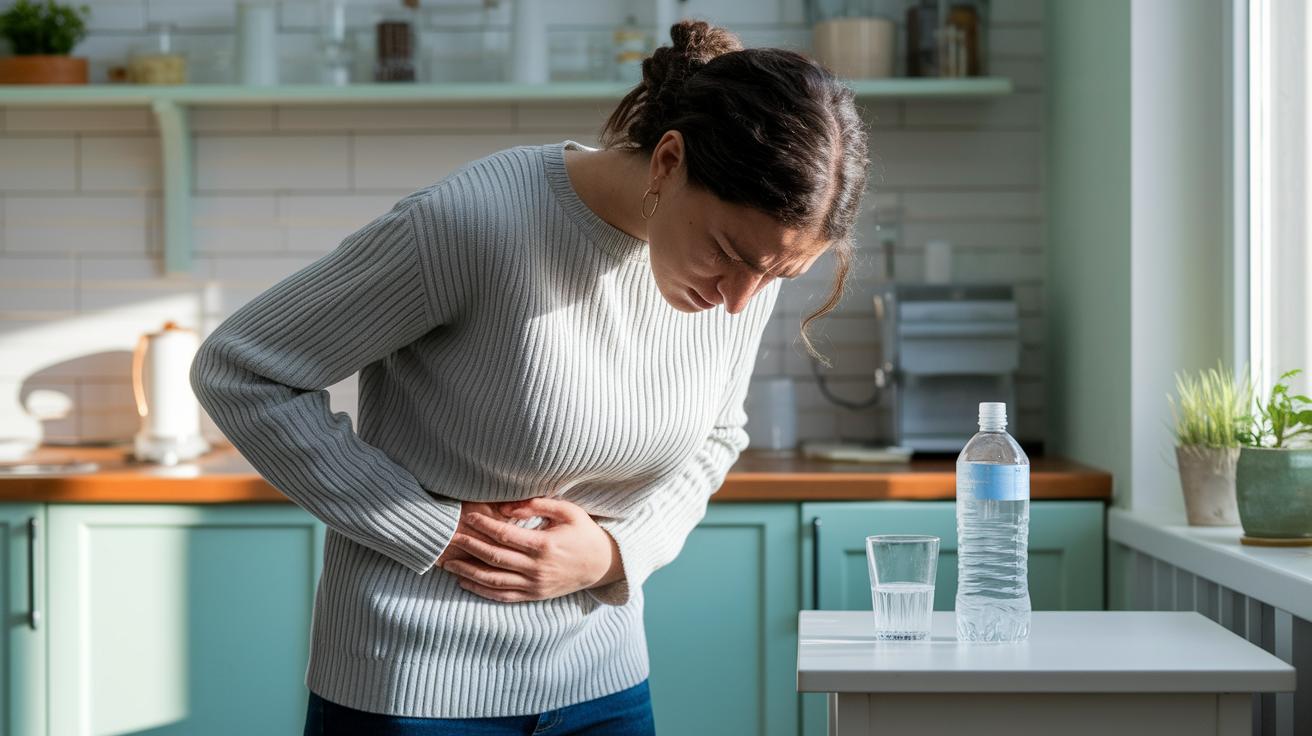

Quick take: Stomach pain after a heavy or rushed meal is often from simple indigestion or muscle strain, but watch for worsening signs.
If you show any of these red flags, call emergency services now:
• Severe, unrelenting pain
• Vomiting blood or black, tarry stools
• A fever over 102°F or signs of dehydration
• Pain that quickly worsens or spreads
Common causes include:
• Indigestion (trouble processing food)
• Gas or bloating from eating too fast
• Muscle strain from overeating
Here’s what you can do right now:
- Rest and avoid heavy meals.
- Track your pain by noting the date, time, and any triggers.
- Drink water slowly to help ease the discomfort.
These steps help you decide whether to manage your symptoms at home or seek care if they worsen. Let’s work together to get you feeling better today.
Managing Stomach Cramps and Bloating: Top Causes, Symptoms, and Quick Relief
Quick take: Your belly discomfort is often due to simple causes like indigestion or gas, but severe symptoms need immediate care.
Triage Box:
If you have any of these emergency signs, call emergency services now:
- Severe, unrelenting pain
- Fever
- Constant vomiting
- Blood in your stool
Your stomach cramps and bloating happen when your tummy muscles tighten or twist. This can feel like a squirming or clenching in your belly. Often, rich, heavy meals, fast eating, or undigested food can lead to extra gas (airy bubbles like methane and hydrogen) and muscle strain. This extra pressure after a heavy meal can make you feel very uncomfortable.
For quick relief at home, try these simple steps:
- Eat slowly to swallow less air.
- Use a warm compress on your belly to ease muscle tension.
- Take a short walk to help move your digestion along.
Common causes include:
- Indigestion from fatty or spicy foods
- Excess gas from quick eating or food that ferments
- Constipation due to low fiber and not drinking enough water
- Muscle strain from eating too fast
- Hormonal changes that cause bloating, especially around menstrual time
Keep track of your symptoms. Write down the time, what you ate, and how severe your pain was (mild, moderate, or severe). If your symptoms get worse or do not improve, contact a healthcare provider right away.
Dietary Tweaks for Reducing Stomach Cramps and Bloating
Quick take: Changing your diet can ease stomach cramps and swelling.
Triage Box:
• Red Flags: If you experience severe, sharp pain, a high fever (102 F or above), or repeated vomiting, call emergency services now.
• Urgent: If your discomfort worsens or you feel very unwell, seek same-day medical care.
• Basic Care: Follow these tips and monitor your symptoms.
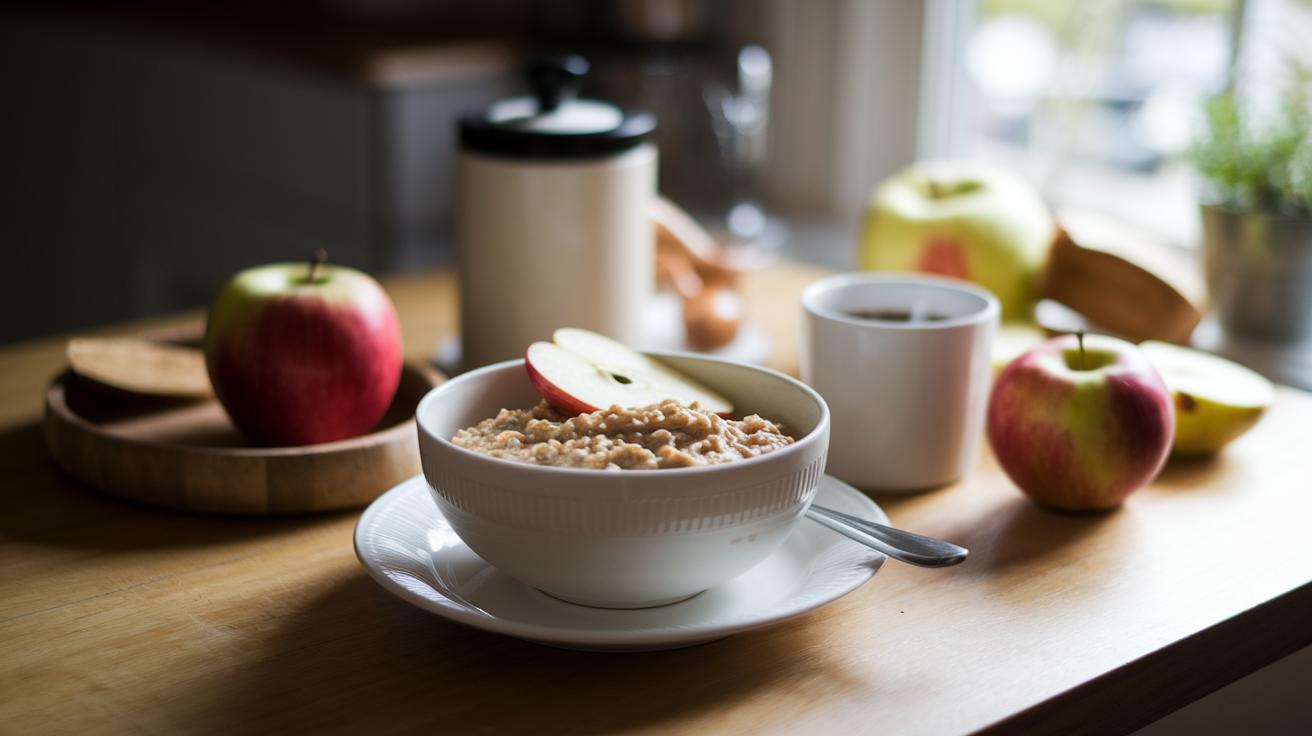
Add extra fiber to your meals. Foods like whole grains, beans, fruits with their peel, vegetables, and nuts help push waste through your system and can ease cramps. For instance, a bowl of oatmeal with apple slices (with the skin on) might help reduce bloating.
Try a low FODMAP eating plan. This means avoiding foods that cause extra gas. By choosing meals that are gentler on your stomach while still adding fiber, you may experience fewer cramps and less bloating.
Stay hydrated. Drinking 48 to 64 ounces of water or clear liquids like broth each day helps soften stool and flush out extra salt. This is key to preventing constipation, which can worsen cramps and bloating.
During menstruation, keep your sodium intake under 2,300 mg by choosing low-sodium options. Also, practice mindful eating, eat slowly, chew thoroughly, and give yourself time between bites. This simple habit reduces the amount of air you swallow, easing discomfort in your gut.
Try these dietary changes today. Small tweaks can lead to a big improvement in how you feel.
Home Remedies and Over-the-Counter Options for Cramp and Bloating Relief
Quick take: Home and OTC remedies can ease cramps, reduce bloating, and help your digestion work better.
If you have any of these emergency signs, call emergency services now:
- Severe, sharp pain that comes on suddenly
- High fever (102 F or higher) or persistent vomiting
- Signs of dehydration like dizziness or confusion
Dietary and Lifestyle Home Remedies
When your stomach hurts, simple changes can make a big difference. You can take a fiber supplement or eat a fiber-rich snack to help move waste along your gut. Drinking 48 to 64 ounces of water each day softens stool and may ease cramps. A gentle walk for about 10 minutes after meals may boost your digestion and reduce discomfort. You can also try a warm compress or heating pad on your belly to help your muscles relax. Many people find that sipping peppermint tea soothes spastic pain and calm your gut. These easy steps are good ways to try and ease your symptoms at home.
OTC Treatments for Gas and Spasms
If home changes are not enough, over-the-counter options may help further. Stool softeners can ease constipation, which sometimes makes cramping and bloating worse. Mild antacids help neutralize stomach acid after a heavy meal, reducing discomfort. Digestive enzyme supplements may help break down food better and cut down on gas. For quick relief from cramp-related gas, simethicone-based drops work to lessen the bubbles of gas in your stomach. These OTC options work together to help you feel more comfortable faster.
When Stomach Cramps and Bloating Signal a Serious Condition
Quick take: Severe gut pain may be a sign of a serious condition that needs prompt evaluation.
If you have any of these emergency signs, call emergency services now:
- Sharp, sudden abdominal pain with repeated vomiting or an inability to pass gas.
- Extreme pain that does not get better.
- Abdominal swelling that makes breathing hard or leaves you very tired.
If these signs are not as severe but still concerning, seek same-day medical attention for:
- Ongoing cramps with weight loss or any blood in your stool.
- Unexplained, intense bloating and feeling full quickly that leads to losing weight.
Sometimes, your gut symptoms could mean problems like a blocked bowel from scar tissue, tumors, or hernia. Persistent cramping, unexpected weight loss, or blood in your stool can also point to inflammatory bowel diseases like Crohn’s disease or ulcerative colitis.
Organ issues such as liver disease, heart failure, or kidney problems can cause a buildup of fluid (ascites) in your belly. This swelling may come with breathing trouble and tiredness and needs urgent care.
| Condition | Key Warning Signs |
|---|---|
| Bowel obstruction | Severe pain, vomiting, inability to pass gas or stool |
| Diverticulitis | Sharp lower-left pain, fever, changes in bowel habits |
| Inflammatory bowel disease | Chronic cramping, weight loss, blood in stool |
| Abdominal cancers | Unexplained bloating, weight loss, early satiety |
| Ascites (organ failure) | Abdominal swelling, shortness of breath, fatigue |
Keep track of your symptoms. Write down the date and time, how bad the pain is, and any other signs you experience. If things get worse or do not improve soon, seek help right away.
Stress and Lifestyle Factors Influencing Stomach Cramps and Bloating

Quick take: Stress can make your stomach hurt by slowing digestion and boosting inflammation.
Triage:
• If you have severe, sharp pain, vomiting, or if the cramps last for more than 3 days, call emergency services now.
• If the pain increases or you notice blood, seek urgent care.
• If these red flags aren’t present, try stress-management techniques and monitor your symptoms.
Stress triggers the release of hormones that slow the natural movement of food (gut motility) and raise inflammation. This slowdown can lead to extra gas and a bloated, uncomfortable belly.
To help ease the discomfort, consider stress management techniques. Try a simple mindfulness meditation: sit quietly, focus on your breath, and notice each in-breath and out-breath without judging them. Another useful method is progressive muscle relaxation, where you tense then relax different muscle groups to soothe your body.
Deep breathing works well too. For example, use a 4-4-4 method: breathe in for 4 seconds, hold for 4 seconds, and exhale for 4 seconds. This exercise can help lower your heart rate and ease stomach tension.
You can also add small lifestyle changes for better gut health. Instead of a long walk, try 5 minutes of seated stretching paired with mindful hydration. Slowly sip water while picturing your body relaxing.
| Technique | Example |
|---|---|
| Mindfulness Meditation | “Sit quietly, notice your breath, and bring your focus back when it wanders.” |
| Progressive Muscle Relaxation | “Tense your arms for 5 seconds, then relax for 5, and work through each muscle group.” |
Preventive Measures: Building a Long-Term Spasm-Free Digestion Plan
Quick take: Steady meals, balanced nutrition, and a few lifestyle tweaks can help ease your digestion.
Stick to a regular eating schedule. Eating at the same times each day trains your gut to work properly. Keep your meals moderate so you don’t overload your digestive system. Choose balanced meals with lean proteins, whole grains (healthy carbs), and good fats for steady energy.
Boost your fiber intake. Foods like whole grains, beans, fruits, and vegetables help keep you regular and reduce bloating. Add a little yogurt or kefir for a boost of probiotic (good) bacteria in your gut. Also, drink 48 to 64 ounces of water or clear liquids each day. Drinking enough water softens your stool and makes it easier for waste to pass.
Do a little exercise every day. Even a 10-minute walk or some simple yoga poses can help your intestines move food along. Keep a diary of your meals, symptoms, and any triggers you notice. Writing things down helps you see patterns so you can make tweaks for lasting relief.
Try these steps for a spasm-free digestion plan:
- Stick to a regular meal time.
- Keep portions moderate and meals balanced.
- Increase fiber and stay well-hydrated.
- Do daily exercise and track your symptoms.
These changes can lead to long-lasting comfort and a healthier gut.
Final Words
In the action, you learned about common causes and effective remedies to ease stomach cramps and bloating. The guide broke down symptoms, dietary tweaks, home remedies, and red flags to watch for. We shared tips on reducing discomfort through mindful eating and practical over-the-counter options. A symptom diary and simple lifestyle changes can make a real difference. Keep tracking your progress and remember that a balanced routine is key to feeling better. Stay positive and keep moving toward faster, safer relief.
FAQ
How can I relieve stomach pain, bloating, and cramps fast?
Relieving stomach pain, bloating, and cramps fast means trying gentle movement, sipping warm water, using a heating pad, eating slowly, and using over-the-counter anti-gas or antacid remedies.
Why do I feel so bloated that I look pregnant, and what does it mean when my stomach feels heavy?
Feeling so bloated that you look pregnant means your stomach has extra gas or fluid. This heaviness can come from diet, constipation, or hormonal changes, and if it lasts, you should talk to a healthcare provider.
What do severe, persistent stomach pain and lower abdominal bloating with cramps indicate, and how can I tell if they are serious?
Severe, persistent pain and bloating with cramps may signal an underlying issue. If you also experience fever, vomiting, or very intense pain, it is important to seek medical help immediately.
How can gas pain during pregnancy be relieved safely?
Relieving gas pain during pregnancy means sipping warm water, taking light walks, using a heating pad on your belly, and avoiding foods that trigger gas. Always consult your provider if symptoms wane or worsen.