


Quick Take: Vomiting can cause stomach cramps because your belly muscles work hard during the process.
Triage Box:
• If you feel severe pain, confusion, or signs of dehydration (dizzy, very thirsty, rapid heartbeat), seek medical care now.
• If your vomiting lasts more than 24 hours or you cannot keep fluids down, call your doctor.
• For mild cramps and a stable condition, try self-care at home.
Vomiting forces your abdominal muscles to contract quickly and strongly. This extra effort can cause the muscles to cramp, leading to pain afterward. Common causes include a stomach bug (an infection causing vomiting), dehydration (not enough water in your body), or even food poisoning.
What to Do:
- Hydrate: Sip water or an electrolyte drink slowly.
- Rest: Lie down in a comfortable position.
- Use a warm compress gently on your belly to help ease the cramp.
- Monitor your symptoms: Write down your pain level and any other signs you feel.
Remember, if your symptoms worsen or you notice red flags, seek medical attention immediately. Stay safe and take care of yourself.
Common Causes of Stomach Cramps After Vomiting
Quick Take: Vomiting strains your stomach muscles and can lead to cramps.
Triage Box:
• If you have severe, constant pain, call emergency services now.
• If you feel dizzy, weak, or confused, seek urgent care.
• For mild discomfort, try resting and rehydrating while you monitor your symptoms.
When you vomit, your abdominal muscles work extra hard. This extra effort can cause sharp, painful cramps. Vomiting not only strains your muscles but also sets off reactions in your gut that can leave you feeling both sore and tired.
Several factors can bring on these cramps. Sometimes, your body reacts to irritants that upset your stomach, which makes your muscles tighten. Other times, vomiting drains essential fluids and minerals (electrolytes) that help your muscles work properly.
- Stomach bug: Viruses like norovirus, rotavirus, or adenovirus can inflame your stomach and intestines, leading to cramps.
- Food poisoning: Harmful bacteria, viruses, or toxins can cause vomiting, cramps, and diarrhea.
- Acid irritation: Vomiting can make your stomach lining sensitive and painful by causing gastritis (stomach lining inflammation).
- Dehydration: Losing fluids and electrolytes can upset your muscle balance, causing spasms.
Often, these factors work together. The forceful action of vomiting strains your muscles while irritation from a virus or bacteria, acid, and fluid loss add to the discomfort. Knowing why these cramps occur can help you decide on the best steps to take for relief.
How Digestive Spasms Develop After Vomiting
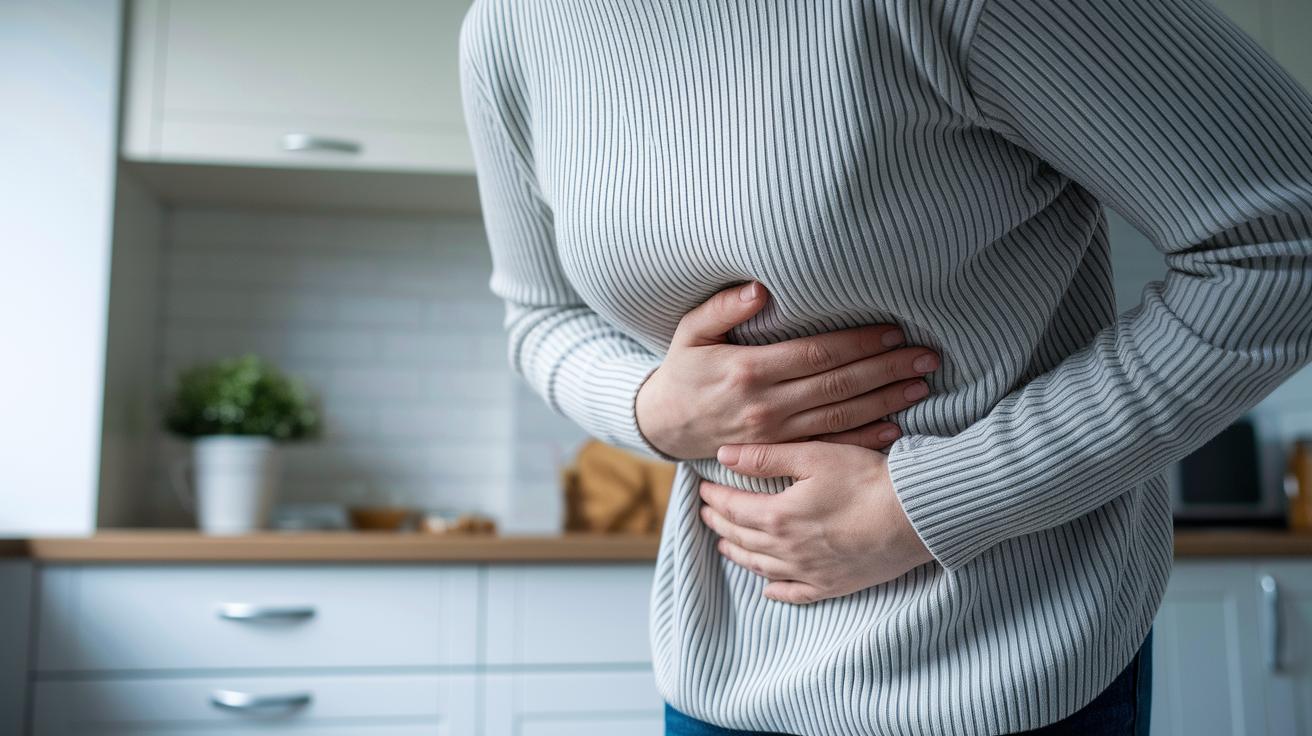
When you vomit hard, your belly muscles work extremely hard. They become tired and strained, which can lead to sharp cramps. Even a few episodes of vomiting can leave your muscles sore and prone to spasms.
Vomiting also irritates your stomach lining. This irritation, known as gastritis (inflammation of the stomach), makes the nerves in your gut more sensitive. When these nerves are extra sensitive, even small muscle twitches can hurt a lot.
Losing fluids and minerals (electrolytes) from vomiting can upset the balance your muscles need to work well. If a virus is the cause, the added inflammation makes your gut even more reactive. This mix of muscle strain, stomach irritation, and electrolyte imbalance creates the conditions for painful digestive spasms after vomiting.
Recognizing Serious Signs with Stomach Cramps After Vomiting
Quick take: Stomach cramps following vomiting are common, but if you notice extra warning signs, act right away.
If you have any of these emergency signs, call emergency services now:
- High fever (102 F or more) that does not subside
- Blood in your vomit or stool, which may be a sign of internal injury
- Pain that lasts more than 24 hours without easing
- Signs of dehydration such as dizziness, a very dry mouth, or very little urine
- Sudden weight loss or extreme tiredness
Stomach cramps after vomiting are often normal, but when they come with these additional symptoms, it might mean there is a serious issue. It is important to seek medical care quickly. A doctor can check for complications and help prevent the condition from getting worse.
Home Remedies for Soothing Post‐Vomiting Cramps

When you've been vomiting, the first step is to rehydrate. Sip small amounts of clear fluids like water or broth. If a full glass feels too much, try ice chips instead. This gentle approach helps ease cramping and supports your recovery.
A warm compress on your stomach can relax tight muscles. Use a warm towel or heating pad on your belly to soothe the discomfort, almost like a cozy blanket for your muscles.
Light, circular massages on your abdomen may also help. With gentle pressure, massage your stomach slowly in a circle. This simple action can release tension and provide quick relief when the cramps feel too painful.
Over-the-counter antacids can further relieve the pain by neutralizing extra stomach acid. Combining this with sitting or resting upright may lower the pressure on your stomach and boost digestion as you recover.
Preventing Future Cramps with Lifestyle Adjustments
Once you’re on the mend, consider small changes to help prevent future cramps. Sleeping with your upper body slightly elevated can reduce pressure on your stomach and lessen cramp episodes.
Ease back into daily activities slowly. Try these steps:
- Do gentle stretches.
- Take short walks.
- Practice deep breathing.
These small actions can help your body stay relaxed and reduce the chances of more cramps.
Hydration and Electrolyte Balance to Ease Cramps After Vomiting
Quick take: Replacing lost fluids with the right mix can ease cramps after vomiting.
If you have any of these emergency signs, call emergency services now:
- Severe dizziness or confusion
- Trouble breathing
- Chest pain or rapid heartbeat
If your symptoms do not improve soon, seek same-day medical attention.
Using an oral rehydration solution (ORS) is an easy way to refill lost fluids. ORS is a mix of water, sodium (salt), and glucose (sugar) that helps your body absorb water fast. It replaces key minerals and can reduce muscle cramps after vomiting. If you don’t have ORS packets, you can mix a simple version at home.
Coconut water or low-sugar sports drinks work well too. They deliver natural minerals such as potassium and magnesium that support muscle function and ease cramping. These drinks can help while you slowly return to your usual eating and drinking routine.
It’s best to wait 10–15 minutes after vomiting before drinking any fluids. This pause helps your stomach settle so you won’t trigger more nausea. Then, sip fluids slowly to start rehydrating gently.
Keep an eye on how you’re doing by checking your urine color. Pale yellow usually means you are well hydrated. Notice any changes in how you feel too. These cues show that your body is steadily regaining its electrolyte balance.
Dietary Guidelines to Minimize Post‐Emesis Cramps

Quick take: Eat small, bland meals to help calm your stomach after vomiting.
If you have any of these signs, call emergency services right away:
- Severe, constant pain
- Signs of dehydration such as dizziness, fast heartbeat, or fainting
- Bleeding that does not stop
After you vomit, your stomach needs gentle, easy-to-digest foods. Stick with bland, low-fiber choices that let your gut rest. Greasy, spicy, or dairy-heavy items can upset your stomach more.
A good plan is the BRAT diet (bananas, rice, applesauce, toast). These foods can help firm your stool and soothe your gut. Eating small meals often gives your body nourishment without overwhelming your healing stomach.
Try this one-day meal plan to ease cramps and support recovery:
| Meal | Food & Drink |
|---|---|
| Breakfast | Applesauce, toast, and a small glass of water |
| Mid-morning | Banana and rice porridge |
| Lunch | Clear chicken broth with rice and a pinch of salt |
| Afternoon Snack | Plain applesauce or another banana |
| Dinner | Steamed carrots, mashed
Medical and Pediatric Care for Persistent Cramps After VomitingQuick Take: If you have cramps after vomiting, you need to watch for warning signs and act if symptoms worsen. Triage Box: Adults: Pediatric and Infant Care: Final WordsIn the action, this article broke down common causes, digestive spasms, and red flags for post-vomiting cramps. We covered why abdominal discomfort happens, how hydration, diet, and gentle remedies can ease pain, and when to seek help immediately. Each section aimed to guide you step by step through symptom management. Remember, these insights help manage stomach cramps after vomiting and keep you confident in handling your care. Keep positive and stay safe. FAQWhat is the treatment for stomach pain after vomiting?The treatment for stomach pain after vomiting involves resting your gut, staying hydrated with clear fluids, and using over-the-counter antacids or warm compresses to ease discomfort. What kills a stomach virus?The stomach virus does not have a specific cure; the body clears the virus with supportive care like hydration, rest, and sometimes antiemetics, while antibiotics are ineffective. How should I manage abdominal pain and vomiting without a fever?Abdominal pain and vomiting without a fever may indicate mild gastritis or food irritation; focus on staying hydrated, consuming bland foods, and monitoring symptoms for any worsening. What is stomach flu and how is it managed?Stomach flu is a viral gastroenteritis that causes vomiting, diarrhea, and sometimes stomach pain; managing it includes resting, drinking clear fluids, and gradually easing back into eating. What should I do if I experience sudden stomach pain and vomiting?Sudden stomach pain and vomiting can signal food poisoning or a severe gastrointestinal issue; if the pain is intense or persistent, seek urgent medical advice immediately. What are effective home remedies for stomach pain and vomiting?Home remedies for stomach pain and vomiting include taking small sips of clear fluids, applying a warm compress, gently massaging the abdomen, and resting in an upright position to reduce pressure. Is it normal for the abdomen and stomach muscles to hurt or cramp after vomiting?It is common for the abdomen to hurt or for stomach muscles to cramp after vomiting due to muscle strain and acid irritation; if the pain lasts longer than expected or becomes severe, contact a healthcare professional. How can I relieve stomach cramps from throwing up?Relieving stomach cramps from throwing up may be achieved by slowly hydrating, using warm compresses, gently massaging your abdomen, and if needed, taking over-the-counter antacids to soothe the irritation. How long does it typically take for your stomach to recover from vomiting?Recovery from vomiting usually takes between 24 and 48 hours with proper rest, hydration, and a gradual return to bland foods, though persistent symptoms should be evaluated by a clinician. Subscribe Today GET EXCLUSIVE FULL ACCESS TO PREMIUM CONTENT SUPPORT NONPROFIT JOURNALISM EXPERT ANALYSIS OF AND EMERGING TRENDS IN CHILD WELFARE AND JUVENILE JUSTICE TOPICAL VIDEO WEBINARS Get unlimited access to our EXCLUSIVE Content and our archive of subscriber stories. Latest article |