
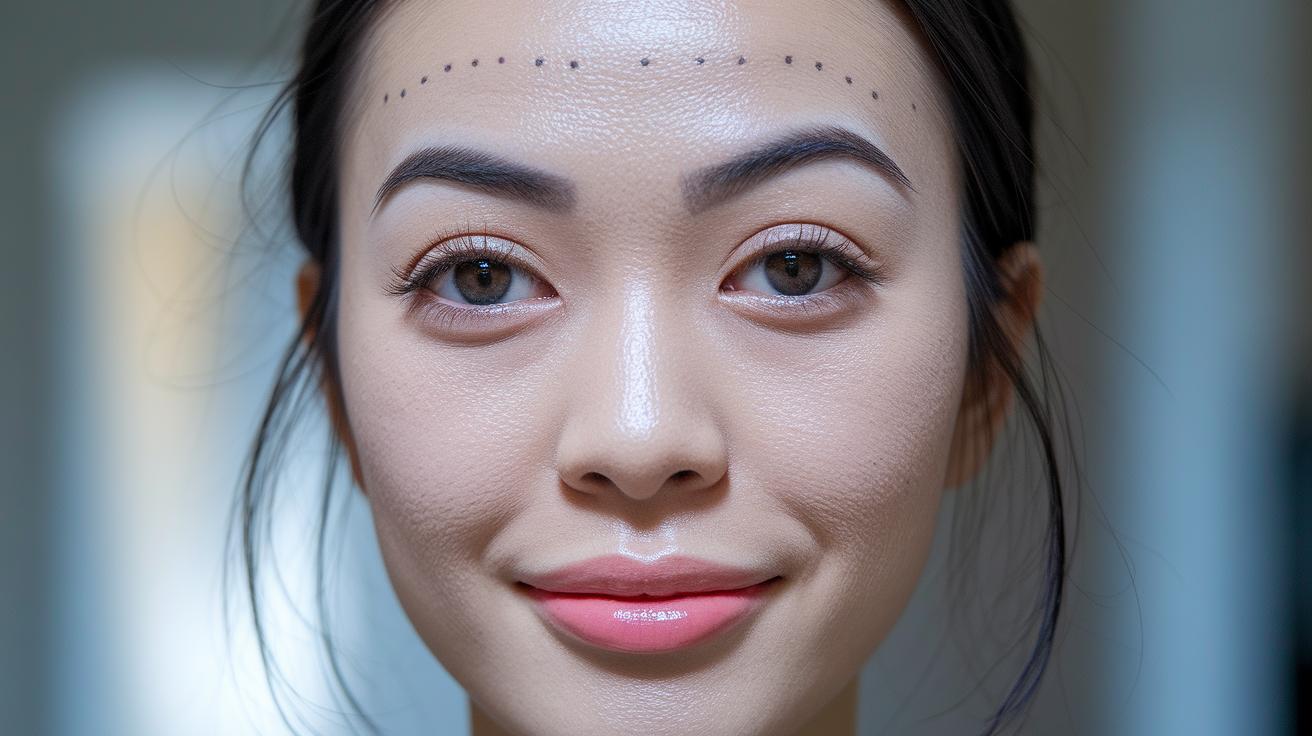

Quick take: Most small bumps on your forehead are just blocked pores and aren’t dangerous unless you notice worsening pain or pus.
If you have any of these signs, call your doctor immediately:
• Severe, increasing pain
• Pus or redness that spreads
These tiny bumps usually start when oil and leftover skincare products block your pores. They might look odd, but if you don’t see signs of infection, they are generally harmless.
Try these steps to keep your skin smooth:
- Wash your face gently with a mild cleanser.
- Use non-oily skincare products.
- Keep an eye on the bumps, if they grow red, painful, or start producing pus, seek care.
This guide is here to help you understand your skin and take action if things change. Stay observant and take care of yourself.
Understanding Small Forehead Bumps and Their Presentation
Quick take: Many small bumps on your forehead come from blocked pores and are usually not serious.
If you see one of these signs, call your clinician today:
- A bump that grows larger or more painful
- Signs of infection like pus or fever
Small bumps on your forehead usually form when pores get clogged by oil (sebum), dead skin, and debris. These substances build up and block the hair follicles. This blockage can lead to different types of bumps.
You might notice red bumps without pus. These are called papules. They show inflammation (swelling) but do not mean there is an infection. Sometimes, a closed pore forms a whitehead. If the trapped material inside the pore turns dark, you get a blackhead. In some cases, the blockage is deeper and forms larger, painful bumps known as nodules or cysts. These can sometimes scar if not treated properly.
Factors like not cleaning your face well or the buildup of products such as makeup and sunscreen can cause clogged pores. Your personal care routine, environment, and hygiene habits also play a role.
Look at the bump closely. Is it a small red papule, a whitehead, or a darkened blackhead? Noticing its type helps you figure out how serious it might be and if you need to adjust your skin care.
Simple steps you can take:
- Clean your face gently twice a day
- Use products that won’t clog your pores
- Watch for any changes in the bumps
By understanding what you see, you can choose the best care to help keep your skin clear.
Common Triggers Behind Tiny Forehead Eruptions
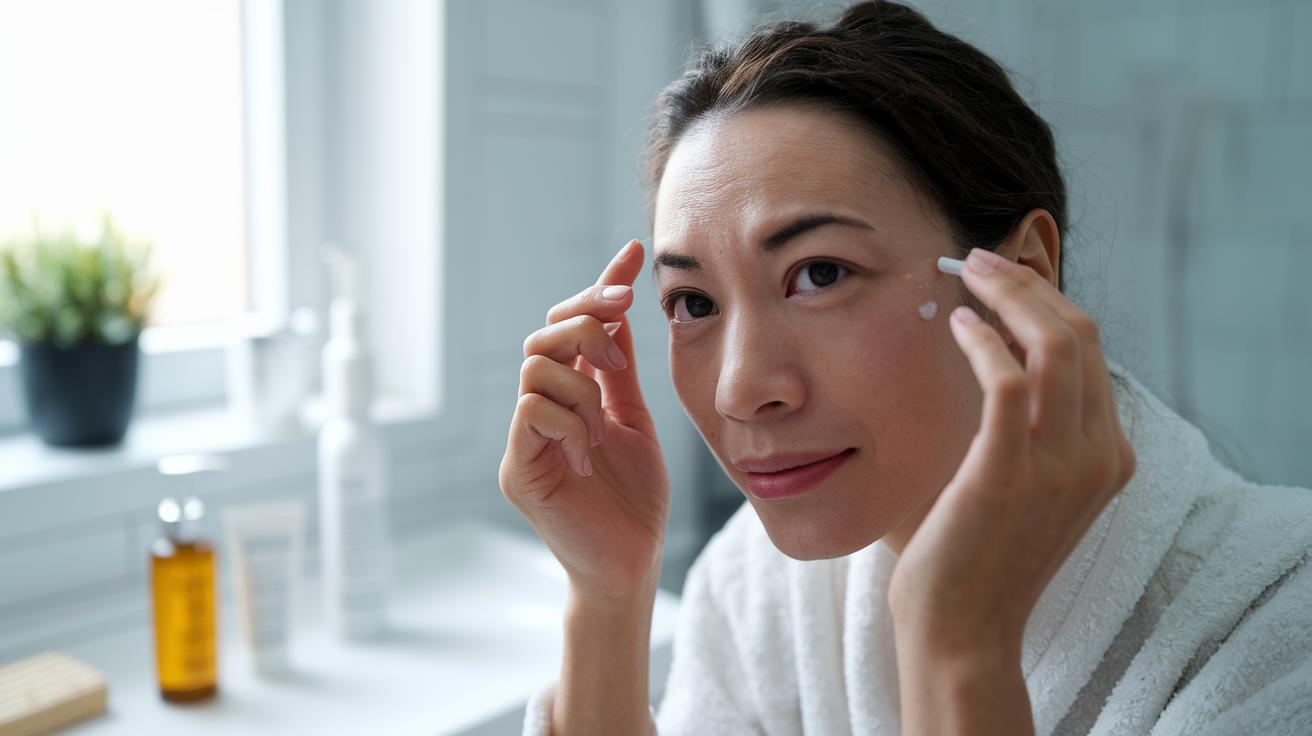
Quick take: Tiny bumps on your forehead may come from leftover makeup and sunscreen, extra hair products, or an allergic reaction.
Triage Box:
- Call emergency services now if you have severe pain, swelling, fever, or signs of an infection.
- Seek same-day medical help if redness or swelling spreads quickly.
- Otherwise, keep an eye on the bumps and note any changes.
Every day, products like makeup and sunscreen can leave residue on your skin. These leftovers mix with natural oils. They can clog the small pores on your forehead. Even if you wash your face well, some products stick around and trap dirt in your pores.
Extra oils from hair styling products or an oily scalp can add to the problem. When dandruff flakes mix with oil, they spread bacteria. A common fungus (Malassezia, which causes fungal overgrowth) may block hair follicles. This can lead to bumps that look like acne. Sometimes, trapped skin protein called keratin makes tiny white cysts called milia, which look different from red bumps.
Allergens or irritants can also trigger an allergic reaction (contact dermatitis). This causes the skin to get red and bumpy. Sun exposure might worsen the situation by stressing your skin. By keeping track of these triggers, you can choose your products and habits wisely to help your skin look smoother.
Differentiating Acne, Milia, Fungal Bumps, and Keratosis Pilaris on Forehead
Quick take: Your forehead bumps could be acne, milia, fungal acne, or keratosis pilaris. Check their look to decide what care you need.
Sometimes a spot on your forehead signals different skin issues. Acne shows up as red, swollen bumps or small flesh-colored spots from clogged pores (oil and dead skin). Milia are tiny, white bumps that form when keratin (a protein) gets trapped under your skin. Fungal acne, also known as Malassezia folliculitis, appears as even, itchy pimples spread across your skin. Keratosis pilaris gives your skin a rough, bumpy feel, much like goosebumps, due to extra keratin lining the hair follicles.
| Condition | Appearance | Cause | Distinct Feature |
|---|---|---|---|
| Acne | Red bumps or small, skin-colored spots | Clogged pores from oil and dead skin | Inflammation and occasional pain |
| Milia | Tiny white bumps | Trapped keratin | Smooth, pearl-like look |
| Fungal Acne | Even, itchy pimples | Yeast overgrowth (Malassezia) | Itchiness with even spread |
| Keratosis Pilaris | Rough, skin-colored bumps | Extra keratin buildup | Goosebump-like texture without redness |
Knowing these differences can help you decide on the best care. For example, a gentle cleanser with salicylic acid might ease acne, while regular moisturizing is often key for keratosis pilaris. Watch for changes in size, color, or discomfort. If your skin condition worsens or you feel worried, reach out to a healthcare professional for advice.
At-Home Treatment Methods for Clearance of Forehead Bumps
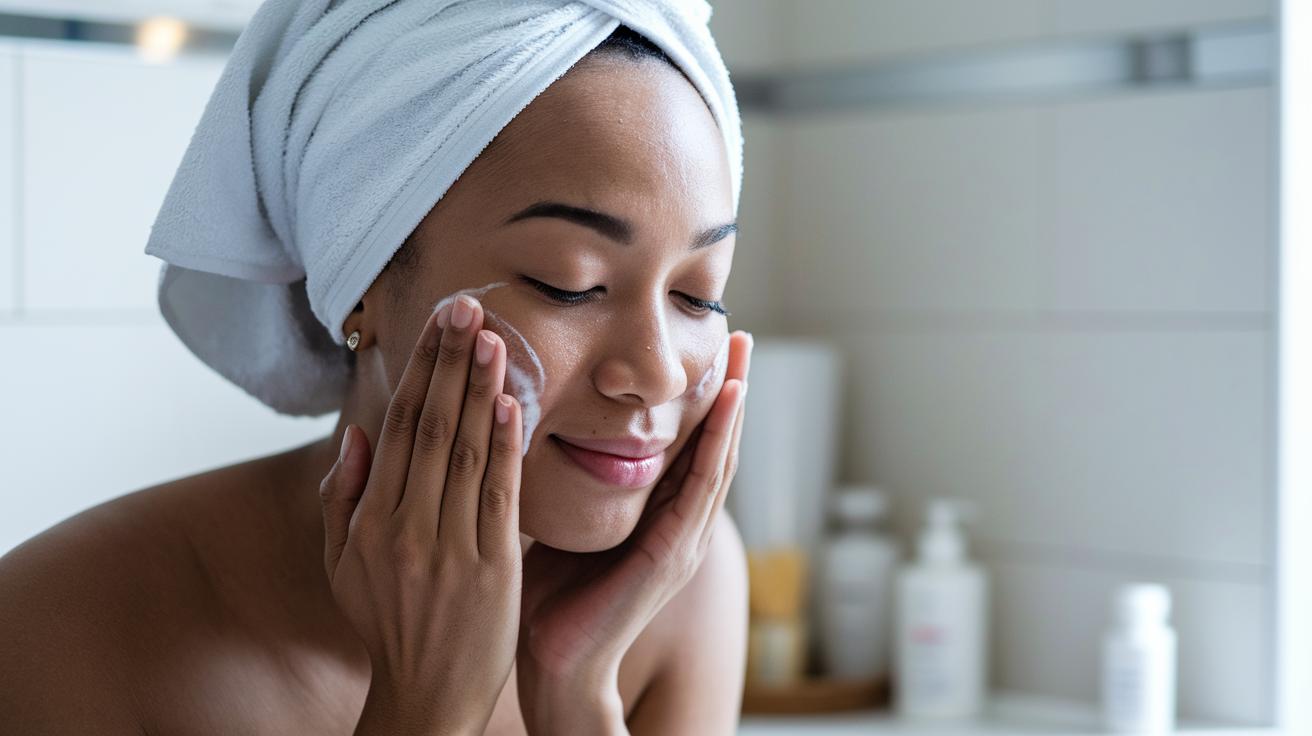
Quick take: Use gentle, step-by-step at-home care to clear forehead bumps. They are often clogged pores with mild irritation.
If you have any of these emergency signs, get help right away:
- Bumps that turn very red or swollen.
- Severe pain or warmth in the area.
- Pus or signs of infection.
- Bumps that persist or worsen for more than 2 weeks.
Gentle Cleansing
Start with a light, non-comedogenic cleanser that washes away oil and dirt without drying your skin. Wash your face twice daily to remove built-up oil, dead skin cells, and debris. This simple step gives your skin a fresh start, keeps pores open, and lowers your risk of new bumps.
Targeted Exfoliation and Serums
Two to three times a week, try a low-strength formula with salicylic acid (a gentle acid that clears pores) or niacinamide (a calming serum). These products help dissolve blockages and reduce inflammation. Use them after cleansing for better absorption and to gently boost your skin’s clarity.
Hydration and Soothing
Finish by applying an oil-free moisturizer that locks in moisture without clogging pores. For any redness or irritation, dab a bit of aloe vera gel or tea tree oil (a natural antibacterial remedy) on the affected spots. Avoid popping bumps to prevent infection or scars. Following these simple steps consistently can help your skin clear up over a few weeks.
Prevention Tips and Routine Adjustments for Smooth Forehead Skin
Keep your skin healthy with a simple daily routine. Wash your face gently twice a day with a mild cleanser to remove oil and dirt. After washing, apply a light, non-comedogenic moisturizer that keeps your skin soft without clogging pores. Don’t forget to use a broad-spectrum SPF 30+ each day to protect your skin from sun damage. A quick morning routine of cleansing, moisturizing, and then applying SPF can make a big difference over time.
Small changes in your daily habits can also help reduce forehead bumps. Change your pillowcase often to stop oil from transferring onto your face. Keep your hair away from your forehead to avoid extra oil and debris. A gentle shampoo helps keep your scalp clean, reducing dandruff that may clog your pores. These simple adjustments work together to maintain a clear skin texture.
Managing stress and getting enough sleep can lower your chances of flare-ups. When you are rested and less stressed, your body controls oil production better. Try deep breathing or take a short walk during a busy day to relax. These habits boost your overall health and help keep your forehead smooth and balanced.
When to Consult a Dermatologist for Persistent Forehead Bumps
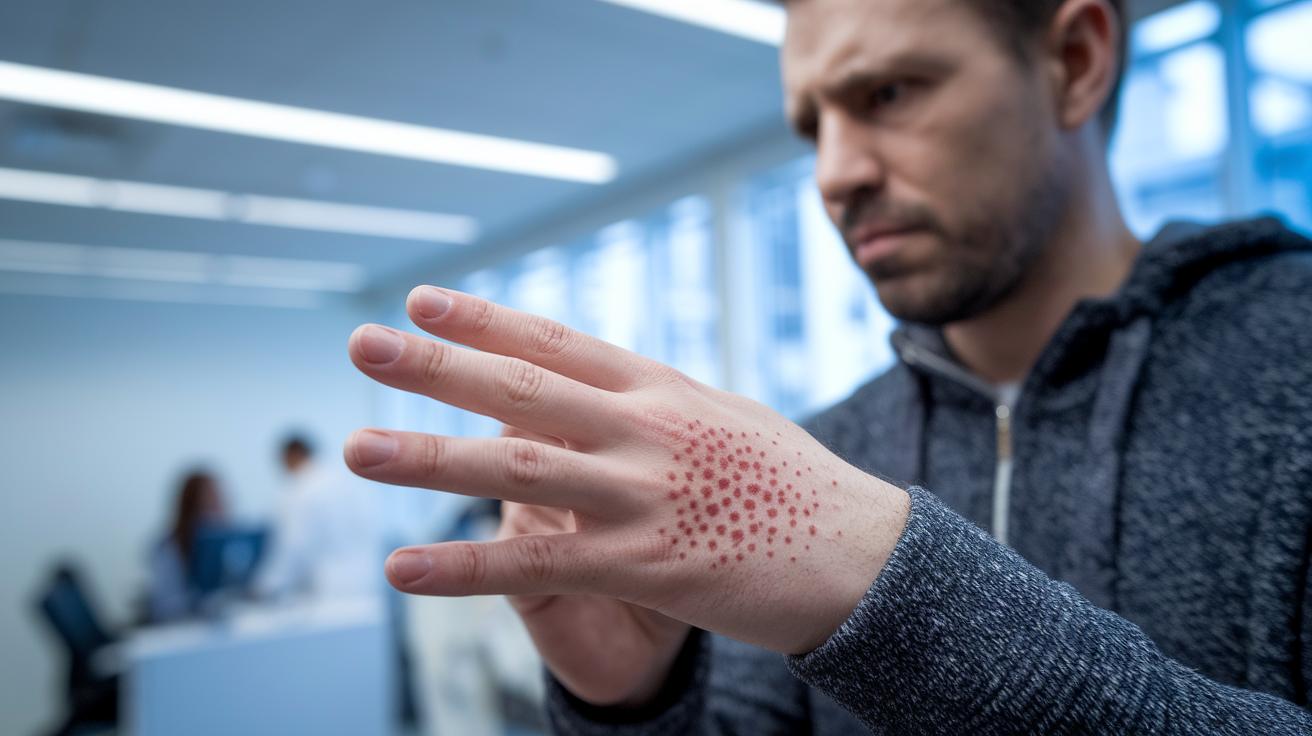
Quick take: If your forehead bumps hurt more, grow, or show signs of infection like warmth, pus, or red streaks, see a dermatologist soon.
If you notice any of these red flags, do the following:
- Call emergency services now if severe pain or swelling makes it hard to breathe.
- Seek same-day care if the bumps enlarge quickly, spread, or show clear signs of infection.
- Watch your bumps carefully. If they don’t improve with proper home care, contact a dermatologist.
Bumps that don’t go away or that risk leaving scars need professional help. A dermatologist will check your skin to find out if the bumps are a form of acne, small cysts (deep bumps), or another skin issue. They may suggest creams, pills, laser treatments, or chemical peels. In cases where it isn’t clear what is causing the bumps, they might do a small biopsy (removing a tiny bit of skin for testing).
Getting care right away is key to helping your skin heal and preventing long-term problems.
Final Words
In the action, we've covered what small bumps on forehead can look like, what causes them, and how to tell similar issues apart. We explored safe at-home treatments, routine tweaks for prevention, and signs that warrant a dermatologist. This guide helps you quickly decide between self-care and professional help if needed. Remember, simple adjustments and early care can make a big difference. Stay proactive and confident about your skin health.
FAQ
Q: What are tiny bumps on my forehead that aren’t acne, and how do I treat them at home?
Tiny bumps that aren’t acne often result from clogged pores or trapped keratin (milia). Treat them by gently cleansing with a non-comedogenic cleanser, using a mild exfoliant like salicylic acid, and applying an oil-free moisturizer.