


Quick take: Better sleep starts with simple, manageable changes.
Missing a few hours of sleep is not a minor issue. Studies show poor sleep can lead to mood swings and tiredness. Our checklist offers simple steps, like setting a regular bedtime and designing a calm sleep space. This guide explains how small changes in your nightly routine can help you feel more energetic during the day. By following these tips, you might reduce daytime sleepiness and boost your overall health. A good night’s sleep could be the game changer you need.
Comprehensive Sleep Health Checklist for Restful Nights
Quick take: If you struggle with sleep, a steady routine can make a big difference.
Triage Box:
• Red flags: If you feel very tired during the day or notice big mood swings, contact your clinician.
• Urgent: If you keep having poor sleep night after night, seek advice from a healthcare provider.
• Self-care: Use this checklist to build a calm bedtime routine and watch your sleep trends.
Good sleep starts with clear habits. Many people sometimes have sleep troubles, about 35% experience occasional issues, 20% have short-term difficulties, and 10% deal with problems three or more nights each week. Your body clock (circadian rhythm, a 24-hour cycle that tells you when to sleep and wake) is very sensitive to your daily routine. Keeping a steady schedule can help keep this rhythm balanced.
A checklist helps you cover all the important points, from timing your sleep to creating a peaceful environment. When you follow these steps, you lower the risk of daytime fatigue and mood changes and promote overall well-being.
Key sleep tips:
- Wake up at the same time every day
- Keep your bedtime consistent
- Practice relaxing activities (like deep breathing or meditation) before bed
- Set up a dark, quiet sleep space
- Use a comfortable mattress and pillows
- Keep your room at an ideal temperature (60-67°F)
- Turn off screens 30-60 minutes before bed
- Avoid caffeine and alcohol in the evening
- Exercise daily, but not within 2 hours of bedtime
- Track your sleep to notice patterns
- Be aware of signs like daytime fatigue and mood changes
For more details on improving your sleep, explore our sections on sleep environment, daily routine, lifestyle habits, tracking, and warning signs.
Sleep Health Checklist: Evaluating Your Rest Environment

A calm, comfy bedroom helps you fall asleep faster and sleep deeper. When your room is quiet, dark, and cool, your body gets the right message that it’s time to rest.
Quick take: A well-set room makes it easier to sleep. If you keep having problems catching quality sleep, talk to your doctor.
Light Control
Keep your room dark to help your body produce sleep hormones. Close your windows with thick curtains, and use an eye mask if needed. Swap out bright LED bulbs for lamps that emit a softer, low-blue light. These simple steps tell your body it’s time to wind down.
Noise Management
A quiet space is key to a good night’s sleep. Try a white-noise machine to cover up background sounds. If you’re sensitive to sound, earplugs can help. Try to reduce even small noises from appliances to keep your space peaceful.
Temperature & Comfort
Keeping your bedroom between 60°F and 67°F can improve your sleep quality. Choose bedding that lets your skin breathe, and make sure your mattress and pillows comfortably support your body. This can help keep your neck aligned and your body relaxed all night.
| Factor | Ideal Setting | Suggested Tools | Action Steps |
|---|---|---|---|
| Light | Deep darkness to boost sleep hormones | Blackout curtains, eye masks, low-blue-light lamps | Block out stray light in your room |
| Noise | Quiet or soft, soothing sounds | White-noise machines, comfortable earplugs, soundproofing options | Minimize any noise that might disturb you |
| Temperature | Steady between 60–67°F | Thermostats, breathable bedding, a supportive mattress | Keep your room cool and inviting |
Sleep Health Checklist: Assessing Your Bedtime Routine
A steady bedtime helps set your body clock (the system that controls sleep and wake cycles) and tells you it’s time to rest. Studies show that a routine that fits your life can boost sleep quality.
Wind-Down Rituals
Try simple activities like slow muscle relaxation, gentle stretching, or taking a warm bath. You can also do mindfulness body scans to help ease your mind. For example, sit quietly, focus on your breath, and let the tension fade away with each exhale.
Screen Curfew
Turn off gadgets 30 to 60 minutes before bed. Bright screens can trick your brain into staying alert. If you need to use a device, turn on a blue light filter or lower the brightness.
Consistent Schedule
Aim to go to bed at the same time every night, even on weekends. This steady routine helps keep your internal clock running smoothly.
Customized Routine Insights
Change your bedtime routine to match your daily needs and stress levels. Here are a few ideas:
• Check your stress levels and choose deeper relaxation when you feel tense.
• Adjust your wind-down time if your work hours shift.
• Keep a sleep diary to track your sleep habits and spot trends.
| Lifestyle Factor | Adjustment Strategy |
|---|---|
| Late work hours | Start winding down earlier and use blue light filters |
| High stress | Add mindfulness exercises and gentle stretches |
| More exercise | Shorten your wind-down period after workouts |
These tips can help you sleep better and feel more rested.
Sleep Health Checklist: Incorporating Lifestyle Factors for Quality Rest

A daily routine that includes moderate exercise, early morning sunlight, and a fiber-rich diet can help you sleep better. When you work out in the morning or afternoon, you signal your body when it is time to be active and when to wind down. Getting natural light early in the day sets your inner clock for a regular sleep schedule. Eating whole grains, fruits, and vegetables gives you the nutrients you need for deeper rest. Fiber-rich foods help keep your blood sugar steady so sudden spikes don't wake you at night.
Evening habits matter too. Drinking coffee late or using nicotine, alcohol, or sleep pills before bed can break up your sleep. These can lower the time you spend in REM (rapid eye movement or dream sleep) and deep sleep, which are key for refreshing your mind and body. Avoiding these stimulants in the evening lets your body naturally shift into sleep mode. Adjusting your routine before bed can lead to more refreshing sleep and help you wake up feeling alert.
Sleep Health Checklist: Tracking and Self-Assessment Tools
Quick Take: Use a paper diary or a simple app to watch your sleep patterns and improve your rest.
A paper sleep diary is an easy tool for tracking your sleep. Write down the time you go to bed, the time you get up, and any moments you wake during the night. This routine simple record helps you notice patterns over days and weeks. It shows how quickly you fall asleep and how long you sleep.
Smartphone and wearable apps are another easy way to check your sleep. They use movement sensors (small devices that track how you move) to tell when you fall asleep and how long you sleep. These apps also count the times you wake up, so you can spot trends without writing anything down.
Each week, take a few minutes to review your notes or app data. Look for changes in sleep quality, total sleep time, or nighttime awakenings. These insights can help you adjust your routine and work toward better sleep.
Sleep Health Checklist: Recognizing Red Flags and When to Seek Help
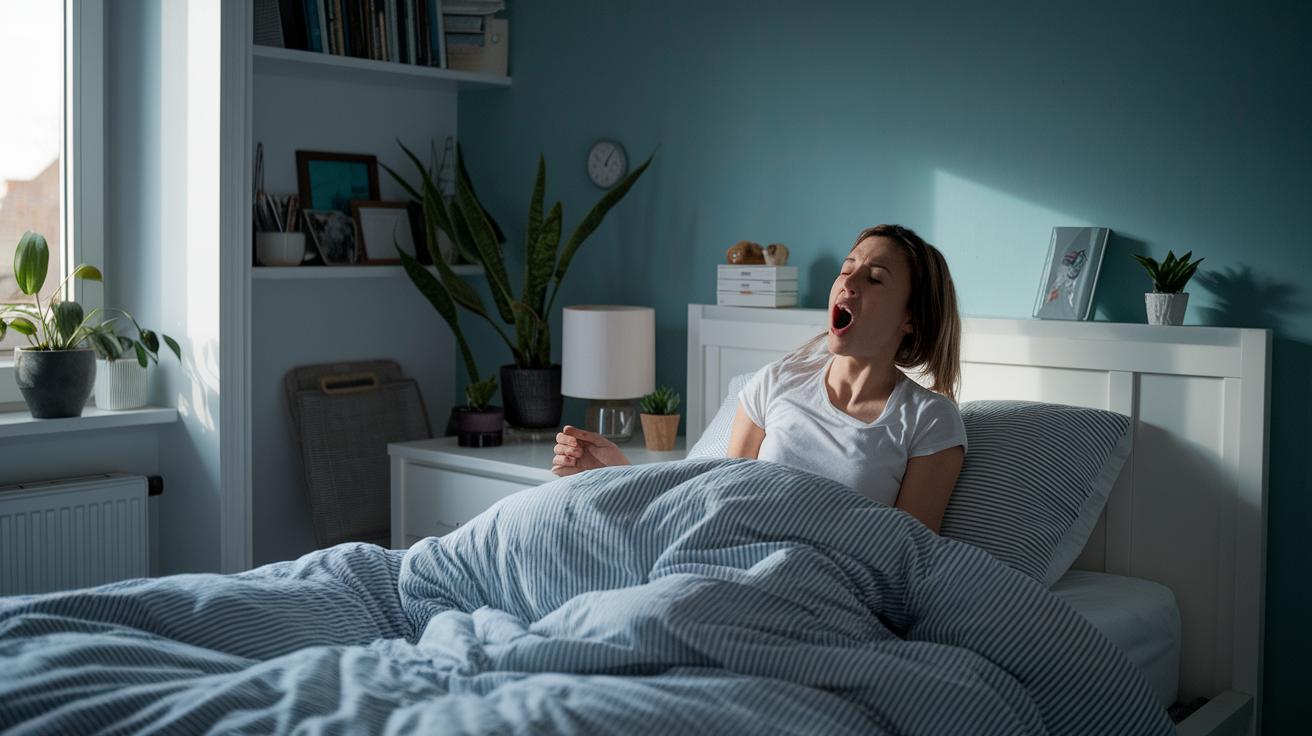
Quick take: Trouble sleeping and feeling tired during the day can mean your sleep isn’t doing its job.
Triage:
- If you wake up gasping for air, have chest pain, or feel faint, call emergency services now.
- If your symptoms get worse quickly, seek same-day medical attention.
- Otherwise, monitor your sleep and set up an appointment with your doctor if problems continue.
If you often wake during the night, you might not be getting the quality sleep you need. Feeling unrefreshed in the morning or being very sleepy during the day are clear signs that something is off. Mood swings, irritability, or trouble concentrating can also mean your sleep is breaking up more than it should.
If these issues stick around, talk with your primary care provider or a sleep specialist. They might suggest cognitive behavioral therapy for insomnia (CBT-I), which helps by changing habits that disrupt sleep. Your doctor may also order a sleep study (polysomnography or PSG) to check for problems like sleep apnea or chronic insomnia (trouble sleeping at least 3 nights per week for 3 months).
Many clinics now offer appointments in just 1 to 7 days, so you can get help quickly if these signs continue.
Sleep Health Checklist: Implementing and Optimizing Your Rest Routine
Review your sleep data from the past 30 days collected by your digital sleep monitor or smartwatch. This long-term record shows patterns in your sleep stages, heart rate, and movement. For example, one person saw a 30-minute gap between when they felt most alert and when they began to wind down. They moved their bedtime 15 minutes earlier and later noticed a 20% boost in deep sleep.
Combine these detailed insights with advice from sleep experts. Adjust your bedtime, wake-up time, pre-bed routines, and even your bedroom lighting based on the data. Keep these changes for at least 4 weeks so your body can settle into a routine that helps you sleep better.
Final Words
In the action, this guide broke down a complete sleep health checklist into clear steps for your sleep environment, bedtime routine, lifestyle habits, tracking, and red flags. Each section gives you practical tools to boost your sleep quality.
Review your checklist regularly. Mark changes that help and signs that might need a closer look. This approach empowers you to improve your nightly rest and overall well-being. Keep using the sleep health checklist to track your progress and sleep better every day.
FAQ
What is a sleep hygiene PDF?
The sleep hygiene PDF is a document that outlines clear guidelines and a checklist to help you build better sleep habits. It offers practical tips to improve your overall sleep quality.
What is a sleep hygiene checklist?
The sleep hygiene checklist is a simple list of practices to enhance sleep health. It gives you easy-to-follow steps for creating a calming sleep environment and stable bedtime routine.
What is a sleep hygiene PDF Harvard?
The sleep hygiene PDF Harvard is a resource developed by or endorsed by Harvard. It presents research-backed tips and methods that guide you toward better sleep habits using trusted scientific findings.
What is CBT sleep hygiene PDF?
The CBT sleep hygiene PDF merges cognitive behavioral therapy with sleep hygiene strategies. It helps you identify and adjust thoughts and behaviors that may be interfering with a good night’s rest.
What is a sleep hygiene handout?
The sleep hygiene handout is a concise guide that lists key tips for better sleep. It is designed for quick reading to help you improve your sleep practices and achieve more restful nights.
What is sleep hygiene for teens PDF?
The sleep hygiene for teens PDF is a resource meant for teenagers. It explains practical steps for managing screen time, setting a regular sleep schedule, and creating an ideal sleep environment.
What is a sleep hygiene ppt?
The sleep hygiene ppt is a PowerPoint presentation that explains the principles of good sleep hygiene. It uses visual slides to walk you through effective practices to improve your rest and overall wellness.
What is the sleep hygiene definition?
The sleep hygiene definition refers to the habits and practices that support healthy sleep. It includes advice on routine, environment, and behavior to help ensure you get uninterrupted, restorative sleep.