
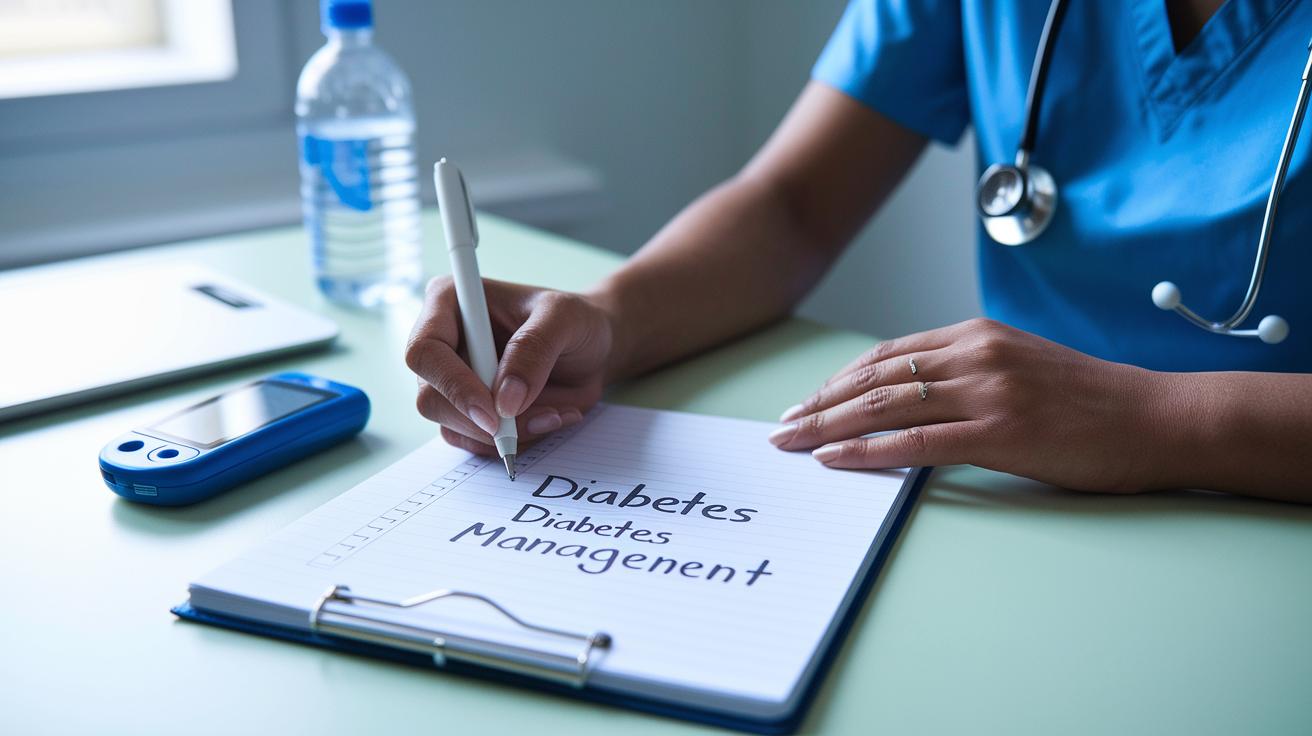

Quick take: A simple daily checklist can help you take control of your diabetes care.
Triage:
• Call emergency services now if you have signs of severe high blood sugar (such as confusion, blurry vision, or trouble breathing) or dangerously low blood sugar (like extreme shakiness or fainting).
• Seek same-day medical help if you feel suddenly very unwell.
• Otherwise, follow these daily steps to keep your diabetes in check.
Feeling overwhelmed by diabetes care is common, but a clear routine can make a big difference. Imagine having a list that reminds you when to take your medication, check your blood sugar, plan your meals, and care for your mental health. This simple checklist is designed to give you confidence and help you spot trends in your daily routine. By following a few easy steps every day, you can avoid surprises and feel more in control of your health. Let’s review how a daily routine can help you manage your diabetes effectively.
diabetes management checklist: Simple Daily Routine
Quick take: Use this daily checklist to manage your diabetes safely and simply.
If you notice any sudden high blood sugar, unusual weakness, or severe foot pain, call your doctor right away.
A daily checklist helps you keep your diabetes in check. It reminds you to take your medication, track your blood sugar, plan meals, move your body, and care for your mental health. This simple routine puts you in control of your health.
• Take your medication and insulin on time.
• Check your blood sugar as scheduled.
• Plan meals and count carbohydrates.
• Track exercise and keep active.
• Do preventive screenings and inspect your feet.
• Manage stress and care for your mental well-being.
Following these steps every day builds a steady routine. It lets you notice patterns, adjust your care when needed, and support both your body and mind.
Medication and Insulin Tracking in Your Diabetes Management Checklist

A clear record of your medications and insulin is essential for safe diabetes management. It helps you avoid missed doses and makes it easier to spot any issues early. By writing down the dose, time, and refill date for each medication, you can keep on track and share important details with your care team.
Follow these steps:
• Write down each medication, the amount you take, when to take it, and the refill date.
• Use an app or set reminders on your phone so nothing is missed.
• Check and update your log every week to notice any changes.
| Medication | Dosage | Administration Time | Refill Date | Notes |
|---|---|---|---|---|
| Metformin | 500 mg | 8:00 AM | 05/12/2023 | Take with water |
| Lantus | 10 units | 8:00 PM | 05/20/2023 | Bedtime injection |
| Glipizide | 5 mg | 12:00 PM | 05/15/2023 | With lunch |
| Novolog | 4 units | Pre-meal | 05/25/2023 | Adjust before meal |
| Acarbose | 50 mg | During meal | 05/18/2023 | Helps manage carbs |
Review this log with your care team to help adjust your treatment. Stick to this routine to help keep your diabetes care safe and steady.
Blood Sugar Tracking and Glucose Monitoring Plan in Your Diabetes Management Checklist
Quick take: Keeping a daily blood sugar log helps you see trends and catch problems early.
If you see any of these signs, act immediately:
• Blood sugar below 70 mg/dL (low) or above 240 mg/dL (high)
• Feeling dizzy, confused, or faint
A steady plan for checking your blood sugar is a big help with diabetes care. Writing down your levels each day lets you spot patterns and share clear information with your care team so they can adjust your treatment if needed. This approach also builds your confidence by showing you when your numbers start drifting from your goal.
A good daily routine includes:
• A fasting check first thing in the morning
• A reading before each meal
• A 2-hour check after eating to see how your body handles food
• A final check at bedtime to capture overnight trends
Each measurement gives a piece of the picture. The morning reading shows your baseline, pre-meal readings remind you of your levels before food, post-meal checks show the food’s effect, and the bedtime reading outlines your night-time pattern.
To keep records clear and useful:
• Use a trusted glucose meter
• Sync your data with an app if possible
• Check your log every week for any changes
Write down the time, your blood sugar number, and any symptoms you notice. At your next visit, sharing this detailed record can help your doctor spot issues sooner and guide your safe diabetes management.
Meal Planning Guide for Your Diabetes Management Checklist
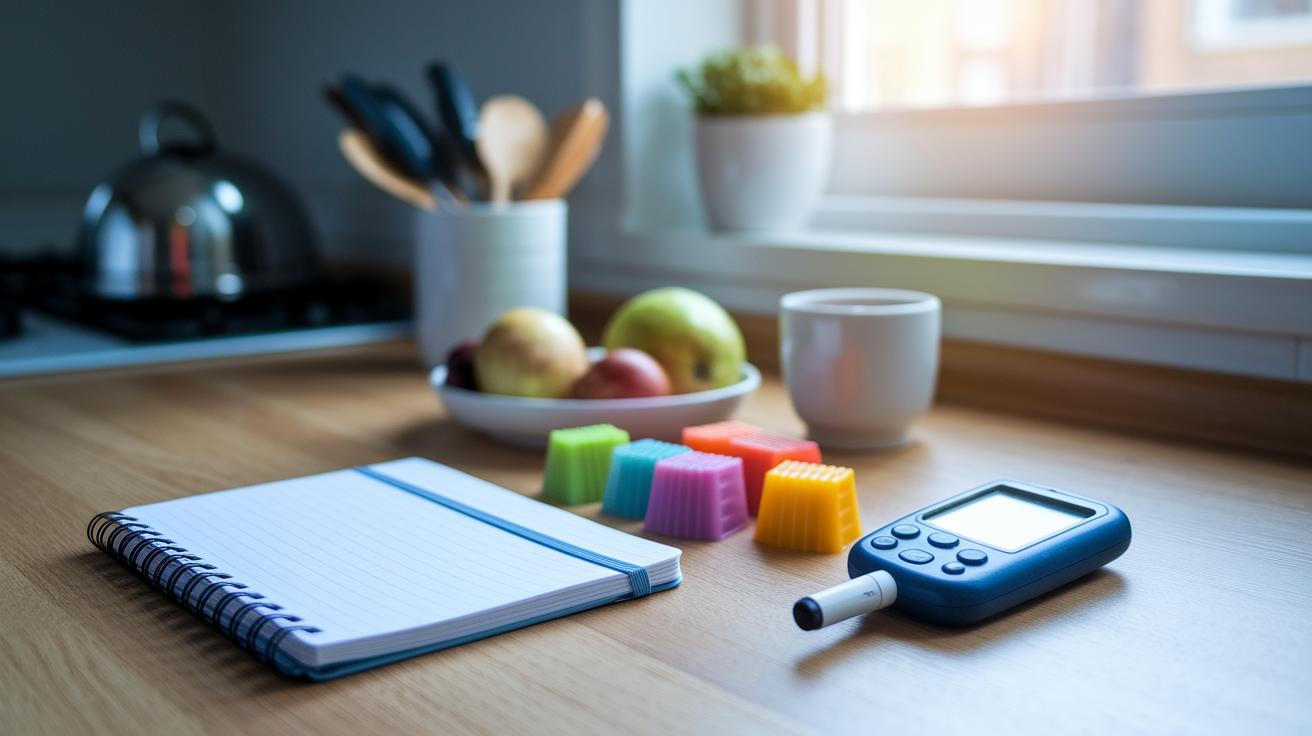
Planning your meals is essential for diabetes care. You can work with your doctor or nutritionist to create a meal plan that fits your life. Focusing on whole grains, lean proteins, healthy fats, and counting carbohydrates (carbs) can help keep your blood sugar steady. A well-organized meal plan makes your day easier and supports your long-term health.
Counting carbs is key when choosing what to eat. A carb list helps you measure portions and see how different foods affect your blood sugar. Pair this with a glycemic index tool (a guide that shows which foods raise blood sugar less) to make better choices. Tracking your carb intake can simplify your meal decisions and keep unexpected blood sugar swings at bay.
Reading Nutrition Facts labels is another handy skill. These labels show the serving size and the amount of carbs per serving. When you know how to read them, you can keep your portions right and pick foods that help maintain steady glucose levels. It also helps you compare different options to find the best fit for your diet.
Keeping a food diary gives you insights about how your meals affect your blood sugars. Write down what you eat and note any changes in your blood sugar. Over time, you can spot patterns and adjust your diet as needed. This simple record turns everyday meals into useful information that can guide your diabetes management.
Physical Activity and Exercise Tracking in the Diabetes Management Checklist
Regular exercise is a key part of managing your diabetes. It helps your body use insulin (a hormone that controls blood sugar) more effectively and supports keeping a healthy weight. Using a workout log makes it easier for you to see trends and change your routine when needed. Write down the type of activity, how long you exercised, and any changes in your blood sugar to learn what works best for you.
Aerobic Exercise Routine
Aim for 30 to 45 minutes of moderate cardio like walking or cycling on most days. This helps your heart and supports better blood sugar control. Even light movement matters. Tracking your time and effort shows your progress over time.
Strength Training Sessions
Add resistance exercises at least twice a week using your body weight or resistance bands. This helps build muscle, which uses sugar more efficiently. Record the number of sets and repetitions along with any blood sugar checks after your workout to understand its impact.
Flexibility & Balance Work
Do daily stretching or yoga to improve your mobility and lower the risk of injury. These exercises also help with balance, keeping you active safely. Jot down your stretching or yoga routines along with other activities to make sure you cover all parts of your fitness plan.
Keep a detailed exercise log. Note the duration, type of activity, and any changes in your blood sugar after workouts. Review these notes along with your glucose readings to adjust your exercise plan and manage your diabetes effectively.
Preventive Care and Complication Prevention in Your Diabetes Management Checklist

Quick take: Simple daily checks can help catch problems early so you can act before complications arise.
Triage Box:
• Red flags: Cuts, blisters, redness, swelling, unusual pain on your feet, or sudden vision changes.
• Urgent: Call your doctor if you notice any of these signs.
• Self-care: Keep up with daily foot checks, yearly eye exams, regular lab tests (like A1C, cholesterol, and kidney tests), and track your blood pressure.
Preventive care builds the base for long-term wellness when you have diabetes. Adding basic checks into your day helps you spot issues before they grow into serious problems.
Taking care of your feet every day is key. Look over your feet for any cuts, blisters, or changes. These signs can be hints of an infection (when germs enter a wound). If you see any problems, see a podiatrist quickly to stop issues from getting worse.
Regular eye exams and lab tests are also important. A yearly eye exam checks for early signs of vision problems related to diabetes. Keeping an eye on test results, like the A1C (a test that shows your average blood sugar levels), a cholesterol panel, and kidney function, helps you catch small changes before they become big concerns.
It is also important to monitor your blood pressure and cholesterol. Use a planner or tracker to record your readings. This habit makes it easier to share details with your care team and adjust your treatment when needed.
Stress Management and Mental Health in the Diabetes Management Checklist
Quick take: Stress can make diabetes harder to manage, so watch your feelings and act now.
Triage Box:
If you feel very overwhelmed or unsafe, call emergency services now.
If stress stops you from taking care of your diabetes or daily tasks, seek help today.
For ongoing stress that disrupts your routine, speak with a trusted clinician as soon as you can.
Stress can throw your blood sugar off track. When you get overwhelmed, your body releases cortisol (a stress hormone) that interferes with insulin (the hormone that controls blood sugar). This extra hormone makes it tougher to take your medications or check your blood sugar. Recognizing stress as a key part of your diabetes care helps you look after both your body and your feelings.
Daily habits like mindfulness, meditation, and deep breathing can calm your mind and help balance blood sugar. Track your sleep with a monitor and use a list to remind you to drink enough water. These simple steps help reduce stress and keep your blood sugar steady, so your self-care routine works better.
Make time every day to check in on your mental health. Use a daily self-care guide to set aside moments for quiet reflection or journaling. If stress keeps interfering with your care, consider professional counseling. This toolkit helps you stay aware of your emotions as you manage diabetes.
Integrating the Diabetes Management Checklist into Your Daily Routine
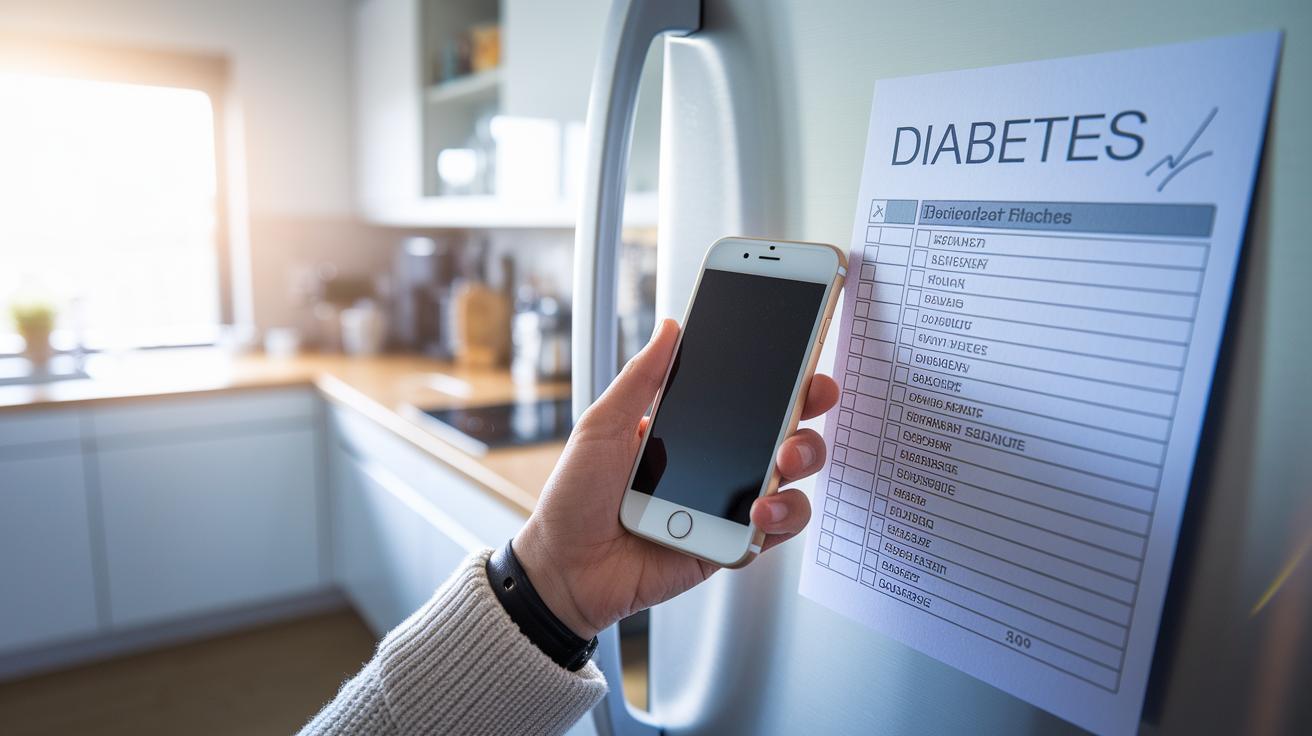
Quick tip: Choose a tracking method that fits your daily life so you can manage your diabetes care safely and easily.
Digital tools make it simple to monitor your diabetes. You can print a checklist and stick it on your fridge or desk for a quick reminder. You can also use smartphone apps or digital calendars to record your blood sugar, medications, meals, and exercise. This way, all your health details live in one handy spot, helping you keep things organized every day.
Here's how you can build a routine that works:
• Pick a method that matches your lifestyle.
• Record key details like blood sugar levels, times you take your medicine, meals, and activity.
• Stay consistent so your care data is always up to date.
Set aside a little time every week or month to review your checklist. Use your digital tool’s planner or reminder to mark these check-ins. This habit lets you spot patterns in your health, adjust your care routine, and stay on track with your long-term goals. Sharing these updates with your care team can also help you stay actively involved in managing your diabetes.
Final Words
In the action of managing your health, this guide breaks down daily diabetes care into clear, easy steps. It covers medication and insulin tracking, blood sugar monitoring, meal planning, exercise, preventive checks, and stress management.
Each section works together to create a practical diabetes management checklist that helps you take control. Use these tools to keep your routine consistent and your progress visible.
Stay positive and keep moving forward with confidence in your daily self-care.
FAQ
Diabetes Checklist pdf
The diabetes checklist pdf provides a ready-to-use guide outlining daily self-care tasks. It helps you track medication, blood sugar, meals, exercise, preventive care, and mental wellness to manage your condition effectively.
Diabetes Checklist for Physicians pdf
The diabetes checklist for physicians pdf offers clinicians a structured tool to review and manage patient care. It improves communication and treatment planning by outlining key care tasks and follow-up actions.
Diabetes care plan PDF
The diabetes care plan PDF is a structured outline that details daily management steps. It covers essential tasks such as medication adherence, glucose monitoring, meal planning, exercise, and preventive screenings.
Type 2 diabetes follow-up guidelines
The type 2 diabetes follow-up guidelines provide clear instructions for ongoing management. They recommend regular check-ins, lab testing, medication reviews, and lifestyle adjustments to keep your condition under control.
Diabetes care plan for school
The diabetes care plan for school is designed to support students managing diabetes. It outlines tasks like medication, glucose monitoring, meal requirements, and emergency contacts to ensure safe and effective care during school hours.
Diabetes care plan example
The diabetes care plan example demonstrates a daily outline that integrates key self-care tasks. It includes structured sections for medication, blood sugar checks, meal planning, exercise, and preventive screenings, serving as a practical model.
Nursing care plan for diabetes PDF
The nursing care plan for diabetes PDF provides a detailed guide for healthcare professionals. It lists essential tasks such as medication administration, blood sugar monitoring, foot care, and patient education to support comprehensive care.
Diabetes annual review checklist
The diabetes annual review checklist helps you and your care team assess yearly progress. It includes lab tests, screenings, treatment adjustments, and other preventive measures to ensure long-term diabetes control.
What are the 5 M’s of diabetes management?
The 5 M’s of diabetes management include medication, monitoring (blood sugar), meal planning, movement (exercise), and mental wellness. Each element is vital for maintaining balanced blood sugar and overall health.
What are the 4 P’s of diabetes?
The 4 P’s of diabetes focus on medication or products (insulin/other drugs), prevention, proper nutrition, and physical activity. These aspects are essential for managing blood sugar levels effectively.
What are the 5 components of diabetes management?
The 5 components of diabetes management are medication and insulin use, blood sugar monitoring, meal planning, physical activity, and preventative care. Together, they form a comprehensive plan for effective daily management.
What is the 10 10 10 rule for diabetes?
The 10 10 10 rule for diabetes breaks care into a structured system: 10 key actions, 10 monitoring intervals, and a target goal improvement of 10 percent, offering a clear framework for daily diabetes self-management.