


Quick take: Reverse triage is a way to free up hospital beds fast by safely moving low-risk patients so that those in danger can get care.
If you’ve ever wondered how hospitals clear beds during a crisis, reverse triage is the answer. This method quickly finds patients who are not in immediate need (low-risk) and safely transfers them, making room for those who need urgent care. It began in disaster and military settings, where every minute counts, and uses simple rules along with the latest data to improve care when things get hectic. In this post, we explain how reverse triage boosts crisis response and helps ensure that the sickest patients receive the proper care when resources are limited.
Reverse Triage Explained: Definition and Core Principles
Reverse triage is a different way to sort patients. It quickly spots those who are stable with mild symptoms so they can safely leave or transfer elsewhere during busy times.
This method started in disaster and military settings. It frees up key resources like ICU beds and ventilators, making sure those who need intensive care get it fast. Unlike regular triage, which sorts patients by urgency, reverse triage focuses on moving low-risk patients out quickly based on clear, data-driven criteria.
By acting early, this approach makes every minute count. It uses careful, step-by-step rules to decide who can safely be discharged, which boosts care efficiency during crises while keeping safety a top priority.
- Use flexible tools to check patient risk fast.
- Follow strict rules to send home stable patients.
- Prioritize vital equipment for those who need it most.
- Spot minor cases early to move them quickly.
- Use emergency plans to manage resources during a surge.
Reverse Triage Versus Traditional Triage Approaches
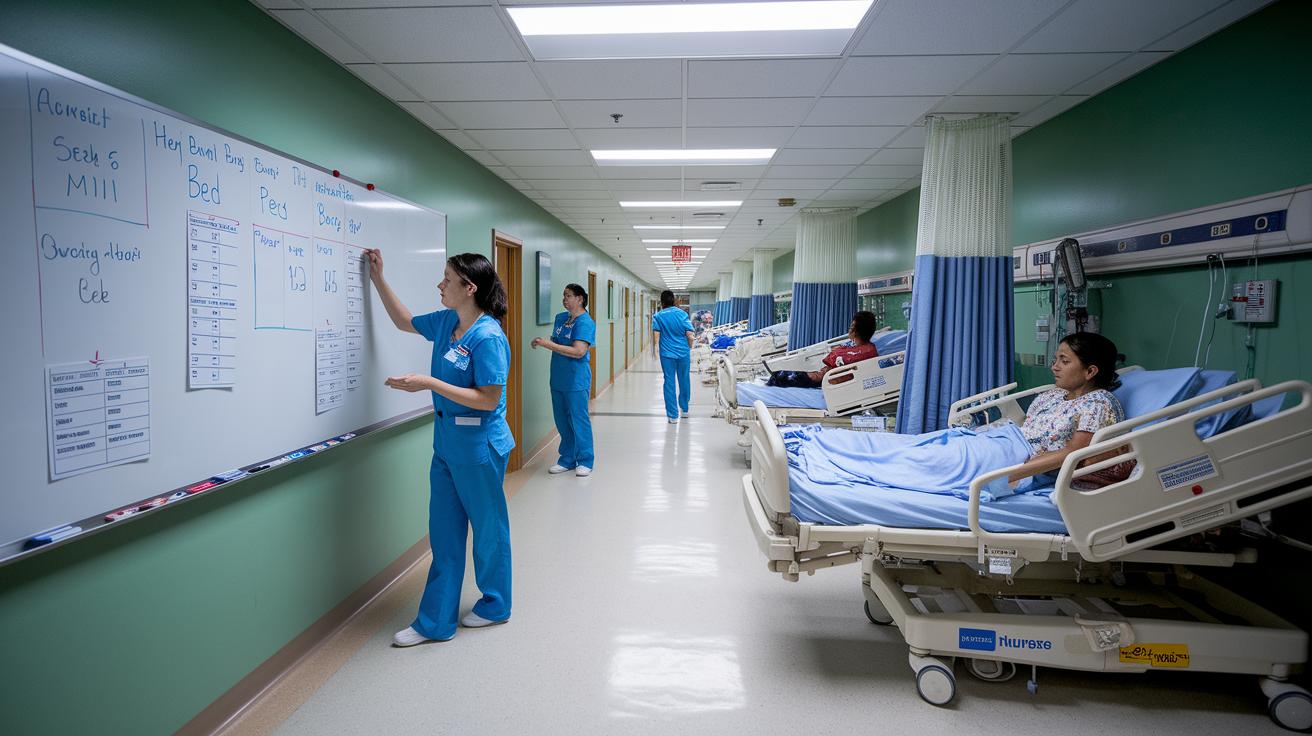
Traditional triage is used to quickly pinpoint patients with the highest risk so that they receive immediate care. This method focuses on fast action for serious conditions. In contrast, reverse triage works by quickly discharging patients who are stable and low-risk. This creates space for more severe cases when the system is under pressure. It shifts the focus from treating only critical cases to speeding up the process for those who can safely leave the hospital.
By moving stable patients out faster, reverse triage helps keep enough resources for patients in dire need. It uses up-to-date data and clear criteria to decide who can be discharged quickly. This approach speeds up patient flow and makes the best use of limited medical resources during a crisis. The table below compares five key points between these two methods.
| Aspect | Traditional Triage | Reverse Triage |
|---|---|---|
| Sorting Focus | Patients at highest risk first | Stable, low-risk patients for discharge |
| Resource Allocation | Immediate use of life-saving resources | Saves resources for high-demand situations |
| Patient Throughput | Slower pace due to critical interventions | Faster discharge to clear space |
| Risk Profile | Prioritizes those with the highest danger | Transfers stable cases early to reduce risk |
| Operational Strategy | Standard protocols for acute care | Dynamic, data-driven criteria in peak times |
Implementing Reverse Triage in Surge Capacity Management
Quick take: Reverse triage quickly frees up emergency resources by safely moving patients with mild symptoms out so that sicker patients can get the care they need.
Triage Box:
• If a patient shows any severe or worsening signs, get urgent medical help.
• If you see low-risk signs, follow safe discharge steps.
• Always double-check discharge plans with the team.
When many patients flood the emergency room, you must act fast to save crucial resources. Reverse triage moves patients with mild issues out of the emergency department so that intensive care stays available for those who need it most. This method uses clear guidelines and safe discharge steps to protect both patients and resources.
Follow this five-step plan during busy times:
-
Do a quick check at intake.
• Evaluate each patient fast when they arrive.
• Identify anyone with only mild symptoms. -
Sort patients by risk.
• Group patients into low, moderate, and high risk using simple rules.
• This helps you know who needs urgent care. -
Use clear discharge rules for low-risk patients.
• Follow proven, safe guidelines so low-risk patients can go home or to a less busy care area.
• Make sure these rules are based on good evidence. -
Plan safe transitions with your team.
• Work with doctors, nurses, and planners to set up a secure handoff.
• This teamwork makes sure every patient has a safe next step. -
Keep monitoring with live dashboards.
• Track patient conditions and resource use in real time.
• Adjust your plan as needed during the surge.
Strong teamwork and clear communication are key. With real-time updates across departments, each shift can manage patient flow and make the best use of available resources when demand is high.
Case Studies Illustrating Reverse Triage Outcomes
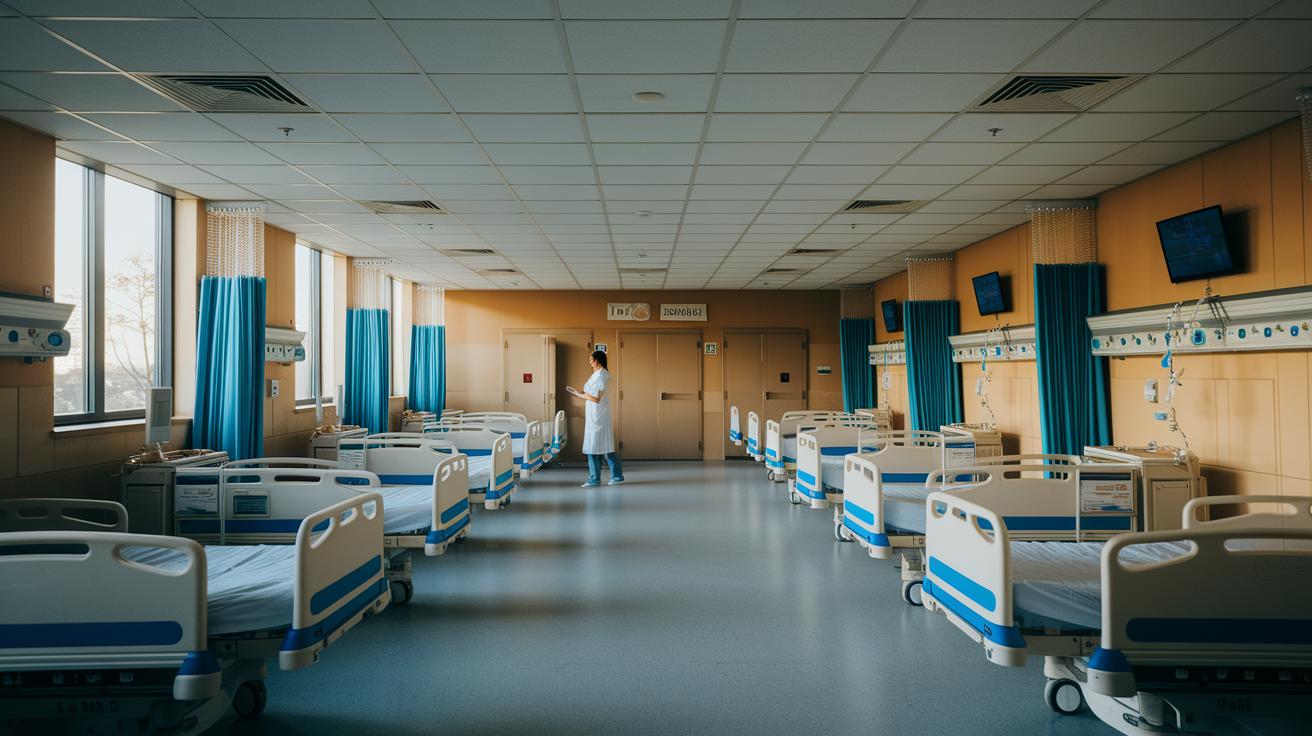
In 2017, a wildfire field hospital tried reverse triage when demand was very high. They sent home 30% of patients with mild needs within 24 hours. This move opened up ICU spots by 40% and allowed them to quickly give ventilators and beds to those who really needed them. It shows that safely discharging patients with mild symptoms can help hospitals manage a crisis better.
In another case from a 2019 military conflict zone, a reverse triage system made a big difference. Over 200 critically injured people got care in time while stable patients were carefully watched and then discharged. Importantly, none of those sent home got worse later. This approach cut wait times and made better use of resources. Quick decisions based on real-time data helped the team care for many patients without compromising safety.
Benefits and Limitations of Reverse Triage in Emergency Care
Quick take: Reverse triage speeds up patient care and frees valuable resources, but it must be done with care.
If you see any of these warning signs, act now:
- Suddenly worsening symptoms after discharge
- Signs that follow-up care is missing or delayed
Reverse triage can make a big difference during busy times. It helps free up key care tools and speeds up how quickly patients are seen. This way, busy emergency teams can work more flexibly and be ready for sudden surges.
Here are some clear benefits:
- Frees critical care resources needed for the sickest patients
- Speeds up patient flow so more people get care faster
- Improves the overall system and its readiness for surges
- Reduces traffic jams in care, so nothing gets backed up
At the same time, reverse triage comes with risks that need careful watching:
- Patients may get worse later after they leave
- It needs very strong monitoring systems to catch any decline
- Figuring out the right time to discharge someone can be tricky
- It may demand extra staff to check on patients
- Teams must strictly follow safety rules to avoid mistakes
Remember, if you notice any serious warning signs, get help immediately.
reverse triage: Elevating Crisis Response
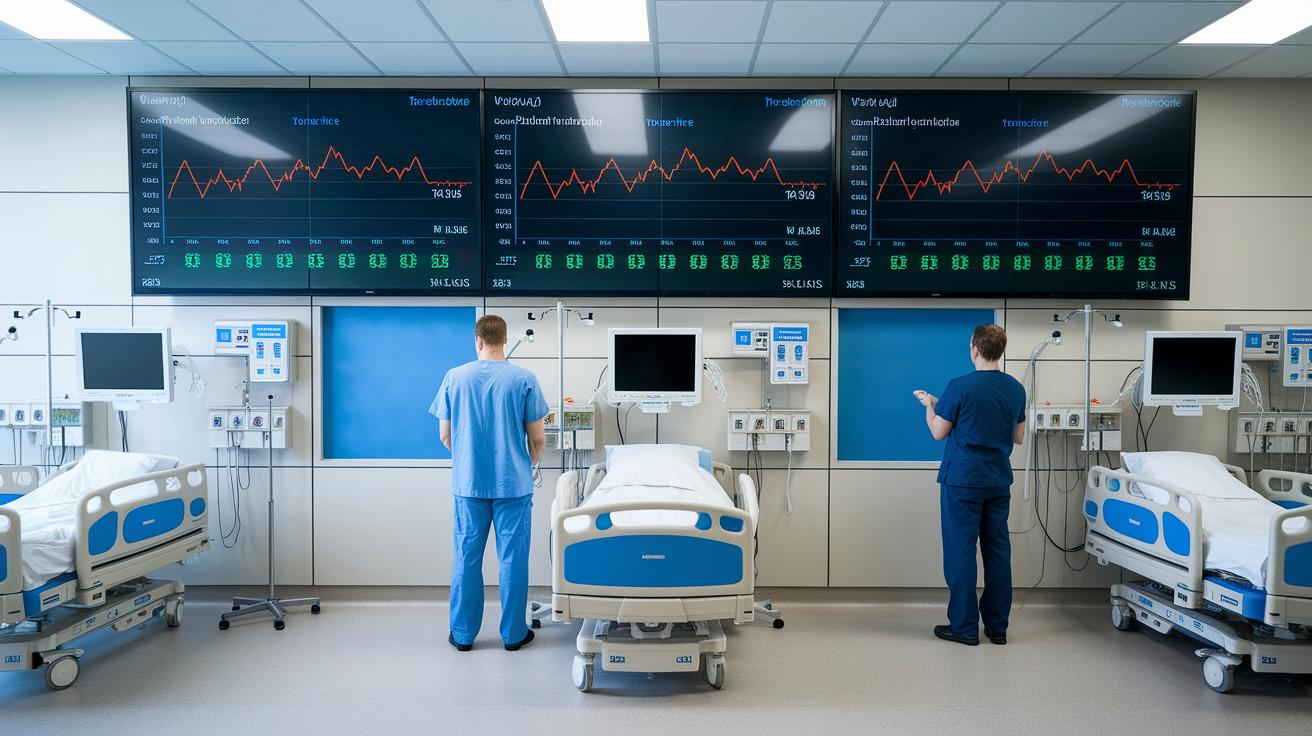
New technology is changing how hospitals sort patients during a crisis. AI tools help you quickly spot high-risk patients, cut wait times, and save vital resources. Digital charts now update live, and teams can easily share information. These smart tools help staff make fast, safe discharge decisions. For example, hospitals using real-time dashboards have seen patients move through care more quickly.
Ongoing studies are set to improve these methods even more. Researchers are fine-tuning risk scores and testing faster discharge steps to keep care both safe and efficient. This work supports better emergency plans and prepares hospitals for heavy patient surges. Data-backed upgrades are making reverse triage a stronger tool when every second counts.
Final Words
In the action, we broke down how reverse triage flips standard sorting to clear low-acuity patients quickly. The post outlined its origins in disaster and military settings and compared it with traditional triage. We detailed careful steps to implement this system during surge demands and shared real-world case studies that highlight its benefits and challenges.
Keep in mind that reverse triage can free up vital resources while ensuring patient care remains a priority. Stay informed, follow clinical guidance, and be ready to act on solid, evidence-based practices.