
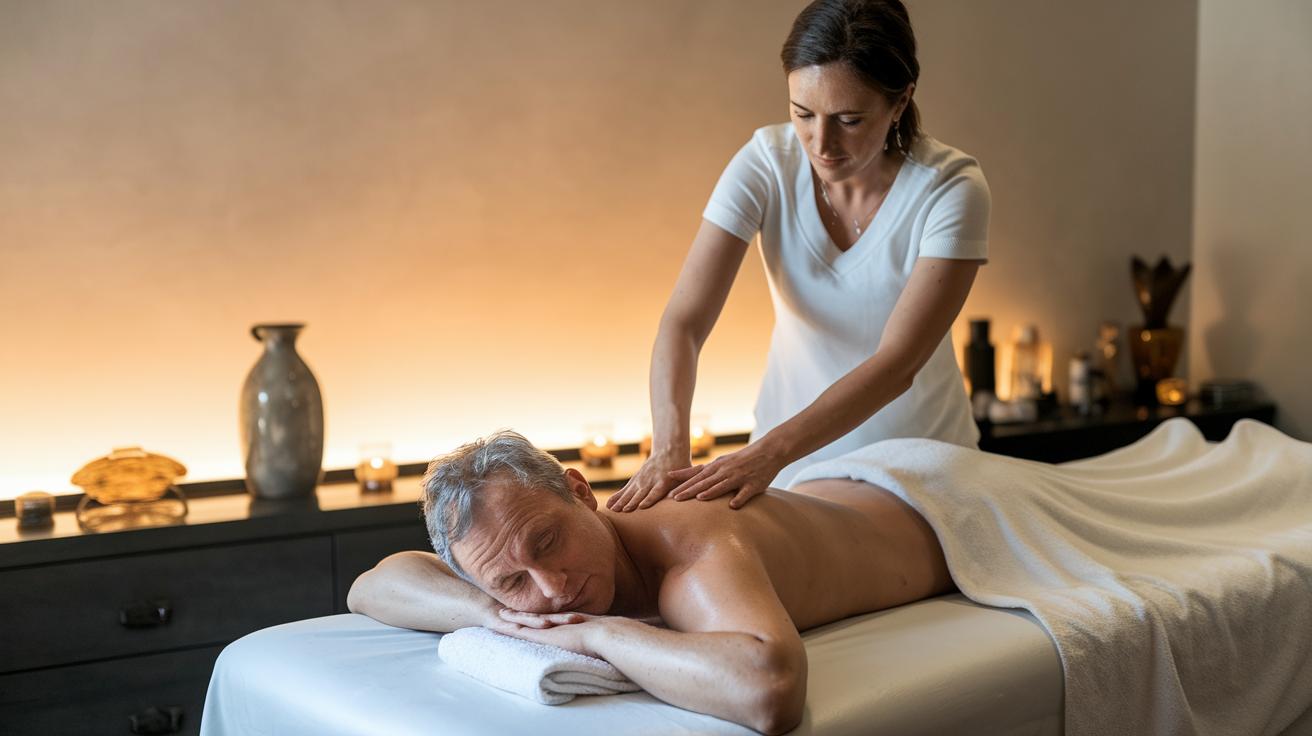

Quick take: A recovery massage may help your muscles heal faster after a tough workout or injury.
A recovery massage can ease sore muscles and jump-start the healing process. Therapists work with gentle pressure to clear out lactic acid (a buildup of waste) and get more blood moving to the muscles. This boosts muscle repair and can lower your stress levels.
In this article, you’ll learn how recovery massage works, find safety tips to follow, and see how the right technique can restore your strength and energy. Follow these steps to help your body feel its best sooner.
recovery massage: benefits and safety boosts vitality
Quick take: Recovery massage can ease sore muscles and boost healing after hard workouts, injuries, or surgery.
If you have severe pain, swelling, numbness, or trouble moving, call emergency services now. Otherwise, recovery massage may help you feel better by reducing pain and stiffness.
Therapists use hands-on techniques such as kneading, stroking, and pressing on muscles, tendons, and ligaments to lower stress and discomfort. This work increases blood and lymph flow and helps clear out lactic acid (a substance that builds up in tired muscles). By boosting oxygen and nutrient delivery to tissues, massage supports your body’s natural repair.
Muscle recovery massage can break down scar tissue and ease tight spots that cause soreness. Soft, gentle strokes soothe tight areas while focused pressure on problem spots improves flexibility and range of motion. For example, after an intense workout, massage helps clear built-up substances in muscles. Studies show it may reduce the muscle pain that sometimes appears days later.
Therapists tailor each session to your needs. They adjust the pressure and techniques by checking your comfort
Key Benefits of Recovery Massage for Muscle Repair and Performance
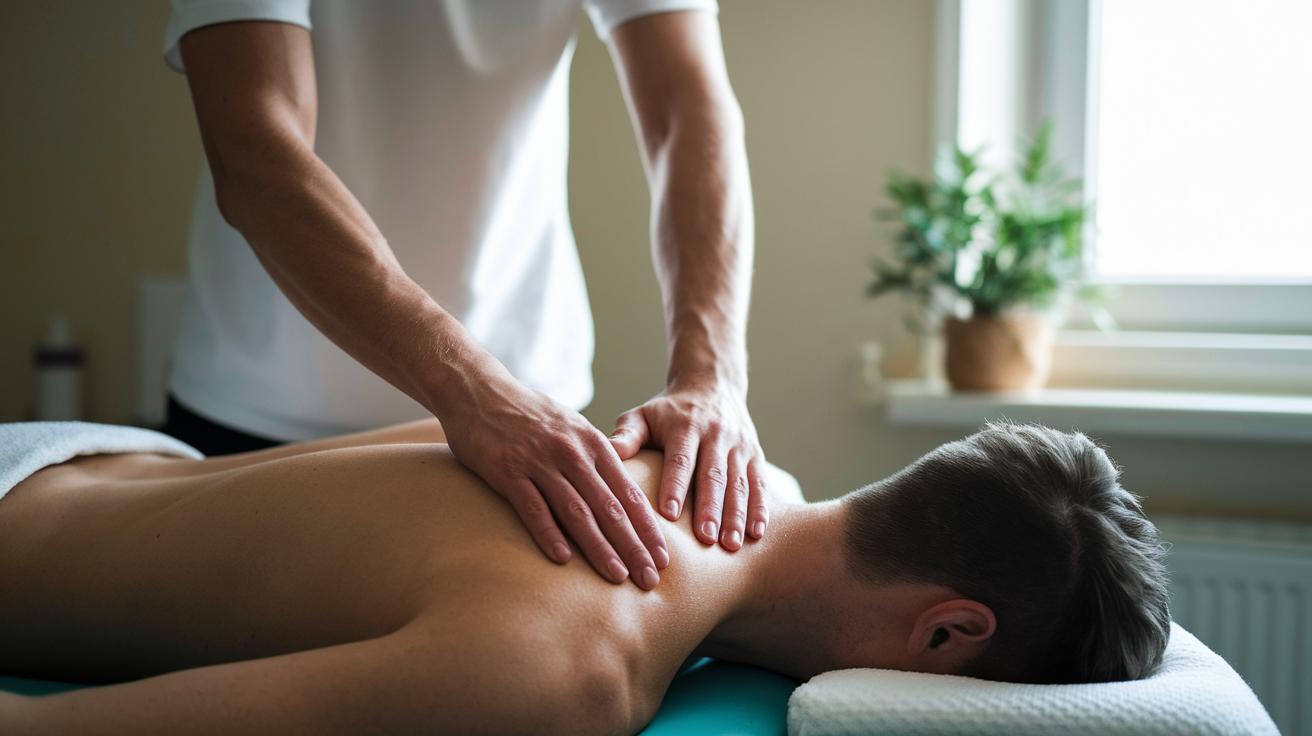
A focused recovery massage can ease muscle pain and promote repair. It works by breaking down scar tissue and softening tight knots, helping your muscles relax. This massage also shifts your hormones by lowering cortisol (your stress hormone) and raising serotonin and dopamine (feel-good chemicals). Many people say it feels like a reset, leaving them less tense and more ready to heal.
Benefits include:
- Lowering pain by breaking down scar tissue and easing tight knots.
- Shifting hormones: reducing cortisol and boosting serotonin and dopamine.
- Speeding muscle repair by improving blood flow that brings oxygen and nutrients.
- Increasing range of motion with targeted stretching techniques.
Safety Guidelines and Risk Considerations for Recovery Massage
Quick take: Recovery massage is safe for most healthy people when done by a licensed therapist, just watch for key red flags.
If you have any of these signs, do not get a massage:
- Acute infections or high fever.
- Blood clotting issues or open wounds.
Recovery massage is usually safe when you are healthy and see a licensed professional. Your therapist will ask about your medical history and change the pressure, timing, and methods to match your needs. This is very important if you have fractures, varicose veins (swollen, twisted veins), or osteoporosis (weak bones).
Mild side effects are common. You might notice a little bruising or feel sore for a short time. This soreness usually clears up within 48 hours. Licensed therapists follow strict cleaning steps and use proper covering techniques to stop germs from spreading.
Safety tips:
- Confirm you do not have an infection or fever before scheduling your session.
- Skip massage if you have a known blood-clotting problem or any open wound.
- Tell your therapist immediately if you feel any discomfort during the session.
- Watch for any soreness after your massage; if it lasts longer than 48 hours, contact your doctor.
Therapists tailor recovery massage sessions to fit your needs. They adjust treatment based on your health history to protect you while helping your muscles repair. Always check with your doctor if you have any concerns about your underlying conditions before you start recovery massage.
Core Techniques and Protocols in Recovery Massage
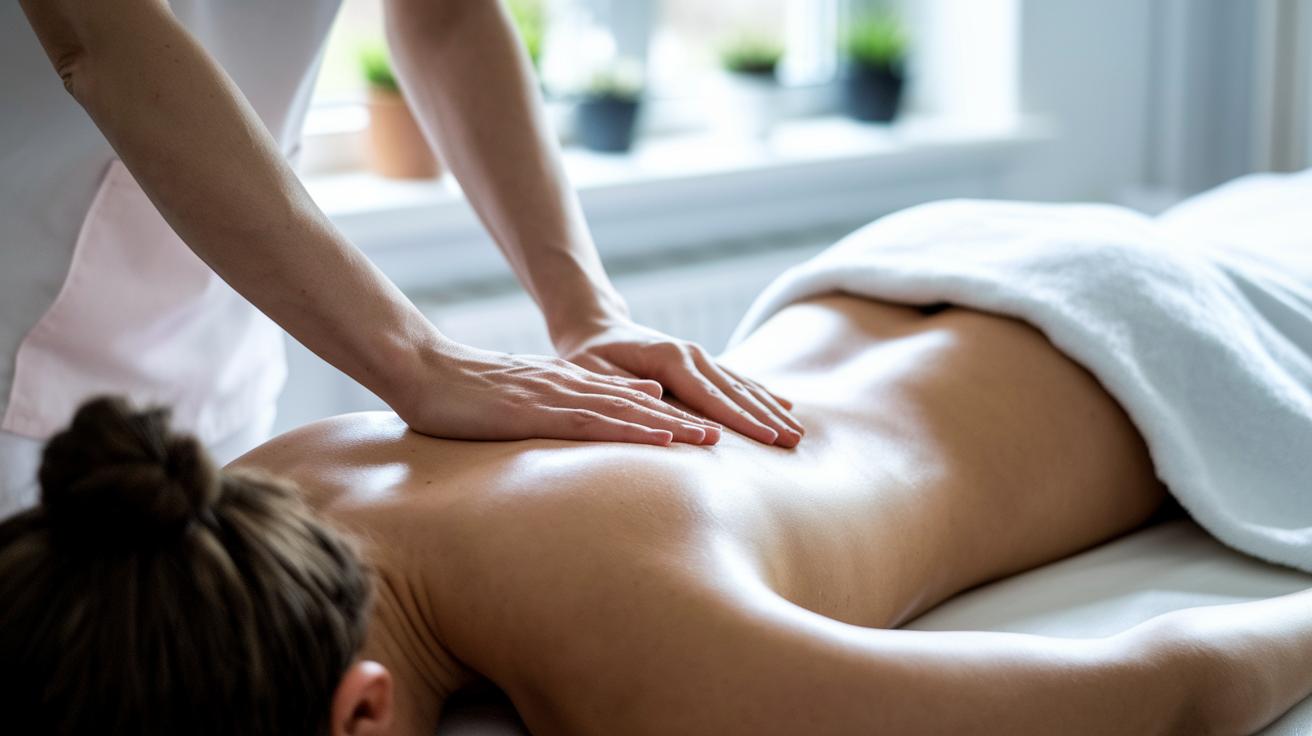
Recovery massage uses a variety of hands-on techniques to help your muscles relax and heal. One common method is Swedish massage, which uses gentle strokes to increase blood flow (the movement of blood) and ease tight muscles. This approach is great for warming up your body before you move on to more focused work.
Deep tissue massage uses slow and steady pressure on areas where tissues stick together (adhesions) to break down scar tissue. This method is often used after an injury to help your muscles recover.
Sports massage mixes stretching, compression, and joint movements to support athletes. It helps keep muscles and joints flexible and strong, reducing the risk of injury while aiding in healing should an injury occur.
Trigger point therapy focuses on specific spots, or muscle knots, with direct pressure to relieve pain. These knots can send pain to other areas, so letting them go is key during recovery. Myofascial release involves a slow, steady stretch of the thin connective tissue around your muscles (fascia) to release tightness and improve movement. Cross-fiber friction works by gently rubbing the muscle fibers to help them realign, which supports the healing process.
A typical massage session might start with light strokes from a Swedish massage. Next, the therapist may press on tight spots with trigger point techniques before moving into deeper work like deep tissue or myofascial release. Finally, sports massage techniques, including stretching and compression, round out the session.
It is important to adjust the massage method to your needs. Use light touches as a warm-up for your muscles and switch to deeper pressure after you have had an injury to help break scar tissue and restore movement.
Scheduling and Integrating Recovery Massage into Training Plans
Quick take: Book your massage right after exercise to help your muscles relax and recover faster.
If you schedule a massage within 1-2 hours after working out, you can ease stiffness and help flush out the build-up from your workout. This timing makes the massage more effective at reducing tightness.
If you have a new injury, try booking a massage every week. Weekly visits can help calm inflammation and support steady recovery. For ongoing soreness or long-term care, a massage every 2 weeks or once a month can keep your muscles flexible without overloading them.
It helps to set your massage on a rest day so your muscles can heal without extra strain. You might also add a short session of foam rolling and gentle stretching just before your massage. This simple step prepares your muscles for deeper work and boosts the overall benefit.
Some athletes pair massage with physical therapy. Massage relieves tight spots and improves blood flow, while physical therapy focuses on strengthening and better performance.
Key Tips:
- Book a massage within 1-2 hours after your workout.
- Try weekly sessions for new or acute injuries.
- Use massage every 2 weeks or monthly for ongoing care.
- Do foam rolling and stretching before your massage.
- Consider pairing massage with physical therapy for complete recovery.
recovery massage: benefits and safety boosts vitality
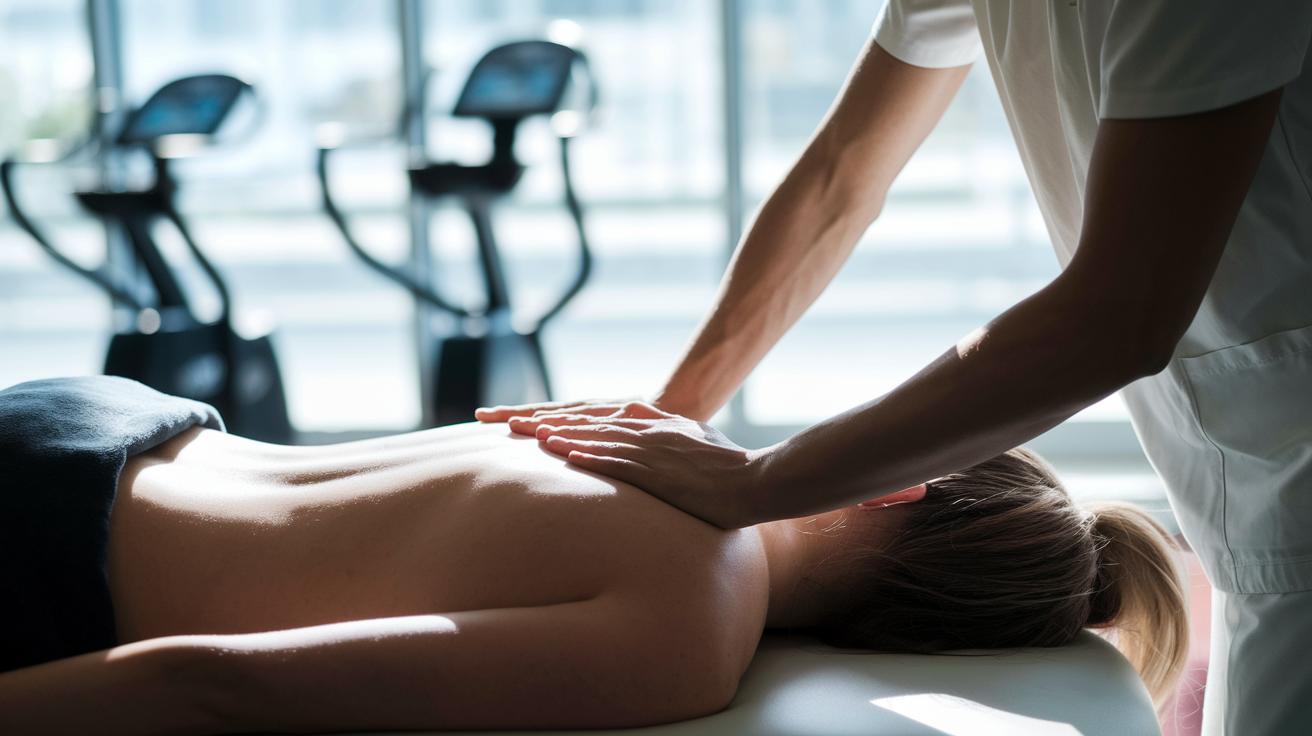
Quick Take: A post-workout massage can ease soreness, speed repair, and lower stress if you follow safety steps.
If you notice any sharp or worsening pain during or after your massage, stop immediately and seek help.
A 2018 study in the Journal of Athletic Training found that a 30-minute massage after exercise reduced muscle soreness by 30%. It helps ease pain, boosts healing, improves blood flow, and lowers stress hormones.
Licensed massage therapists adjust their techniques based on where you are in your recovery. Let your therapist know if the pressure feels too strong or if you need any changes.
Practical tips for a safe recovery massage:
- Tell your therapist how you feel during the session.
- Drink water before and after to keep your body hydrated.
- Do gentle movements after the massage to keep your muscles loose.
- Watch your body for the next 48 hours and note any unexpected pain.
- Choose a licensed therapist who checks for underlying health issues.
Tailoring your massage to your current needs supports a faster, safer healing process.
Final Words
In the action, this guide shows how targeted massage helps ease muscle pain, boost circulation, and speed up healing. We covered hands-on techniques and clear scheduling tips to integrate recovery massage into your routine. You also learned safety tips that keep therapy secure and effective. This article aimed to help you enjoy recovery massage: benefits and safety while making positive strides toward quicker relief. Keep taking these confident steps for a healthier, stronger recovery.
FAQ
What benefits does recovery massage offer for the body and how is it kept safe?
Recovery massage offers improved circulation, reduced pain, and faster muscle repair while maintaining safety through proper screening, licensed therapists, and strict hygiene protocols.
What are some key benefits and therapeutic effects of massage?
The benefits of massage include reduced muscle soreness, improved blood flow, relief from tension, and a boost in mood by lowering stress hormones and increasing feel-good chemicals.
What psychological effects does massage have?
Massage influences psychological well-being by lowering cortisol and increasing serotonin and dopamine levels, which help improve mood and reduce anxiety.
What side effects can occur with deep tissue massage?
Deep tissue massage may cause mild bruising or temporary soreness, which typically resolve within 48 hours as the muscles adjust to the targeted pressure.
Do massages actually help with recovery?
Massages aid recovery by improving circulation, breaking down scar tissue, and reducing delayed-onset muscle soreness, making them a valuable tool after workouts or injuries.
Are there any risks with massage therapy?
Massage therapy is generally safe; however, it may pose risks for individuals with acute infections, blood-clotting issues, or open wounds, so professional screening is essential.
What are the health and safety procedures in wellness massage?
Wellness massages adhere to strict health and safety protocols, including thorough client screening, proper draping, and hygiene standards to prevent cross-contamination and adjust techniques for individual needs.
Are back massages safe?
Back massages are safe when performed by trained therapists who customize techniques to your health needs and screen for issues like fractures or varicose veins before treatment.