
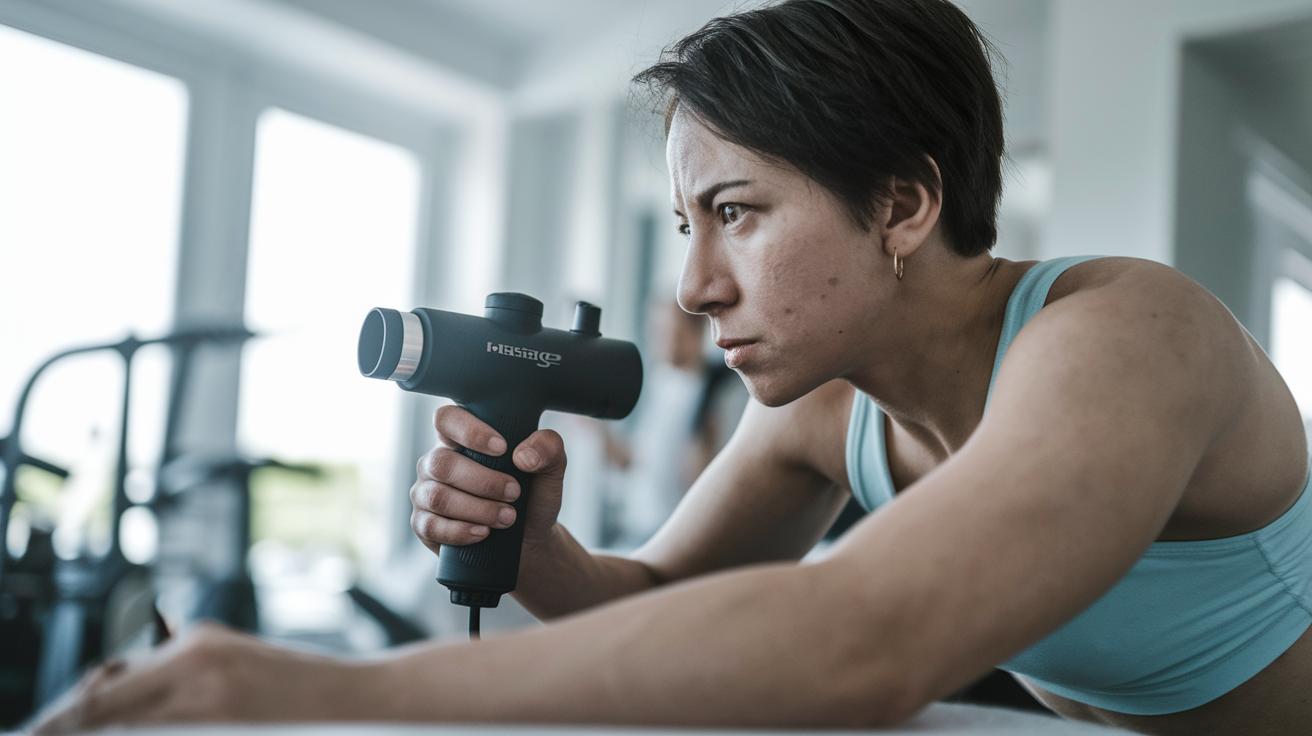

Quick take: A massage gun can ease muscle soreness when used correctly, but using it the wrong way might hurt you.
If you feel unsure about your massage gun, know that applying too much pressure or using the wrong attachment can lead to injury. Start by choosing the correct attachment for the area you're treating (different heads work best on different muscle groups). Warm up your muscles gently before you begin to help avoid strains. Adjust the intensity so you don’t overdo it, less is more when you’re just starting out.
Follow these simple steps:
• Pick the right head for your muscle area.
• Warm up your muscles (a light stretch or warm shower works well).
• Set a low intensity to begin, then slowly increase if needed.
• Listen to your body and stop if you feel any sharp pain.
Taking your time and using your massage gun carefully is the smart way to let percussive therapy work for you. Stay safe and enjoy the benefits of muscle recovery.
Safe Step-by-Step Massage Gun Recovery Protocol
Quick take: Follow these clear steps to safely use your massage gun for muscle recovery. If you feel sharp pain, see unusual bruising, or notice worsening discomfort, stop immediately and consult a clinician.
- Pick the right attachment and warm up the muscle first.
- Begin with the lowest speed setting.
- Hold the gun straight (perpendicular) over the muscle.
- Glide over each area for 60–120 seconds.
- Apply pressure that feels "comfortably uncomfortable" (a rating of 4–6 on a pain scale).
- Keep the gun moving; do not pause on one spot for more than 2 seconds.
- Watch for any rising discomfort and ease up if needed.
- End with light stretching or foam rolling.
Remember, a full session should last 10–15 minutes. Avoid using the massage gun on bones, joints, or varicose veins to steer clear of injury. Also, give your muscles at least 48 hours to rebuild before your next session. Before starting again, do a quick safety check to be sure you’re using the proper attachment and setting a safe intensity level. Following these steps helps you get the benefits of percussive therapy safely for better relief and muscle recovery over time.
Optimal Duration and Frequency for Massage Gun Recovery Sessions
Quick take: Use your massage gun just right – too much or too little can slow your healing.
Triage Box:
• If you feel sharper or worsening pain, stop using the massage gun and call your clinician.
• If you notice swelling or bruising that lasts more than a few days, seek urgent advice.
• For severe or persistent discomfort, modify your routine immediately.
A balanced routine is key. Overusing the massage gun can leave your muscles more sore, while not using it enough may not ease your tightness at all.
A good weekly plan is to do three sessions of about 10 minutes each on alternate days. During each session, spend 1–2 minutes on each major muscle group like your calves, thighs, or back. This gives your muscles around 48 hours to rest and rebuild. Sometimes, you might go up to 15 minutes if you treat more areas, but be sure not to overdo it.
If your muscle soreness is mild, you can shorten your session to 10 minutes or lower the intensity. However, if you have strong soreness or you’ve just had a heavy workout, stick with the full 10–15 minute session on a gentle setting. Always listen to your body, if the pain lasts or gets worse, adjust your routine to prevent further injury.
Proper Technique for Deep Tissue Restoration with a Massage Gun
Quick take: Use the right pressure, angle, and speed to help your muscles heal and avoid injury.
● If you feel sharp pain or increased soreness, stop immediately and call a healthcare provider.
● If bruising or swelling develops, pause your use and seek advice.
Optimal Pressure Application
Set your massage gun so you feel a mild, "comfortably uncomfortable" pressure (about 4–6 on your pain scale). This level helps your muscle relax without causing extra pain or bruises. Do not press hard on one spot all the time. Instead, keep the pressure light and change it often, like a steady beat that boosts blood flow.
Effective Angle and Movement Patterns
Hold the massage gun straight (at a 90° angle) to your muscle for the best result. Move it slowly over your muscle (about 2–3 centimeters per second). This helps the massage reach all parts of the muscle evenly. Moving steadily stops any one spot from getting too much pressure, which could lead to irritation.
Approaches for Targeted Muscle Relief
Switch attachments and change speeds as you work from the top layers to the deeper muscles. For softer muscles, use a gentler setting and a slower speed. For deeper tissue, use a firmer grip and a slightly faster setting. Adjust the technique to fit your own muscle feel and recovery needs. Keep changing the speed and pressure until you reach a safe, effective treatment for muscle restoration.
Massage Gun Contraindications and Red Flags for Recovery
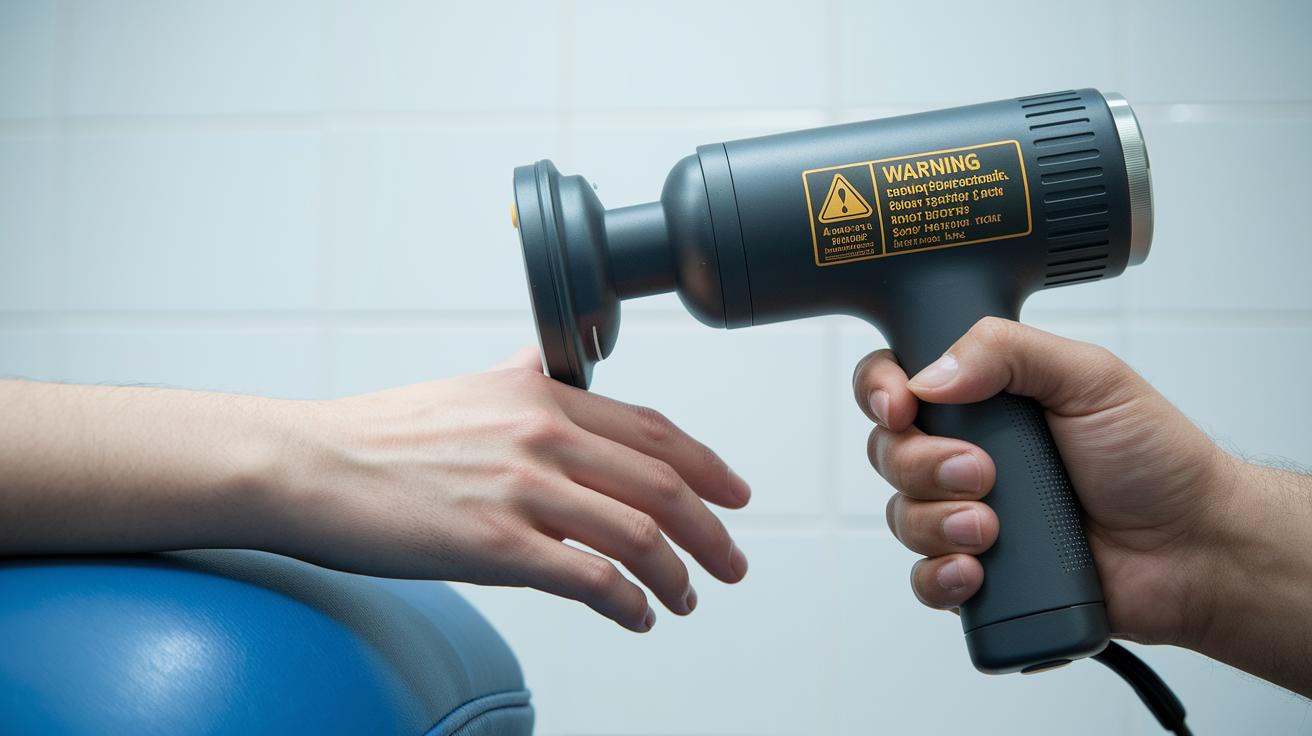
Quick take: Use your massage gun with care. If you feel worsening pain or notice red flags, stop immediately and ask for help.
If any of these warning signs appear, stop using the massage gun now:
• Severe, sharp pain that won’t ease with gentle pressure
• Swelling, redness, or skin irritation that worsens during use
• Recent sprains, fractures, or signs of bone issues such as bumps or protrusions
• Open wounds, inflamed skin, or areas with varicose veins
A massage gun is a tool that can help with muscle tension when used correctly. However, using it on injured or vulnerable skin can worsen existing problems or even cause new injuries. Do not apply it to fresh injuries, inflamed areas, or spots with open wounds.
If you notice any of these red flags, stop therapy immediately to avoid bruising, increased inflammation, or nerve irritation. Continuing to use the massage gun on these spots might delay your recovery or lead to more serious issues.
When in doubt about where to use your massage gun, it’s best to get professional advice. Talk to a health professional or physical therapist. They can guide you on how to safely use percussive therapy based on your personal recovery needs.
Avoiding Common Massage Gun Errors to Prevent Injury
Small mistakes when using your massage gun can slow your recovery. Here’s what you need to know:
- Using too much pressure, above a 4–6 pain level (where you feel noticeable discomfort), can cause bruising and muscle strain. At the same time, using too little pressure might not relieve your tension.
- Staying on one spot for too long or skipping a 48-hour break between sessions can overload your muscles and slow healing.
- High speeds on small, sensitive muscles may increase your discomfort instead of easing it.
Before each session, use a simple checklist to confirm your speed, pressure, and timing are just right.
Integrating Massage Gun Recovery into Your Post-Workout Routine
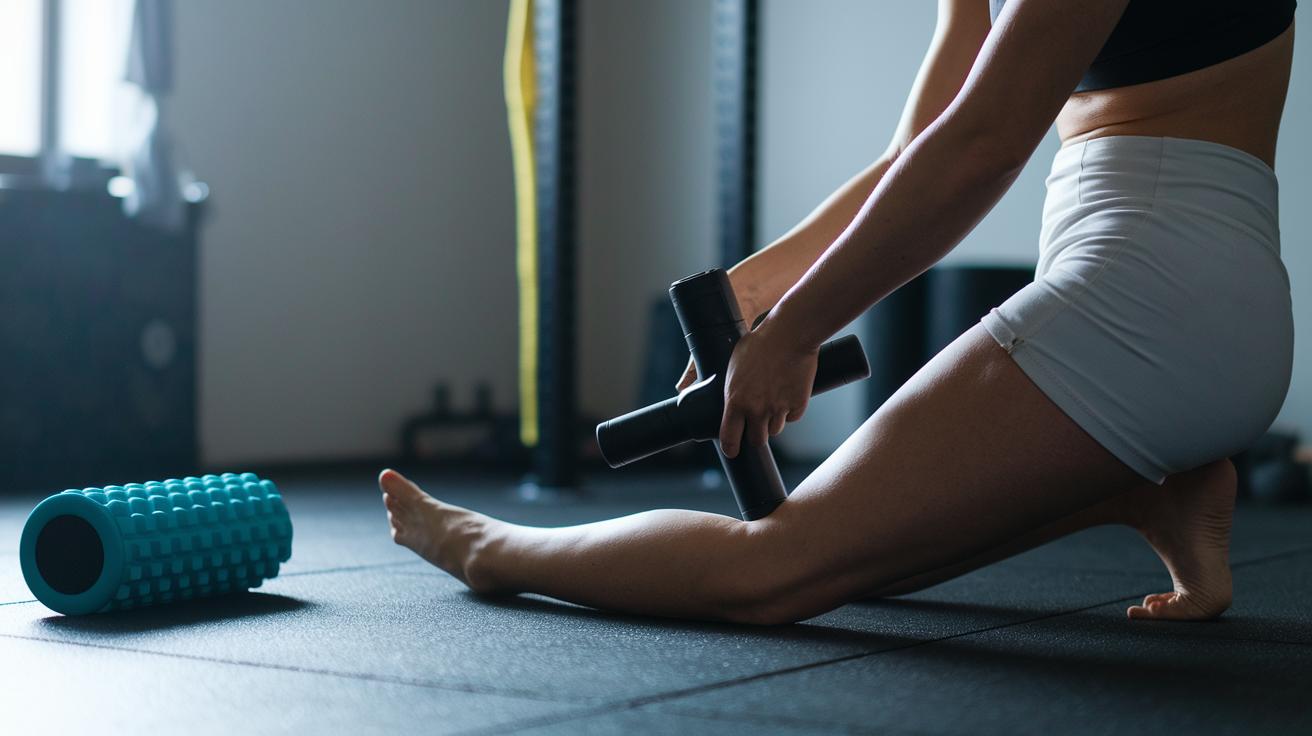
Quick take: Adding a massage gun to your cooldown helps ease tight muscles and speed up recovery.
After you finish your workout, begin with cooldown stretches. Then, try using your massage gun to gently ease muscle tension. The device works best when used with slow, deliberate movements. It helps relax muscles and gets you ready to recover.
For a balanced routine, follow these steps:
- Roll out your muscles with a foam roller to loosen knots.
- Use the massage gun on large muscle groups for deep relief.
- End with static stretches to boost flexibility and further relax your muscles.
Foam rolling softens up stiff spots. The massage gun reaches deeper into your tissue, and static stretches help your muscles relax more. This order also enhances blood flow and reduces soreness.
Tailor your routine to how hard you worked out. If you had a tough session, spend a few extra minutes on sore areas with the massage gun or add extra stretches. For lighter workouts, a shorter massage followed by a quick stretch might be enough. Listen to your body and adjust the timing and order to match your recovery needs.
Final Words
In the action, you now have a clear guide on how to safely use your massage gun. You learned structured steps to warm up muscles, adjust pressure, and navigate long recovery sessions. The post covered proper technique, session durations, contraindications, and common errors. This stepwise advice prepares you to integrate self-care into your routine confidently. Remember, using a massage gun for recovery: how to use safely is key to effective muscle care and positive recovery outcomes. Enjoy your recovery journey with calm assurance.
FAQ
How should you safely use a massage gun for recovery as shown in videos and on YouTube?
The safe use of a massage gun involves starting on the lowest setting, moving slowly over each muscle group for 60–120 seconds, and applying “comfortably uncomfortable” pressure while following manufacturer and expert guidelines.
How do you use a massage gun on your legs?
Using a massage gun on your legs means gently gliding it over the calves, hamstrings, and quadriceps. Hold the device perpendicular to the muscle and use it for 60–120 seconds per area with light pressure.
How do you use a massage gun on your back and can you do it by yourself?
When using a massage gun on your back, hold it at a 90° angle and move with smooth sweeping motions. If you do it by yourself, use a mirror or ask for help to ensure you cover all areas safely.
How do you use a massage gun on your glutes?
For your glutes, gently move the massage gun in controlled sweeps across the muscle fibers. Keep the pressure within a “comfortably uncomfortable” range and use each spot for 60–120 seconds.
Where should you not use a massage gun?
You should avoid using a massage gun on sensitive areas like bones, joints, varicose veins, fresh injuries, open wounds, or inflamed tissues, as this can cause further damage or pain.
Do massage guns actually help with recovery?
Massage guns aid recovery by promoting blood flow and relaxing tense muscles. When used correctly, they can reduce soreness and support muscle repair, making them a helpful tool for recovery.
Can a diabetic use a massage gun?
Diabetics can use a massage gun, but extra caution is needed. It is best to consult a doctor first and avoid areas with poor circulation or nerve damage to prevent injury.