


Quick take: Red, scaly patches with itching or joint pain may be signs of psoriasis needing prompt care.
If you have any of these signs, seek medical attention now:
• Red, scaly skin that appears suddenly and spreads.
• Intense itching that does not stop.
• Joint pain along with the skin changes.
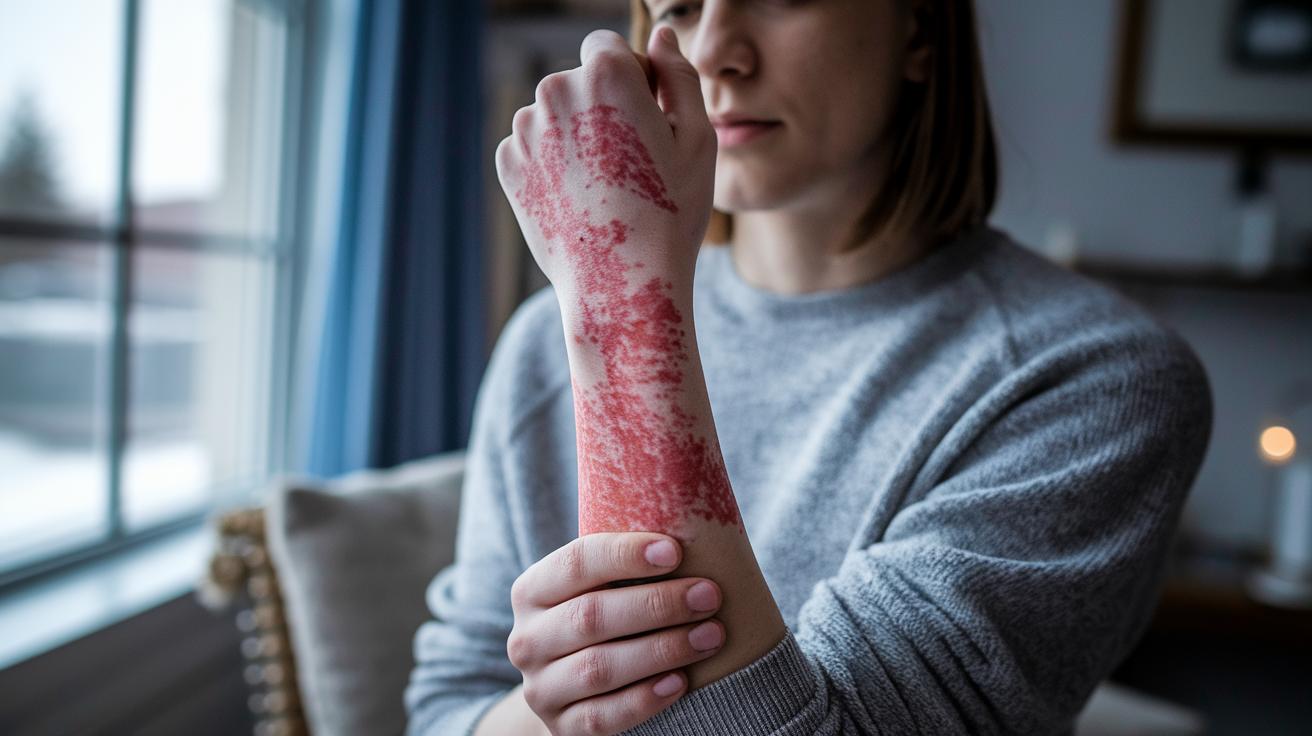
Psoriasis can show up without warning. It may cause your skin to change quickly, leaving red, flaky patches that hurt or itch badly. You might also notice joint pain along with these changes. This guide explains what to watch for so you can manage flare-ups and know when to call your doctor.
Pay close attention to your skin and any new aches. If your symptoms grow worse or you develop swelling or fever, contact your healthcare provider right away. Tracking when and where these changes happen can help you and your clinician decide the best next steps.
Remember, recognizing these warning signs early is an important step in taking charge of your health and finding relief.
Psoriasis Symptom Profile: Clear Signs for Confident Care
Quick take: Psoriasis causes red, scaly patches that can change quickly and sometimes include joint pain.
Triage Box:
• Red Flags: Severe joint pain, open or bleeding skin, or widespread painful cracking of skin. If these occur, call emergency services now.
• Urgent Concerns: Rapid growth of patches, intense itching, or new swelling around joints. Seek same-day care.
• Monitor & Self-Care: For mild patches, track changes and manage with regular skin care. Follow up with your clinician if lesions worsen.
Psoriasis is a long-lasting skin condition linked to your immune system. It makes red, scaly patches that can appear as small spots or grow into larger, raised areas with thick scales.
People with psoriasis may feel a burning or odd itch, especially at night. Scratching can make the skin sore, painful, or even crack. Your scalp, eyebrows, or hairline may also show flaky skin. Even after flare-ups calm down, you might notice marks that look different from the rest of your skin.
| Severity | Body Surface Area (% BSA) | Key Plaque Features |
|---|---|---|
| Mild | <3% | Small, red spots with light scaling and little discomfort |
| Moderate | 3-10% | Clear plaques with raised edges, more scaling, and occasional itch |
| Severe | >10% | Large, thick red patches with heavy scaling, strong itch, and possible joint pain |
Over time, the severity of psoriasis can change. Even mild spots can flare into bigger, more inflamed patches. Scratching hard may lead to more damage like cracked skin or scarring. Watching these changes early can help your clinician adjust treatment to ease discomfort and protect your quality of life.
Differentiating Psoriasis Symptom Profile from Other Dermatoses

Quick take: Some skin signs may point to psoriasis; small details in appearance can guide you to the right diagnosis.
Triage Box:
- If you have any red flags such as worsening pain, signs of infection (fever, increasing redness, swelling), or the rash spreads quickly, call emergency services right away.
- If you notice the rash is not improving or is very uncomfortable, seek same-day medical advice.
- For milder signs, track your symptoms and share your notes with your clinician at your next visit.
It’s important to know what you’re dealing with. An accurate diagnosis helps ensure you get the right treatment and lowers your risk of complications. Many skin conditions can look alike, but a few small differences can indicate psoriasis versus another type of dermatosis.
• Psoriasis scales are usually silvery-white and thick, while eczema scales tend to be dry and non-silvery.
• Psoriasis plaques rarely show a clear center. In contrast, ringworm often forms a circular rash with a clear middle.
• On the scalp, psoriasis appears as dry, patchy flaking. Seborrheic dermatitis, however, causes greasy scales.
• Psoriasis lesions have sharp, well-defined edges, which is not common in many other skin conditions.
• Clinicians sometimes use a scale called the cutaneous scaling index (a way to measure the thickness and coverage of the scales) to help distinguish psoriasis from similar conditions.
If your skin changes match these descriptions, please get evaluated by a healthcare professional. A clinician skilled in skin conditions can look at your lesions and decide if further tests are needed to create the best treatment plan for you.
Psoriasis Symptom Profile: Joint Discomfort and Psoriatic Arthritis
Quick take: About 1 in 4 people with psoriasis may also experience joint problems.
Triage Box:
- Red flags: If you notice new or worsening joint pain along with red, scaly skin bumps, contact your doctor right away.
- Urgent: If joint stiffness or swelling starts to limit your everyday moves drastically, seek same-day care.
- Monitor: Keep an eye on the severity of pain and any changes in your ability to move.
Many people with psoriasis may also have joint inflammation. Around 25-30% of individuals with psoriasis develop psoriatic arthritis. Sometimes joint pain comes before skin symptoms; other times, it follows. You may feel swollen joints, stiffness, or find that moving becomes painful. Common areas include your hands, feet, and back.
Early detection is key. When you notice joint pain getting worse or new red, scaly patches on your skin, get a medical evaluation. Tracking your symptoms can help your doctor understand whether the inflammation is affecting your joints.
Here’s what you can do now:
- Write down when the joint pain started.
- Note how severe the pain is (mild, moderate, or severe).
- Record any changes in your movement or new stiffness.
- Share these details with your clinician at your next visit.
Taking these steps early can help keep your joints working well and prevent long-term damage.
Triggers and Precipitating Factors in Psoriasis Symptom Profile
High stress can set off a psoriasis flare. When you feel very stressed, your body’s defense system goes into overdrive and can create red, scaly patches. Cold, dry weather or a sudden change in temperature may make these patches worse by drying out your skin. Many people notice that stress often tips their symptoms into full flare-ups.
Your genes also play a role. Research shows that about 40% of psoriasis cases run in families. Cooler months often bring more severe outbreaks, so knowing your family history can help you prepare. Being aware of this connection means you can take extra care of your skin and check in with your doctor regularly.
Even a small skin injury can trigger new psoriasis spots. This is called the Koebner phenomenon. A cut, scrape, or bruise may lead to fresh patches forming where the skin was hurt. Some medicines and alcohol may also spark or worsen symptoms. If you notice changes after a cut or starting a new medicine, call your doctor right away to adjust your care plan. Keeping a simple log of your symptoms can help manage your condition better.
Nail and Scalp Manifestations in Psoriasis Symptom Profile
Quick take: Psoriasis can change the look of your nails and scalp. If you notice nail dents or red, scaly patches, it’s a good idea to talk to your clinician.
Many people with psoriasis see nail changes. About 50% of individuals notice small dents (pitting) or nails lifting away from the nail bed (onycholysis). Sometimes, thick scales build up under the nail (subungual hyperkeratosis). These changes can make everyday activities like writing or buttoning a shirt more challenging and may hurt your self-confidence. Sharing these signs with your clinician can help manage any discomfort.
Scalp problems are very common too. Up to 80% of people with psoriasis develop red, scaly patches on the scalp. These patches can lead to constant flaking and irritation. They may even appear on your forehead or behind your ears, causing itchiness and sensitivity. Sometimes, the scalp changes look like seborrheic dermatitis (a skin condition that causes redness and flaking), so it can be hard to tell them apart. Look for thicker skin or more silvery scales as clues that point to psoriasis. Keeping track of these changes and discussing them with your healthcare provider can lead to advice and care that fit your daily needs.
Clinical Assessment Tools within Psoriasis Symptom Profile

PASI Scoring
PASI scoring is a method your doctor uses to check three key signs of psoriasis: red skin (redness), thick skin (induration), and flaking (scaling). They examine four areas of your body and give each a score based on how much of these signs are present. This overall score shows how strong and widespread the psoriasis is, helping your doctor decide on the best treatment. For more details, check out how doctors go from symptoms to diagnosis at this link: https://spiritsocietyofpa.com?p=186.
Body Surface Area Assessment
Body Surface Area (BSA) assessment estimates the percent of your skin that shows signs of psoriasis. If less than 3% of your skin is affected, the condition is considered mild. When 3% to 10% of the skin is involved, it is moderate, and more than 10% is seen as severe. This visual estimate makes it easier for you and your doctor to track changes and adjust treatment if needed.
Physician Global Assessment (PGA)
The Physician Global Assessment (PGA) is a simple rating your doctor gives based on the look of your skin. They check factors like color, thickness, and scaling along with your medical history to form an overall picture of your psoriasis. This clear snapshot helps decide if your treatment should be changed, made stronger, or kept the same.
Monitoring and Self-Monitoring in Psoriasis Symptom Profile
Quick take: Daily tracking helps you see patterns in your psoriasis so you can act before things get worse.
If you notice any signs of infection (such as fever, warmth, or swelling) or a sudden, severe change in your skin, call your doctor right away.
Every day, record how red your skin is, how much it scales, and how bad the itch feels. This simple log lets you spot triggers and helps you see what makes your symptoms better or worse. Your notes build a strong record that you can share with your healthcare provider.
Here’s how you can easily track your psoriasis:
- Write down the date and time.
- Note your redness, scaling, and itch intensity (mild, moderate, or severe).
- List any things you think might have triggered a flare.
- Record any medications or treatments you use.
Digital tools can simplify this process. Many apps let you mark the body surface area (the part of your skin affected) and add notes about redness, scaling, and itch over time. These apps can even remind you about medications and treatments, so you never miss a dose.
Bring your log or app data to each appointment so your doctor can see any changes and adjust your treatment if needed. This clear record makes managing your psoriasis easier and more effective.
Final Words
In the action, we reviewed the full scope of the psoriasis symptom profile. We walked through how plaques, nail and scalp changes, joint issues, and triggers affect you.
We also shared clear checklists and tracking tips to help guide your next steps. This overview aimed to make complex signs easier to follow and use to communicate with your clinician. Stay positive and proactive as you work through your symptoms. Your health matters, and you can take charge of your care.
FAQ
How to cure psoriasis permanently
The cure for psoriasis permanently does not exist because psoriasis is a chronic condition. Treatments help manage symptoms and reduce flare-ups, but ongoing care is needed.
What is guttate psoriasis?
Guttate psoriasis refers to a form of psoriasis marked by small, red, drop-like spots. It often appears after a throat infection and may improve with appropriate treatment.
What is psoriasis treatment?
Psoriasis treatment includes using topical medications, light therapy, and systemic drugs. These methods reduce symptoms and control flare-ups. A healthcare provider can tailor treatment based on your needs.
What causes psoriasis?
What causes psoriasis involves genetic factors and an overactive immune response. Triggers such as stress, infections, weather changes, or certain medications can also contribute to flare-ups.
What do types of psoriasis pictures show?
Types of psoriasis pictures display various appearances, such as red plaques with silvery scales and small drop-like spots in guttate psoriasis. Images help in recognition, but diagnosis requires a clinical evaluation.
How do pictures of psoriasis and eczema differ?
Pictures of psoriasis and eczema differ by skin appearance; psoriasis shows red plaques with thick, silvery scales, while eczema presents dry, red, and itchy patches. Professional evaluation is needed for accurate diagnosis.
Is psoriasis dangerous?
Is psoriasis dangerous depends on its severity; while it is not life-threatening, severe cases or associated psoriatic arthritis may lead to complications. Managing symptoms with proper care is essential.
What is scalp psoriasis treatment?
Scalp psoriasis treatment typically uses medicated shampoos, topical steroids, or vitamin D analogues to reduce scaling and irritation. Consulting a healthcare provider helps determine the best treatment plan.