
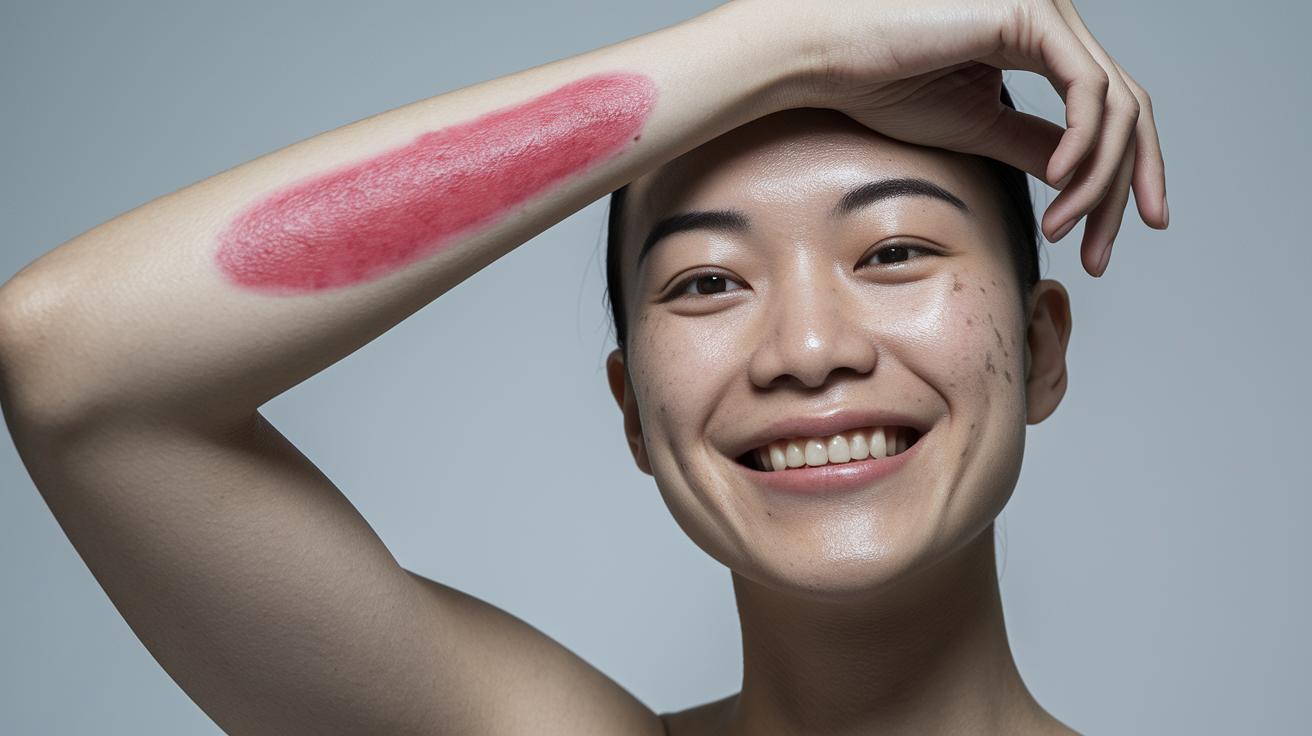

Quick take: Eczema can shift fast, from dry and cracked skin to red, itchy patches that need quick care.
If you experience any of these signs, call your doctor:
• Skin that becomes very red, swollen, or warm
• Intense, non-stop itch
• Pus, fever, or other signs of infection
Your eczema may sometimes act like a warning light. One minute your skin feels dry and cracked, and the next, it turns bright red and very itchy. In this guide, we explain the changes your skin goes through so you can act early and find relief sooner. We break down common signs like rough patches and sudden flare-ups, helping you know when it’s time to take action before things worsen.
Keep track of your symptoms and share what you notice with your doctor. This way, you can work together on a plan that helps you feel better fast.
Understanding Your Eczema Symptom Profile
Quick take: Eczema can start as red, inflamed patches that turn dry, cracked, and itchy. Watch for severe changes or signs of infection.
If you have any of these red flags, seek urgent care now:
- Widespread blistering or increasing redness
- Fever or sharp, worsening pain
- Oozing spots that spread quickly
Eczema shows up in many ways, but key signs help you manage your skin. Your skin may first appear red and swollen, then become dry, cracked, or even ooze. Picture a patch of skin that starts red and then cracks like dried paint on an old wall.
Itching is very common. Sometimes it feels mild, and other times it may be strong, like ants crawling on your skin. You might rate your itch on a scale from 0 to 10. Noting how strong the itch is helps you tell if your eczema is getting worse or better.
Your rash can also change in color and texture. On some skin tones, patches might look bright red, while on others they can turn brown, purple, or gray. The skin might feel rough like sandpaper or become scaly when it's dry. Some flare-ups start suddenly and intensely, while others build slowly over time.
Keep a simple record of these changes. Write down the color, texture, itch level, and how fast the patches appear. This helps you catch trends early and decide when to get help.
Eczema symptom profile: Bright Signs for Relief
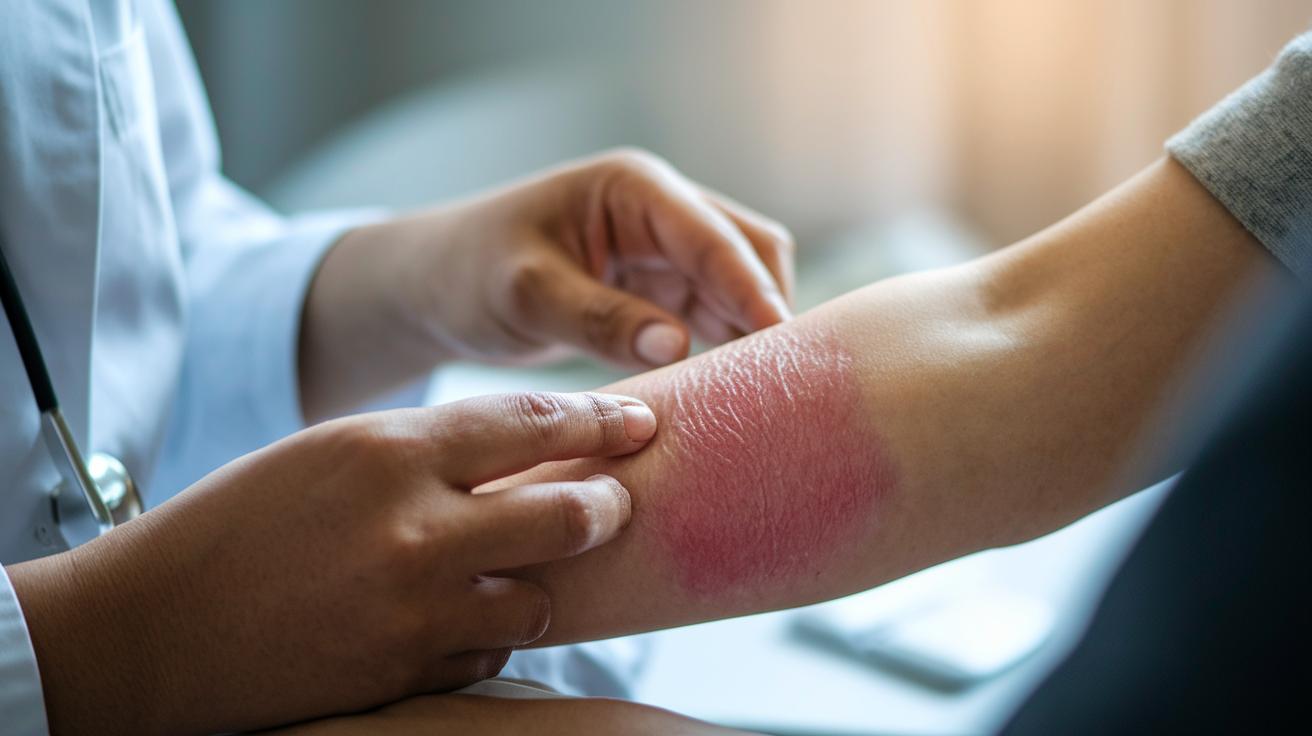
Quick take: Noticing the look and feel of your rash can show you what kind of eczema you have and help decide when to care for it or get help.
Red Flags: Call emergency services if you see signs of serious infection like fever, pus, or rapid spread.
Urgent: If the rash quickly worsens or spreads, speak with a clinician the same day.
Self-Care: Track your skin changes daily and adjust your routine as needed.
For many dealing with eczema, how your skin looks and feels offers clues about the type you’re experiencing. For example, atopic dermatitis usually shows up as thick, rough patches in the folds of your arms or legs. These areas often feel dry and itchy. On the other hand, contact dermatitis shows clear, red patches exactly where your skin met an irritant, like a chemical or allergen. Knowing these hints can help you decide if you need to change your skincare routine or ask a professional for advice.
Other kinds of eczema come with their own signs. Seborrheic eczema may cause oily, yellow scales on your scalp and face with some redness. Dyshidrotic eczema might show tiny blisters (small bumps filled with fluid) on your palms or soles. These differences reflect changes in how well your skin holds moisture. Paying attention to where your rash appears and how it looks can help you and your doctor choose the best care plan. Keep a daily note of any changes you see.
Itch Severity and Pruritus Management Criteria
Quick take: Eczema itch can be very intense and may disrupt your daily activities. If you notice this, keep track of your symptoms.
Eczema itch can feel very strong. Many people describe it as a sharp, stinging pain or like ants crawling on the skin. You might rate your itch between 5 and 10, with higher numbers showing more discomfort. This simple number helps show how much the itch interferes with your day.
Chronic itching (pruritus, which means long-lasting itch) can affect your sleep, work, and everyday tasks. If you find yourself scratching over and over, it might be a sign that your skin barrier is weak and at risk for damage. Repeated scratching can make the itch worse over time and even lead to scars or infections.
Try keeping a daily log. Write down when the itch is at its peak, if it stops your sleep, and how many times you scratch. Also, note any triggers, like rough fabrics or stressful moments, that seem to make it worse.
Tracking these details gives you and your clinician a clear picture of how the itch is affecting your life. It helps point out when your condition might need extra care or a change in treatment.
Rash Appearance and Lesion Distribution Patterns
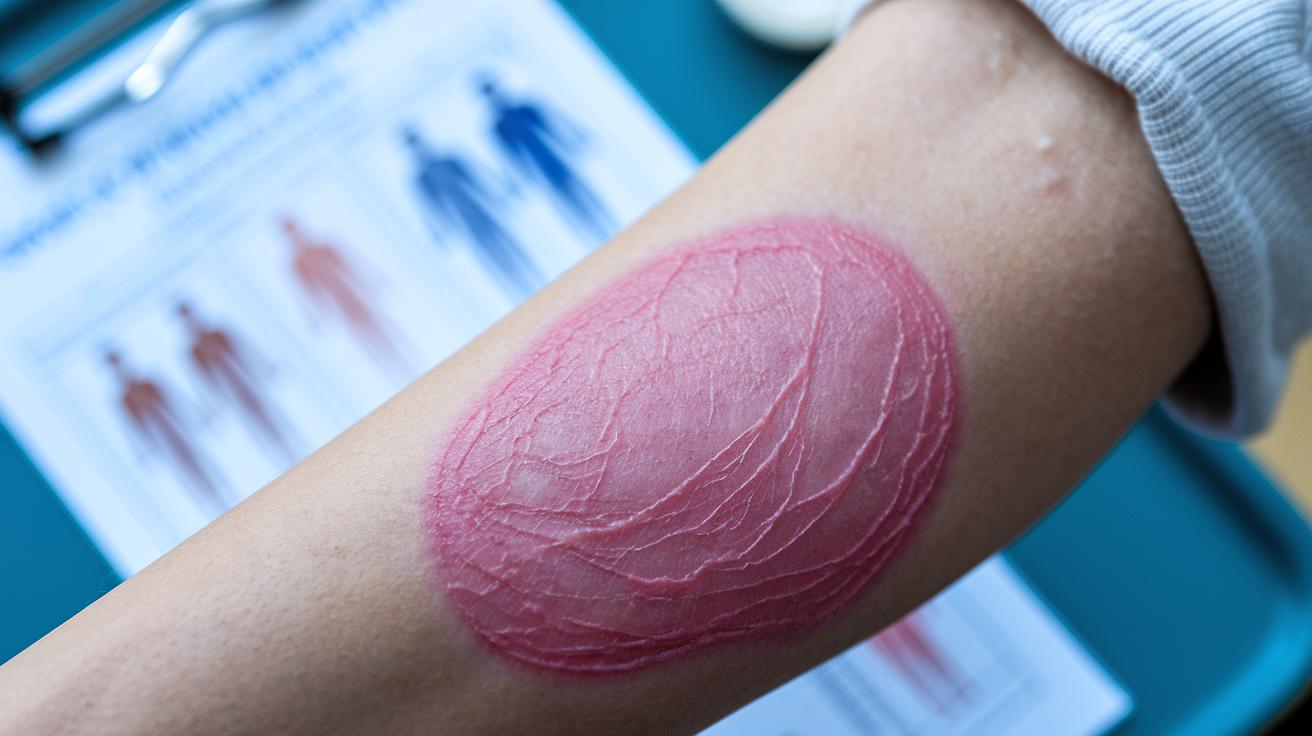
Quick take: Paying close attention to a rash’s edges, texture, and scale pattern can help guide you and your clinician toward the right diagnosis.
If you notice any of these red flags, call emergency services immediately:
- Sudden swelling of the face or lips
- Trouble breathing
Urgent: If the rash spreads rapidly or comes with a high fever, seek same-day care.
Watch and self-manage: If the rash changes slowly, track its progress and share your notes with your clinician.
Look past just the color. The way a rash’s edges merge with healthy skin and its texture can show which eczema type you might have. For instance, a rash with softly fading, uneven edges often points to an atopic dermatitis flare-up, it fades gently rather than showing a hard, clear line.
With atopic dermatitis, you usually see patches that blend gradually into normal skin, especially in body folds. Contact dermatitis, however, shows a clear, sharp line at the spot where an irritant touched your skin. Seborrheic eczema tends to feel greasy and can have yellowish scales on places like your scalp or face. Noticing fine, uneven scales on your face may suggest seborrheic eczema rather than simple irritation.
• Check the lesion edges: Do they merge smoothly or appear sharply divided?
• Look at the texture: Is the skin evenly smooth, or does it show patches of scaling?
• Note the scales: Are they fine and evenly spread or patchy in areas?
Eczema symptom profile: Bright Signs for Relief
Quick take: Eczema flare-ups can be set off by your surroundings or by your body’s own reactions. If your skin becomes very red, swollen, or painful, call your doctor.
Your skin may get irritated by harsh soaps, dry air, hot or cold weather, and pollutants. Even daily cleaning products can make it worse. Changes in the weather or extra dust in the air might also trigger a flare-up.
Your body’s defense system plays a role too. Pollen, pet dander, and food can spark reactions that lead to more inflammation (swelling and redness). Stress often makes itching worse and can speed up a flare-up. Sometimes, nothing obvious triggers a reaction, so it is a good idea to track what happens.
Keep a daily diary of your flare-ups. Write down the date and time each flare-up starts, how long it lasts, and score your itch on a scale from 0 to 10. Also, note any changes in your skin such as increased redness, scaling, or new bumps. For example, you might note, "03/15: Rash began at 7 AM, lasted 2 hours, itch level 8, skin turned red with small bumps."
Do these steps:
- Record if you used harsh soaps, faced extreme temperatures, or were near pollutants.
- Note any contact with pollen, pet dander, or certain foods.
- Write down times when you felt very stressed.
- Document flare-up details: date, time started, duration, itch severity (0-10), and any visible changes.
Keep this diary handy for your next doctor appointment. It can help guide your treatment decisions.
Red Flags, Infection Risk, and Complication Indicators in Eczema Symptom Profiles

Watch for signs that your eczema is getting worse. If you experience any of the following, you need to see your doctor right away:
- More than 10% of your skin is affected.
- You have a fever or strong, ongoing pain.
- Sores that do not heal or quickly get worse.
- Skin that is red, swollen, and tender (possible infection).
Keep a daily record of any changes. This helps track your symptoms and guides treatment. If any of these signs appear, contact your healthcare provider immediately.
Monitoring and Documenting Eczema Symptoms for Healthcare Consultations
Start a daily diary with the date, time, and any triggers you notice. Take a clear photo of the rash in natural or bright indoor light. For example, write: "03/20 at 8 AM: photo of red rash on arms after using new soap."
Rate your itch on a scale from 0 to 10, mark where the rash appears, and note how long the flare lasts. Also record details like stress level, exposure to things like dust or pollen, weather changes, how often you scratch, and any changes in the rash’s size or texture.
List every observation soon after each episode. When you see your doctor, these photos and notes will help guide your treatment.
For more details, see the step-by-step guide to keeping a symptom diary (https://thequickesttips.com?p=1347).
Final Words
In the action, this guide broke down your eczema symptom profile by examining skin appearance, itch scores, and rash patterns.
You saw how different eczema types display unique signs and when to track flare-ups and check for red flags like infection.
Documenting triggers and intensity helps you share clear details with your clinician.
Taking these steps can lead to better symptom management.
Keep recording your observations and remember, each note brings you closer to clearer skin and more confident care.
FAQ
How to cure eczema permanently
The question about permanently curing eczema reflects a common hope, but no permanent cure exists. Instead, treatment focuses on managing symptoms with creams, avoiding triggers, and following a long-term care plan set by your clinician.
Eczema treatment
The answer for eczema treatment involves using emollients, topical steroids, and other medications to reduce inflammation and itching. You should also avoid irritants and work with your healthcare provider for a personalized plan.
What causes eczema
The question about what causes eczema highlights that its triggers include genetic factors, environmental exposures, and immunologic responses. Allergens, irritants, and stress can all play a role in starting flare-ups.
Causes of eczema in adults
The answer regarding causes of eczema in adults shows that triggers like stress, allergens, dry skin, and chemical irritants often lead to flare-ups. Recognizing these factors can help manage symptoms with appropriate care.
Eczema pictures
The answer about eczema pictures explains that images typically show red, inflamed patches that may be dry or scaly. Visual examples help you compare your skin changes against known patterns for better self-assessment.
Types of eczema with pictures
The answer for types of eczema with pictures includes atopic dermatitis with itchy plaques, contact dermatitis with localized irritation, seborrheic eczema on the scalp, and dyshidrotic eczema on the hands and feet, which aid in identifying the specific type.
Is eczema contagious
The answer to whether eczema is contagious is clear: eczema is not contagious. You cannot pass it on to others, so sharing close contact does not spread the condition.
Eczema cream
The answer regarding eczema cream indicates that these topical treatments are used to soothe itch, moisturize the skin, and reduce inflammation. It’s best to consult your healthcare provider to choose the cream that fits your specific needs.