


Thinking about at-home care for your loved one? Many seniors value staying in the home they know. Over 77% of adults over 50 choose to age in a familiar place where they feel safe.
Private home care brings trained helpers right to your doorstep. These caregivers assist with daily tasks and personal care so your loved one can maintain dignity and independence. Their support builds confidence and a sense of security.
In this guide, you'll learn about the range of services available. Each service works together to create a warm and secure home environment that feels both safe and caring.
Private Home Care for Elderly: Comprehensive Service Overview
Private home care means you or your loved one get skilled help right at home. These services include 24-hour, active, or on-demand care. You can also access nursing support, assistance after a hospital stay, help during transitions (like recovery or moving between care settings), community living support, and specialized care for issues such as dementia, chronic diseases, developmental disabilities, or end-of-life needs.
A 2021 survey found that 77% of adults aged 50 and older want to stay in their own homes instead of moving into a facility. This trend shows how important personalized care is for seniors. Providers design individual plans covering personal care, companion support, respite care, veteran services, and unique specialty programs. Each plan is built to ensure that support is provided exactly when and where it is needed most.
The cost for these private services averages over $4,500 per month across the country. Your actual cost depends on your local market, the number of service hours needed, and whether specialized skills are required. Most people pay out-of-pocket using savings or other assets, and families may also need to budget for meals, utilities, and home upkeep.
Families seeking in-home care support can also benefit from caregiver resources. For example, one family said, "When we learned how flexible and responsive in-home care could be, our confidence in aging at home grew tremendously."
Private Elderly Caregiving: Types of In-Home Support Services
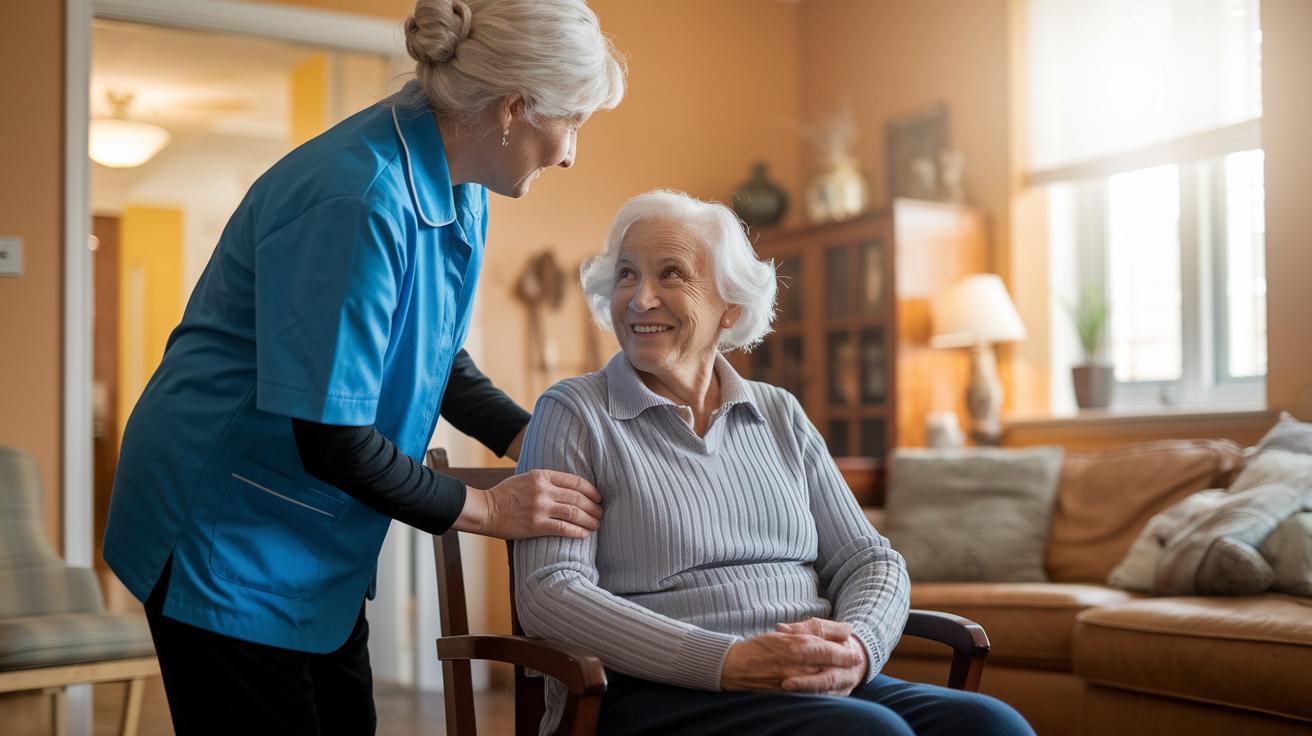
Private elderly caregiving offers a mix of services that meet everyday needs and help you stay safe at home. When you have the right support, daily tasks become easier and more manageable. One caregiver put it simply: "Helping someone dress and keep up with personal hygiene isn’t just about the task, it also builds trust and boosts self-confidence."
Here are some common types of in-home support:
- Help with personal hygiene and dressing: Assistance with bathing, grooming, and choosing clothes to support independence.
- Medication reminders: Alerts to help you take your pills on time.
- Mobility support: Aid to help you move around safely, whether it’s walking or moving from a chair.
- Meal preparation: Cooking healthy meals that respect any diet needs.
- Light housekeeping: Simple tasks like dusting and tidying to keep your space safe.
- Transportation: Trusted rides to appointments, errands, or social activities.
- Companionship: Friendly visits to help ease loneliness.
- Specialized dementia care: Focused support for the unique challenges of memory loss.
- Post-surgical and rehabilitative support: Help during recovery to regain strength and balance.
- Short-term respite: Temporary relief for family caregivers to rest and recharge.
Services can vary based on where you live. It’s a good idea to check local options to see what fits best with your needs. This approach to care covers both everyday help and specific medical support, ensuring a plan that matches your lifestyle and health goals.
Customized Home Care for Seniors: Assessment and Care Plans
When you start home care, a full check of your health, daily habits, and memory takes place. This helps us know if you need simple check-ins, overnight help, or round-the-clock care.
Your care plan is made just for you. We set up steps for taking medicines, keeping clean, cooking, and moving safely. Each plan is unique because it fits your life and goals.
We review your care plan regularly. If your health or routine changes, we update the plan right away. For example, we might check your mobility every week to ensure your support stays on target.
Regular reviews build a strong link between you and your care team, so adjustments happen quickly when needed.
Private Home Care for Elderly: Cost, Pricing, and Payment Options
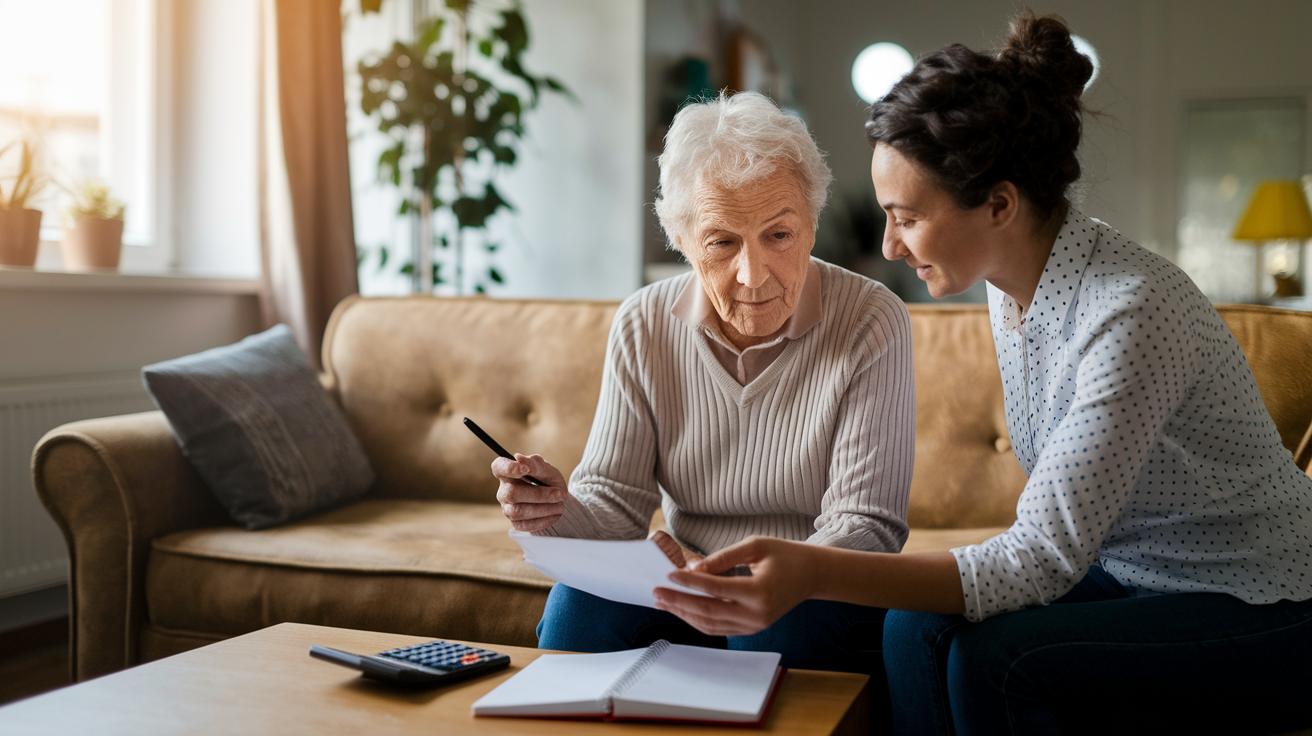
The average private home care cost for older adults is over 4,500 USD per month. Your final bill depends on where you live, how many care hours you need, and the caregiver’s training. Booking longer hours can often reduce the hourly rate. For example, a general care service may charge around 25 USD per hour, but that price can drop if you schedule more hours consistently.
Specialized care, such as help with dementia or medical support, usually runs higher because of the extra training required. Remember to account for additional costs like meals, utilities, home repairs, and property taxes. Most families pay from savings or assets, though in some cases, auto-injury policies may help cover part of the expenses.
Key pricing points:
- Longer service hours can lower the hourly rate.
- Specialized care comes at a higher cost.
- Extra expenses (meals, utilities, upkeep) add to the overall bill.
- Some auto-injury policies might help offset costs.
These factors together can help you plan a monthly budget that supports quality in-home care.
Caregiver Credentials and Safety Standards in Private Elder Care
Our home care professionals are carefully checked to keep your loved ones safe. They go through background checks and have their skills verified to build trust with you.
These caregivers are trained in elder care best practices. They provide help with respect and true expertise. One caregiver said, "I always double-check each step during my shift to keep the environment safe. It is all about respect and care."
Personal aide services focus on one-on-one support that is both kind and skilled. Agencies often review performance and adjust caregiver-to-client ratios. Many times, they use a 1:1 ratio when a client needs extra attention.
Home care agencies also manage employment taxes, insurance, and workers' compensation. This arrangement takes worry off families while making sure caregivers meet their duties. Each team follows strict safety steps, carries an emergency plan, and updates their skills regularly.
Agencies also set up meetings with families to share any changes and review safety rules. Keeping an open line of communication helps everyone stay informed. A caregiver noted, "Talking regularly with families lets us respond quickly when needs change."
These efforts together create a secure, dependable, and warm home care setting for seniors.
private home care for elderly: Cherished Home Living
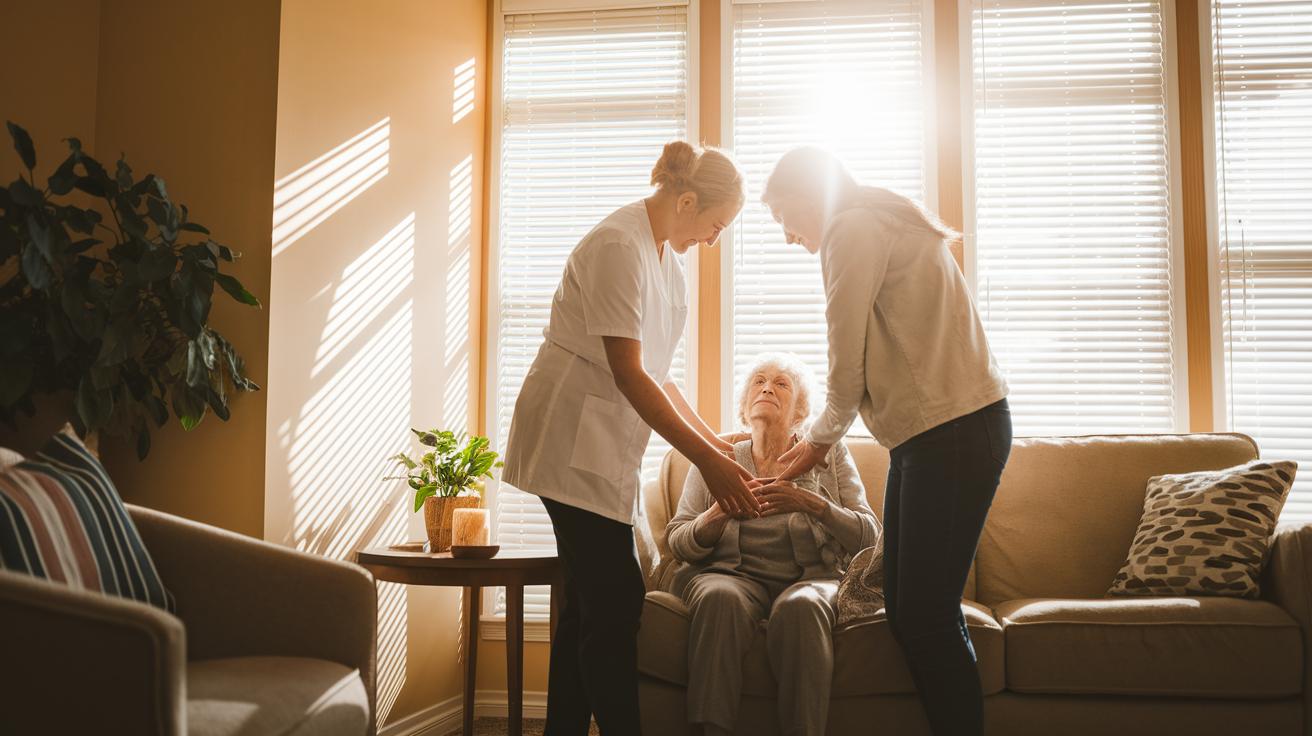
Private home care gives you warm, one-on-one help right in your own home. You get personal care that fits your needs while staying in a familiar place.
Consider how these options differ:
| Care Option | What You Get | Typical Cost |
|---|---|---|
| Private Home Care | Personal care in your home | Varies |
| Assisted Living | Community setting, meals, and basic care | $4,500–$5,500/month |
| Nursing Homes | 24/7 medical supervision and care | $8,000+/month |
| Adult Day Care | Daytime support only | $70–$100/day |
Private home care lets you pick the hours that best fit your life. It keeps your routine intact and lets you maintain your independence and privacy. Families often find comfort in knowing a caregiver comes directly to the home, reducing the stress of moving or changing routines. This one-on-one attention builds a closer bond and ensures your specific needs are met.
When choosing the right care, consider both the cost and how each option will impact your daily living and comfort.
Private Home Care for Elderly: Frequently Asked Questions
Quick take: These FAQs explain private payment, caregiver matching, Medicare coverage, and care plan reviews so you can feel sure about your home care options.
If you have any urgent concerns about your care or notice changes in your needs, please contact your care professional right away.
• What does private pay mean?
Private pay means you or your family pays for care directly using your own funds, like savings. This lets you choose care that fits your daily routine without the need for insurance.
• How is caregiver matching done?
Agencies match you with caregivers based on both skills and personality. They look at your daily habits and preferences so you feel comfortable and supported at home.
• Are services covered by Medicare?
Medicare usually does not cover non-medical home services like personal care and therapy. Most often, families use private funds or look at other payment options.
• How often are care plans reviewed?
Care plans are checked every few months or when your needs change. This regular review helps keep your care current and ensures your team can adjust services for a better quality of life.
Private Home Care for Elderly: How to Get Started and Next Steps
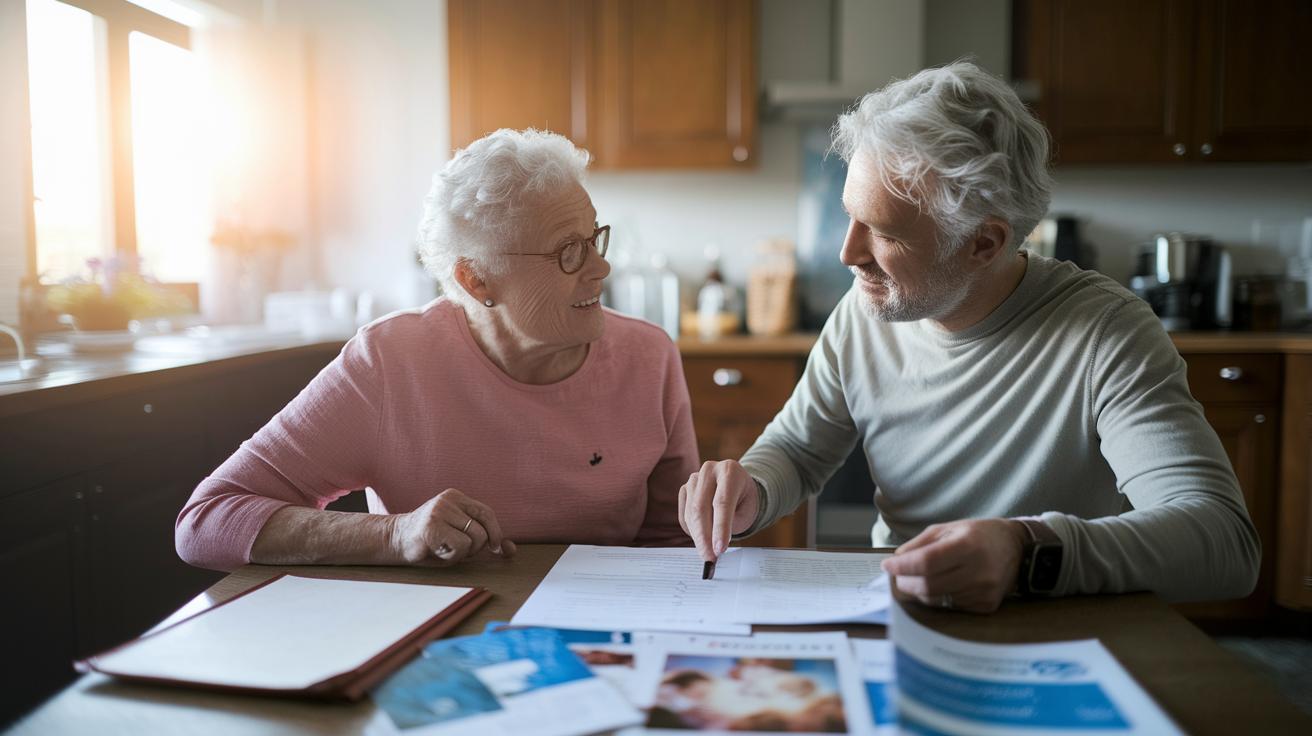
Quick take: Start with a free home consultation to discuss your needs and plan proper care for your loved one. If anything feels unclear, ask questions right away.
-
Schedule Your Free Consultation
• Call a trusted agency for a free in-home meeting.
• Explain your family member’s needs and ask for a detailed quote.
• Compare different service quotes to find one-on-one care that suits your expectations. -
Check Credentials and References
• Review caregiver backgrounds and ask for references.
• Look for a checklist or brochure that explains each step, from the initial meeting to signing the service agreement.
• Make sure you feel confident about the caregiver's experience. -
Set Up Ongoing Care Reviews
• Finalize your agreement and schedule regular reviews of the care plan.
• Adjust the plan if your relative’s health or daily routines change.
• Use support tools like newsletters, online portals, or family caregiver support programs (https://spiritsocietyofpa.com?p=264) to help with decision-making.
Following these steps gives you clear, personalized information and steady support as you plan quality home care programs for your elder family members.
Final Words
In the action of planning quality care, we broke down service types, personalized care plans, and cost details. We compared different options and laid out clear caregiver standards to help you decide on the best support route. You now have practical steps and checklists to guide next actions and useful pointers on questions you might ask. Each part helps shape a safe, well-informed plan for personal support. Private home care for elderly remains a strong option for maintaining independence and quality of life. Enjoy the confidence that comes with knowing you have clear, trusted guidance.
FAQ
In-home care services for seniors near me
The phrase in-home care services for seniors near you means support ranging from personal hygiene to meal preparation and assistance with daily activities provided in the comfort of your home.
Free in-home help for seniors
The term free in-home help for seniors refers to government or community programs that offer assistance with daily living tasks without charge, often available through local agencies or volunteer groups.
How to take care of elderly at home
The process of taking care of elderly at home involves helping with hygiene, medication reminders, meal prep, mobility, light housekeeping, and companionship, all tailored to fit individual needs.
Options for elderly care with no money and what to do with elderly parents with no money?
The options for elderly care with limited funds include community resources, government aid, non-profit programs, and volunteer services that assist seniors and support family caregivers when finances are tight.
What is it called when you take care of elderly at home
Taking care of elderly at home is known as in-home care or home-based elder support, which focuses on providing personal care and ensuring safety and comfort within the home.
Free services for senior citizens
Free services for senior citizens usually encompass community-based programs, local health outreach, transportation assistance, and help with daily tasks provided by government agencies or non-profit organizations.
Elderly care services at home
Elderly care services at home include personalized support like personal hygiene assistance, mobility help, medication management, and companionship, offered by private companies or community programs.
Does Medicare pay for private home health care?
The answer to whether Medicare pays for private home health care is that Medicare covers specific home health services when medically necessary, but it typically does not pay for non-medical services or broad private in-home care.
What is the 40 70 rule for aging parents?
The term 40 70 rule for aging parents is not a widely recognized clinical guideline; it may refer to informal planning advice regarding budgeting or care needs, so it is best to consult a professional for clear guidance.
How much does it cost to use Visiting Angels?
The cost to use Visiting Angels services depends on your location and care needs, with costs generally averaging over $4,500 per month nationwide, though hourly rates and specialized services may affect the final price.