
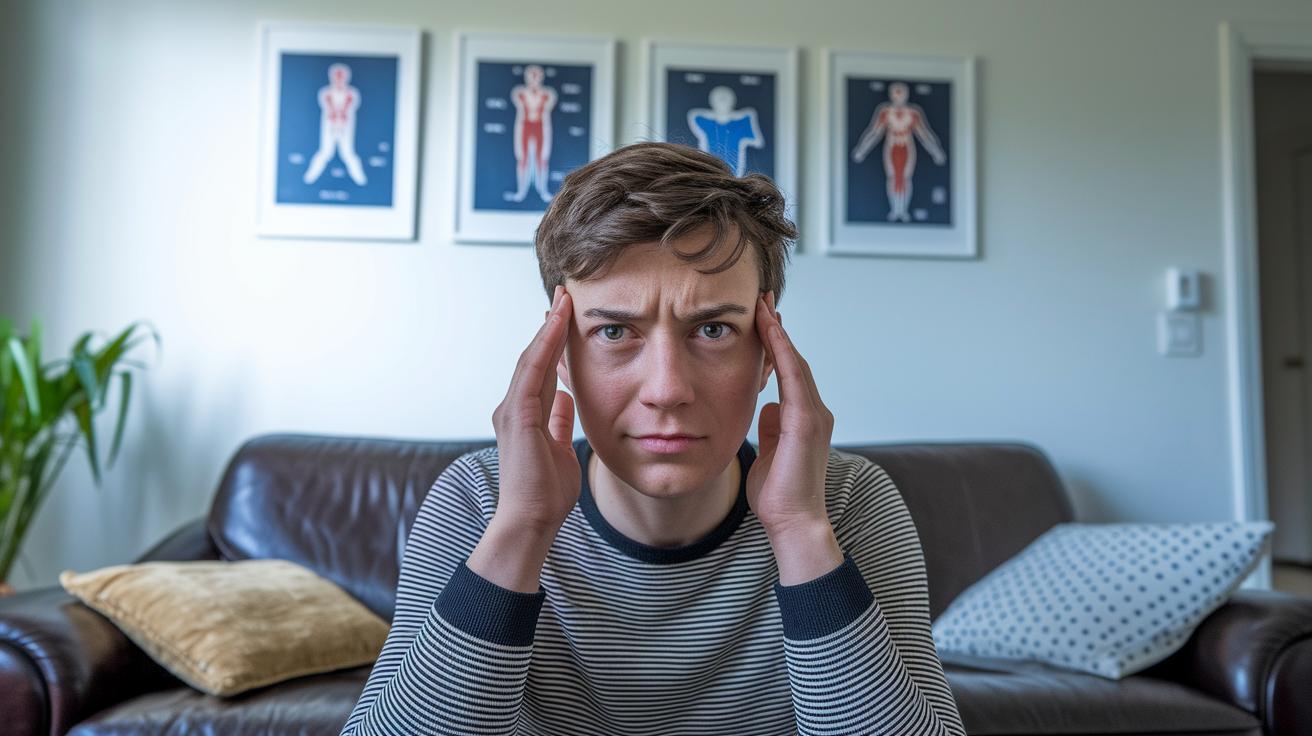

Quick Take: Persistent headaches can have many causes. Track your pain closely and act fast when new, worrisome symptoms occur.
If you have any of these emergency signs, call emergency services now:
• Sudden, severe headache that feels different from your usual pain
• Changes in vision or trouble speaking
• Weakness or numbness on one side of your body
• Confusion or difficulty waking up
• A stiff neck accompanied by fever
Some headaches hang around for days, leaving you feeling frustrated and worried. They can be triggered by stress, taking too many pain relievers (medications you use to ease pain), or even past head injuries. This guide shows you how to monitor your headache and when to seek help if your symptoms change. Follow these simple, safe steps to better manage your headache and take control of your comfort.
Understanding persistent headache: definitions and what to do
Quick take: A headache that lasts days might need careful attention. Track your pain and act fast if extra symptoms show up.
If you have any of these emergency signs, call emergency services now:
- Headache lasting more than 24 hours
- Blurred or double vision
- Confusion or trouble speaking
- High fever (102°F or higher)
A persistent headache is one that sticks around for days. It can happen with migraine, other headache disorders, or after a head injury. When you have this headache 15 or more days a month for at least 3 months, doctors call it a chronic daily headache. They use this as a signal to look closer at your symptoms.
Even though most lasting headaches are not life-threatening, they still need a review by your healthcare provider. If your headache lasts over 24 hours and comes with vision changes, confusion, or a high fever, it is best to get help right away.
Keep track of your headaches. Write down the days you experience pain, any extra symptoms, and note if the pain feels new or stronger than usual. This record helps your doctor decide if you need further tests or changes in your treatment plan.
Common causes of persistent headache

Quick take: Persistent headaches can come from many sources, so track your symptoms and habits to find the cause.
Triage: If you have any of these emergency signs, call emergency services now:
- A sudden, very severe headache
- Confusion or trouble speaking
- Weakness or numbness on one side of your body
- Changes in vision
- High fever or stiff neck
Persistent headaches can be linked to several factors. They might result from how you use pain medicines, stress in daily life, or past head injuries. For instance, if you take extra doses of pain relievers, you may later notice more pain when the medicine wears off. This is a common sign of a rebound headache.
Here are some common causes:
- Rebound headaches: Overusing over-the-counter pain medications can trigger pain even without an obvious reason.
- Migraines: These headaches can last several days and often start with early warning signs (a time when you feel unusual before the headache begins).
- Stress and mood-related headaches: Feelings of worry or sadness can make head pain worse.
- Cervicogenic headaches: Problems in your neck, like muscle tension or misalignment, can send pain up into your head.
- Post-injury headaches: Headaches may persist after a concussion or head injury due to ongoing effects from the trauma.
- Lifestyle factors: Not drinking enough water, poor sleep, and certain foods can keep headaches coming.
Tracking your symptoms and daily habits is key. Writing down when the headache starts, its severity, and any other related signs can help you and your healthcare provider decide on the best treatment plan to reduce the pain.
Types and symptoms of persistent headache
Persistent headaches come in many forms. They can feel very different and may be triggered by different things. Noticing these differences can help you and your doctor choose the best treatment.
A quick look:
• Constant pressure or squeezing pain may point to muscle tension.
• Throbbing, intense pain that makes you sensitive to light and sound is typical of migraines.
• Sharp, one-sided pain that happens in groups, often at night, suggests cluster headaches.
Tension-type headache
This headache feels like a steady, dull pressure that surrounds your head, much like a tight band. The pain is usually mild to moderate. It often comes from tight neck and shoulder muscles. You may notice it more after sitting for a long time or during stressful moments. A gentle massage and some stretching can help, but if the headache keeps coming, you should check with your doctor.
Migraine
Migraines have a warning phase that can start 1 to 2 days before the headache. In this phase, you might feel very tired or slightly nauseous (feeling sick to your stomach). When the migraine starts, the pain is strong and throbbing. Light and sound may bother you a lot. Some people even feel nauseous or vomit during an attack. Resting in a dark, quiet room often helps, while the episode may last between a few hours and several days.
Cluster headache
Cluster headaches tend to hit in cycles and most often occur at night. They cause very sharp pain on one side of the head, usually around the eye. Other signs may include tearing of the eye or a stuffy nose on the affected side. These headaches occur in groups over weeks or months, with each attack lasting from 15 minutes up to 3 hours. The strong pain can interrupt your sleep and daily routines.
| Type | Key Features | Typical Duration |
|---|---|---|
| Tension-type | Steady, dull pressure; neck/shoulder tension | Hours to days |
| Migraine | Throbbing pain; light and sound sensitivity; warning signs | 4 to 72 hours |
| Cluster | Severe one-sided pain; eye tearing; cyclical attacks | 15 minutes to 3 hours |
Red flags and when to seek help for persistent headache

Quick take: Some headache signs mean you need help fast.
If you notice any of these signs, act immediately:
- A sudden, very severe headache that reaches its worst point in seconds. This could signal a brain bleed.
- A headache with signs of possible seizure.
- A new daily headache if you are over 50 or have a history of cancer.
- A headache that continues after a head injury or concussion.
If these symptoms happen, write down when your headache started and any other signs you feel. Share these details with your doctor to decide what to do next.
Diagnostic approach for persistent headache
Quick take: A long-lasting headache can have many causes, so tracking your symptoms is very important.
Triage Box:
• Red flags: Call emergency services now if you suddenly have a very severe headache, vision changes, weakness, confusion, or loss of balance.
• Urgent concerns: If your headache gets worse, comes on suddenly, or is accompanied by fever or repeated vomiting, seek same-day medical care.
• Basic steps: Keep a record of your symptoms and share it with your doctor.
Start by keeping a headache diary. Write down when your headache starts, how long it lasts, and what seems to trigger or worsen it. Note any extra symptoms like blurry vision or nausea and record details about your sleep and stress levels. This diary helps your doctor spot patterns and find clues to why your head hurts.
Next, your doctor will do a simple neurological exam. They will check your vision, muscle strength, reflexes (automatic muscle responses), and coordination. This exam shows if your headache might be due to more than just muscle tension or stress and helps rule out problems that need faster care.
Finally, your doctor might order imaging tests such as an MRI or CT scan. These tests look at the structure of your brain and blood vessels to rule out other causes. Sometimes, additional tests like blood work or a lumbar puncture (a test that collects spinal fluid) are needed if there is a worry about infection or another serious problem causing your headache.
Treatment options for persistent headache

Quick take: Managing ongoing headaches means using a mix of methods to ease pain and prevent future flare-ups.
Triage Box:
If you have any of these emergency signs, call emergency services now:
- Sudden, very severe headache
- Confusion or trouble speaking
- Changes in vision or weakness on one side of the body
Urgent:
- If your headache intensity suddenly worsens or you notice new symptoms, seek same-day medical attention.
Self-care:
- Follow your doctor’s advice.
- Track your symptoms and note any changes.
Many options can help ease persistent headaches safely. Work with your healthcare provider to choose a plan that fits your needs. For example, your doctor may suggest preventive medicines like beta-blockers (drugs that lower blood pressure) or antidepressants to reduce how often headaches occur. These medicines are taken regularly to lower the chance of an attack.
Over-the-counter pain relievers such as acetaminophen or ibuprofen can offer quick relief. Just be careful not to use them too often, as overuse might cause rebound headaches (headaches that occur when pain relievers wear off).
If your pain feels linked to your neck or posture, physical therapy and simple neck exercises might help ease a cervicogenic headache (headache caused by neck problems). Some people also find that acupuncture and pressure-point massage help to relax tense muscles and lower the pain.
Thermal treatments work for many. Using an ice pack or a warm cloth on your head or neck, combined with deep breathing exercises, can help relax tight muscles. There are also herbal options like butterbur or feverfew, though their effects vary and you should use them only after talking with your doctor.
Stress can be a big trigger for headaches. Practices like mindfulness, biofeedback, and other stress-management strategies can reduce the frequency of your headaches by calming your mind.
Remember to keep a headache diary. Write down the date, time, what you felt, and if anything helped or made things worse. Sharing this with your healthcare provider can guide your treatment plan and help you feel more in control.
Preventing persistent headache with lifestyle changes
Quick Take: Keeping a steady daily routine can help lower your headache frequency.
Triage:
If you have any of these emergency signs, call emergency services now:
- A sudden, very severe headache
- Confusion or trouble speaking
- Weakness or numbness on one side of your body
Urgent:
- Headache that worsens quickly or does not improve
- Headache with a high fever or a stiff neck
Stick to a steady routine. Try to wake up, eat, and sleep at the same time every day. A regular schedule helps your internal clock run smoothly and may ease the frequency of your headaches. One person said that after keeping the same sleep schedule, their head pain became less intense. Even small changes can really help.
Keep yourself well-hydrated and choose healthy foods. Drinking enough water can help prevent tension headaches by keeping your brain tissues properly hydrated. Enjoy balanced meals that include fruits, vegetables, and whole grains. Also, try to limit caffeine and alcohol since they can trigger head pain. A simple tip is to swap one caffeinated drink each day for water or herbal tea.
Manage stress and aim for better sleep. Regular exercise and simple stress-relief techniques like deep breathing or meditation can make a big difference. Making your workspace comfortable can also reduce muscle tension that adds to head pain. By following these steps, you may sleep better, feel less stressed, and see fewer headaches over time.
Impact of persistent headache on daily life and coping

Quick take: Persistent headaches can upset your daily routine and mood. If you notice any new or worsening signs, seek help right away.
If you have any of these emergency signs, call emergency services now:
- A sudden, very severe headache that feels different than normal.
- Vision loss or trouble speaking.
- Numbness, weakness, or confusion.
If your headache makes you faint or feel very dizzy, get urgent care. If you have mild but ongoing pain, monitor your symptoms and talk to your doctor if they do not improve in 3 days.
A constant headache can make it hard to focus at work and keep up with social plans. Meetings, daily tasks, and even simple errands can start to feel overwhelming. Activities that used to be normal now require extra energy and careful planning, which makes both work and play less fun.
The pain can also affect your mood. Many people feel anxious or low when their headache is around all the time. This ongoing discomfort might make you want to skip social events, leaving you feeling isolated and more tired.
There are ways to cope. Many turn to cognitive-behavioral therapy (a type of talk therapy that helps change negative thoughts) to learn how to handle pain. Support groups can also help, giving you a place to share experiences and learn tips that make daily life easier.
Remember, you do not have to face persistent headaches alone. Tracking your symptoms and sharing what you notice with your doctor can help you find the right support and treatment.
Final Words
In the action, you’ve explored the common causes, warning signs, and steps to take when facing a persistent headache. You learned about how different types of cranial pain may require varied approaches, from monitoring red flags to trying targeted treatments. You also discovered practical ways to manage and prevent these headaches with lifestyle changes. Remember to track your symptoms and work closely with healthcare providers when needed. Staying informed can help you regain control and feel better each day.
FAQ
Why am I suddenly getting daily headaches?
The daily headaches you experience may stem from factors like stress, migraine, rebound effects from over-the-counter medicine, dehydration, or other health issues. Tracking symptoms can help your clinician find the root cause.
What causes daily persistent headaches, especially in women?
The daily persistent headaches you notice in women can result from migraines, hormonal changes, stress, medication overuse, or pregnancy-related shifts. Recording triggers and symptoms can assist your doctor in determining treatment.
What does the ICD-10 classification for persistent headache mean?
The ICD-10 classification you see denotes a standardized system used by physicians to diagnose chronic headache based on specific criteria such as frequency and duration, guiding them to the right treatment.
What could cause a headache behind the eyes?
A headache behind the eyes you feel might be linked to sinus pressure, eye strain, migraine, or muscle tension. Keeping a symptom record and noting triggers can help a clinician decide the next steps.
Why do I experience persistent headaches along with fatigue?
The persistent headaches combined with fatigue you experience may point to conditions like migraine or stress-related issues. A headache diary tracking pain levels and fatigue can provide useful information for your doctor.
How long is too long for a persistent headache, and why might it not go away?
A headache that lasts more than 24 hours or continues for several days signals you should seek medical advice. The headache you experience may persist if an underlying issue remains unaddressed.