
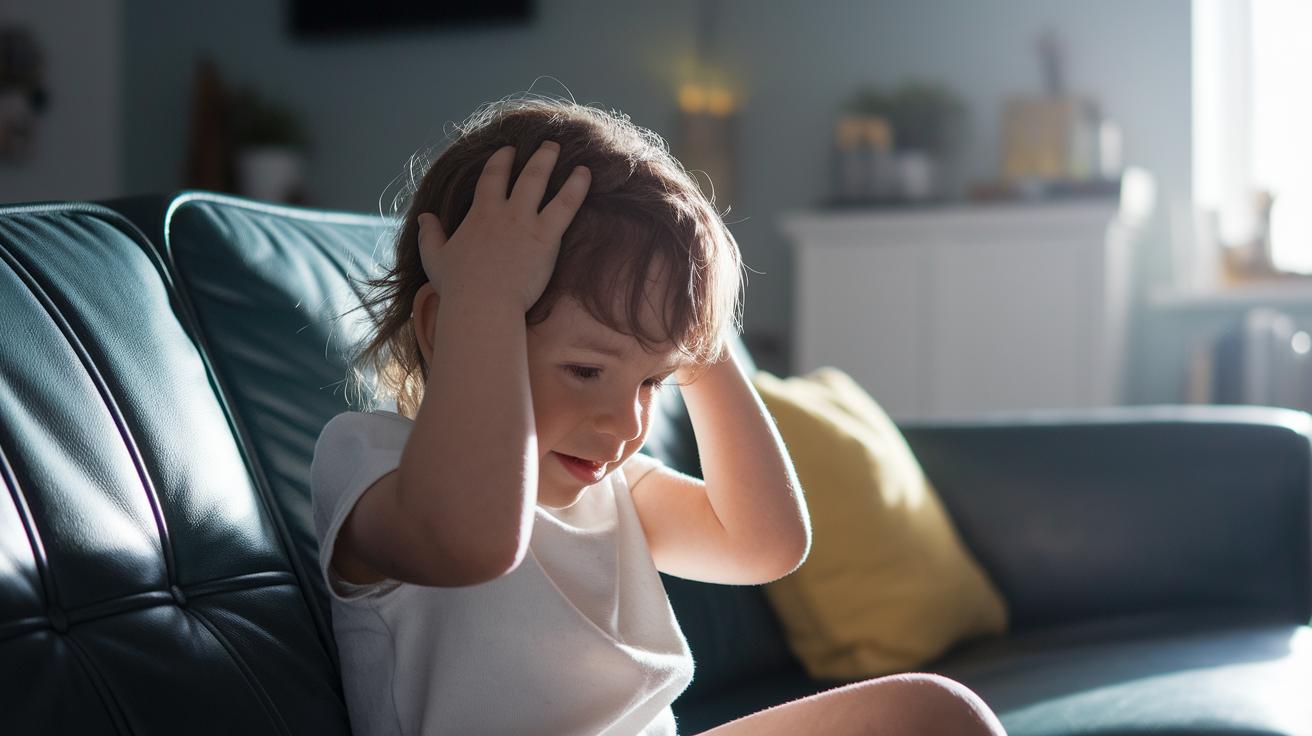

Quick Take: Your child's mood changes and extra tiredness might be early signs of a migraine.
If your child shows these warning signals, especially if they also have a very stiff neck, severe headache, confusion, or trouble waking, call emergency services immediately.
Sometimes a child’s unusual fatigue or mood shifts aren’t just a phase. Small changes, like a stiff neck or extra sleepiness, can signal that a migraine may be coming on. These early hints can help you decide when to offer care or seek professional advice.
Keep an eye on these signs and track what happens. Write down the time, any extra sleepiness or mood changes, and any other symptoms. Share these notes with your child’s doctor to make sure nothing serious is missed.
Stay hopeful. Knowing what to watch for is a key step in helping your child feel better.
Key Indicators of Migraine Warning Signs in Children: Stay Hopeful
Quick take: Kids with migraines often show early changes like tiredness or mood shifts before head pain begins.
Triage:
• Red flags: Sudden, very different head pain; severe vomiting; unresponsiveness.
• Urgent concerns: Intense headache pain that does not improve; changes in behavior that worry you.
• Watch and self-manage: Early signs like extra sleepiness, irritability, or a stiff neck.
About 10% of children and teens experience migraines that feel far worse than ordinary headaches and can interrupt their daily activities. They often report pounding head pain, nausea, vomiting, and trouble with bright lights or loud sounds. Since younger children might struggle to explain how they feel, you may notice changes in behavior like becoming withdrawn or more irritable.
Migraines in kids typically come in four parts. First, a warning phase can occur up to 1 day before the migraine. In this phase, you might notice your child seems unusually tired, moody, or even has a stiff neck. For instance, your child might act cranky or sleepier than usual just before the headache starts.
Next comes the aura phase, which happens in 15% to 30% of cases. About 30 minutes before the headache, your child may see flashing lights, have blind spots, or feel tingling in the face or hands. They might mention that things look sparkly or blurry right before the pain hits.
Then the headache attack begins with a strong, pulsing pain that may affect one or both sides of the head. Finally, in the recovery phase, your child may feel tired or notice mood shifts even after the pain lessens. These feelings can last from a few hours to several days.
By watching for these early signs, you can better track your child’s symptoms and decide when to offer home care or seek medical help.
Aura and Prodromal Phases in Child Migraine Warning Signs
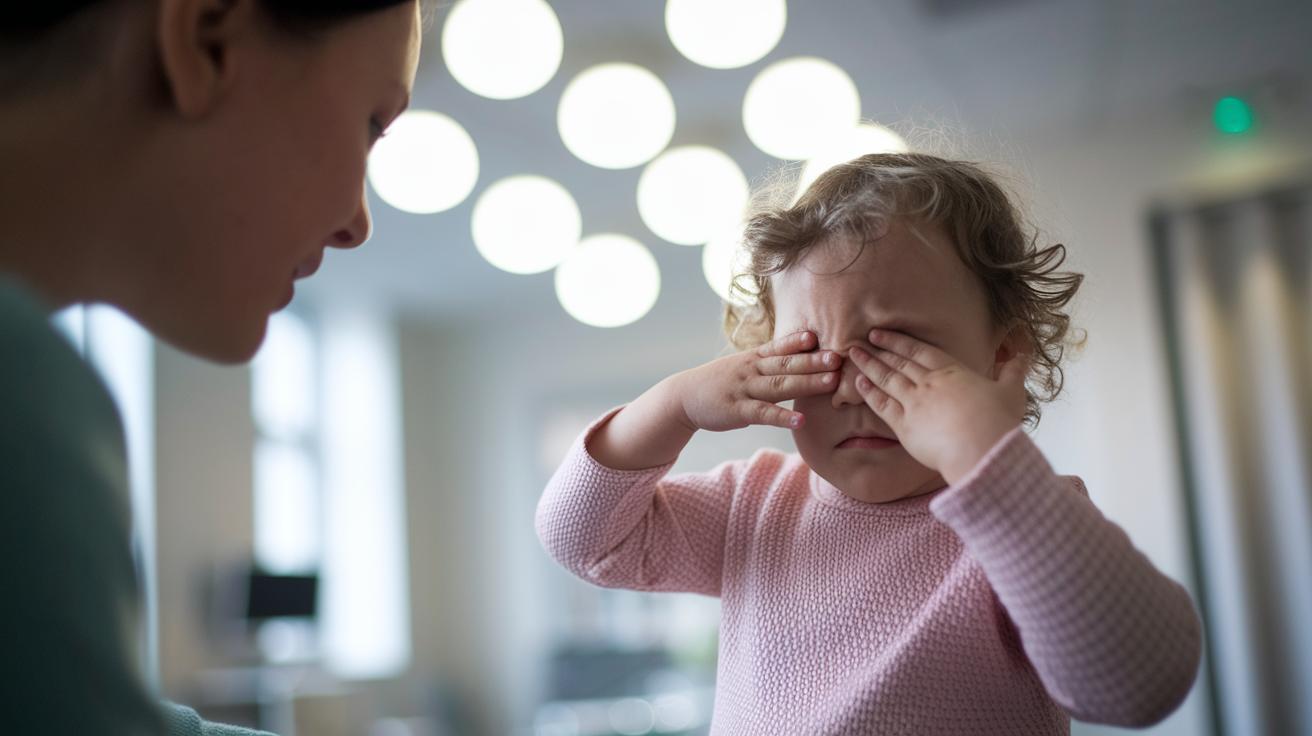
Sometimes a child may seem very tired or cranky before a headache. They might even say that "the lights seem to dance," which is a sign of brief visual changes. These early signs have now been combined with the main migraine warning signals for better understanding.
Differentiating Migraine Warning Signs in Children from Other Headaches
Kids with migraines usually have a strong, pounding head pain that can affect one or both temples. This pain can last from 2 to 72 hours if untreated. They may also feel sick or be very bothered by bright lights and loud sounds. If your child has a steady, pressing headache that feels mild to moderate without nausea or light sensitivity, it may be a tension headache. Cluster headaches are very rare in children, but when they do occur, the pain is sharp, centered around one eye, and lasts only a short time.
Watch for these headache signs in your child. For example, a pounding pain with vomiting or vision changes likely points to a migraine. A constant pressure without other symptoms is more typical of a tension headache. And if you see sudden, sharp eye pain even briefly, that may signal a cluster headache.
| Feature | Migraine | Tension Headache | Cluster |
|---|---|---|---|
| Pain Quality | Pounding, pulsating | Steady, pressing | Sharp, focused around one eye |
| Duration | 2–72 hours | Minutes to hours | 15–90 minutes |
| Location | Often one or both temples | Usually all over the head | One side (around one eye) |
| Associated Symptoms | Nausea, sensitivity to light and sound | Usually none | Often other body signs |
| Frequency | Can happen often | Less frequent, linked to stress | Very rare and episodic |
Recognizing these signs can help you decide your next steps in care.
Common Triggers for Migraine Warning Signs in Children
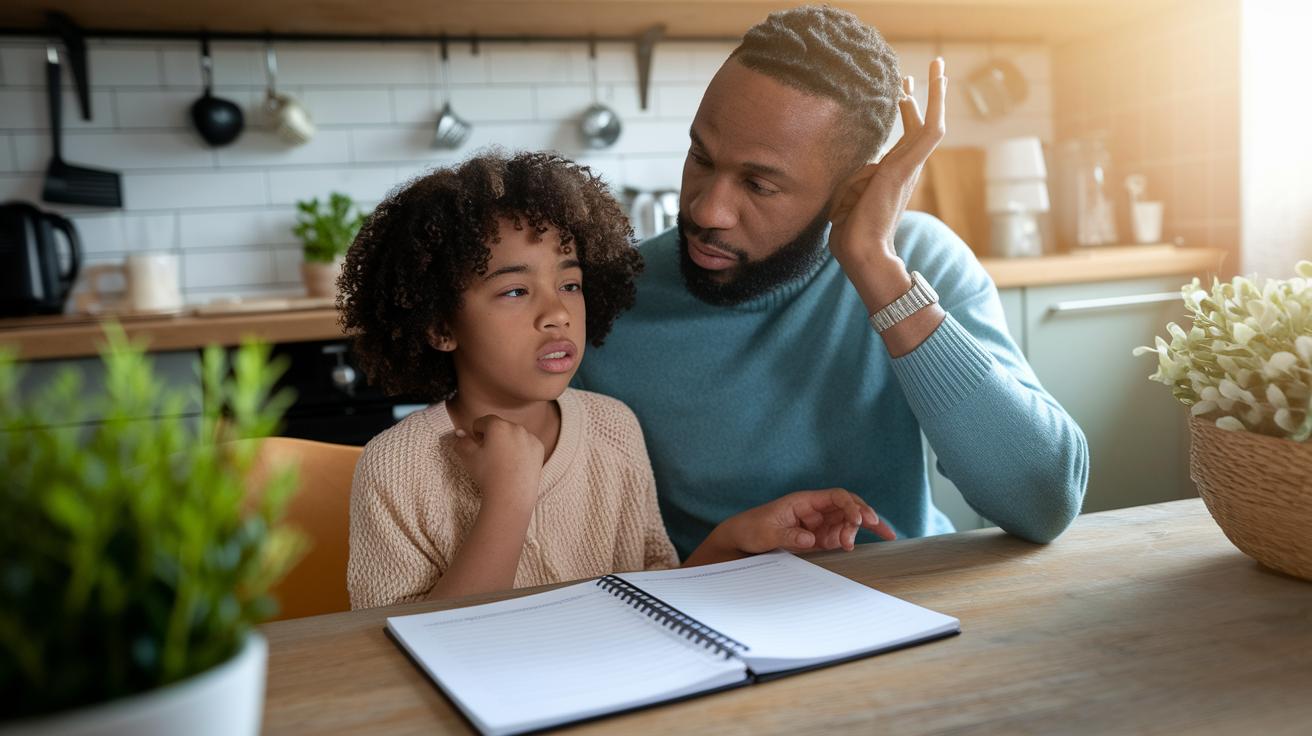
Quick take: Noticing what sets off your child's migraines can help you prevent full-blown attacks.
If you see any of these signs, act now:
- Red flags: If your child has a sudden, severe headache, changes in vision, or becomes very confused, call emergency services immediately.
- Urgent: If migraine symptoms happen more often or worsen, seek same-day medical care.
- Watch and self-manage: Keep a simple log of daily routines and foods to spot patterns.
Children can show migraine symptoms from different things, and these may change from child to child. Tracking what happens can help you spot patterns. For example, if your child seems extra grumpy on a stressful day, it might be a sign to watch for migraine symptoms.
Here are common triggers that can lead to migraine warning signs in children:
- Stress or strong emotions
- Trouble sleeping or an uneven sleep routine
- Skipping meals or becoming dehydrated (not having enough fluids)
- Bright or flickering lights
- Loud or sudden noises
- Specific foods such as aged cheese or chocolate
By keeping a daily log of events, meals, and how your child feels, you may notice that certain triggers lead to early migraine signs. Use this information to make small changes in your child's routine and help reduce the chance of an attack.
When to Seek Professional Help for Migraine Warning Signs in Children
Quick take: If your child shows new warning signs with a migraine, act immediately.
If you see any of these red flags, call emergency services right away:
- New weakness or changes in speech
- Vision problems or an aura (a warning light) that lasts more than 60 minutes
- Seizures or sudden confusion
- A headache that lasts over 72 hours
These signs may point to a serious problem. Brain tumors and stroke are very rare causes of migraines in children, so a typical migraine usually does not need a CT or MRI. Still, any big change in your child's behavior or physical state needs prompt attention.
Next steps:
- Visit your child’s pediatrician or a pediatric neurologist for a careful check.
- If your child seems unusually confused or off during a migraine, trust your instincts and get help immediately.
In-person evaluations are available on alternating Saturdays from 9:00 am to 2:00 pm at children’s health centers. Booking an appointment during these times can help ensure your child gets the care needed.
If the migraine symptoms get worse or you notice new changes, seek same-day medical help. Write down the start time and any signs you see. This record will help your healthcare provider understand the situation and decide the best care for your child.
Home Care Strategies for Migraine Warning Signs in Children
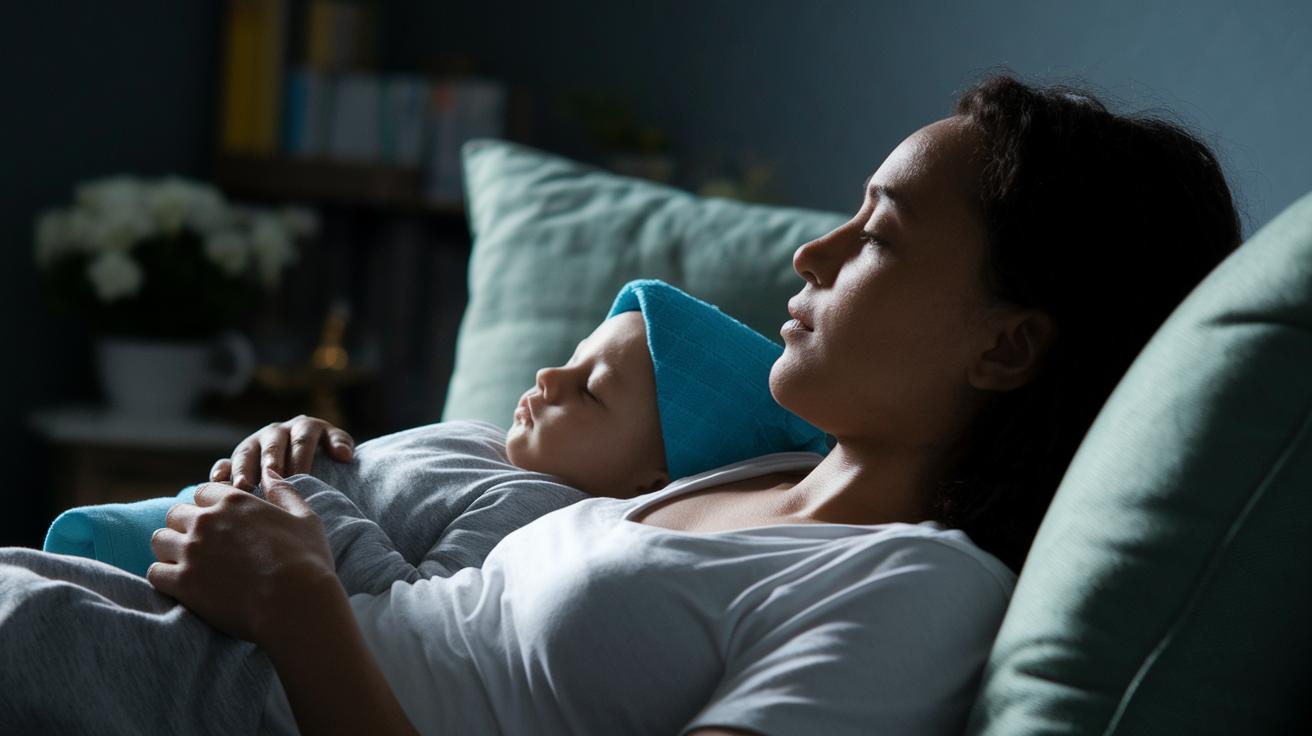
Quick Take: Use simple home care steps early to ease your child’s migraine and help shorten its duration.
Triage Box:
• Call emergency services now if your child shows confusion, difficulty speaking, loss of balance, fainting, or extreme behavior changes.
• Seek same-day medical care if the headache becomes much worse, is accompanied by persistent vomiting, or if there are signs of severe discomfort.
• If these signs are absent, follow these home care steps.
• Have your child rest in a quiet, dark room to block out light and noise.
• Gently place a cool compress on their forehead or the back of their neck to ease pain and reduce swelling.
• Encourage small sips of water or an electrolyte drink to stay well-hydrated.
• If needed, give an age-appropriate over-the-counter pain reliever by following the dosing instructions.
• Keep a consistent daily routine with regular sleep and meal times to help lower the chance of future migraines.
For example, if your child mentions a dull headache in the afternoon, have them lie down in a dark room and sip water slowly. Tracking these steps and any changes in how they feel can be very useful when you talk with your healthcare provider.
Less Common Migraine Variations as Pediatric Warning Signs
Quick take: Some migraine signs in kids may show up as belly pain, dizziness, or vomiting instead of a typical headache.
Triage Box:
• If your child has any new or very severe symptoms, call your doctor.
• If the episodes last longer than usual or happen very often, seek urgent care.
• Always note when symptoms occur, how long they last, and any other signs, and share these details with a healthcare professional.
Some children may not show the usual headache. Instead, a child might have abdominal migraine. In this form, the child experiences belly pain near the navel that can last from 1 to 72 hours. They might also feel sick to their stomach (nausea) even though they do not complain about head pain. Recognizing this pattern can help you keep track of the symptoms over time.
Another type you might see is paroxysmal vertigo. This means a child can feel intense dizziness suddenly that goes away quickly. These dizzy spells, while scary, usually stop on their own. It can help to tell your child to sit or lie down during these moments to feel safer.
A less common form is cyclic vomiting syndrome. In this condition, your child may have bouts of uncontrollable vomiting that can last up to 24 hours. These attacks might occur every 2 to 3 months and can make your child feel very unwell.
Keep a record of when these symptoms happen and what you notice about them. This information can be very useful when you talk to your doctor about your child’s health.
Final Words
In the action, we walked through key indicators and triggers, clarified the phases of pediatric migraines, and discussed how to differentiate migraine warning signs in children from other headaches. We also shared home care strategies and cues for seeking professional help. Breaking down symptoms led to clearer decision-making. Keep an eye on behavior changes and any red flags. Trust your instincts and use this guide to track and manage migraine warning signs in children. Stay proactive, and remember – safe steps at home can pave the way for better care.
FAQ
How to diagnose migraines in children?
The diagnosis of migraines in children involves reviewing their history, observing symptom patterns, and ruling out other causes. A pediatrician or neurologist usually conducts this evaluation based on physical and behavioral clues.
What causes migraines in children?
The causes of migraines in children often include genetic predisposition, environmental triggers like stress, sleep changes, certain foods, and hormonal shifts. These factors can combine to trigger a migraine attack.
How to treat migraines in a child and what medicine is used?
The treatment of migraines in children involves home care strategies such as resting in a dark, quiet room and using cold compresses, along with age-appropriate over-the-counter pain relievers. Always follow a doctor’s guidance.
What are migraine symptoms in kids, especially regarding fever?
The migraine symptoms in children usually include throbbing head pain, sensitivity to light and sound, nausea, and irritability. Fever is not a typical sign of migraines in kids.
What types of migraines occur in children?
The types of migraines in children include those with aura (visual or sensory changes), typical migraines without aura, and less common forms such as abdominal migraines, which can involve recurrent belly pain instead of head pain.
What are migraine symptoms in teenagers?
Migraine symptoms in teenagers include intense, pulsating head pain, nausea, sensitivity to light and sound, and sometimes an aura phase. These symptoms are similar to those seen in younger children and adults.
Are migraines in children common?
Migraines in children are fairly common, affecting about 10 percent of children and teens. They can significantly interrupt daily activities due to the intensity of the pain and associated symptoms.
What are the 5 C’s of migraines?
The 5 C’s of migraines refer to key clinical features often used in diagnosis, such as cyclic occurrence, chronicity, throbbing pain, accompanying symptoms, and response to treatment, which help clinicians characterize migraine patterns.
When should you worry about migraines in kids?
You should worry when a child experiences red flag signs like new neurological deficits, prolonged aura over 60 minutes, or a headache lasting more than 72 hours. These signs warrant immediate medical evaluation.
What are the red flags for migraines in children?
Red flags for migraines in children include sudden weakness or speech changes, extended periods of vision loss or aura, seizures, confusion, and unusually long-lasting headaches. These symptoms require prompt medical attention.
What are atypical symptoms of migraines?
Atypical symptoms of migraines in children can include abdominal pain without headache, brief and intense dizziness (paroxysmal vertigo), and episodes of uncontrollable vomiting, which differ from the classic migraine presentation.