
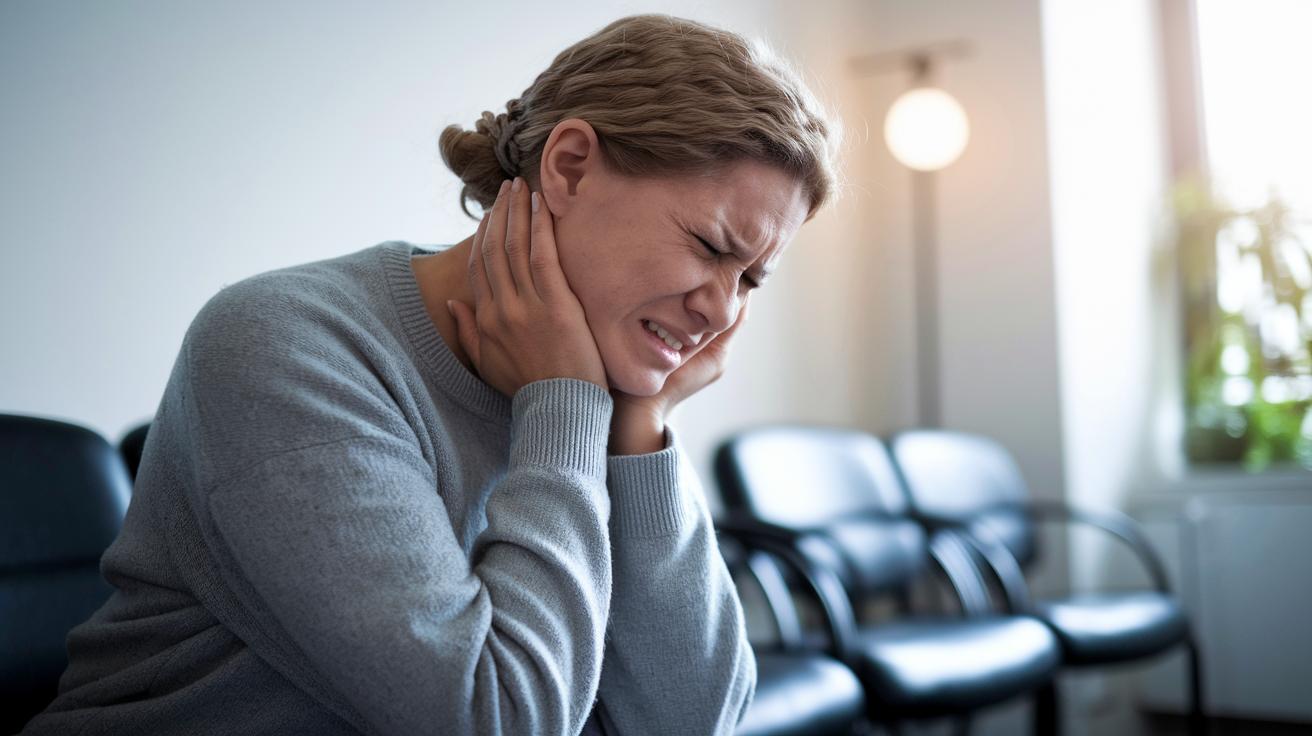

Quick take: Neck tension can be an early sign of a migraine.
If you have a stiff neck and a headache coming on, take note now. Many people ignore neck pain until a migraine hits. But your neck can be a warning sign. When your neck feels tight, it may be telling you that a migraine is about to start.
Here’s what you should know:
• Neck tightness may come before a migraine.
• Acting early might help you avoid a full migraine.
• Track your symptoms and share them with your clinician if they worsen.
Your neck pain is a simple signal that your body gives before a migraine. Recognizing these early hints can help you take action sooner and feel better faster.
How Migraine Neck Pain Signs Indicate an Oncoming Attack
Quick take: A stiff, sore neck may warn you that a migraine is coming.
If you have any of these emergency signs, call emergency services now:
- Sudden, severe headache coupled with weakness or numbness.
- Trouble speaking or confusion.
- Vision changes or loss of balance.
If your neck pain comes with a fever or worsens quickly, seek same-day medical care.
About 2% of people worldwide have chronic migraines. Many feel tense neck muscles right before or during an attack. Studies show that nerve signals and muscle strain in the upper spine (the neck area) can hint that a migraine is near. Recognizing this warning sign can help you take action early.
Clinicians now see neck pain as an important early alert, not just a side effect. Even mild stiffness or a dull ache in your neck might come before a full migraine attack. Keeping a record of these symptoms can help you and your healthcare provider manage your migraine better.
Often, noticing neck tightening or ache motivates people to rest or take their medicine. Paying close attention to these early signs may help stop a migraine from getting worse. Stick with these tips and always update your clinician if your symptoms change.
Why Migraine Neck Pain Occurs: Anatomical and Neurological Factors
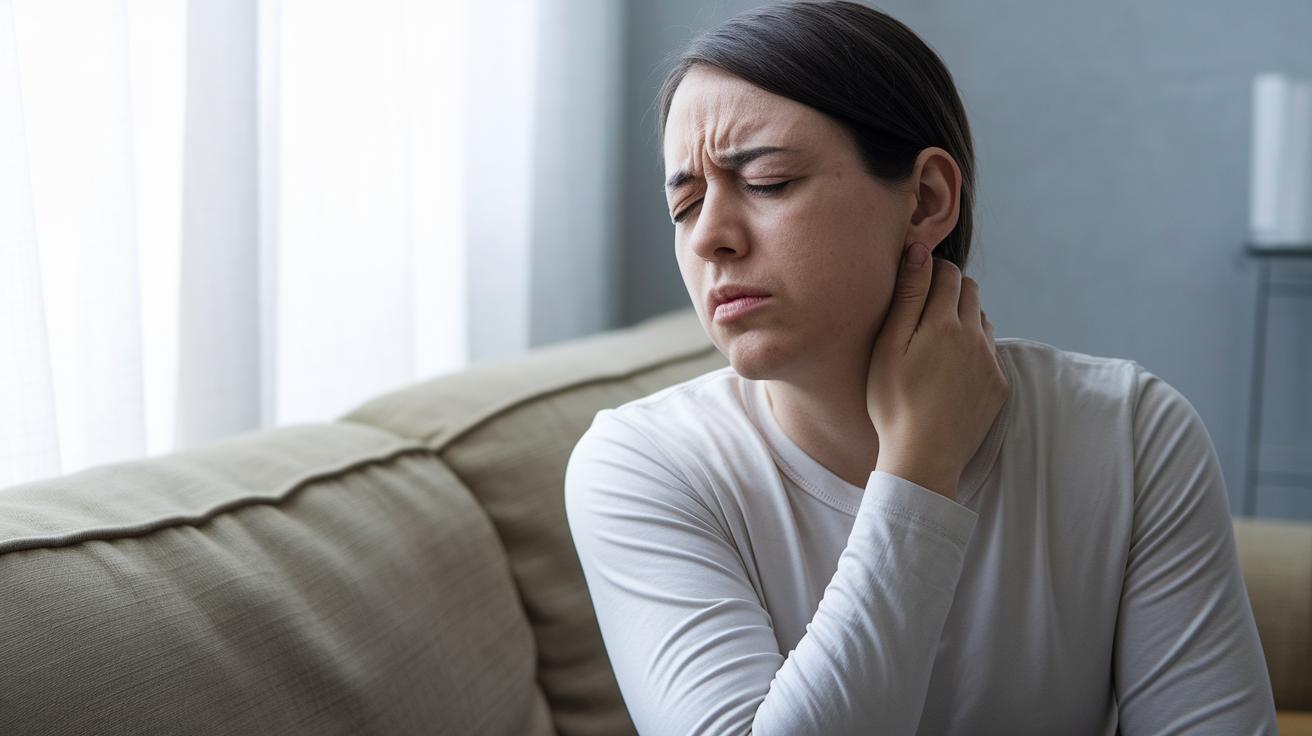
Quick take: Neck pain during a migraine often comes from the way your head and neck share muscles and nerves. Check the steps below to know what to watch for.
If you have any of these emergency signs, call emergency services now:
- Sudden, very severe neck pain with fever or confusion
- Trouble breathing or sudden weakness
- Changes in vision or speech
If your pain gets worse or you notice new symptoms, seek same-day medical attention. Otherwise, try basic self-care like rest and ice for now.
Migraines can hurt more than just your head. Your neck can also become painful because the muscles, nerves, and blood vessels in your neck are close to those in your head. This means the headache can easily spread to your neck and cause stiffness.
Research shows that migraine pain may start when the trigeminal nerve (the nerve that sends signals from your face) becomes activated and the blood vessels widen. These changes not only trigger the headache but also send pain signals down into the neck.
Extra stress, poor sleep, or some medications can make your neck muscles tighten. This extra tension makes the neck more likely to hurt during a migraine.
Understanding these links helps you keep a closer eye on your symptoms. When you know why neck pain happens with migraines, you can work better with your doctor to find relief for both the headache and neck pain.
migraine neck pain signs: Radiant Health Hints
Quick take: Neck pain that comes with migraine signs like light sensitivity and nausea is usually due to a migraine rather than a neck injury.
Triage:
If you have any of these emergency signs, call emergency services now:
- Sudden, very severe headache
- Confusion or weakness
- Loss of balance
Sometimes when you feel pain in both your head and neck, it might be a migraine. You might notice a dull or spreading ache from the back of your neck along with symptoms like sensitivity to light or nausea. In other neck problems, such as a strained muscle or arthritis, the pain is often focused in one spot and does not include these extra signs. Knowing the difference can help you understand what is really causing your pain.
The pattern of the pain is a big clue. Migraine neck pain usually spreads out from the back of the neck and may even connect to your head. On the other hand, a headache that starts in the neck (cervicogenic headache) often causes a deep, steady pain in one area that might move toward your temples. These differences help doctors decide if the pain is coming from a migraine or another neck issue.
Getting the right diagnosis is key. If your neck pain is part of a migraine, it means you may benefit from treatments that focus on migraines. Recognizing that your pain is not just a simple neck injury can help you get the right care and improve your treatment outcomes.
Additional Symptoms and Migraine Neck Pain Signs to Watch For

Quick take: Migraines often bring extra signs like light sensitivity, odd visuals, nausea, and mental fog.
Triage Box:
• Red flags: Sudden, very strong headache, new weakness, vision loss, or trouble speaking – call emergency services now.
• Urgent: If these symptoms get worse, seek same-day medical help.
• Watch and self-manage: If symptoms are mild, rest and track your signs.
Many people with migraines feel more than just head or neck pain. You might notice bright or flashing lights and even feel sick to your stomach. Sometimes these signs appear together, letting you know a migraine may be on its way. For example, you could see bright spots as your neck begins to hurt.
You may also experience a mental fog that makes it hard to think clearly. Everyday sounds and lights might feel way too strong, adding to your discomfort. As your migraine builds, this fog can make you feel confused and very tired.
Pay close attention to these early signals. If you start noticing unusual visuals or strange sounds, it might be your body’s way of warning you about a coming attack. Recognizing these signs early can help you act quickly to manage your migraine and neck pain.
Red Flags: When Migraine Neck Pain Signs Signal a More Serious Issue
Quick take: Neck pain with your migraine may mean something more serious is happening.
If you experience any of these signs with your migraine, act now:
- Fever with a very stiff neck
- New neurological problems (like weakness, numbness, or sudden vision loss)
- Neck pain that does not get better with your usual migraine medicine
- Confusion, seizures, or changes in how awake you feel
- Neck pain that starts right after an injury
These signs mean that the problem might not be just a regular migraine and you should seek urgent medical care.
Home Management Techniques for Migraine Neck Pain Signs

Quick take: Treating your migraine can also ease your neck pain quickly.
If you experience any of these signs, call emergency services now:
• Sudden weakness in your arms or legs
• Numbness or loss of feeling
• High fever or confusion
When you have a migraine, treating the headache can help relax the tense muscles in your neck. Taking your prescribed migraine medication or getting Botox injections can reduce nerve sensitivity and muscle strain, which may lower the pain in your neck. These treatments work best when paired with simple steps you can do at home.
At home, adding a few care methods can further ease your neck pain. Try gentle neck stretches to lessen tightness in your neck muscles. Simple exercises to improve your posture help keep your spine in a better alignment. Drinking more water may reduce nerve triggers (signals that tell your brain about pain). Self-massage and relaxation techniques can help relax your muscles too. Using cold or warm compresses can bring extra relief by decreasing head pressure. Keeping up these activities even when you are not having a full migraine may help reduce both how often and how severe your attacks are.
| Intervention | Benefit |
|---|---|
| Gentle neck stretches | Reduces muscle tension |
| Posture correction exercises | Improves spinal alignment |
| Increased hydration | Lowers nerve triggers |
| Over-the-counter migraine meds | Eases headache and neck pain |
| Self-massage of cervical muscles | Promotes muscle relaxation |
| Cold/warm compress application | Alleviates head pressure |
Combine these methods to manage your migraine symptoms actively. Keep track of your results each time so you can adjust your routine for better, long-term relief.
Final Words
In the action, we explored how migraine neck pain signs can warn you of an oncoming migraine attack. We broke down why neck pain happens, compared it to other neck issues, and highlighted extra symptoms that may come along. We also covered important red flags and shared practical home care tips to ease discomfort.
Stay alert to migraine neck pain signs and take action when needed. Taking care of yourself is a positive step forward.
FAQ
Migraine and Neck Pain FAQs
What does migraine neck pain treatment involve?
The migraine neck pain treatment involves using medications, self-care techniques, and posture exercises to relieve neck tension and help ease migraine symptoms.
What does it mean if migraine and neck pain last for 3 days?
The migraine and neck pain lasting for 3 days indicate a persistent migraine attack that may require evaluation by your clinician if severe symptoms continue or worsen.
What are some migraine neck pain home remedies?
The migraine neck pain home remedies include gentle neck stretches, proper hydration, over-the-counter pain relievers, and posture correction to help reduce discomfort during a migraine.
How is a cervicogenic headache related to migraine symptoms?
The cervicogenic headache is a head pain that starts in the neck and may mimic migraine symptoms, but it typically originates from neck issues rather than primary migraine triggers.
What does migraine neck pain feel like, and what does a neck migraine involve?
The migraine neck pain feels like stiffness and tenderness in the neck muscles, often accompanied by throbbing head pain, light sensitivity, or visual changes that signal an oncoming migraine.
How does migraine with neck pain and nausea present?
The migraine with neck pain and nausea presents as intense head pain, stiff neck muscles, and feelings of sickness, often requiring prompt treatment and rest to manage symptoms.
What does left side neck pain in a migraine indicate?
The left side neck pain in a migraine indicates that the discomfort is focused on the left cervical area and is often present alongside other migraine symptoms, including throbbing head pain.
What are the signs of stiff neck and migraine with aura?
The stiff neck and migraine with aura involve marked neck tightness along with visual or sensory changes, serving as a warning sign of an impending migraine that might need urgent attention.
What are the 5 C’s of migraines?
The 5 C’s of migraines refer to key features such as cause, character, comorbid conditions, complications, and control strategies, though the exact definition may vary; check with a specialist for detailed insight.
What causes occipital headaches in children?
The occipital headaches in children are caused by tension in the back of the head and neck along with changes in blood vessels, which may sometimes overlap with migraine triggers.
Can a migraine make your neck ache?
The migraine can make your neck ache because the same nerve pathways involved in migraine pain also trigger neck muscle stiffness, leading to discomfort in both areas.