
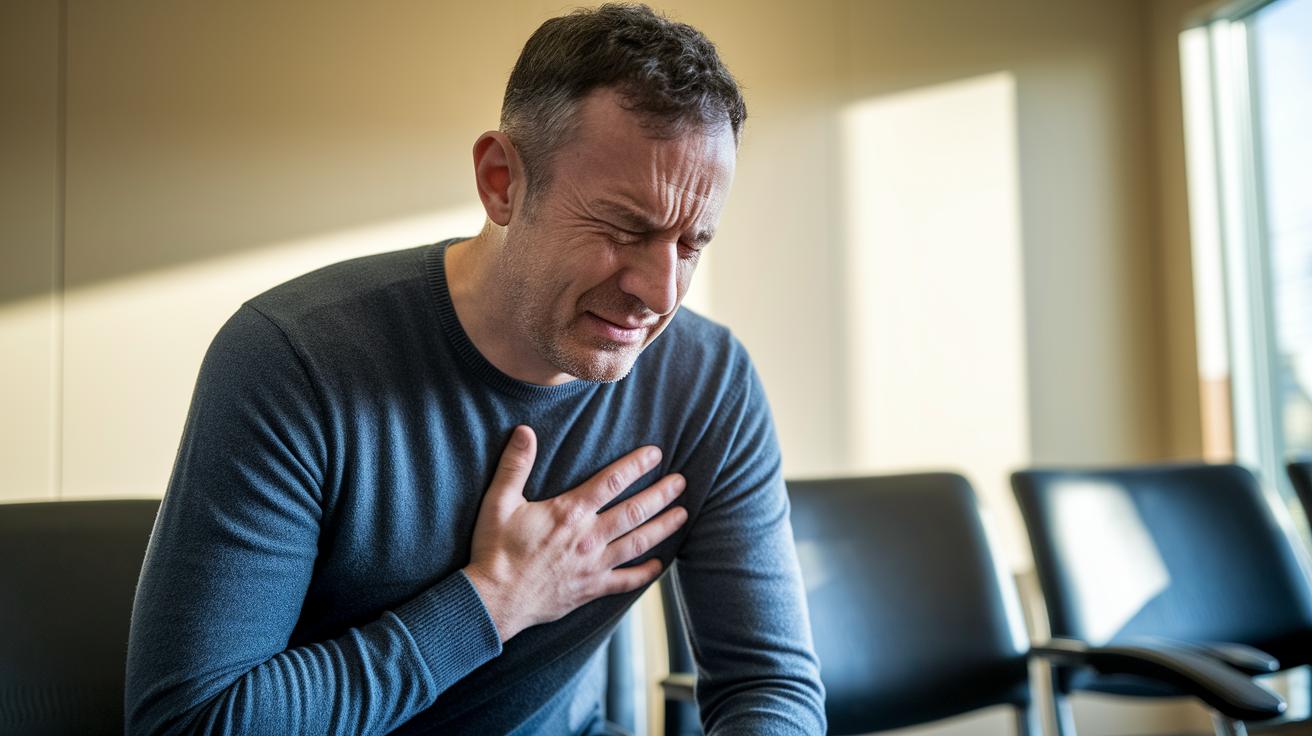

Quick take: A sharp pull in your left chest when you breathe can be a muscle strain, but it sometimes signals a more serious condition.
If you have any of these signs, call emergency services now:
• Severe pain that doesn’t go away
• Pain that spreads to your arm, neck, or jaw
• Difficulty breathing or feeling very weak
Many times, this pain may be due to a pulled muscle. However, if the pain starts suddenly or gets worse, it might need extra care. In this post, we explain some common causes and tell you what to do next.
Here’s what you can do:
• Note when the pain happens and how strong it is.
• Watch for other signs like dizziness, shortness of breath, or sweating.
• If the pain worsens or you feel scared, seek same-day medical attention.
This simple guide is meant to help you take quick action and care for yourself safely. Your health matters, so keep a close eye on your symptoms and act when needed.
Understanding left chest discomfort when breathing
Quick take: Left chest discomfort when breathing can be caused by a simple strain or by more serious heart or lung issues, act now if you have worrying signs.
If you have any of these emergency signs, call emergency services now:
- Severe, sudden, or unrelenting pain
- Difficulty breathing or feeling very tight in your chest
- Dizziness, sweating, or pain spreading to your arm or jaw
If your pain comes and goes or gets worse quickly, seek same-day medical help. Otherwise, monitor your symptoms and note when the discomfort happens.
Left chest discomfort when breathing can feel different from person to person. It might show up as a mild, dull ache, a sharp pain when you take a deep breath, or a heavy pressure that seems to squeeze your chest. Some describe it as a stabbing pain in the left upper area, while others notice breathing trouble that comes and goes.
Sometimes, the cause is a minor muscle strain from too much activity or a pulled muscle. Other times, it could point to more serious issues in the heart or lungs. For example, a sharp pain in your left chest when you breathe deeply might be a sign of a heart or lung problem that needs further checking.
Pay attention to these signs. If you have repeated left chest discomfort when breathing, especially along with other worrying symptoms, talk with a healthcare provider right away. Quick evaluation can help rule out dangerous conditions and guide you to the right treatment.
Common causes of left chest discomfort when breathing

Quick take: If your left chest hurts when you breathe, several common issues could be behind it.
Triage:
• Emergency: Call emergency services now if you have very severe chest pain, struggle to breathe, or feel sudden, sharp pressure.
• Urgent: If your pain worsens with activity or comes with extra symptoms like sweating or arm pain, seek same-day medical care.
• Monitor: Track your symptoms and discuss them with your doctor if the discomfort continues or gets worse.
Left chest pain when breathing can happen for a few reasons. Knowing what may be causing it can help you explain your symptoms clearly to your healthcare provider.
• Acid reflux: This happens when stomach acid irritates your esophagus (the tube that connects your mouth to your stomach). It causes a burning pain after eating or when lying down.
• Angina: When less blood reaches your heart, you may feel a tight, squeezing pain during breathing. This pain often grows worse with exercise or stress.
• Pulmonary embolism: A blood clot in your lungs can block blood flow, causing very sudden and strong chest pain along with breathing difficulty. This situation is a medical emergency.
• Panic attack: Sometimes, strong anxiety can make your heart race, cause sweating, and lead to chest tightness. This can feel like sharp left chest pain, even though it isn’t due to a heart problem.
• Costochondritis: Inflammation of the rib cartilage leads to pain in the left side of your chest, especially when you breathe deeply or press on the area.
If your discomfort increases or you see other troubling signs, please get medical help immediately.
Identifying patterns of left chest discomfort when breathing
Here's a quick guide to help you match your chest pain with its likely cause:
| Symptom Pattern | Possible Cause | Key Details |
|---|---|---|
| Intermittent sharp twinge | Costochondritis or nerve irritation | Pain comes and goes. It usually worsens with movement or pressure. |
| Constant dull ache | Muscle strain or pleurisy (inflammation of the lung lining) | A steady pain that might not fade even when resting. |
| Pressure-like heaviness | Angina (reduced blood flow to the heart) | Feels like a tight squeeze, often during exercise. |
| Breath-triggered stabbing | Pleurisy or pulmonary embolism (blood clot in the lung) | A sharp pain when you take a deep breath. |
| Positional pain | Pericarditis (inflammation of the heart lining) or acid reflux | Pain that worsens when lying down or bending over. |
If you feel a quick, sharp pain that comes and goes when you breathe, it might be due to a mild inflammation in the rib cartilage or a brief nerve irritation. This pain often gets worse if you move or press on the area.
A steady, dull ache could mean you have a muscle strain, or it might signal pleurisy, where the lung lining is inflamed. If you feel a heavy pressure on your chest, especially while active, this could be a sign of angina (a heart issue) needing prompt care.
A stabbing pain that happens with deep breaths is more concerning. It might signal pleurisy or, rarely, a pulmonary embolism, in which case you should seek emergency help right away. When the pain changes with your body position, getting worse when you lie down or bend, it could be linked to pericarditis or acid reflux.
Knowing these patterns can help you describe your symptoms clearly to your healthcare provider so you get the right evaluation and care.
When left chest discomfort when breathing needs urgent care
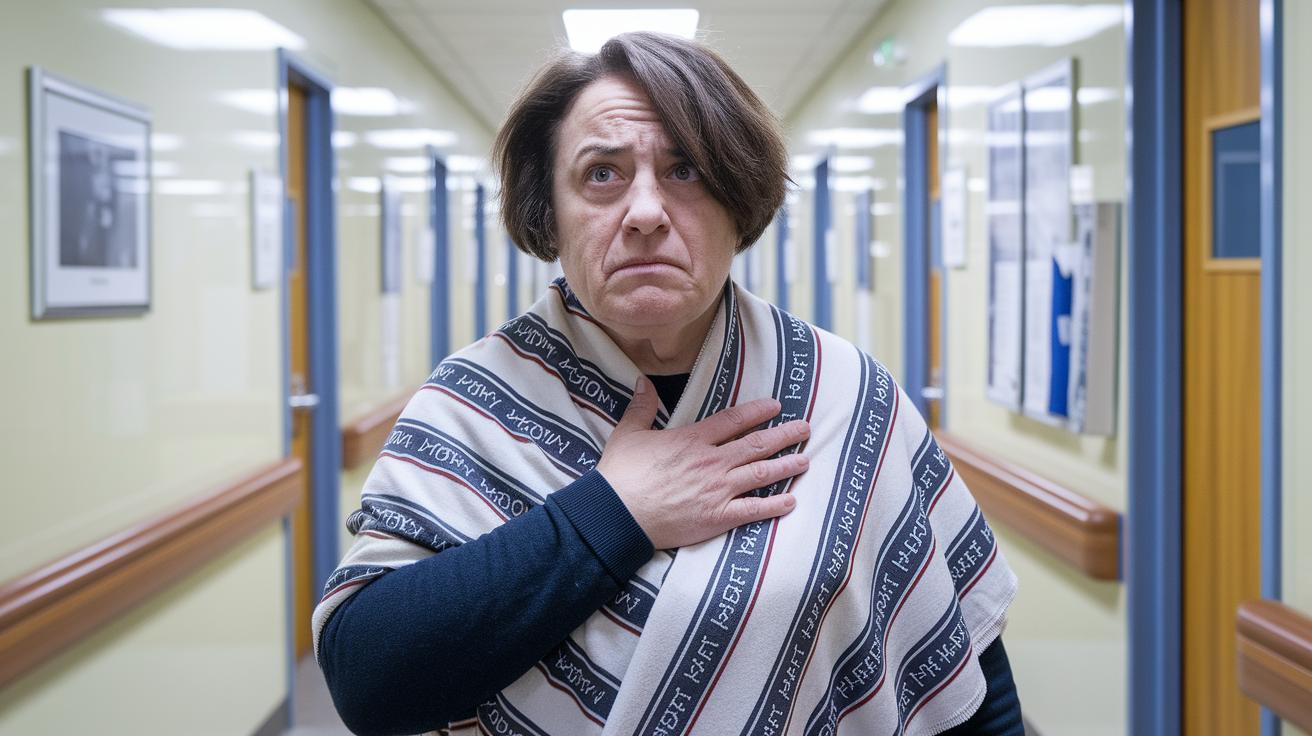
Quick take: Chest discomfort when breathing can be very serious. If you notice any warning signs below, act immediately.
If you have any of these emergency signs, call emergency services now:
- Feel chest pressure with sweating, nausea, or dizziness. This can signal a heart problem.
- Notice pain spreading to your arm, shoulder, jaw, or back. This may point to angina or a heart attack.
- Experience sudden, severe stabbing pain in the left chest along with a quick loss of strength. Get urgent care.
- Have persistent trouble breathing or unexplained shortness of breath. This could indicate a lung issue.
- Cough up blood or have chest pain with a high fever. This might be pneumonia or a blood clot in the lungs.
- See unexplained swelling or pain in your leg together with chest discomfort. This can be a sign of a clot in the leg.
- Suffer from fainting spells with chest discomfort. This requires immediate evaluation.
Share the details of your symptoms, what you feel and their intensity, with your clinician right away.
Home-care strategies for left chest discomfort when breathing
Quick take: If your left chest hurts when you breathe, it may be a muscle strain. Watch carefully and rest while monitoring for red flags.
Triage Box:
• If you have any of these emergency signs, call emergency services now:
- Very strong pain that does not ease
- Trouble breathing or feeling very short of breath
- Pain that spreads to your arm, neck, or jaw
• If the pain quickly gets worse or you feel faint, get urgent care.
• Otherwise, follow these self-care steps and monitor your symptoms closely.
Often, the pain you feel in your left chest when breathing can come from strained muscles or minor inflammation. Simple steps at home can help reduce the discomfort and let your body heal.
What to do now:
• Rest and ease up on activities – Give your chest muscles time to heal by taking breaks and avoiding actions that repeat the strain.
• Use cold packs or warm compresses – Gently place a cold pack or warm cloth on the left side of your chest. This can help with swelling and ease pain.
• Keep a good posture – Sit or stand with your back straight so that your breathing muscles do not get extra stress.
• Use over-the-counter pain relievers (NSAIDs) – Medicines like ibuprofen can lower pain and swelling. Follow the label instructions.
• Eat small, frequent meals – Big or spicy meals may trigger acid reflux, which can add to your chest discomfort.
Try this: Think of every rest period as a small break for your chest. Each pause lets your body recover and relieves some of the strain.
Remember, keep an eye on your symptoms. If you notice any red flags or the pain does not improve, contact a healthcare professional.
Preventing left chest discomfort when breathing with lifestyle changes
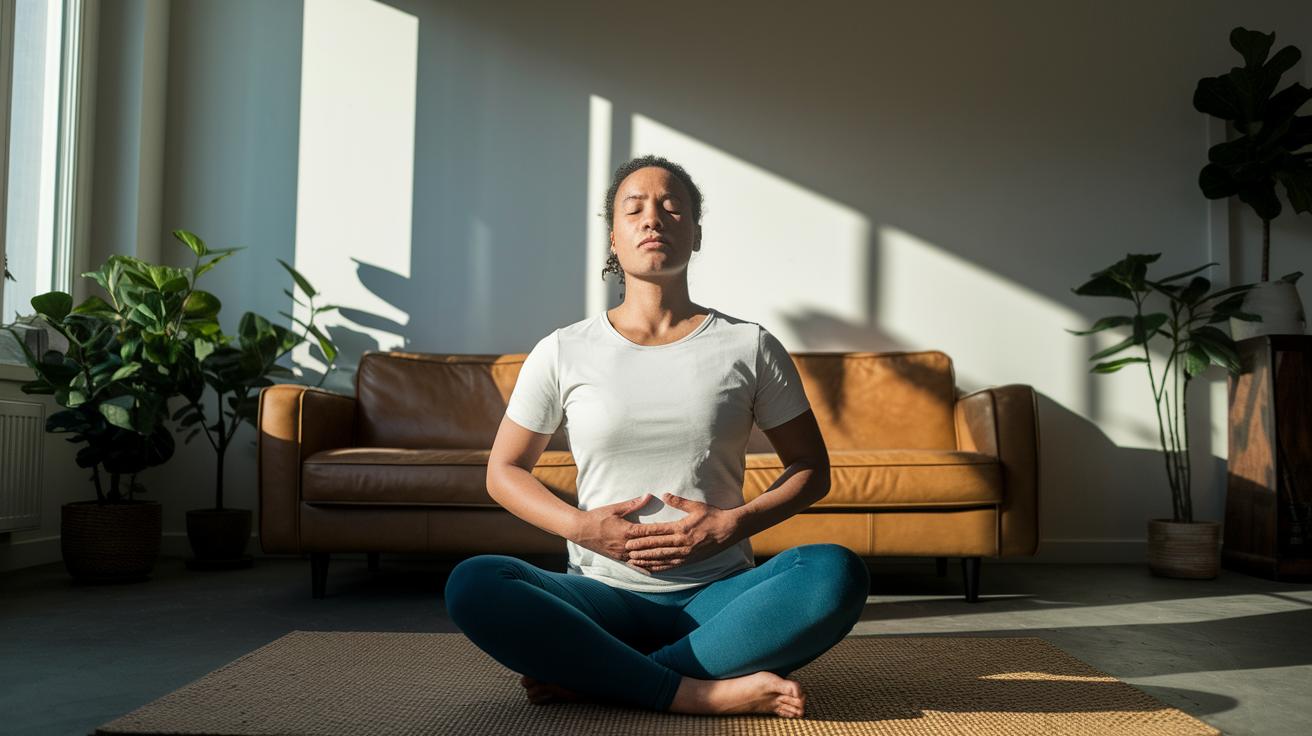
Try diaphragmatic breathing. Breathe slowly in through your nose so your belly rises. Then exhale fully through your mouth. This simple method relaxes your chest muscles and helps your lungs work better.
Add gentle exercises like walking or yoga. They build up the muscles around your chest and support your heart without overdoing it. Even small moves each day can help a lot over time.
Keep a straight posture when you sit or stand. Standing tall reduces pressure on your chest muscles and makes deep breathing easier. It’s like giving your body a solid foundation to support each breath.
Avoid heavy or spicy meals right before bed. Instead, choose lighter meals and try propping up your upper body when you lie down. These changes can help cut down on acid reflux, which might be causing your discomfort.
Keep a daily symptom diary. Write down when the pain happens, how bad it is, and what you did before it started. This record can help you spot patterns and makes it easier to talk with your doctor.
Final Words
In the action, this guide walked you through how left chest discomfort when breathing can point to issues ranging from muscle strain to more serious heart or lung concerns. We provided clear red flags, handy checklists, and simple self-care tips to help you decide whether to call for help or track your symptoms at home. Use these insights to observe patterns and act quickly when changes occur. Take comfort in knowing that careful steps and proper care can ease left chest discomfort when breathing.
FAQ
What does female chest pain on the left side above the breast indicate?
The female chest pain on the left side above the breast may point to musculoskeletal issues like costochondritis, muscle strain, or less commonly, other conditions. Evaluation by a clinician helps rule out serious causes.
What causes sharp, needle-like or intermittent left chest pain that comes and goes?
The sharp, needle-like, or intermittent pain may result from muscle strain or costochondritis (inflammation of the rib cartilage). Though it often is benign, worsening pain warrants medical review for other potential causes.
Why does it hurt when taking a deep breath on the left side, and can that affect my chest or breast?
The pain with a deep breath can stem from inflammation or irritation in the chest wall or lungs, causing discomfort in the left chest and breast area. A clinician’s evaluation is advised if the pain is persistent or severe.
Why does left-sided chest pain sometimes worsen when lying down at night?
The increase in left-sided chest pain at night may relate to changes in body position affecting acid reflux, heart function, or lung inflation. If the pain grows worse, prompt evaluation is recommended.
When should I worry about left-sided chest pain, especially during pregnancy?
Left-sided chest pain, particularly when accompanied by symptoms like sweating, shortness of breath, or radiating pain, requires urgent care. In pregnancy, these signs call for immediate medical consultation to ensure both safety and proper diagnosis.