
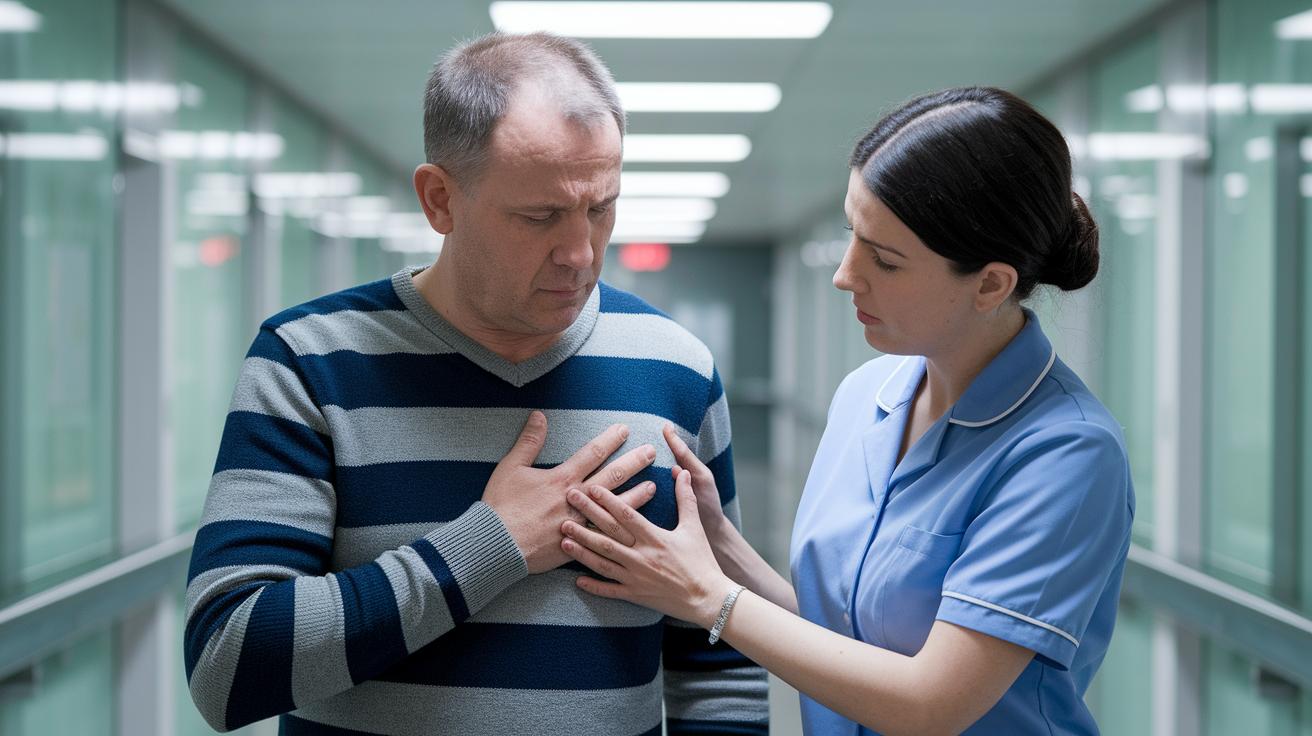

Quick Take: Chest discomfort isn’t always a heart attack, it may be a less serious issue.
If you have any of these signs, call emergency services immediately:
• Severe or increasing chest pain that spreads to your arms, neck, or back
• Sudden shortness of breath or feeling faint
• Dizziness or pain that does not ease with rest
Have you ever felt a sharp, tight pain in your chest that makes you worry something is seriously wrong? Many people experience chest discomfort and shortness of breath, and while it can feel scary, it often does not mean you are having a heart attack. Sometimes, the cause may be a pulled muscle or acid reflux (heartburn). This guide explains what to watch for and offers simple steps on when to seek help. Stay calm and use these clear tips to know your next safe steps.
Recognizing Chest Discomfort and Shortness of Breath: Core Symptoms and Causes
Quick take: Chest discomfort and shortness of breath can signal problems that range from minor to life-threatening.
Triage Box:
- Call emergency services now if you have severe chest pain spreading to your arm, neck, jaw, or back.
- Seek same-day medical help if you experience sudden, heavy shortness of breath with nausea or fatigue.
- Monitor your symptoms and see a doctor if minor pain or tightness persists or worsens.
Chest discomfort and shortness of breath may have many causes. Sometimes a burning feeling after eating might be acid reflux (a condition where stomach acid irritates your esophagus). The pain can also come from a strained muscle or a cough. This type of pain is often sharp or aching and may get worse when you move. Picture feeling a steady burn under your breastbone after a big meal that eases a bit when you sit up.
Heart-related pain is different. It often feels like pressure or tightness that spreads into your arm, neck, jaw, or back. This pain may come with tiredness, nausea, and sudden shortness of breath. Many people, especially women, report these symptoms. Even brief moments of tightness can be a warning sign.
Lung problems, like pneumonia or bronchitis, can also cause chest pain. In these cases, the pain may get worse with deep breaths or coughing. A pulmonary embolism (a blood clot in the lung) is another serious cause and often starts suddenly with sharp pain, fast breathing, and sometimes a cough that brings up blood.
Remember that heart disease is linked to about one-third of US deaths. Knowing these symptoms can help you act quickly. If your symptoms worsen or do not improve, seek medical care right away.
Differentiating Cardiac vs. Pulmonary Origins of Chest Discomfort and Dyspnea

Quick take: Chest discomfort can come from your heart or your lungs. Knowing the differences can guide your next steps.
If you have any of these signs, call emergency services now:
• Pain that feels heavy, squeezing, and worsens with activity.
• Sharp pain when you breathe deeply or cough, along with abnormal lung sounds (like crackles or wheezing).
Chest pain from the heart usually sits under your breastbone. It often feels like a heavy pressure that does not improve with rest or changes in position. This pain may rise with activity.
Lung-related pain tends to be sharp and can get worse when you take a deep breath or cough. You might hear unusual sounds from your lungs, like crackles or wheezing, if you have issues such as pneumonia or pleuritis. Also, if the pain is due to muscle strain, it will be tender on the surface and will hurt more when you move.
Key Clues:
• Cardiac pain: Sits beneath the breastbone, gets worse with exertion, and does not change with position.
• Pulmonary pain: Becomes sharper with deep breaths or coughing, and may come with strange lung sounds.
• Muscular pain: Local and tender, and it worsens with movement.
Noticing these details can help you tell what might be causing your discomfort. If you’re unsure or the pain worsens, seek medical advice right away.
Identifying Non-Cardiac Triggers of Chest Discomfort and Exertional Dyspnea
Sometimes chest pain and shortness of breath are not related to the heart. You might feel pain when you press on your ribs, especially after heavy lifting. This is often costochondritis, which makes the chest wall tender and causes sharp or aching pain that worsens with movement.
Another common cause is acid reflux. This happens when stomach acid flows up into your chest, giving you a burning sensation after meals. In some cases, the burning can even lead to breathlessness because the esophagus (the tube connecting your mouth to your stomach) spasms.
Anxiety can also bring on chest tightness and trouble breathing. During a panic attack, you may suddenly feel chest tightness, a fast heartbeat, and muscle tension. These symptoms can make it feel as if you can’t catch your breath, adding to your worry.
Muscle strains from repetitive coughing or overexertion are another reason for chest pain. This pain tends to stick to one spot and eases once you stop moving. Recognizing these different patterns can help you decide when to relax at home and when to seek more advice from your doctor.
Urgent Red Flags for Chest Discomfort and Shortness of Breath

If you experience any of these emergency signs, call 911 right away:
- Crushing pain in your chest that spreads to your arm, neck, or jaw
- Chest pain while at rest or with very little activity
- Sudden, severe shortness of breath with a fast heartbeat
- Worrying lightheadedness or feeling like you might faint
- Quick onset of heavy sweating and nausea without a clear reason
- Intense anxiety accompanied by a feeling that something is terribly wrong
- Coughing up blood
If you need steps to ease chest tightness and breathing trouble, please check out our emergency triage guide for shortness of breath at https://thequickesttips.com?p=1454
Diagnostic Pathway for Chest Discomfort and Shortness of Breath
When you feel chest discomfort and have trouble breathing, your doctor will start by asking about your symptoms and checking your vital signs like heart rate, blood pressure, and oxygen levels. They will also do a quick physical exam to look for hints of what might be causing your symptoms.
A typical evaluation includes:
- Asking about your medical history and current symptoms.
- Checking your heart rate, blood pressure, and oxygen level.
- Looking carefully during the physical exam for signs of trouble.
If your doctor thinks a heart problem might be the cause, several tests may be done. An electrocardiogram (ECG) records your heart’s electrical signals to show if your heart rhythm is off. A Cardiolite nuclear stress test checks how well blood flows to your heart when you exercise. In some cases, a coronary angiography with stenting may be used to find and open any blocked arteries.
For lung issues, your doctor may order a chest X-ray or a CT scan to see images of your lungs. If there is concern about a pulmonary embolism (a blood clot in a lung), a D-dimer test might be done. Spirometry is another test used to check your lung function for conditions like asthma or COPD (chronic obstructive pulmonary disease).
Additional lab tests help refine the diagnosis. Cardiac enzyme tests can show if your heart muscle is injured, a complete blood count (CBC) can reveal signs of infection, and arterial blood gas tests measure the oxygen and carbon dioxide levels in your blood.
Think of these tests as pieces of a puzzle that, when put together, show the full picture of your heart and lung health.
Managing Chest Discomfort and Dyspnea at Home: Remedies and Exercises
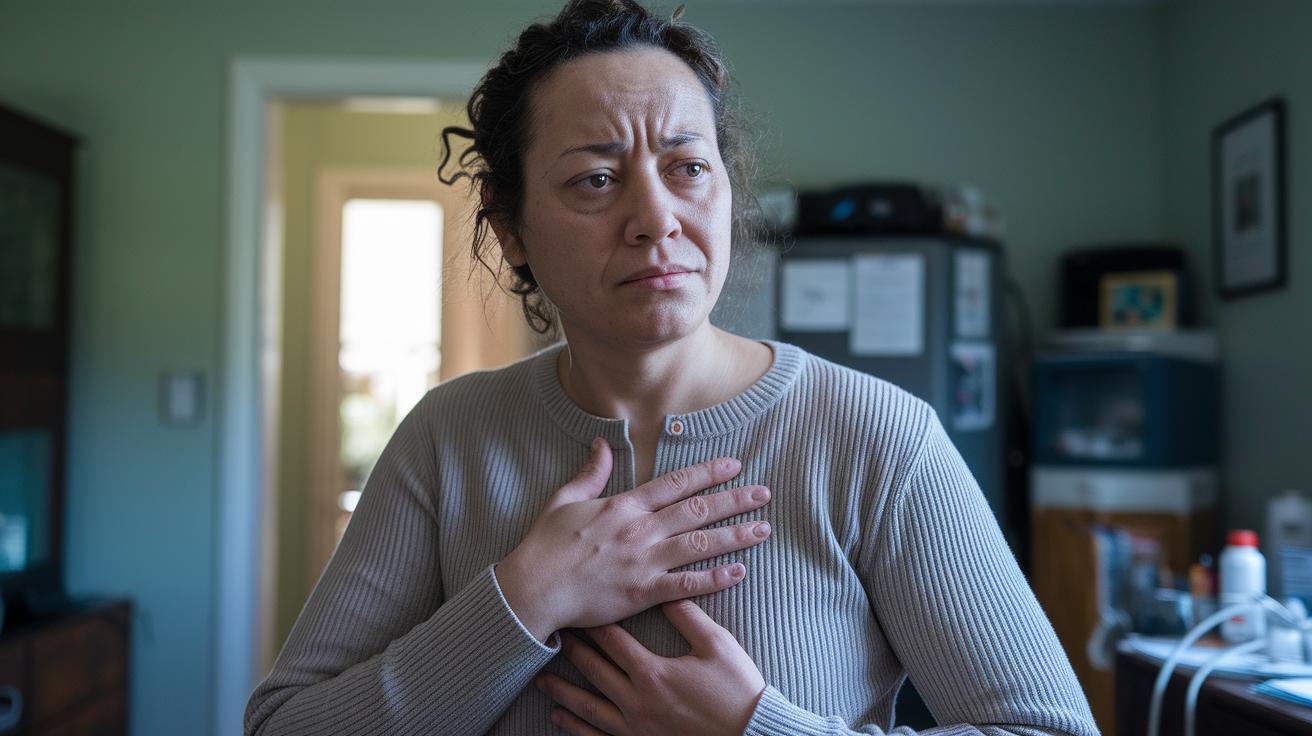
Quick take: If you have mild chest discomfort or shortness of breath, try these simple steps, but if any severe signs develop, act immediately.
If you have any of these emergency signs, call emergency services now (911):
- Sudden, severe chest pain or pressure
- Difficulty breathing that worsens rapidly
- Dizziness, fainting, or extreme weakness
If your symptoms become worse or you feel unsafe, seek urgent medical care.
Sometimes, chest discomfort or breathlessness can be managed at home with careful steps. If you notice a burning chest after meals, an over-the-counter antacid may help ease the pain. This burning sensation can be due to acid reflux (when stomach acid flows back into your esophagus).
If your pain feels sharp or localized and gets worse when you move, it might be costochondritis (inflammation in the cartilage between your ribs). In this case, a pain reliever like ibuprofen can help reduce the discomfort. You might also look into natural anti-inflammatory remedies if you prefer a home-based option.
When anxiety makes you feel short of breath, try deep breathing exercises. A good method is to slowly inhale through your nose for about 4 to 7 seconds, pause for a second, then exhale gently through pursed lips (press your lips together to create a small opening). Saying something like, "Breathe in calm, breathe out tension," can help you focus and relax.
Another simple tip is to raise your head when you sleep. Using extra pillows or elevating the head of your bed can help keep your airways open, reducing nighttime breathing difficulties.
At home, you can follow these steps:
- Take an antacid after meals if you feel a burning sensation in your chest.
- Use an NSAID (like ibuprofen) for localized, movement-related chest pain.
- Practice deep breathing: slowly inhale through your nose, pause, and exhale through pursed lips.
- Elevate your head with extra pillows or raise the head of your bed at night.
Remember, these home remedies are for mild cases. If your discomfort or breathlessness worsens, or if you notice any severe signs, get help from a doctor immediately.
Preventing Recurrence of Chest Discomfort and Shortness of Breath
Quick take: Small daily changes can reduce your chance of chest pain and feeling short of breath.
If you have any of these emergency signs, call emergency services right away:
- Severe chest pain or pressure
- Extreme shortness of breath
- Sudden, sharp worsening of symptoms
Every day, try to adjust your routine to lower the risk of these symptoms. Begin by quitting smoking and avoiding places where people smoke. Regular light exercise, such as a 30-minute walk or cycle most days, can support both your heart and lungs.
Eat a balanced, heart-healthy diet with plenty of fruits, vegetables, lean proteins, and whole grains. Try to stay away from very spicy or fatty foods that might trigger acid reflux. Managing stress is key; consider yoga or meditation as simple ways to calm your mind and body.
It may be helpful to keep a simple diary each day. Write down the time, your meals, and how you feel. This can show you and your doctor any patterns in your symptoms, allowing you both to adjust your routine as needed.
By making these changes, you create a supportive environment for your heart and lungs. Remember, tracking your progress and staying aware of any changes in your health are important steps in preventing future episodes.
Final Words
In the action of addressing chest discomfort and shortness of breath, the article outlined common causes, key warning signs, and clues to tell apart heart from lung problems. It highlighted red flags that call for emergency care and shared safe steps for home management. Practical strategies like tracking symptoms and lifestyle changes can help reduce future episodes. Stay focused, act promptly if warning signs appear, and keep a record to share with your clinician. Early action can lead to better outcomes and peace of mind.
FAQ
Frequently Asked Questions
How to relieve chest tightness and shortness of breath
Relieving chest tightness and shortness of breath can involve deep breathing and pursed‑lip breathing techniques, adjusting your posture, and taking over‑the‑counter remedies as advised. Seek medical help if symptoms worsen.
How to tell if shortness of breath is from anxiety
Determining if shortness of breath stems from anxiety means noticing if it comes with a racing heart, trembling, or nervous feelings during stressful events. A clinician can help rule out other causes.
What does it mean when shortness of breath comes and goes
Shortness of breath that comes and goes may suggest intermittent triggers like asthma, anxiety, or reflux. Keeping a symptom log can help identify patterns and decide when to seek medical evaluation.
What causes chest pain in a woman, including pain in the middle of the chest and tightness
Chest pain in women may result from heart conditions, acid reflux, muscle strain, or lung infections. It may feel tight in the center and be accompanied by nausea or shortness of breath, making medical review essential.
Why does my chest hurt when I take a deep breath
Chest pain during deep breathing might be due to lung irritation, inflammation, or muscle strain. It can also indicate pleurisy or pneumonia. Monitor the pain and see a healthcare provider if it worsens.
What is dyspnea
Dyspnea is the medical term for feeling short of breath. It means you sense you’re not getting enough air, and it can be linked to lung, heart, or anxiety‑related issues.
What causes shortness of breath and chest discomfort
Shortness of breath and chest discomfort can be due to heart issues, lung infections, acid reflux, or anxiety. Each cause usually has different additional signs, so a prompt medical evaluation is important.
What does a dull ache in your chest mean
A dull chest ache may come from muscle strain, acid reflux, or mild cardiac concerns. It might also be related to anxiety or costochondritis. Track the ache and consult a provider if it lingers.
How can I tell if my shortness of breath is heart‑related
Heart‑related shortness of breath often comes with pressure‑like chest pain, fatigue, and nausea, especially during minimal exertion. A complete medical exam is necessary to confirm a heart‑related cause.
When should I worry about chest pain in kids
Chest pain in kids should be taken seriously if it is severe, sudden, or lasts long, especially if it occurs with difficulty breathing or faintness. Immediate evaluation by a health professional is advised.