


Quick Take: Low thyroid hormone (hypothyroidism) may be behind your tiredness, weight gain, dry skin, brittle nails, and brain fog.
Triage Box:
• If you suddenly feel very weak or confused, or notice severe cold intolerance (trouble warming up), seek medical help right away.
• For ongoing symptoms like those listed, schedule a visit with your doctor soon.
Your thyroid is a small gland in your neck that helps control your energy and weight. When it produces too little hormone, it can make you feel unusually tired and put on weight. You might also notice dry skin, brittle nails, or a foggy feeling in your head. About 5% of people experience these symptoms.
Keep track of how long you’ve felt this way, any changes you notice, and share these details with your doctor. Recognizing these signs early can help you get the right care.
Hypothyroidism symptom profile: Know Your Signs
Your thyroid is a small, butterfly-shaped gland in your neck. It releases hormones that help control how your body uses energy, your temperature, and your heartbeat. When your thyroid makes too little hormone, it is called primary hypothyroidism. About 5% of people have it, and many may not know it. The most common cause is Hashimoto’s thyroiditis (when your immune system attacks the gland).
Symptoms show up in four main ways:
Physical signs
• Your skin may become dry and flaky.
• Your nails might get brittle and develop ridges.
• Your hair can thin or feel dry.
• You could gain weight even if you’re eating normally.
• You may have a lower body temperature (sometimes below 98.6°F), which might leave you feeling cold.
Cognitive signals
• You might experience brain fog or slow thinking.
• It can be hard to concentrate.
• You might feel down or generally low in spirit.
Metabolic changes
• Your body may use energy more slowly.
• This can lead to issues like constipation and overall sluggish digestion.
Spotting these signs early is important. If you notice these changes, check in with your healthcare provider for a thorough evaluation.
Physical Indicators in the Hypothyroidism Symptom Profile
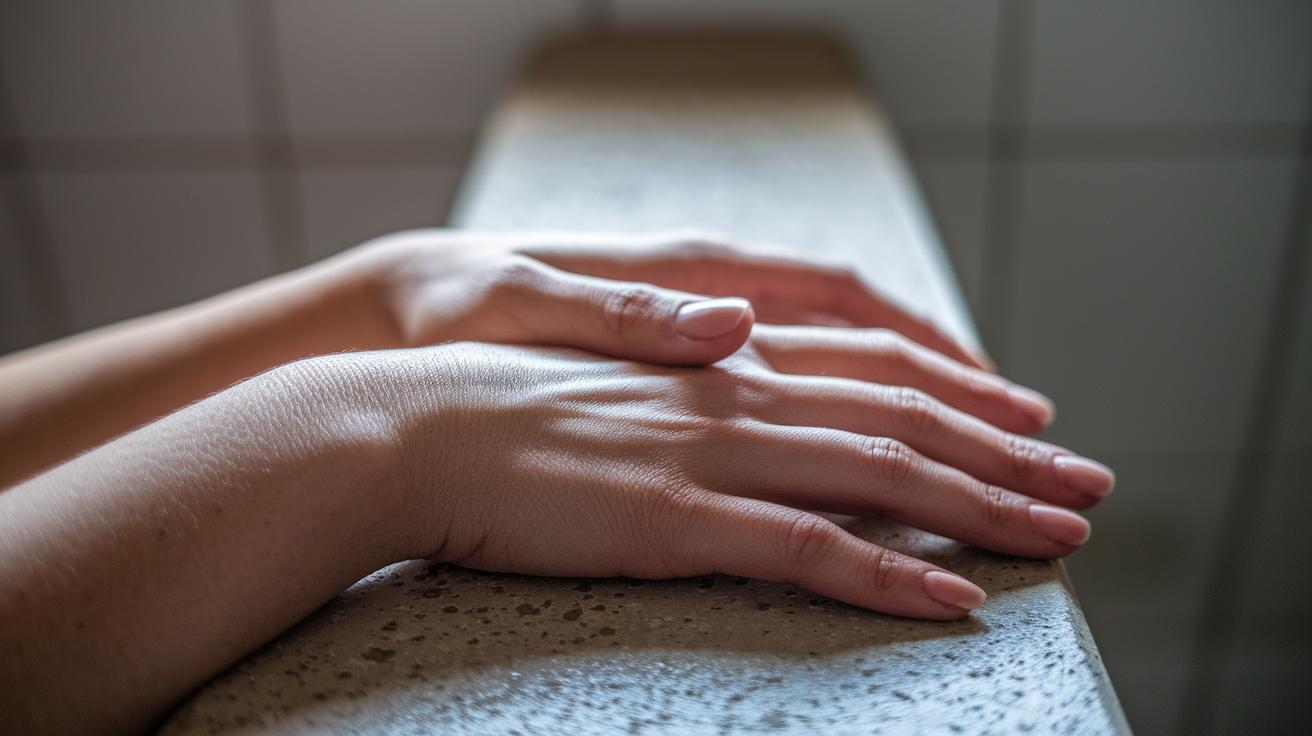
Dry, flaky skin may be one of the first signs you notice. Reduced blood flow and slow skin cell replacement (old cells are not quickly swapped out) can leave your skin feeling tight and rough. Think of it as a garden that has not been watered, a place that becomes dry and coarse. This change happens because lower thyroid hormone levels affect how your skin stays moist and renews itself.
Brittle nails that show small ridges can also occur. With low thyroid hormones, your nails do not renew as fast, which makes them weak and more likely to break or split. Imagine a strong wooden board that has gradually lost its strength over time.
You might also see hair thinning on your scalp and even your eyebrows. When thyroid hormone levels fall, hair loses its moisture and structure, becoming dry and fragile. Picture a lush forest slowly thinning to reveal only a few sparse trees.
Unexplained weight gain can happen, even if you have not changed your eating habits. A slow metabolism means your body burns fewer calories while at rest, much like a furnace that does not burn as hot. Over time, this can lead to gradual weight buildup.
Low thyroid function may also slow down the movement in your gut. This reduced motility can cause hard, infrequent stools and lead to constipation. Think of it as a busy road where traffic slows to a crawl, eventually causing a backup that leads to discomfort.
Feeling unusually cold is another common sign. When thyroid hormone levels drop, your body’s base temperature might fall to around 97.2°F to 97.6°F, making you feel chilly, as if your internal thermostat is set too low.
In some cases, the thyroid gland may become enlarged, a condition called goiter. This can cause swelling in the neck and may make swallowing a bit harder. This change shows how low hormone levels can affect the size of the thyroid gland.
Cognitive, Emotional, and Metabolic Cues in the Hypothyroidism Symptom Profile
We have combined this information with earlier notes on brain signals and metabolism so you do not read the same details twice.
Remember these common signs we already discussed:
- You may feel tired all the time, which makes daily tasks feel very hard.
- Your thoughts might seem cloudy (brain fog) and concentration can suffer.
- Your mood can change with feelings of sadness or extra worry.
- Your interest in sex might drop.
- Even simple tasks can feel like a real challenge to remember.
New details include:
- The extreme tiredness can feel so heavy that getting out of bed seems like running a marathon.
- Low thyroid hormone levels slow down how your body uses energy. This can raise LDL cholesterol (the bad kind) and may increase your heart risk.
| Symptom | Unique Detail |
|---|---|
| Fatigue | Extreme tiredness that feels like a marathon effort |
| Metabolic Change | Higher LDL cholesterol can raise heart risk |
Severity, Progression, and Red Flags within the Hypothyroidism Symptom Profile

Quick take: Hypothyroid signs start off mild and slowly get worse.
Triage Box: If you have any of these emergency signs, call emergency services now:
- Rapid neck swelling
- New difficulty swallowing or breathing
- Sudden chest discomfort
- Abrupt, unexplained weight gain
Hypothyroid symptoms often begin with small, easily missed changes. You might notice your body temperature feels lower than the usual 98.6°F. This small sign can mean your thyroid is not making enough hormone.
As the hormone levels drop further, many people experience strong muscle aches and joint stiffness that make everyday tasks harder. You might also see puffiness around your eyes (periorbital edema), which adds to your discomfort. Your heart rate may slow down (bradycardia, meaning less than 60 beats per minute), signaling that more significant changes are happening.
Watch for the red flags in the triage box above. Acting on these signs early can help you get prompt medical care and may stop more serious problems from developing further.
Diagnostic and Lab Markers in the Hypothyroidism Symptom Profile
Quick take: These lab tests can quickly show signs that your thyroid may not be working well.
Triage Box:
• If your lab tests show a TSH above 4.0 mIU/L or a Free T4 below 0.8 ng/dL, talk with your doctor right away.
• If you experience new or worsening tiredness or slow energy, seek medical advice soon.
Thyroid-Stimulating Hormone (TSH) and Free T4
The TSH test is the first check to see how your thyroid is working. Normal TSH levels are from 0.4 to 4.0 mIU/L. If your TSH goes above 4.0, it usually means the thyroid is underactive. Free T4 (the active thyroid hormone) is measured to know how much hormone the thyroid is releasing. Its normal range is 0.8 to 1.8 ng/dL. When Free T4 falls below 0.8, it confirms that your thyroid isn’t making enough hormone. Even small drops in these numbers can make you feel extra tired or change how your body uses energy. Your doctor uses these results to decide on further tests or treatment changes.
Autoimmune and Imaging Markers
If an autoimmune cause like Hashimoto’s thyroiditis is suspected, your doctor may order an anti-TPO antibody test. When these antibodies exceed 35 IU/mL, it means your immune system might be attacking your thyroid. In addition, a physical exam and a thyroid ultrasound can help. The ultrasound checks the size of your thyroid and looks for nodules. This information guides whether you need more tests or a needle biopsy.
| Marker | Normal Range | Hypothyroid Indication |
|---|---|---|
| TSH | 0.4–4.0 mIU/L | High (above 4.0) |
| Free T4 | 0.8–1.8 ng/dL | Low (below 0.8) |
| Anti-TPO Ab | Less than 35 IU/mL | High (above 35 IU/mL) |
Differentiating the Hypothyroidism Symptom Profile from Similar Conditions

Quick take: Other conditions can act like an underactive thyroid, but lab tests keep things clear.
Triage Box:
• If you have severe fatigue, low mood, or weight changes along with abnormal lab results (high TSH and low free T4), seek urgent care.
• If your tests show normal thyroid hormones but you still feel off, talk with your doctor about other causes.
• Monitor your symptoms closely and keep a record to share at your next visit.
Many health issues can look like hypothyroidism. For example, depression can bring on tiredness and a low mood. In depression, your thyroid tests stay normal, while hypothyroidism shows high TSH (thyroid stimulating hormone) and low free T4 (active thyroid hormone).
Similarly, anemia makes you feel tired because of low hemoglobin (the protein that carries oxygen), not because of thyroid levels. Blood tests make it easy to tell them apart.
Changing hormones during menopause can lead to weight gain and mood swings. However, if your thyroid panel is normal, your symptoms are not due to thyroid problems.
Even some gut issues, like irritable bowel syndrome (IBS) or slow-transit constipation, can look like the slow metabolism seen in hypothyroidism. Again, normal thyroid tests will show the gut is the issue instead.
Chronic fatigue syndrome also causes energy loss. But when you get a thyroid panel, the hormones are usually normal.
These clear lab tests help your doctor figure out the true cause of your symptoms so you can get the right treatment.
Lifestyle, Home Care, and Monitoring in the Hypothyroidism Symptom Profile
Quick take: Manage your thyroid health at home with the right nutrients, stress management, and daily symptom tracking.
Triage:
• If you experience severe chest pain, a racing heartbeat, or sudden weakness, call emergency services now.
• If you feel unusually confused or a rapid drop in energy, contact your healthcare provider today.
• Otherwise, follow your home-care steps and keep a close eye on your symptoms.
To care for hypothyroidism at home, combine good nutrition, lifestyle changes, and regular symptom tracking. You need iodine (found in iodized salt or seaweed), selenium (in Brazil nuts), zinc, and vitamin D to help your thyroid make its hormones. This nutrient boost can ease fatigue and support your body’s energy use.
It is also important to manage stress. Try simple techniques such as mindfulness, gentle yoga, or a short walk each day. These practices lower stress hormones and help balance your body’s hormone levels. Avoiding chemicals like BPA and certain pesticides further supports a safe, hormone-friendly environment.
Regular, moderate exercise is key. Light activities, even daily routines, can boost your metabolism, lift your mood, and reduce persistent tiredness.
Keep a daily symptom diary to track your progress. Note details like your energy level, weight changes, mood, and digestion. Recording these details helps you spot trends over time and gives you clear points to discuss with your healthcare provider. Consider using a step-by-step guide or a symptom tracker app for easier tracking.
By combining these natural care steps with any prescribed treatments, you can take control of your thyroid health and help your provider adjust your treatment as needed.
Final Words
In the action, your hypothyroidism symptom profile has been detailed through physical signs, emotional cues, lab markers, and clear red flags.
We broke down each element and provided practical self-care tips along with guidelines to monitor your symptoms at home.
This guide helps you pinpoint likely causes, understand severity, and prepare focused information for your clinician.
Stay positive and use these steps to safely manage your health and improve your overall well-being.