
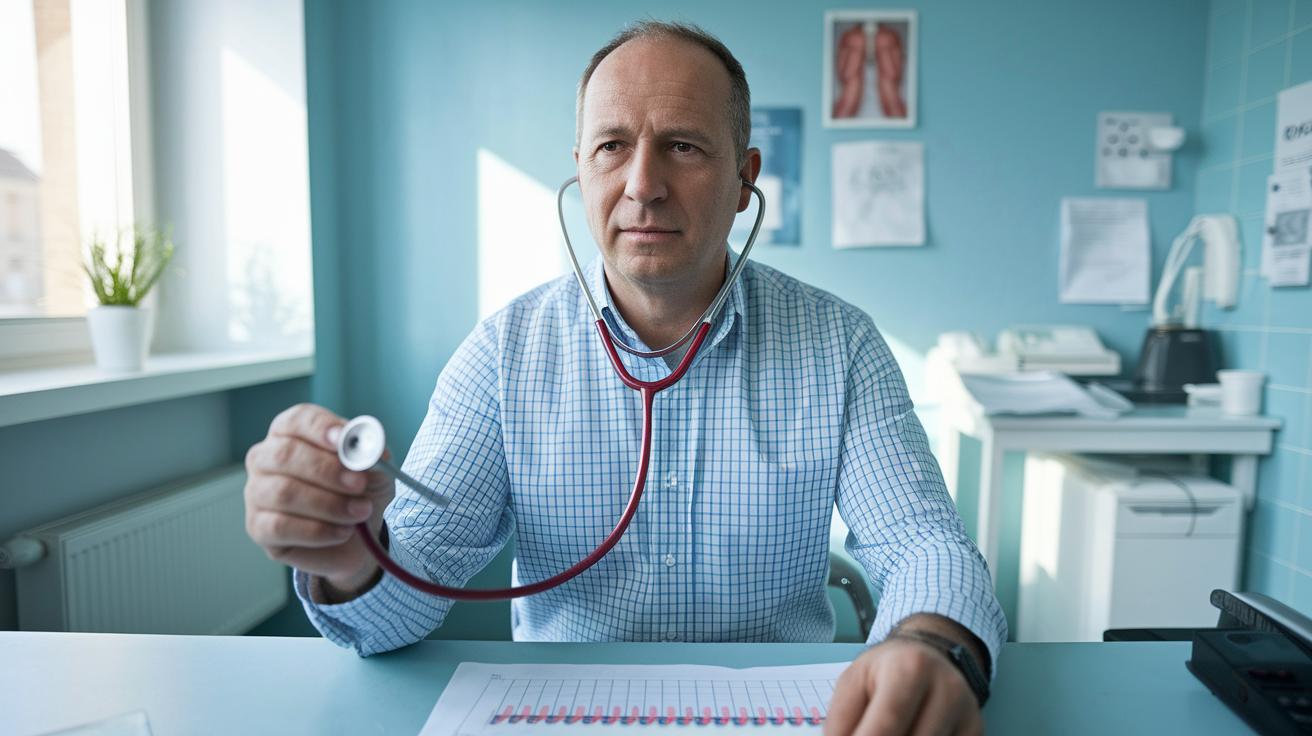

Quick take: A nagging cough and slight breathlessness may be early signs of lung changes that need attention.
If you experience any of these, call emergency services now:
• Severe shortness of breath
• Intense chest pain
• Confusion or blue lips
A persistent, wet cough, extra mucus, or mild chest tightness can be clues to COPD (a lung condition that makes breathing difficult). Many people write these off as just getting older. But noticing these signs early could help you and your doctor act before the condition gets worse.
Pay close attention to your symptoms. Track how long they last, their severity, and any other signs you notice. Then, share this information with your clinician to get a clear diagnosis and the right treatment.
Core COPD Symptoms: Symptom Profile Explained
COPD is a lung condition that makes it hard to breathe because your lungs cannot move enough air. This happens when damage from diseases like chronic bronchitis or emphysema changes your lung tissue. In the early stages, you might only notice that you get short of breath during exercise or that you have a wet, lingering cough. This is because your once flexible lung tissue has become stiff, so air does not flow as easily in and out.
This condition slowly gets worse over time. Treatments help slow the decline, but they can’t repair the lung damage that has already occurred. For example, if you feel a slight tightness in your chest while active, it might be one of the first quiet signs of COPD.
Key signs of COPD include:
- Difficulty breathing (dyspnea)
- A chronic, wet cough that sticks around
- Extra mucus (sputum) that you might notice
- Wheezing sounds due to narrowed airways
Doctors often use a test called spirometry (a breathing test) to check how much air you can force out. Paying attention to these symptoms can help you and your doctor make early decisions about managing the condition.
Atypical Signs in COPD Symptom Profile

Quick Take: Mild tiredness and slight breathlessness might be early signs of COPD. Watch closely.
Triage Box:
If you have any of these emergency signs, call emergency services now:
- Severe chest pain
- Struggling to breathe even when resting
- Confusion or bluish lips
If your symptoms get worse during the day, seek same-day medical care. For ongoing issues, keep track and discuss them with your clinician.
Sometimes you feel extra tired or notice slight shortness of breath during everyday tasks. You might think it is just part of aging or a result of a past smoking habit. Many dismiss a chronic cough as only a remnant of previous smoking instead of a sign that something is not right. Saying, "I'm just getting old" can hide early signals of COPD. Missing these cues might delay a full evaluation and timely treatment.
You might also feel a bit of chest tightness or see changes in how symptoms spread throughout the day. For instance, experiencing breathlessness at night can interrupt your sleep and leave you feeling worn out the next day. Even mild exposure to smoke or pollution can trigger these subtle signs before a big flare-up happens. Noticing these hints early can help you get care sooner and better manage your condition.
Differentiating COPD Symptom Profile: Asthma, Bronchitis & Emphysema
Quick take: These lung troubles may seem similar but each has unique signs that guide treatment.
If you have trouble breathing, chest pain, or feel very lightheaded, call emergency services right away.
Chronic bronchitis shows a cough with mucus that lasts most days for 3 months over 2 years. Emphysema comes with damaged air sacs, overly inflated lungs, and sometimes visible bubbles on scans. Asthma makes your airways narrow but the blockage usually gets better with medicine. In COPD, the blocked airflow does not improve much even after using a bronchodilator.
A simple breathing test (spirometry) helps tell these apart. In COPD, your FEV1/FVC ratio stays below 0.70 after you take your medicine, showing a fixed blockage. With asthma, the test often improves a lot after treatment. Also, if you are under 35 and show signs of early COPD, it might be due to a genetic condition called alpha-1 antitrypsin deficiency, which weakens lung protection.
Remember these key points:
• For bronchitis: Look for a long-lasting cough with mucus.
• For emphysema: Check for lung over-expansion and damaged air sacs on scans.
• For asthma: Notice if breathing improves with medicine.
• For COPD: Fixed, stubborn breathing problems that do not improve fully with treatment.
Objective Measures in COPD Symptom Profile: Spirometry & Imaging

Quick take: These tests help your doctor see how much COPD is affecting your breathing so you can get the right care.
If you have any of these red flags, call your doctor immediately:
- Your blood oxygen level (SpO₂) drops below 88% at rest.
- Your spirometry test shows a FEV1/FVC ratio below 0.70 after using a bronchodilator.
- A CT scan shows signs of serious lung damage.
Spirometry checks how well you breathe. It measures the volume of air you blow out quickly in one second (FEV1) and the total air you can force out (FVC). A ratio of FEV1 to FVC below 0.70 means you have significant airflow limits. This number helps doctors grade your COPD using the GOLD system.
Pulse oximetry is a fast test that shows how well oxygen gets into your blood. If the SpO₂ number falls under 88% during rest or mild activity, you might need extra oxygen to make breathing easier.
CT scans give a clear picture of your lungs. They show overinflated areas, bullae (air-filled spots that indicate lung tissue damage), and thickened airway walls. These details help doctors keep track of your lung health and decide on the best treatment plan.
| Test | Metric & Threshold |
|---|---|
| Spirometry | FEV1/FVC below 0.70; FEV1 % predicted |
| Pulse Oximetry | SpO₂ below 88% at rest or with light activity |
| CT Scan | Shows hyperinflation and bullae |
Tracking and Monitoring Your COPD Symptom Profile
Keep a daily record of how you feel. This helps you spot changes early. Use simple tools like the mMRC scale (a way to rate breathlessness) or the COPD Assessment Test. These can show when your usual medications might not work as well or when your symptoms worsen. It can also help you notice triggers like smoke or pollution. If things change quickly, call your clinician within 24 hours.
Watch for these each day:
- Rate your breathlessness on the mMRC scale
- Note how often you cough and the amount of sputum (mucus)
- Record your oxygen level (SpO₂) at rest and after you move around
- List any exposure to smoke or pollution
- Keep track of your medication use and check your inhaler technique
- Record your sleep quality and any symptoms at night
By tracking these details, you build a clear picture of your COPD. Write down your observations in a symptom diary. This diary helps you share any sudden changes with your doctor. It also shows patterns that may trigger your symptoms. Use your daily notes during each appointment so your clinician can make the best treatment choices.
Managing the COPD Symptom Profile: Treatment & Support
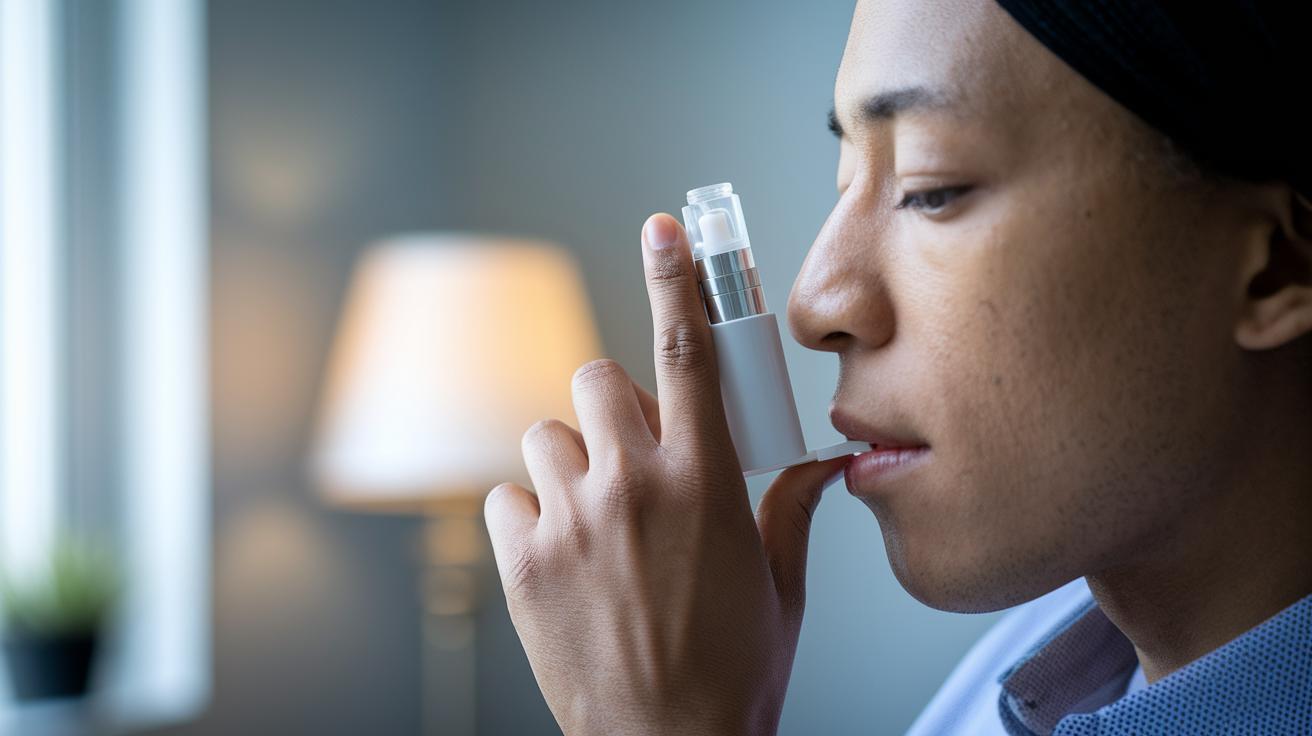
Quick take: A mix of quick-relief and long-acting medications, along with non-medicine support, can help you breathe easier.
Triage:
• If you suddenly have severe shortness of breath, chest pain, or other alarming signs, call emergency services immediately.
• If your breathing gets worse fast, seek urgent care.
You might use a short-acting bronchodilator to ease sudden breathlessness and a long-acting one to keep your breathing steady all day. Sometimes your doctor adds inhaled corticosteroids (medication that lowers swelling in your airways) or combo treatments. Using your inhaler as your care provider explains is key for the medicine to work right in your lungs.
Other non-medicine steps are important for long-term control. If your blood oxygen level (SpO₂) stays under 88%, oxygen therapy by mask or portable unit may be needed. A pulmonary rehabilitation program, which includes exercise, breathing exercises, and education, can also help you manage day-to-day tasks. And if you quit smoking, you can slow down the loss in lung function significantly.
When symptoms flare up suddenly, quick action is needed. In these cases, rescue inhalers, oral steroids (pills to reduce airway swelling), or even antibiotics might be used to bring relief. Follow your clinician’s guidelines if you notice more breathlessness or other changes. This balanced approach with both medication and lifestyle support helps keep your breathing and overall well-being in a better place.
Final Words
In the action, this article broke down COPD's inner workings and highlighted the key signs that can help you take swift steps. It explained how airflow difficulty, chronic cough, and persistent changes in your copd symptom profile guide your care and monitoring.
We covered what to watch for, from subtle breathing indicators to more serious alerts. Keep track of symptoms and work with a clinician when needed. Stay proactive and positive on the road to better breathing and improved health.
FAQ
What are the 4 stages of COPD?
The 4 stages of COPD define disease severity using lung function testing. Stage 1 is mild, Stage 2 moderate, Stage 3 severe, and Stage 4 very severe, based on FEV1 percentages.
How is COPD diagnosed?
The diagnosis of COPD relies on your medical history, spirometry testing to measure lung function, and imaging. A fixed FEV1/FVC ratio below 0.70 after bronchodilator confirms the diagnosis.
What are the early signs of COPD?
Early signs of COPD include slight shortness of breath during activities, a persistent wet cough, and mild chest tightness. Recognizing these subtle symptoms can help prompt early medical advice.
What are the symptoms of Stage 1 COPD?
Stage 1 COPD usually shows mild symptoms such as exercise-related shortness of breath and a chronic cough. Although subtle, these signs can indicate that lung function is already affected.
What are the signs of dying from COPD?
Signs of advanced COPD include extreme breathlessness at rest, very low oxygen levels, significant weight loss, and confusion. These serious symptoms signal a critical stage that requires immediate medical care.
What does COPD diagnosis and treatment involve?
COPD diagnosis involves confirming airflow limitation through spirometry and other tests. Treatment may include medications like bronchodilators and steroids, oxygen therapy, and lifestyle changes like smoking cessation.
What are the treatments for COPD?
Treatments for COPD focus on easing breathing difficulties and slowing progression. They include using bronchodilators, inhaled corticosteroids, oxygen therapy, pulmonary rehabilitation, and making lifestyle changes.
What are the 3 main causes of COPD?
COPD is mainly caused by chronic exposure to irritants such as cigarette smoke, air pollutants, and genetic factors like alpha-1 antitrypsin deficiency that contributes to lung damage.