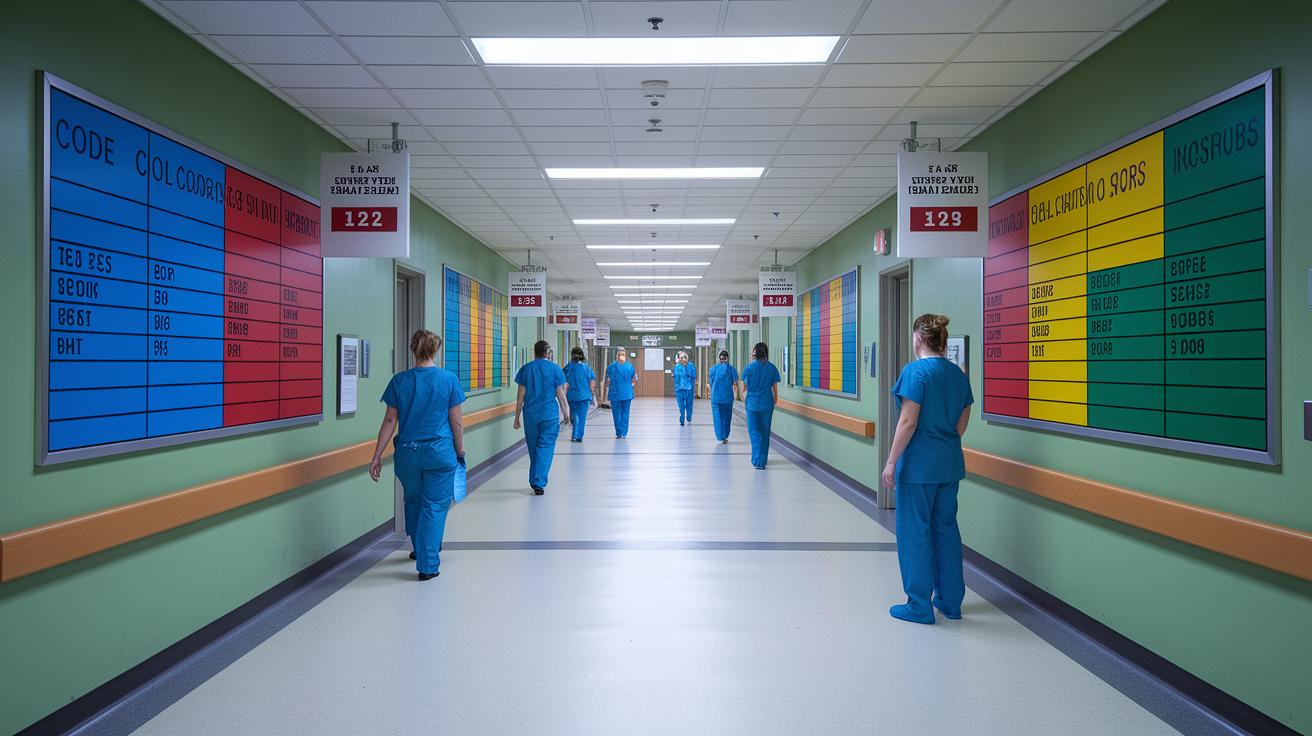
| Code Black |
Bomb threat or suspicious item |
Alert staff and await law enforcement |
Regional and Facility Variations in Hospital Emergency Codes
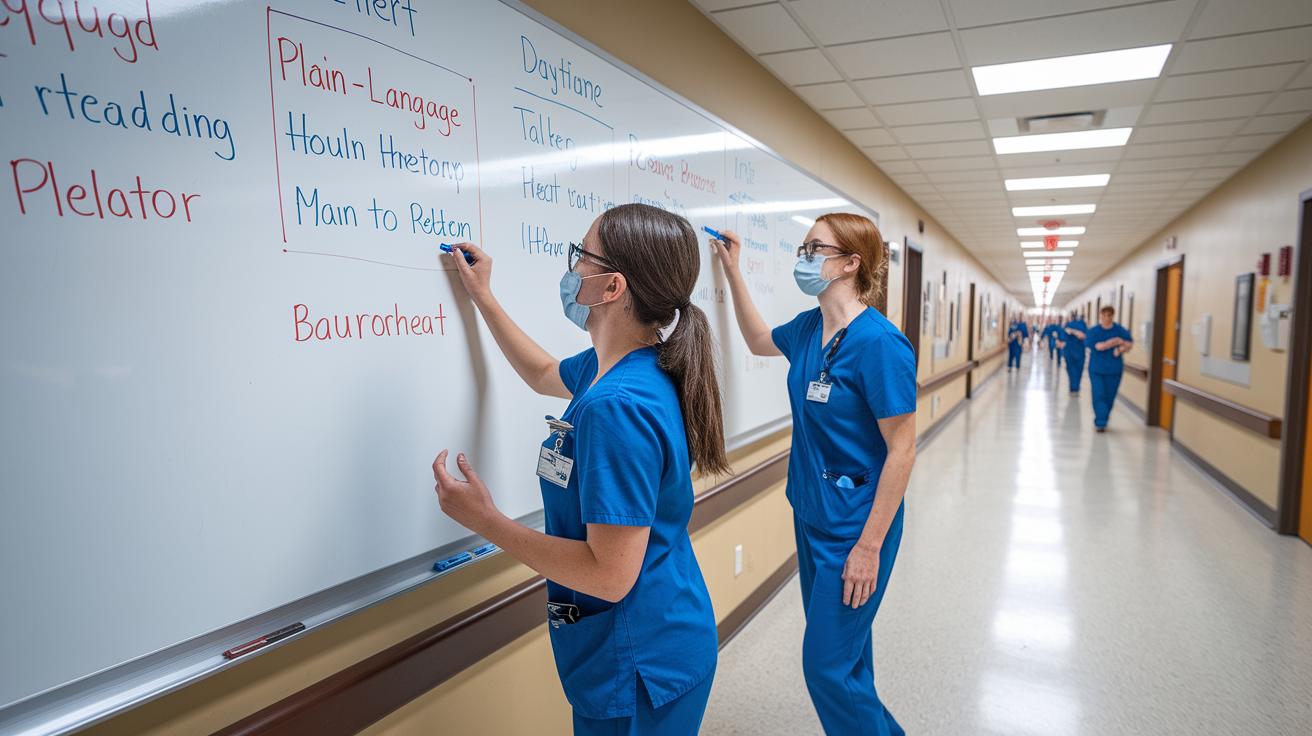
Emergency codes in hospitals are not the same everywhere. They change depending on the country, state, and the hospital’s own rules. Many hospitals still use older methods set up long ago, so a single code may mean different things in different places. Sometimes, the size and type of the facility also affect how the codes work. This can make quick responses harder, especially when staff move between facilities with different systems.
In January 2020, 25 state hospital groups from places like Colorado, Florida, Iowa, and New York suggested switching to clear, plain-language alerts. They believed that simple words can reduce confusion during a crisis compared to confusing color codes. By February 2025, the Washington State Hospital Association fully supported using plain language for all paging. This shows that many experts agree that using clear language can help improve how fast and safely everyone responds in an emergency.
Ontario hospitals take a similar approach by using standard terms. For example, they say “Doctor Red” when there is a fire alarm and “Code Blue” for a heart emergency. This clear language helps both staff and visitors quickly understand the situation. These changes show that hospitals are working hard to improve safety and communication for everyone during an emergency.
Communication Channels for Hospital Emergency Codes
Overhead announcements quickly share urgent alerts throughout the hospital. They make sure everyone hears the message in a hurry. This fast method helps prevent mix-ups during stressful times.
Internal phone systems and pagers link emergency teams directly. For example, dialing 2222 for a Code Blue (a critical heart-related alert) gets the right team moving without delay.
Digital tools like texts, emails, and mobile app alerts add extra speed and detail. They reach on-call responders wherever they are, making sure written information supports the audible alerts.
Visual displays such as digital signs and screens show clear messages for everyone to see. Using simple, everyday language prevents confusion for patients, visitors, and new staff. Posters, code badges, and digital guides also help keep everyone up to date with emergency protocols.
Rapid Response and Trauma Activation Procedures for Key Codes

For Code Blue, teams follow a practiced plan. Nurses, doctors, and respiratory therapists all know their roles. They rehearse tasks like keeping the airway open (ensuring clear breathing), performing chest compressions, and giving medications. One simulation showed that when the respiratory therapist was pre-assigned to manage the airway, response times improved by 15%.
For Code White, the pediatric team meets briefly before an event. They quickly confirm who will give medicine and who will speak with families. Regular drills help them practice child-specific care. In one exercise, clear role assignment cut down the time needed to give life-saving drugs.
In Code Red situations, everyone sticks to an established plan. A safety officer checks firefighting gear and alarms, while team members coordinate with the local fire department. A recent drill found that clear roles for evacuation made the response much faster.
Code Silver now includes close work with in-house security. The team reviews lockdown steps, safe exit routes, and secure assembly points. One case showed that pre-planned "run, hide, fight" roles helped the team move smoothly into a security lockdown during a threat.
For Code Orange and Code Green, teams handle chemical spills and evacuations together. Hazardous materials experts follow strict decontamination steps, while other team members have set roles for moving patients safely. A coordinated drill revealed that clear equipment checks and improved communication greatly boosted patient safety during a simulated chemical spill.
Training, Drills, and Best Practices for Emergency Code Readiness
Every month or quarter, teams run full-scale drills that mimic real emergency codes. These practices build muscle memory so each staff member knows exactly what to do. The goal is to make responses almost automatic when a crisis hits.
Simulated exercises for Code Blue, Code Red, and Code Silver let staff experience high-pressure, real-life scenarios. These drills help teams handle heart emergencies, fires, or active shooter events calmly and efficiently.
Interactive e-learning lessons explain what each code means and clearly show each team member’s role. Step-by-step instructions make it easy to understand what to do during fast-moving situations. This training keeps everyone prepared and confident.
Helpful tools like badges, laminated cards, and posters are placed in busy clinical areas. They serve as fast reminders of the steps to follow during an emergency, reinforcing what was learned in drills.
After each drill, structured debriefs and performance reviews identify any gaps in the process. Staff discuss drills such as Code Blue, Code Red, and Code Purple, noting what went well and what could be better next time. Continuous feedback like this is key to staying ready for any crisis.
Future Directions: Plain Language and Code Evolution in Hospital Alerts

Hospitals are testing new digital systems that show plain language messages right away. You might see alerts on mobile phones or digital signs that say, "Need help now in ICU" so everyone quickly gets the message. Some systems even use AI (computers that learn) to spot emergency trends and change the alert words based on how severe the situation is.
Rules are also changing to support these new tools. Updates are coming that focus on privacy and speed. Early studies show that using high-tech alerts along with current emergency plans helps staff respond faster and makes the hospital safer. In the future, hospitals may mix advanced technology with clear, simple language to improve emergency care for everyone.
Final Words
In the action, this article broke down quick tips on common hospital emergency codes and their specific actions. We covered everything from Code Blue for cardiac arrest to Code Silver for active shooter alerts. The guide also touched on regional differences, communication channels, rapid response steps, and best training practices to help you respond safely during emergencies.
Keep this resource handy when reviewing hospital emergency codes and meanings. Stay prepared, act safely, and keep a positive mindset.
FAQ
What do hospital codes signal during emergencies?
Hospital codes provide shorthand signals that alert staff to specific emergencies, like fires or cardiac arrests, ensuring a rapid, coordinated response while keeping patients and visitors calm.
How is the triage colour code used in hospitals?
The triage colour code in hospitals quickly indicates patient severity levels, guiding staff to prioritize care for those with the most urgent needs during emergency situations.
What does Code Green mean in a hospital?
Code Green in a hospital means that an evacuation is necessary, prompting coordinated movement of patients and staff to a safe area.
What does Code Yellow indicate in hospital alerts?
Code Yellow indicates that a patient is missing in the facility, spurring staff to conduct a search and monitor exits to secure patient safety.
What does Code Red signify in a hospital?
Code Red signifies a fire or smoke detection in the hospital, which activates procedures for rescue, alarm activation, and notifying the fire department.
What is the role of Code Orange in a hospital?
Code Orange alerts staff to a major hazardous-material spill or mass casualty event, triggering immediate containment, decontamination, and safety protocols.
What does Code Blue represent in hospital emergency codes?
Code Blue represents an adult cardiac or respiratory arrest, immediately mobilizing the resuscitation team to provide life-saving interventions.
What does Code Brown indicate in a hospital?
Code Brown indicates a minor hazardous-material spill, which requires prompt cleanup to prevent further contamination and maintain a safe environment.
What do Code 777 and Code 9 mean in a hospital setting?
Code 777 and Code 9 meanings vary by facility; hospitals have specific protocols, so staff refer to their institutional guidelines for clear definitions.
What does Code Gray indicate in a hospital?
Code Gray signals a combative or aggressive individual, prompting a security response to safely de-escalate the situation.
GET EXCLUSIVE FULL ACCESS TO PREMIUM CONTENT
SUPPORT NONPROFIT JOURNALISM
EXPERT ANALYSIS OF AND EMERGING TRENDS IN CHILD WELFARE AND JUVENILE JUSTICE
Get unlimited access to our EXCLUSIVE Content and our archive of subscriber stories.