


Ever wonder how hospitals handle a dangerous spill without causing panic? When a chemical leak or hazardous biological material shows up, hospitals use emergency code orange to protect everyone. This code sets off a series of quick actions to keep patients, staff, and visitors safe. In this post, you’ll learn what code orange means and see how fast, clear responses help lower risks during a spill. Clear instructions like these stop hazards before they turn into something worse.
Understanding Hospital Emergency Code Orange: Definition and Purpose
Code orange means there is a dangerous material spill, like a chemical leak in a lab or a biohazard in a patient room. When this alert sounds, trained teams including environmental services, safety officers, and hazmat responders act fast to contain and clean up the spill.
This alert is part of a color-coded system that tells staff about urgent issues quickly without causing panic. It gives clear, simple instructions so that everyone in the facility stays safe.
Code orange is all about rapid action. By focusing on quick containment and cleanup, it helps lower the risk of exposure and stops further spread of hazardous materials. This organized response clears up confusion and reassures patients, visitors, and staff that the situation is under control.
Activation Thresholds for Hospital Emergency Code Orange
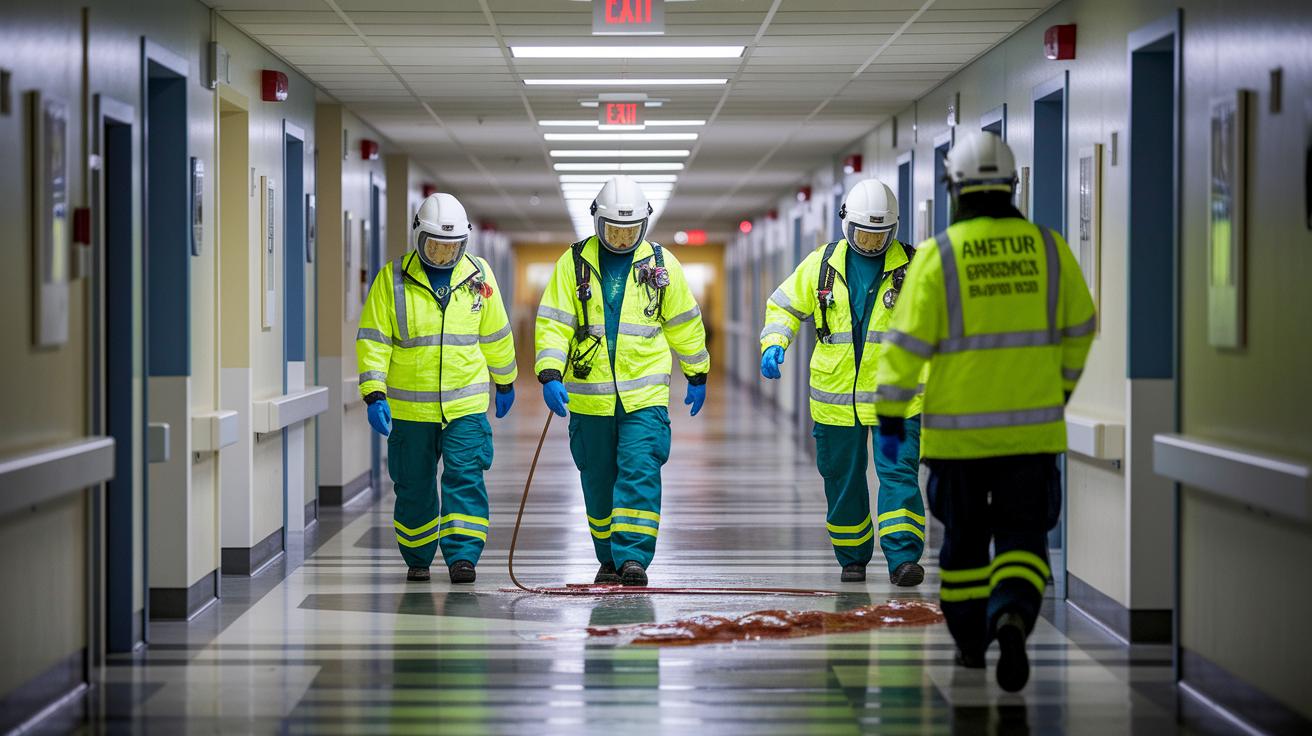
Quick take: When dangerous spills occur, act fast to prevent harm.
If you see any of these emergency signs, call your hospital team or emergency services immediately:
- Hazardous chemicals leaking in labs with visible vapors or odd smells.
- Biohazard spills in patient areas where infectious material might escape.
- A sudden release of unknown dangerous substances in common areas that could expose many people.
Hospitals must take quick action during spills to protect everyone. Code Orange starts when these clear signs appear. This alert notifies environmental services, safety officers, and local hazmat teams right away. The rules help everyone know which spills need urgent work.
These specific triggers keep the response fast and matched to the risk. They are meant to catch problems early so a spill does not grow into a larger hazard that affects patients, staff, or visitors. By following these steps, hospital teams can quickly call in the right help to lower risks and keep everyone safe. Clear and prompt activation of Code Orange helps manage spills immediately and makes sure the hospital is always ready in an emergency.
Hospital Emergency Code Orange: Safety Made Clear
Quick take: In a Code Orange, every second counts in stopping hazardous spills and protecting everyone onsite.
Triage Box:
- If you notice a Code Orange event, secure the area immediately.
- Ensure you and others wear proper PPE (personal protective equipment).
- Call for help if there is any sign of dangerous exposure.
When a Code Orange is activated, environmental services staff move fast to lock down the spill zone and stop dangerous materials from spreading. At the same time, safety officers carry out quick risk checks and make sure all staff, patients, and visitors are wearing their PPE. Their goal is simple: lower any risk of exposure by acting fast.
Specialized local hazmat teams also jump into action. These experts handle the tricky parts of containment and cleanup using specialized tools and skills to safely manage chemical or biohazard spills. Clear emergency protocols mean everyone knows their role, which cuts down confusion and speeds up a coordinated response.
Hospital teams train often for Code Orange events. They practice through drills and clear, step-by-step procedures so that when an emergency occurs, every team member knows exactly what to do. This training helps ensure a fast, safe response that keeps the hospital environment secure for everyone.
Safety and Containment Procedures for Hospital Emergency Code Orange
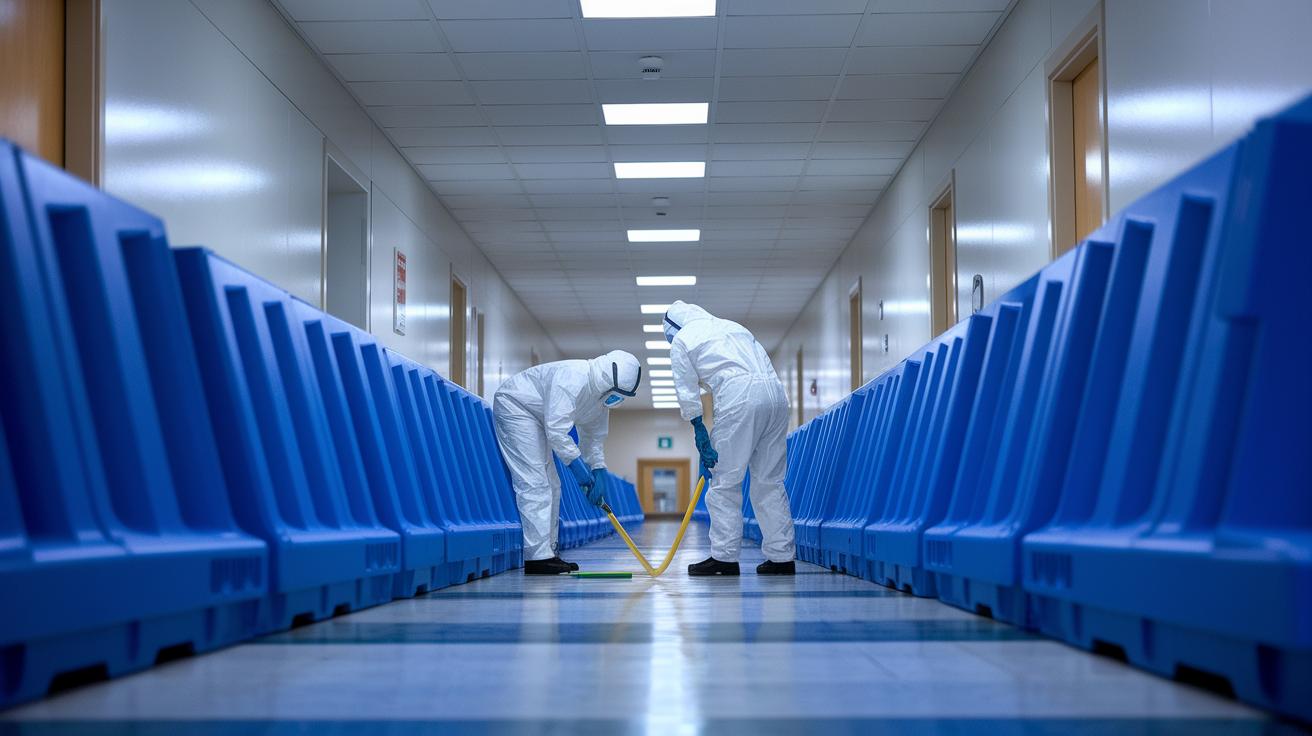
When Code Orange sounds, the team acts fast. Staff close off the affected area and secure the spill zone right away. Environmental services block the hazardous area while safety officers check that everyone is in proper protective gear.
Teams quietly share information so every member knows their role without causing unnecessary alarm. Next, specialized hazmat groups step in with their well-practiced routines. They neutralize chemicals, clean surfaces, and remove contaminated materials safely.
Regular drills and safety checks guide these steps to lower risks for staff, patients, and visitors. Clear protocols, from containing the spill to final cleanup, ensure every action is managed with care and precision.
Regional Variations in Hospital Emergency Code Orange Protocols
Quick take: Both Canada and the US use clear, fast-response codes to manage hazardous spills.
Triage Instructions:
• If you notice a spill of dangerous chemicals or biohazard material, alert staff right away.
• Follow your hospital’s safety instructions immediately.
• If you are unsure or feel unsafe, seek help from a safety officer.
In Canada, every hospital uses the same emergency codes so that every staff member knows what to do fast. Code Orange usually means a spill of hazardous material, like chemicals or biohazard substances. Some hospitals may sometimes use a different label, like Code Brown, for similar spills, but the goal is always to contain and clean up quickly.
In the United States, code names might differ from one hospital to another. Even when different terms are used for a spill, the steps to contain the hazard stay much the same. Staff have clear roles, act quickly to control spills, and review the incident after it happens. This consistent method helps keep everyone safe by maintaining clear and calm communication during an emergency.
Training, Drills, and Evaluation for Hospital Emergency Code Orange Readiness
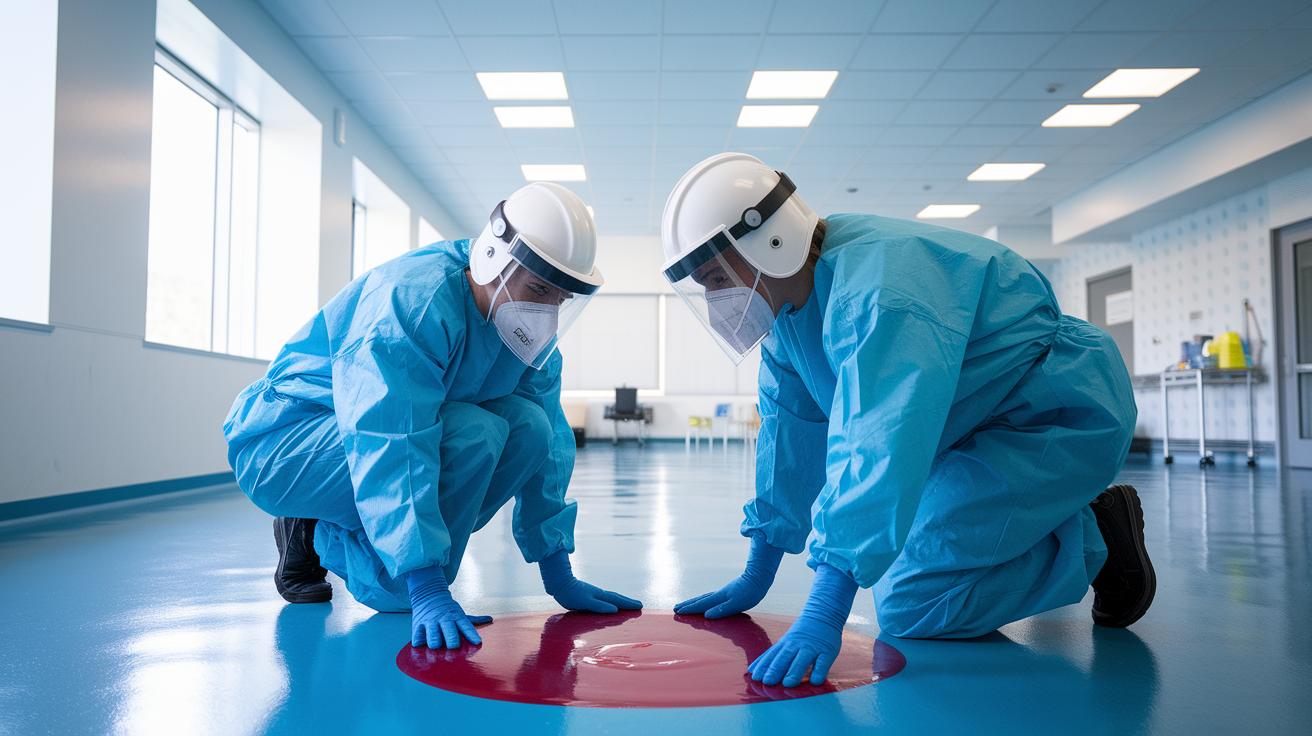
Regular training makes your hospital team ready for a Code Orange event. If you notice any dangerous signs during drills, call emergency services now.
Hospitals hold frequent training sessions and crisis drills so everyone knows what to do when a real emergency occurs. In these drills, you practice clear talks, proper use of protective gear (equipment that shields you from harm), and safe ways to handle hazardous materials. You get a chance to run through a real-like emergency, such as a chemical leak, and learn fast how to secure a spill site. This hands-on practice builds your team’s confidence and reinforces the clear procedures that protect patients, visitors, and staff.
After every drill, teams review how they did. These after-action reviews focus on what went well and where there is room for improvement. Hospitals then update their emergency rules and training sessions based on these findings. This continuous feedback loop helps the team know their role and speeds up the response time when a true emergency happens.
Integrating Hospital Emergency Code Orange into Broader Emergency Response Systems
Quick take: Code Orange signals a hazardous spill that needs a calm, fast, and coordinated response.
If you see any dangerous spills or chemical leaks, alert your team immediately and follow your hospital’s safety steps.
Hospital emergency Code Orange is a key part of a color-coded system that helps hospital teams deal with different crises. It works hand-in-hand with other codes like Code Red for fires, Code Blue for serious heart or breathing problems (life-threatening conditions), and Code Green for evacuations. This setup lets every team member know exactly what to do during any crisis, so they can work both on their own tasks and as a group.
| Code | Situation | Response Team |
|---|---|---|
| Red | Fire emergency | Fire response team |
| Blue | Heart or breathing emergencies | Medical rapid response team |
| Orange | Hazardous material spill | Hazmat and environmental teams |
| Green | Evacuation situation | Evacuation and security teams |
Linking Code Orange with the other alerts makes the hospital’s plan clear and strong. Each team, from hazmat experts to emergency medical staff, knows their role and the steps to take. Regular drills and reviews help keep everyone prepared. This careful, practiced plan helps ensure that when a crisis happens, the response is swift, unified, and effective.
Final Words
In the action, this guide broke down what hospital emergency code orange means and how it works during hazardous events. We explained clear steps for securing spills, outlined roles for healthcare teams, and detailed safety procedures to keep everyone safe.
We also covered regional variations, training drills, and how these alerts fit into broader emergency plans. Understanding these protocols gives you practical tips and a clear roadmap to share with clinicians while keeping a positive approach to safety.
FAQ
What are hospital emergency codes?
The hospital uses emergency codes as color signals to alert staff about specific incidents like fires, hazardous material spills, and cardiac arrests, allowing for rapid, coordinated responses.
What does Code Orange mean in the ER and in emergencies?
The hospital’s Code Orange signifies a hazardous material spill, such as a chemical leak or biohazard, triggering immediate action by trained teams to secure and decontaminate the affected area.
What do other hospital color codes like Code Yellow, Red, Green, Blue, Purple, and Pink signify?
The hospital uses Code Yellow for internal security issues, Code Red for fires, Code Green for evacuations, Code Blue for resuscitation, Code Purple for certain pediatric emergencies, and Code Pink for infant abduction alerts.
What is the color code for disasters or mass casualties?
The hospital coordinates multiple emergency codes during disasters or mass casualty events, using a combined color-coded alert system to signal extensive responses and resource mobilization across teams.
What are the 5 levels of ER triage?
The hospital’s ER triage system categorizes patients into five levels, ranging from immediate, life-threatening conditions to non-urgent cases, ensuring each person receives timely and appropriate care.