

Quick Take: A Code Green means there is a serious threat like a fire or chemical spill, so act fast.
If you hear Code Green, it’s time to follow emergency steps. Here’s what you should do:
• If you see fire, heavy smoke, or strong chemical smells, leave immediately.
• Listen carefully to hospital staff and follow their directions.
• Stay calm and move to a safe area as instructed.
When a hospital calls a Code Green, it’s not a call for panic. It is designed to keep you safe during an emergency. Our guide explains simple steps to know when to leave and how to follow instructions. Understanding these clear actions can make all the difference in keeping you safe.
Understanding What Hospital Emergency Code Green Means
Quick take: Code Green means an active emergency where you must follow the hospital’s evacuation plan right away.
Triage Box:
• If you see signs of fire, smoke, or strong chemical smells, leave immediately.
• If you feel unsafe or see damage, follow staff instructions.
• Stay calm and move to a safe area as directed.
Code Green is a hospital signal that a serious crisis is happening. It usually means there is a fire, chemical spill, or other hazard that forces everyone to evacuate. Each hospital sets up its own green alert system. This means the details might change from one place to another. Some hospitals use Code Green for environmental hazards, while others use it when there is an internal incident that calls for a quick, organized exit.
When you hear Code Green, clear instructions are given. Staff follow set routes and checklists to make sure everyone leaves safely. A detailed contact list helps notify emergency responders right away. This organized plan is meant to control chaos and keep people safe during a crisis.
In short, Code Green is all about safety. It alerts everyone in the hospital to a danger so that each person can follow a clear, practiced evacuation plan.
Key Protocols and Activation Process for a Code Green Event

Quick take: When Code Green is called, use clear routes, alert every team member, and get extra help for those at risk.
Triage Box:
• If anyone is missing, call emergency services immediately.
• If communication fails, seek urgent help.
• For patients in distress, act now.
Hospitals have a simple plan when a Code Green is announced. First, planned evacuation routes open so staff, patients, and visitors can leave safely. A safe outdoor spot is set for a head count.
Next, hospitals use a detailed staff contact list with email, text, and call alerts. This organized system makes sure no one is missed.
Every team member has a specific job. Some guide patients along safe paths while others manage messages. Extra care goes to patients on life support or with movement issues.
A clear checklist instructs everyone to stay calm and follow orders. For example, one step is to check that patient mobility aids are ready for transport. This careful plan helps hospital teams work fast and keep everyone safe.
Regional and Institutional Variations in Hospital Emergency Code Green
Code Green can mean different things depending on where you are. Some hospitals use it as a signal to evacuate when there is a fire, chemical spill, or other environmental danger. In one hospital, Code Green may be just for environmental alerts, while another facility might use it for several types of crises. Because of these differences, each hospital has its own evacuation steps.
In January 2020, state hospital groups from places like Florida, New Jersey, and Texas advised using plain language alerts. They wanted to cut down on confusion during an emergency. Then, in February 2025, the Washington State Hospital Association supported using simple paging codes. These changes help staff know exactly what to do, making emergencies safer.
Ontario hospitals have also updated their policies to use the same green alert codes everywhere. Using uniform codes means staff follow the same procedures when evacuating. Hospitals hope this clear and simple language will keep patients and staff safe during a Code Green event.
Staff Training, Simulation Drills, and Readiness for Green Alerts
Quick take: Regular drills help everyone know exactly what to do during a Code Green event.
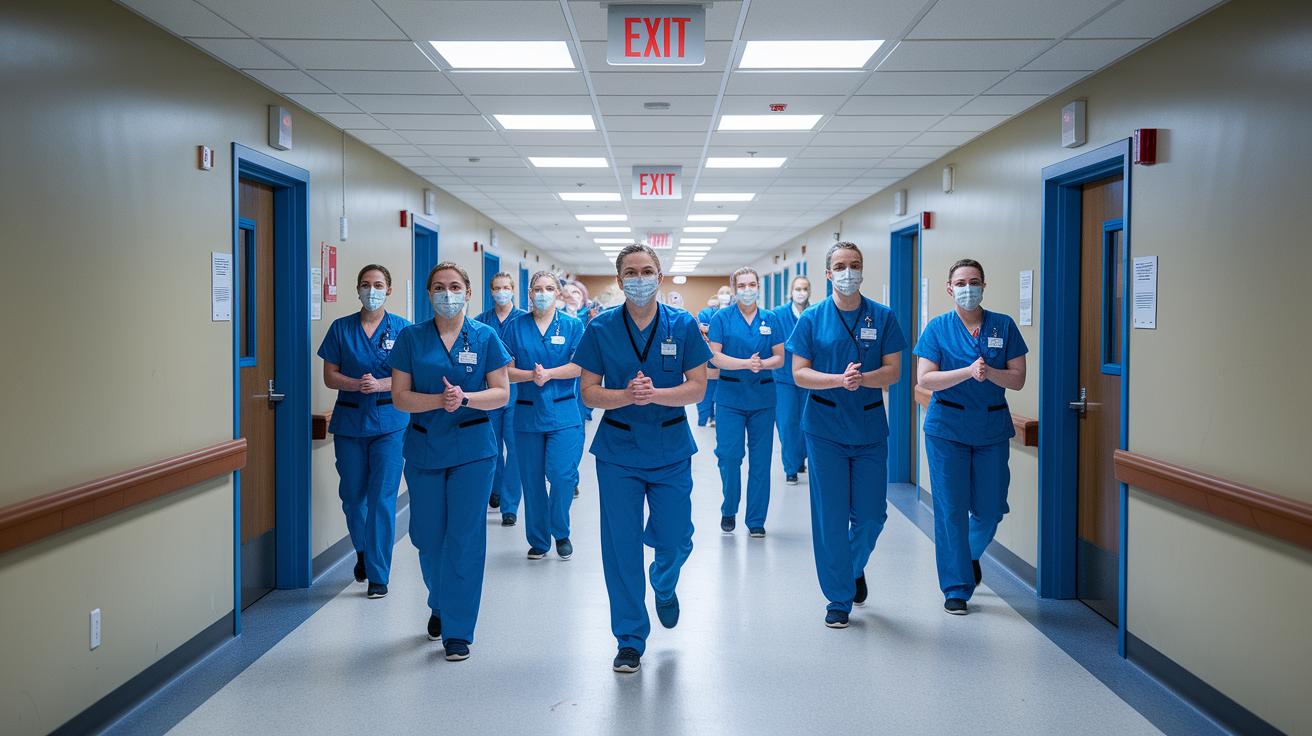
Hospitals set up real-life practice sessions so you can act fast and safely in emergencies. They run full-scale evacuation drills to practice clear, safe exits. Staff also take part in role-specific walkthroughs that assign clear tasks. In addition, tabletop reviews help fix any issues with communication and teamwork.
These drills cover many scenarios. One session might test how to quickly assist patients who have trouble moving, while another ensures you know the pre-set evacuation routes. Some drills even mimic green alert events, like chemical spills or fires, so each unit can test the training made just for those emergencies.
Training programs focus on simple, clear communication and the use of the right equipment to keep everyone safe. These regular sessions build both your confidence and skills by spotting any gaps in current plans.
Key practice steps:
- Do full-scale evacuations.
- Run role-specific drills.
- Review your communication methods.
- Update training based on what you learn.
Communication and Coordination During a Hospital Emergency Code Green
Quick take: In a Code Green, clear and fast communication helps everyone act safely.
If you see any red flags, call emergency services now.
Hospitals use one system to send alerts via email, text messages, and voice calls all at once. This clear method makes sure every staff member gets the right instructions and helps avoid confusion and panic.
They also run quick, live surveys (real-time polls) with pre-written messages to find out how many beds are free and what nearby facilities can handle critical patients. This key information directs where to move patients and how to use available resources.
Hospitals have simple strategies for these events. They follow set messaging steps and use a staff checklist so everyone knows their role in helping with the evacuation and supporting patients. By using different channels, teams can double-check that the messages are received and understood, and they get updates on how the evacuation is going.
Key steps include:
- Sending alerts with an integrated notification system.
- Starting live surveys to gather capacity data.
- Using a detailed staff checklist to make sure every instruction is followed.
These organized actions help keep information moving smoothly, reduce delays, and guide patients along safe routes during emergencies.
Case Study: Smart Alert Systems in Code Green Evacuations
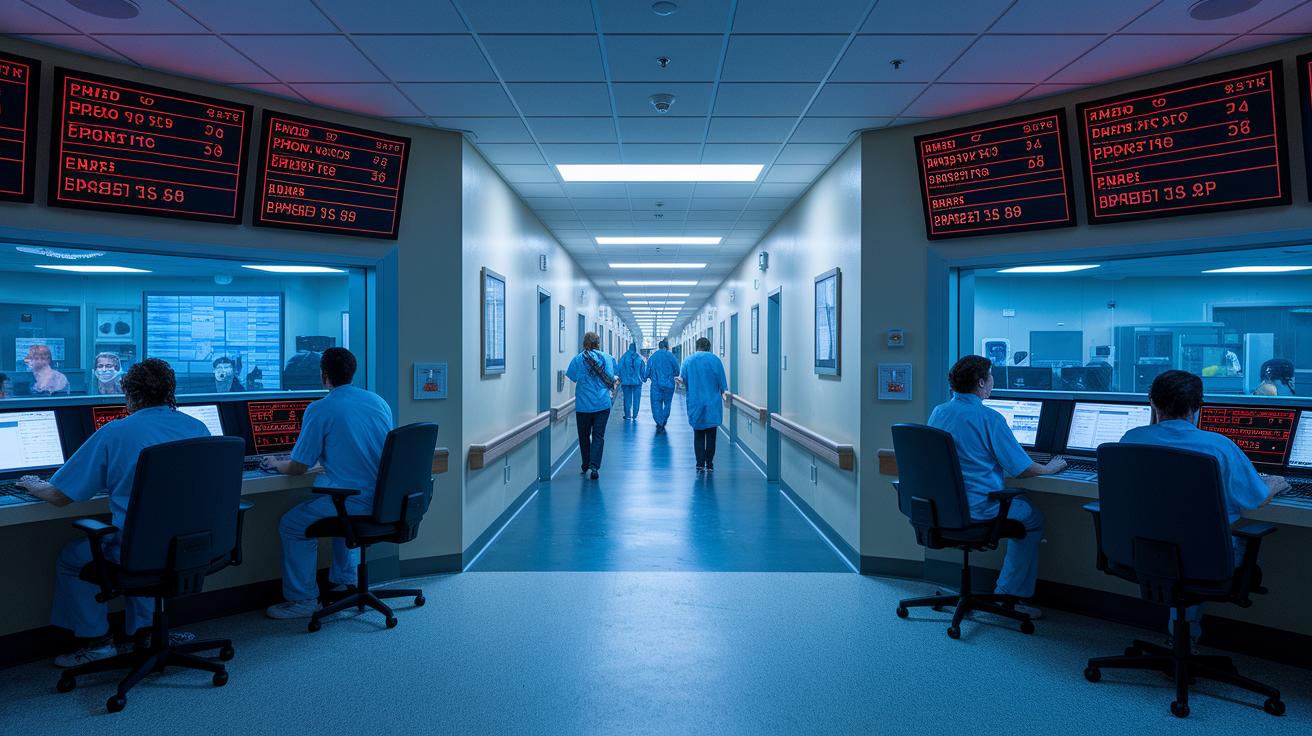
When a Code Green starts, hospitals use digital tools to keep everyone safe. SimplyCast sends alerts fast through email, SMS, and voice calls. This makes sure every staff member hears the message quickly.
A key benefit is its automated response. The system cuts down on mistakes so teams can focus on moving patients safely. It also produces clear reports that guide hospital leaders in reviewing the response and improving future evacuation routes.
During a Code Green, the system gathers live data. It checks bed availability and safe transport options for patients in critical condition. This real-time info helps guide quick and safe patient transfers.
Key benefits include:
- Quick alerts to every team member
- Better coordination through automated messages
- Clear reports with step-by-step data for review
- Less chaos thanks to real-time communication
This smart alert system improves emergency responses and helps save lives.
Final Words
In the action, we covered what a hospital emergency code green means and how it triggers quick actions to keep everyone safe. We broke down key protocols, regional differences, training drills, and strong communication strategies used during these events.
We also highlighted a case study that shows how smart systems can streamline evacuations and coordination. Stay informed, prepared, and positive knowing that every detail matters in keeping you and others safe.
FAQ
What does Code Green mean in the ER?
The Code Green signifies an emergency alert that mobilizes hospital response procedures, often indicating the need to evacuate due to environmental hazards or internal incidents to safeguard patients and staff.
What triggers a Code Green alert in hospitals?
A Code Green alert is triggered when environmental hazards, internal incidents, or external threats require an immediate evacuation or rapid patient movement with clear response protocols.
How do Code Green, Code Blue, Code Yellow, and Code Red hospital codes differ?
While Code Green focuses on evacuation needs, Code Blue signals cardiac or respiratory arrest, Code Yellow warns of disasters like fires, and Code Red indicates internal fires or severe emergencies.
What is Code Orange in a hospital?
Code Orange alerts staff to hazardous spills or chemical exposures, prompting immediate safety and decontamination measures to protect both patients and staff from potential toxic exposure.
What does Code Purple mean in a hospital?
Code Purple alerts hospital personnel to violent or hostage situations, triggering enhanced security measures and specific response protocols designed to protect everyone on site.
What are the five levels of ER triage?
The five levels of ER triage classify patients from Level 1 (immediate life threat) to Level 5 (non-urgent needs), allowing staff to prioritize treatment based on the severity of the condition.