
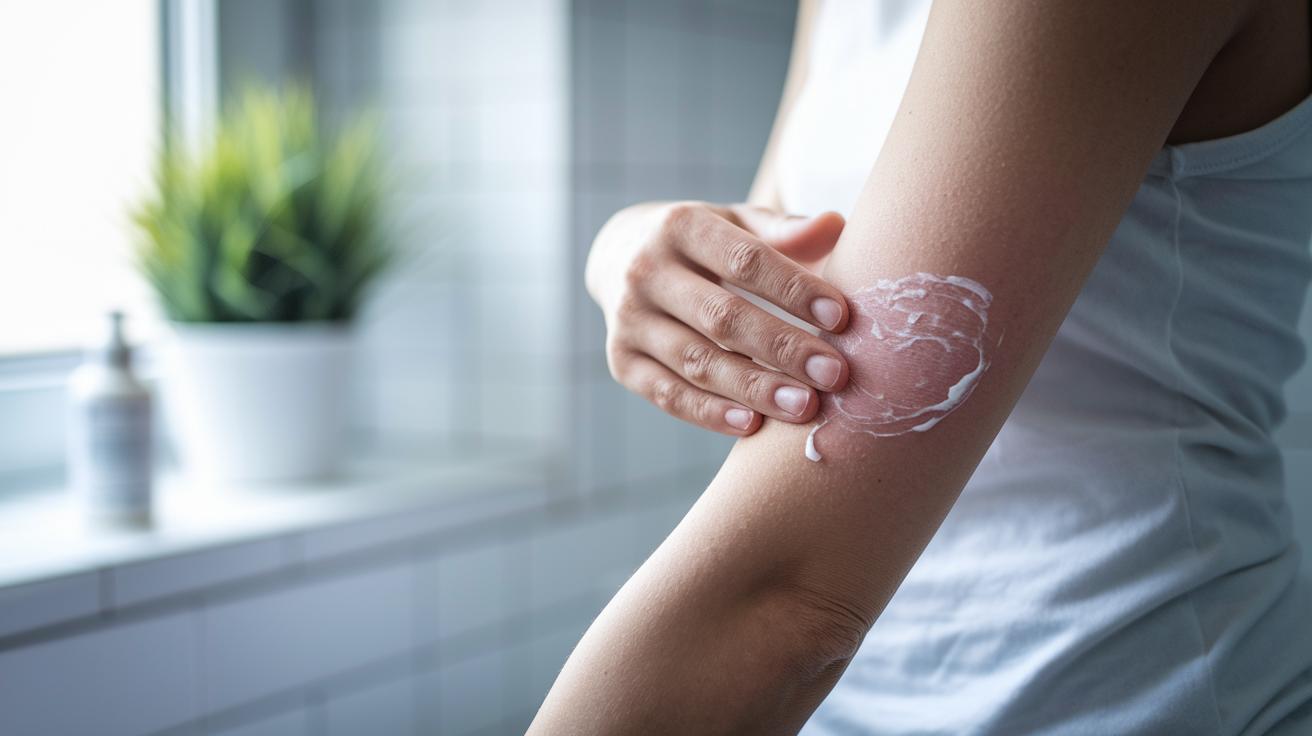

Quick take: Rinse off poison ivy oil right away to help ease itching and swelling.
If you have trouble breathing, swelling around your face or throat, or any signs of a severe reaction, call emergency services now.
When poison ivy touches your skin, it leaves behind a sticky oil called urushiol, which causes a burning, itchy rash. Acting fast is key. Rinsing with cool water and gentle soap can help wash away the oil, reducing redness, swelling, and discomfort.
Here’s what to do:
- Rinse the affected area with cool water as soon as possible.
- Wash gently with soap to remove the oil.
- Pat your skin dry, don’t rub it.
Taking these steps quickly can stop the rash from getting worse. If your symptoms continue or you feel worse, call your doctor.
Quick Home Relief for Poison Ivy Rash
Quick take: Rinse off poison ivy oil within 10 minutes to reduce rash severity.
Triage:
- Call emergency services now if you experience trouble breathing, swelling in your face, or if the rash affects your eyes or genitals.
- Seek urgent care if the rash spreads quickly or if you feel very unwell.
- Otherwise, follow the steps below for safe home care.
When you come into contact with poison ivy, you pick up urushiol (an oil that causes rash). This oil sticks to your skin and can trigger an itchy, red rash fast. Washing your skin quickly helps remove most of the oil and may keep the reaction mild.
Steps to soothe your skin:
- Wash your skin well with cool water and a gentle soap.
- Apply a cool, moist compress for 15-20 minutes.
- Gently pat your skin dry, then put on a mild home remedy (like calamine lotion).
- Lightly cover the area to help avoid scratching.
Most mild poison ivy rashes clear up in 1-3 weeks with proper care. Keep the area gentle, avoid harsh chemicals, and watch for any signs that the rash is getting worse. If you notice spreading redness, blisters, or signs of infection, get help immediately.
How Urushiol Causes Allergic Reactions on the Skin
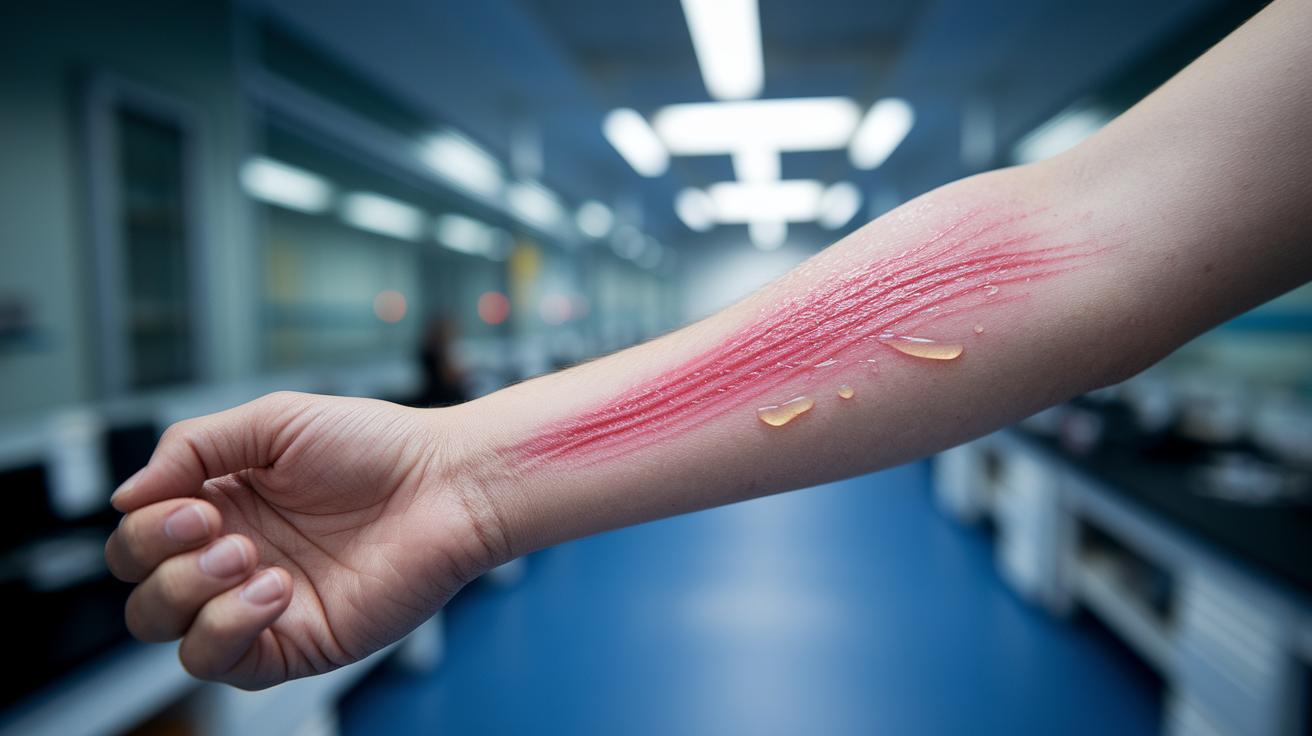
Quick take: Urushiol, the oil found in poison ivy, oak, and sumac, sticks to your skin and can start an allergic reaction within 1 to 3 days.
When you touch one of these plants, the sticky oil immediately rubs off on your skin. It holds fast to skin proteins even if you can't see it. This contact is what starts the reaction.
Your body sees the oil as a threat. In response, it releases histamines (chemicals that cause swelling and itchiness). This results in red bumps, swelling, and a constant itch right where the oil touched your skin.
The rash usually starts as small bumps. Over time, these bumps can line up in streaks or clusters, and sometimes they even form blisters. This change happens gradually over 24 to 72 hours, though it may vary from person to person.
Once your body has reacted to urushiol, it remembers the oil. If you come into contact with it again, even a tiny amount can cause a faster and stronger flare-up.
Natural Home Remedies for Urushiol Irritation
Quick take: If poison ivy oil leaves your skin irritated, these natural methods can ease the itch and reduce swelling, just act early and watch for severe signs.
If you have any of these emergency signs, call emergency services now:
• Trouble breathing
• Swelling around your face or throat
Poison ivy oil can make your skin red, itchy, and swollen. Simple, natural remedies work by cooling your skin and easing inflammation. They help lower redness, control swelling, and calm the itch when used soon after exposure.
• Colloidal Oatmeal Bath
- Fill a tub with lukewarm water.
- Add 1 cup of colloidal oatmeal.
- Soak for 10–15 minutes.
This bath creates a cooling layer on your skin, easing the itch and calming irritation.
• Baking Soda Paste
- Mix 1 cup of baking soda with enough water to form a paste.
- Gently apply it to the rash.
This paste acts as a natural anti-inflammatory and helps dry out any weeping blisters.
• Aloe Vera Application
- Spread a thin layer of aloe vera gel directly on the affected skin.
Aloe vera cools the area and eases discomfort while supporting gentle healing.
• Apple Cider Vinegar Rinse
- Dilute apple cider vinegar by mixing equal parts with water.
- Lightly dab this solution on the rash.
This rinse helps reduce inflammation and soothes the burning sensation quickly.
Remember, if your symptoms worsen or you notice signs like widespread swelling or difficulty breathing, seek urgent care.
Over-The-Counter Options for Poison Ivy Care
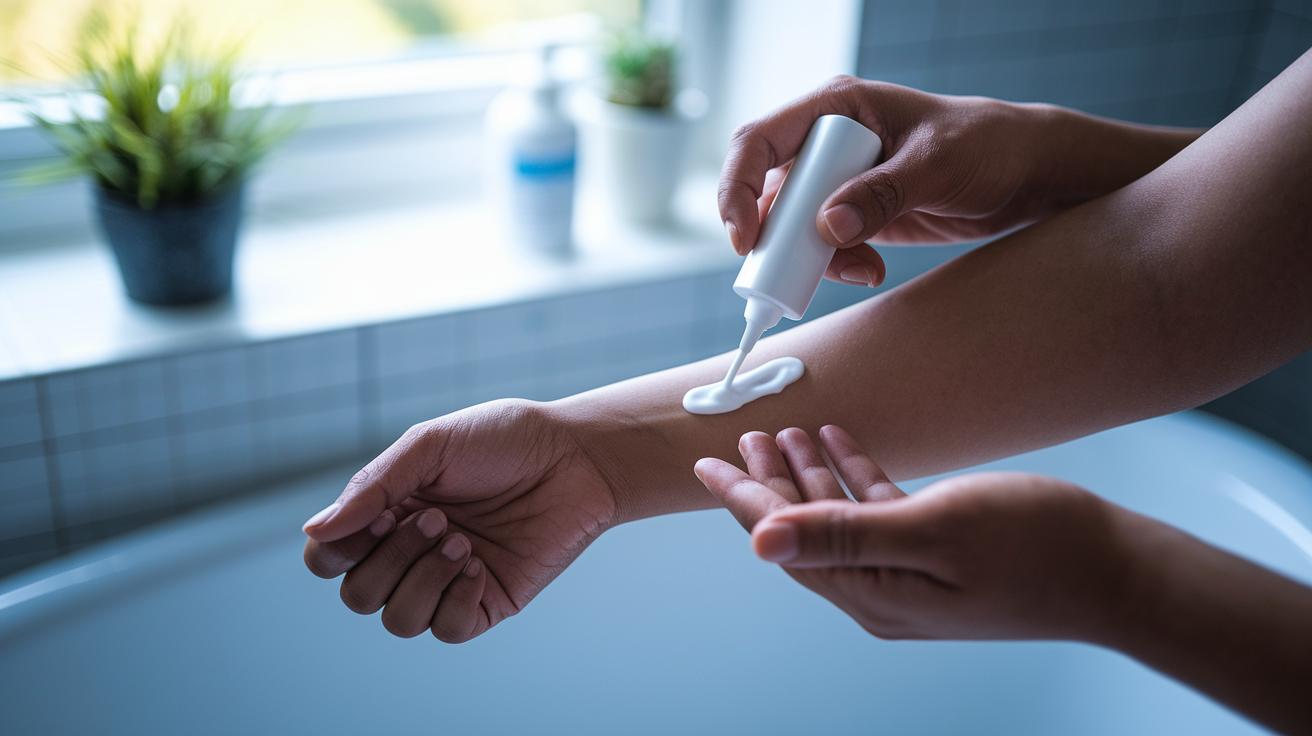
Quick take: Over-the-counter treatments can offer fast relief from poison ivy, but if your symptoms worsen, act now.
Triage Box:
If you have any of these emergency signs, call emergency services immediately:
- Trouble breathing or swelling of your face or throat
- Rash that spreads quickly or covers a large area
- Severe pain, fever, or pus from blisters
Over-the-counter remedies work by cooling your skin, reducing swelling, and easing the itch as your body heals over 1 to 3 weeks. They calm inflammation and soothe irritation right from the start.
Here’s what you can try:
- Calamine lotion with zinc oxide gives a cooling effect. Rinse and reapply every 6 to 8 hours on clean, uncovered skin.
- 1% Hydrocortisone cream (a mild steroid that lowers inflammation) can be used 2 to 3 times a day for up to 1 week.
- Oral antihistamines, such as Benadryl or Zyrtec, help ease the itch, especially when taken at night.
- Aluminum acetate compresses (a diluted solution applied with a clean cloth) work to dry out weeping blisters and calm irritation when used for 15 to 30 minutes.
- Gentle cleansers remove irritants without harsh rubbing to keep your skin clean and calm.
You might find that rotating these treatments offers better overall relief if one option seems less effective. Keep a close eye on your rash. If you notice increased redness, spreading blisters, or ongoing discomfort, contact your clinician immediately. These treatments are here to ease your symptoms while your skin gradually heals.
Monitoring Symptoms and Identifying Red Flags in Poison Ivy Rashes
Quick take: Keeping a close eye on your rash can help you act fast if it worsens.
If you start treating a poison ivy rash at home, tracking your symptoms is key. Most rashes stay mild to moderate and clear up in 1–3 weeks. Yet, you must watch out for changes because some signs mean you need to act quickly. Keep a simple diary noting any new redness, extra swelling, or changes in pain. This log helps you decide if you should get medical help.
If you notice any of these red flags, seek help right away:
| Red Flag |
|---|
| Widespread rash |
| Rash on your face or genitals |
| Infected blisters |
| Fever |
| Severe pain |
| Healing takes longer than 3 weeks |
Write down when these symptoms start and how they change over time. Acting fast lets your healthcare provider step in early, keeping your treatment on track and stopping complications before they grow. This approach balances safe home care with the need to get urgent help when necessary.
Preventing Future Poison Ivy Exposure and Flare-Ups
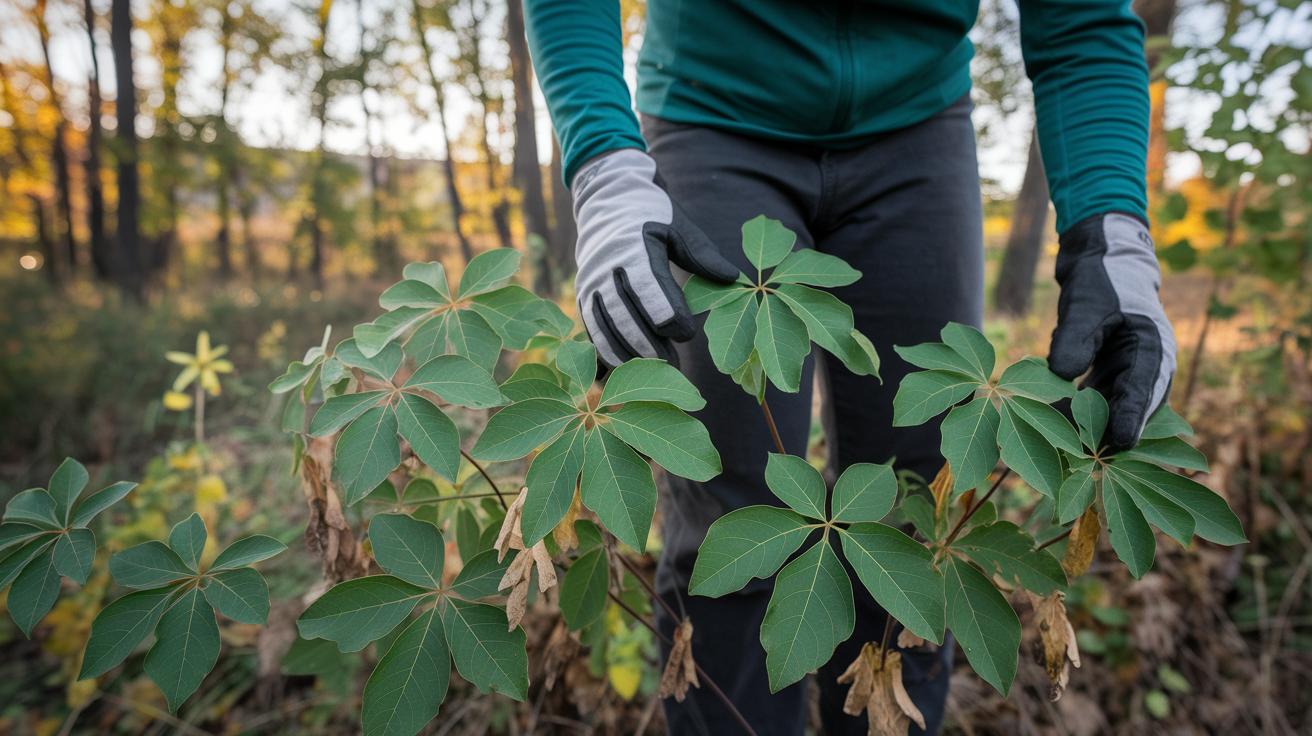
Quick take: Avoid poison ivy and its oil to keep painful rashes at bay.
If you see skin irritation signs like redness or swelling after outdoor work, act now. Follow these tips to reduce your chance of contact with poison ivy oil (urushiol):
• Learn to recognize the plant’s three-leaf clusters, which may turn red in fall.
• Wear long sleeves, gloves, and pants when you work outside.
• Apply barrier products like IvyBlock on your skin when you’re in areas where poison ivy grows.
• Rinse your skin with water and soap right away after any possible contact.
• Wash work clothes separately to remove any traces of the oil.
• Clean tools and bathe pets after outdoor activities to prevent the oil from spreading.
Taking these steps can help keep your family safe and your skin healthy. Stay alert when outdoors and use these everyday measures to reduce the risk of poison ivy flare-ups.
Building a Home Poison Ivy First-Aid Kit
A ready first-aid kit for poison ivy can help you act fast and ease irritation. Keep your kit where you can grab it quickly, such as your medicine cabinet or a designated drawer. When you notice redness or a rash, use the supplies immediately to lessen your symptoms.
Your kit should include:
• Soap (to wash off urushiol oil)
• Calamine lotion (to cool and soothe itchy skin)
• Hydrocortisone cream (to reduce swelling)
• Colloidal oatmeal (to calm irritated skin)
• Baking soda (to help dry out weeping blisters)
• Clean washcloths (to apply cool compresses)
• Antihistamine tablets (to ease allergic reactions)
Check your kit often and replace expired items. This way, you'll always be ready to reduce discomfort and support your skin’s recovery when poison ivy strikes.
| Item | Purpose |
|---|---|
| Soap | Removes urushiol oil from skin |
| Calamine lotion | Soothes itch and cools skin |
| Hydrocortisone cream | Reduces inflammation |
| Colloidal oatmeal | Calms irritated skin |
| Baking soda | Helps dry out weeping blisters |
| Washcloths | Assists in applying cool compresses |
| Antihistamines | Eases allergic reactions |
By reviewing your kit regularly, you stay prepared to treat poison ivy quickly and confidently.
Final Words
In the action, this guide gives you clear steps, from prompt washing and cool compress use to natural and OTC remedies, to ease a poison ivy rash. It explains how to spot warning signs, prepare a first-aid kit, and prevent future flare-ups.
By following these directions, you can manage your symptoms safely. Always keep an eye on red flags and use proper home treatment of poison ivy to speed healing. Stay calm and confident in taking care of your skin.
FAQ
How to get rid of poison ivy rash overnight, in one day, and what clears up poison ivy fast?
The approach to clear poison ivy quickly involves prompt washing, cooling compresses, and soothing remedies. These steps remove urushiol oil and help reduce inflammation and itching for fast relief.
What are natural remedies for poison ivy?
Natural remedies for poison ivy include colloidal oatmeal baths, aloe vera gel, and cool compresses. These methods help calm itching and reduce swelling through simple, home-based care.
What do poison ivy rash pictures show?
Poison ivy rash pictures typically show red, streaky bumps or blisters with swelling. These images help you identify the rash, so you know when to use home treatments and monitor its progress.
What does poison ivy rash treatment involve?
Poison ivy rash treatment involves cleaning the skin quickly, using cool compresses, and applying soothing creams or lotions like calamine and hydrocortisone. These measures help reduce inflammation and control discomfort.
What is the best antibiotic for poison ivy?
The best antibiotic for poison ivy does not exist because the rash is caused by an allergic reaction to urushiol, not by bacteria. Antibiotics are only needed if a secondary infection occurs.
How do poison ivy rash stages progress?
Poison ivy rash stages progress from initial redness and itching to bump formation and blistering, then eventually begin to heal. Recognizing these stages helps in monitoring and managing the condition.
Is poison ivy contagious?
Poison ivy is not contagious. The rash itself cannot spread from person to person, though the urushiol oil must be removed promptly to prevent further skin reactions.
Is Dawn dish soap good for poison ivy?
Dawn dish soap can be effective at removing urushiol oil from the skin when used soon after exposure. Its gentle cleansing helps minimize the spread and severity of the rash.
How should poison ivy rash be treated in kids?
Treating a poison ivy rash in kids involves gentle washing, cool compresses, and applying kid-friendly soothing remedies. If the rash worsens or signs of infection appear, consult a pediatrician promptly.
Can you get rid of poison ivy without going to the doctor?
Many cases of poison ivy can be managed at home with prompt washing, cooling compresses, and over-the-counter remedies. However, seek medical advice if the rash spreads extensively or shows signs of infection.