
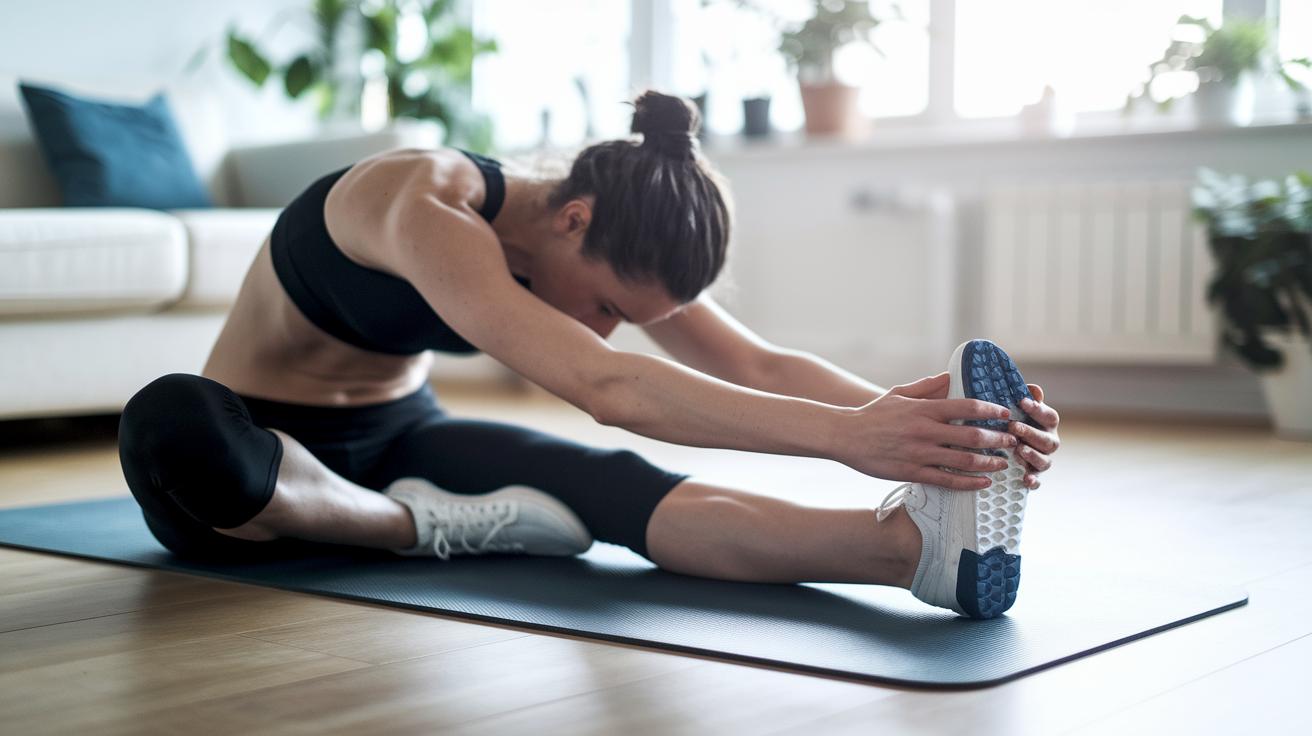

Quick Take: Gentle movement may help ease mild muscle soreness. If you experience sharp pain, significant swelling, or intense discomfort, seek medical advice right away.
Active recovery for delayed onset muscle soreness (DOMS) means you don’t always have to rest in one spot. You might think that easing muscle soreness means staying still, but light movement like walking or swimming can speed up healing. When you move gently, your muscles circulate fresh blood, which helps clear out waste and bring in nutrients needed for repair.
Try a low-intensity activity soon after your workout. Keep your pace slow and steady. Listen to your body and stop if the pain becomes worse. This approach not only helps reduce soreness but may also get you feeling better faster.
Active Recovery and How It Eases DOMS
Quick take: Muscle soreness (DOMS) is a normal sign of muscle repair, and gentle movement can help you recover faster.
Triage box:
- If you feel sharp pain that limits your movement, call emergency services now.
- If swelling, numbness, or severe weakness occur, seek urgent medical help.
- For most cases of mild, aching pain, try self-care with gentle activity.
Delayed onset muscle soreness shows up 24–48 hours after a new or tough workout. It happens because your muscles are healing tiny tears from exercise stress. That aching feeling means your muscle fibers are getting stronger. For example, if you start brisk walking after not moving much, you might notice a light, achy pain as your body adjusts.
Active recovery means doing low-intensity exercises like walking, swimming, yoga, or cycling. These activities boost blood flow without overworking your muscles. More blood flow helps remove waste and brings in the nutrients your muscles need to repair. This method lowers swelling and helps you recover faster, so you can get back to your regular workouts with less discomfort.
Active Recovery Exercises to Combat Muscle Soreness
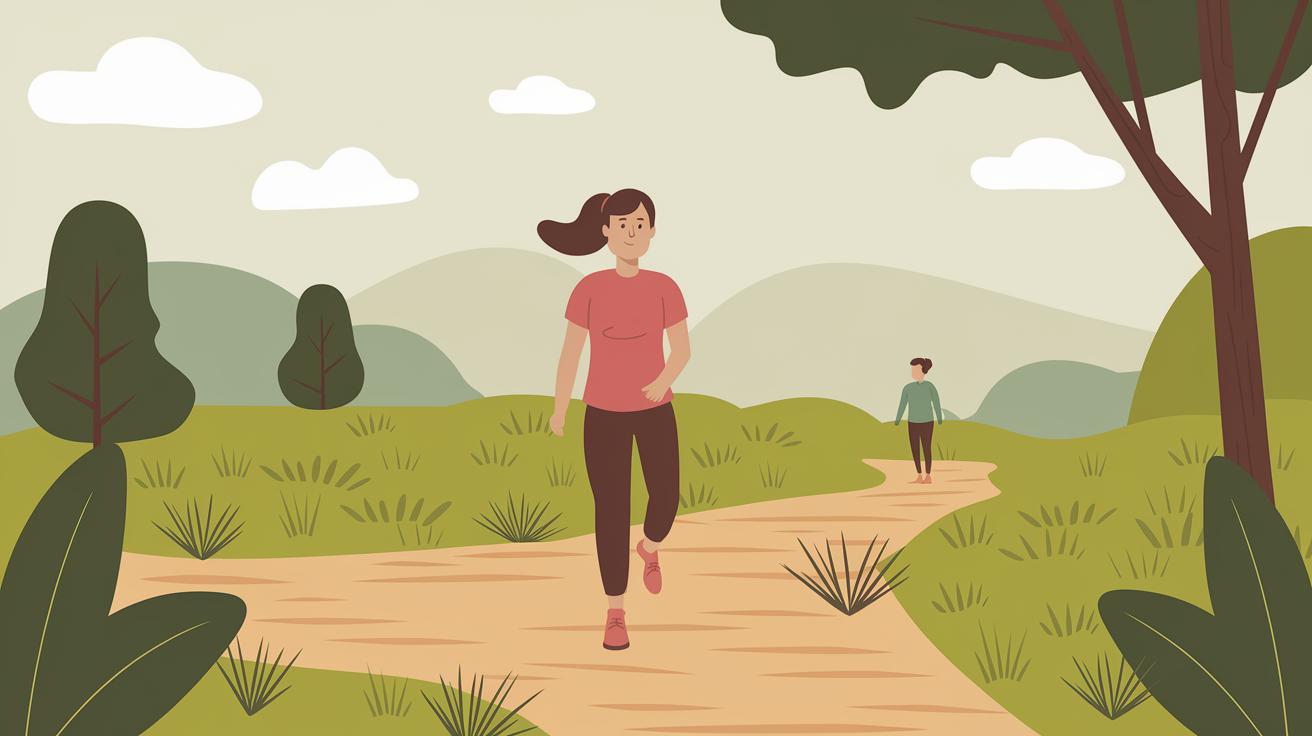
Quick take: Low-impact exercise can ease muscle soreness by boosting blood flow and gently working your muscles.
If you notice any sudden, sharp pain or swelling that gets worse with movement, stop and talk to your clinician right away.
Muscle soreness often happens after a tough workout or trying something new. Here are some simple exercises to help:
• Walk briskly for 30 minutes. Walking helps flush out lactic acid and relax tight muscles.
• Bike on a flat route for 30 minutes. This steady activity keeps your heart rate low and improves circulation.
• Use an elliptical for 30 minutes. The smooth, low-impact motion eases joint stress.
• Row for 20–30 minutes. A controlled, full-body workout can help ease stiffness.
• Swim for 30 minutes. Swimming works your muscles without putting pressure on your joints.
• Do a resistance band circuit. Try moves like banded bridges, lateral band walks, external rotations, and reverse flies. Do 12–15 reps of each exercise over 1–3 sets at a slow 4-2-1 pace to support circulation and gently strengthen muscles.
Pick the activities you enjoy. Adjust the time or effort to match your workout history and how sore you feel. Consistency and a gentle pace are key to a smooth recovery.
Stretching, Foam Rolling, and Myofascial Release for DOMS
Quick take: These self-care steps can help ease normal post-workout muscle soreness. If you have sudden, severe pain (8/10 or higher) or notice swelling and trouble moving, seek medical help.
Common causes of delayed muscle soreness include tight muscles and minor adhesions. These techniques boost flexibility and blood flow while easing discomfort.
• Foam roll calves: Find areas that feel tender (around 7/10 pain). Gently roll over these spots for 30 seconds up to 2 minutes to ease lower leg tension.
• Foam roll hip flexors: Roll the front of your hips for 30 seconds on each side. This can help if prolonged sitting or intense exercise makes you feel stiff.
• Foam roll chest: Apply light pressure on your pectoral muscles for 30 seconds to 1 minute to reduce tightness.
• Stretch your hamstrings: Do a seated or standing stretch and hold for 30 to 60 seconds on each side to improve leg flexibility.
• Try a gentle yoga pose: Get into child’s pose for 30 to 60 seconds to relax your back and shoulders.
• Do dynamic leg swings: Swing each leg in a controlled way for 10 to 15 repetitions to warm up your muscles and boost circulation.
Mix these moves with gentle recovery like a light walk or slow cycling. Track your progress by noting the date, time, pain level, and any changes in how your muscles feel.
Building an Active Recovery Routine After Workouts

Quick take: A brief cool-down helps your heart and muscles recover safely after a workout.
Triage box:
• If you feel sharp pain, dizziness, or your heart beats irregularly, stop and seek medical advice.
• If you experience unusual tightness or weakness, let a trusted coach or clinician know.
• For minor discomfort or stiffness, use gentle movement and monitor your symptoms.
Right after you finish your workout, spend 6–10 minutes doing light moves like a calm walk or slow cycling. This light activity helps bring your heart rate back to normal and keeps blood flowing. It also stops your muscles from getting too stiff. For instance, a calm five-minute walk after a tough session can really help.
Plan your week by adding active rest days between hard training sessions. On these days, stick to gentle activities such as light walking, yoga, or easy biking. This keeps your heart rate at about 30–60% of your maximum and helps your muscle groups recover well.
Keep a simple recovery log. Write down the date, how long you cool down, and note how your body feels afterward. Mark any changes in soreness or energy levels. This log will guide you to tweak your routine and make sure you balance work and rest properly.
Nutrition, Hydration, and Other Techniques to Support Active Recovery and Reduce Soreness
Quick take: Staying hydrated, eating well, and using simple recovery techniques can help ease muscle soreness after a workout.
Triage Box:
• Call emergency services if you have severe, worsening pain or signs of infection.
• Seek urgent care if the pain is sharp, new, and does not improve with rest.
• For mild soreness, try these self-care steps.
Drinking plenty of water and eating nutrient-rich foods help your muscles repair after a tough workout. Keep water with you throughout the day to flush out waste and keep muscles moist. Include lean proteins (like chicken or fish), whole grains (such as brown rice or quinoa), and anti-inflammatory foods like berries and fatty fish in your meals. These foods give your muscles the building blocks they need to heal and reduce soreness.
Contrast hydrotherapy is an easy way to lower inflammation. Start with a cold pack on the sore spot for about 15–20 minutes to reduce swelling and tighten blood vessels. Then, switch to heat for another 15–20 minutes to relax your muscles and boost blood flow. Alternating cold and heat can relieve discomfort without overloading your muscles.
Massage, foam rolling, and over-the-counter pain relievers might also help you feel better. Rolling a foam roller over muscles like your calves, hip flexors, or chest can ease tension and improve circulation. A short self-massage or a visit to a professional sports massage therapist may help lessen stiffness. You might also try using a pain reliever such as ibuprofen or acetaminophen for temporary relief, but use them only as directed by a professional.
Finally, getting enough sleep is a key part of recovery. Aim for 7–9 hours of sleep each night. A full night’s rest not only helps repair muscle damage but also assists in controlling inflammation and balancing hormones, setting you up for a better workout next time.
When Active Recovery May Not Be Appropriate for DOMS
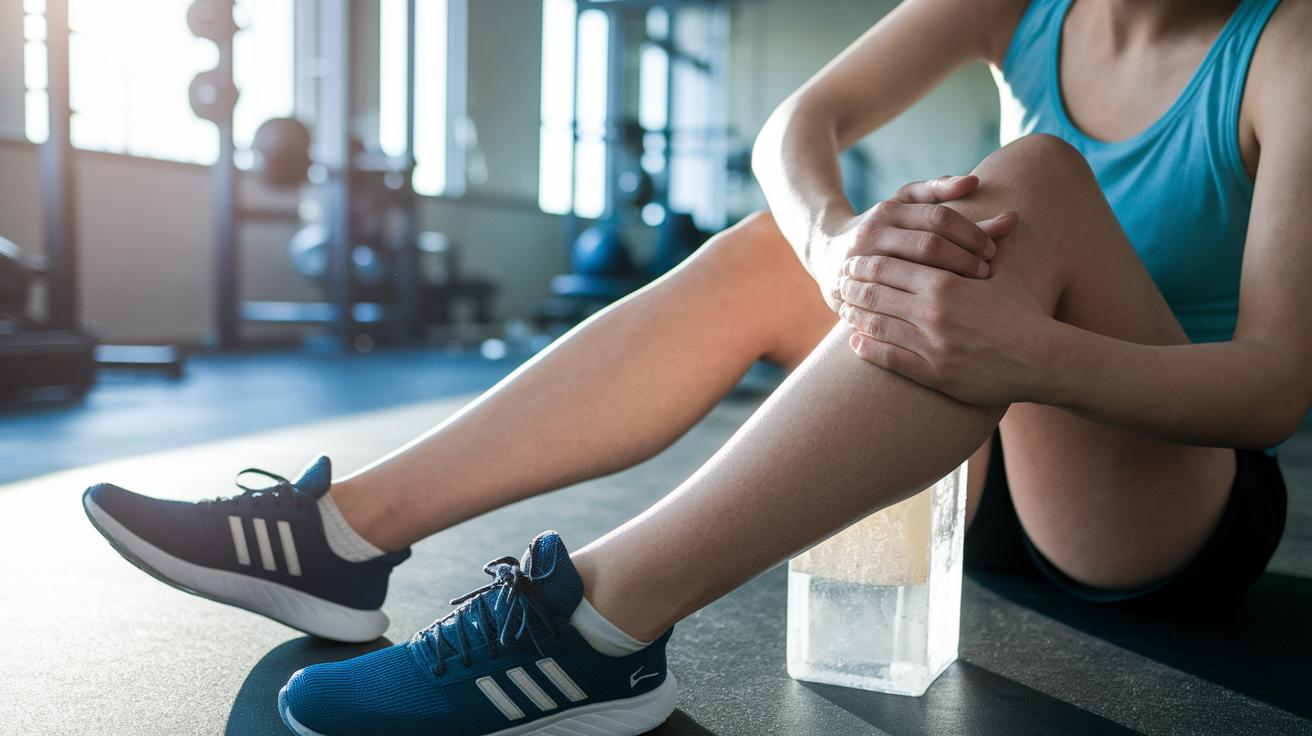
If you feel a sharp pain when you move, heavy swelling, numbness, or bruising that stops you from moving normally, stop your activity immediately. A normal muscle ache after exercise is usually a dull, all-over soreness, while a muscle strain or tear often gives a quick, sharp pain. When you see these warning signs, seek a professional evaluation right away to check whether your pain is just normal soreness or something more serious. Until you get the all-clear, try gentle stretching or take complete rest.
Scientific Evidence for Active Recovery in Managing DOMS
Active recovery means doing easy movements after hard workouts. It helps your blood flow better so oxygen and nutrients reach your muscles, and it helps clear out waste from exercise. This process supports your body’s balance (homeostasis) and speeds up muscle healing.
Studies show that mild activities like an easy bike ride or a gentle walk can lower signs of muscle damage and lessen swelling. In other words, light exercise helps your body remove waste faster and repair your muscles more quickly.
After a tough workout, try adding 10 to 20 minutes of light cardio or dynamic stretches. For example, a brisk 15-minute walk or some easy cycling might ease your soreness and get your muscles ready for the next session.
Final Words
In the action of easing muscle soreness, we explored how DOMS signals muscle adaptation and how gentle movement encourages healing. The post broke down practical steps for incorporating low-impact exercises, stretching, hydration, nutrition, and proper recovery routines. You learned how to spot red flags and when to pause active recovery, ensuring safety alongside progress.
Remember, active recovery for DOMS (muscle soreness) can help you bounce back stronger. Small, steady steps make all the difference. Stay focused and recover smartly.
FAQ
Is DOMS a sign of muscle growth?
The presence of DOMS signals that your muscles are adapting to new challenges. While it can indicate strength-building efforts, muscle growth depends on consistent training and proper recovery rather than soreness alone.
How does active recovery help with DOMS muscle soreness?
Active recovery eases DOMS by gently boosting blood flow, reducing inflammation, and promoting nutrient delivery to muscles through low-intensity exercises like walking or cycling.
What is delayed onset muscle soreness recovery?
Delayed onset muscle soreness recovery refers to managing muscle pain that peaks 24–48 hours after exercise. Recovery often involves gentle stretching, light cardio, and ensuring proper hydration and nutrition.
Is delayed onset muscle soreness good?
Delayed onset muscle soreness is a natural sign that your muscles are adapting to exercise. It signals that your body is working to repair and strengthen muscle tissue after a tough workout.
How can one avoid delayed onset muscle soreness?
Avoid DOMS by gradually increasing workout intensity, using a proper warm-up and cool-down, staying well-hydrated, and integrating low-intensity activities to help muscles recover between sessions.
How do DOMS and regular muscle soreness differ?
DOMS specifically refers to muscle pain that occurs 24–48 hours after exercise, while regular muscle soreness may happen immediately post-workout. Timing and underlying muscle repair processes set them apart.
What are common treatments for DOMS?
Common DOMS treatments include engaging in active recovery, stretching, foam rolling, staying hydrated, and consuming nutritious foods to reduce inflammation and speed up muscle repair.
What are symptoms of delayed onset muscle soreness?
Symptoms include muscle stiffness, tenderness, reduced range of motion, and sometimes mild swelling that typically peaks 24–48 hours after intense exercise.
Can active recovery help DOMS?
Active recovery helps DOMS by promoting gentle circulation, which aids in clearing metabolic waste and delivering nutrients to muscles, thereby supporting faster healing and reduced discomfort.
How can you speed up DOMS recovery?
Speed up DOMS recovery by incorporating low-intensity exercises, proper stretching, foam rolling, and ensuring you stay hydrated with a balanced diet to support muscle repair.
How do you treat sore muscles in children?
Treating sore muscles in children involves ensuring they rest, perform gentle stretches, stay hydrated, and participate in low-impact activities; consult a pediatrician if symptoms persist or worsen.
Is it okay to work out while muscles are still sore?
It’s acceptable to exercise with mild muscle soreness if you focus on low-impact or active recovery activities. Avoid high-intensity workouts until the soreness lessens to prevent potential injury.