
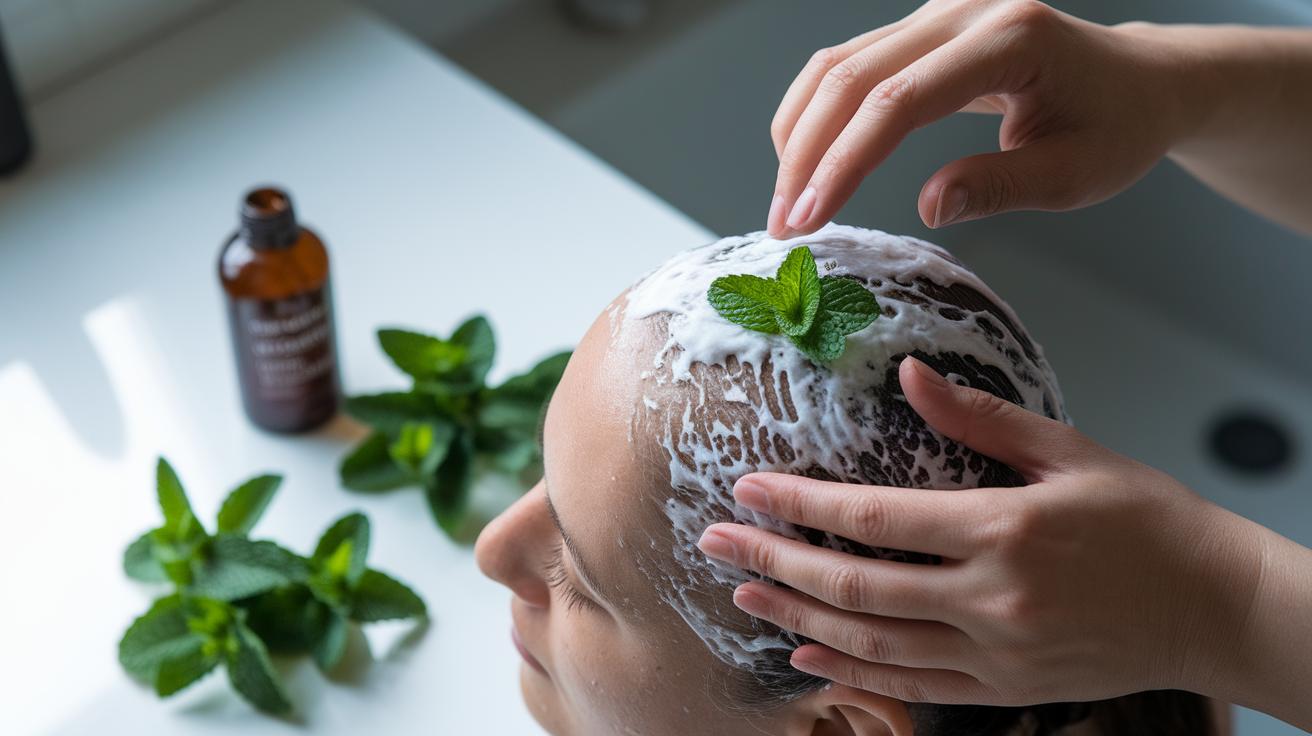

Quick take: Ease your itchy scalp at home using simple, natural steps.
Triage Box:
If you have severe pain, open sores, or fever, call emergency services now.
If your symptoms are mild, try these self-care tips.
Your itchy scalp might be eased with remedies you can make from everyday items. You may already have ingredients like apple cider vinegar and peppermint tea. These remedies help calm irritation and bring balance back to your skin.
Here’s what you can do at home:
• Mix apple cider vinegar with water (about equal parts) and gently rinse your scalp.
• Brew peppermint tea, let it cool, and apply it to your scalp.
• Let the remedy sit for a few minutes before rinsing thoroughly.
Keep a simple tracker:
• Note the time you apply the remedy.
• Record any changes in itchiness (mild, moderate, or severe).
• If your symptoms do not improve in 3 days or get worse, reach out to your healthcare provider.
These steps are easy to follow and might help you avoid harsh chemicals while finding relief. Remember, mild signs can often be managed at home, but severe symptoms deserve a medical look.
Quick Natural Relief: Step-by-Step Home Remedies for Itchy Scalp
Quick take: These simple remedies may calm your itchy scalp fast.
If you notice swelling, severe pain, or signs of infection like pus or fever, seek medical help immediately.
Here are five easy at-home steps to soothe your scalp:
• Apple cider vinegar rinse: Mix equal parts apple cider vinegar and warm water. Rinse your scalp with this mixture after shampooing to help balance pH and ease irritation.
• Warm coconut oil massage: Warm 1–2 tablespoons of coconut oil. Gently massage it into your scalp for about 20 minutes. This adds moisture and relieves dryness.
• Peppermint tea rinse: Steep two peppermint tea bags in 1 cup of hot water. Let the tea cool completely, then pour it over your scalp. It gives a cooling, soothing sensation.
• Tea tree oil boost: Add around 10 drops of tea tree oil to your shampoo or coconut oil. Massage it in gently to take advantage of its natural germ-fighting (antiseptic) properties.
• Aloe vera gel application: Apply fresh aloe vera gel directly on your scalp. This helps reduce redness and itching.
Identifying Common Triggers Behind an Itchy Scalp
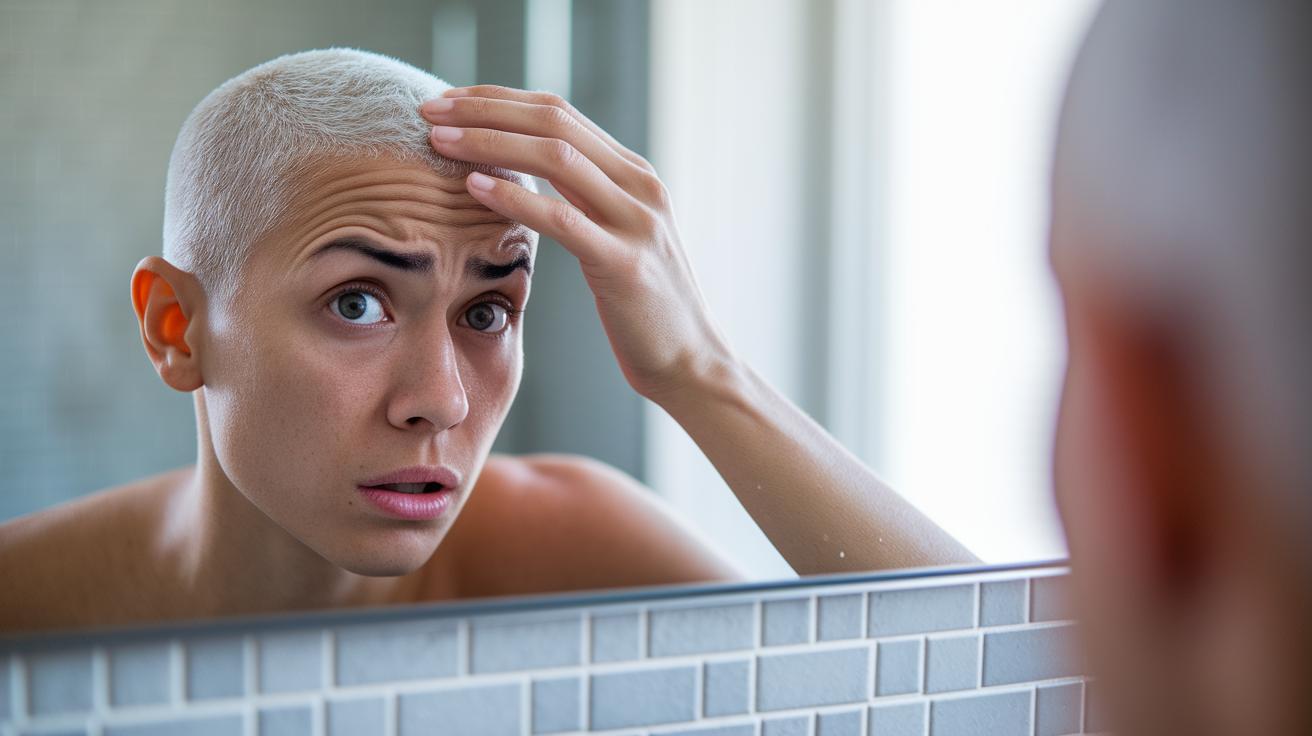
Your itchy scalp can result from different causes. It might come from conditions like seborrheic dermatitis (a skin condition that causes red, flaky patches), psoriasis (a condition marked by scaly, irritated skin), fungal infections, or even dandruff. Dry scalp is another common reason. Cold weather, low humidity, or washing your hair too often can strip away natural oils, leaving your skin tight and more prone to irritation.
Allergic reactions can also stir up discomfort. Ingredients like sulfates, fragrances, or preservatives in hair care products may inflame your scalp and intensify itching, sometimes leading to redness and flaking.
Other skin conditions such as eczema (a condition causing red, itchy, and inflamed skin) or psoriasis can make your scalp even more sensitive to triggers. Knowing what sets off your itching is the first step toward finding relief.
Here are some steps you can take at home:
- Check your shampoo and conditioner for harsh chemicals.
- Keep track of how often you wash your hair.
- Watch for changes in your scalp when the weather shifts.
Understanding both the medical and environmental factors can help you choose the right home care routine for managing dandruff and soothing scalp itch, giving you better relief from dryness.
Supplementary DIY Scalp Treatments: Detailed Recipes & Comparisons
These home recipes are here to help calm an itchy scalp using items you likely have at home. They use simple mixes and easy steps to balance your scalp and ease irritation. Below is a table that shows each recipe's ingredients, how to use it, and how often you should use it so you can choose one that fits your routine.
| Remedy | Ingredients & Ratio | Method | Frequency |
|---|---|---|---|
| Apple Cider Vinegar Rinse | Mix 1 part apple cider vinegar with 1 part water | After shampooing, pour slowly over your scalp, wait 2-3 minutes, then rinse off | 2-3 times per week |
| Coconut Oil Massage | 1-2 tablespoons coconut oil | Warm the oil, massage into your scalp for about 20 minutes, then wash it out with shampoo | 1-2 times per week |
| Peppermint Tea Rinse | Steep 2 tea bags in 1 cup of hot water | Let steep for 15 minutes, cool down the tea, then apply it to your scalp and rinse off | 1-2 times per week |
| Shikakai Paste | 2 tablespoons shikakai powder mixed with water | Mix to create a paste, apply it to your scalp for 15-20 minutes, then rinse thoroughly | Once per week |
| Amla Powder Mask | 2 tablespoons amla powder mixed with water | Create a thin paste, apply over your scalp for 15-20 minutes, then wash off | Once per week |
| Oatmeal Soothing Mask | ¼ cup oats blended with water | Blend into a smooth paste, spread it on your scalp for 20 minutes, then rinse out | 1-2 times per week |
Each recipe targets different needs. The apple cider vinegar rinse helps restore the scalp’s natural pH and gently lifts away buildup. Coconut oil adds moisture and nutrients to soothe dryness. Peppermint tea has a cooling effect that can reduce irritation. Shikakai is known for its natural cleansing, which can help with mild inflammation. The amla powder mask is good for strengthening hair and providing antioxidants. Finally, the oatmeal mask calms the skin thanks to its natural anti-inflammatory benefits.
Be sure to follow the instructions carefully. Test any treatment on a small patch of skin first to check for any reactions. If you notice increased sensitivity, you might want to adjust how often you use the remedy. Pair these treatments with gentle hair care to help keep your scalp calm and balanced.
Gentle Exfoliation and Scalp Care Techniques at Home
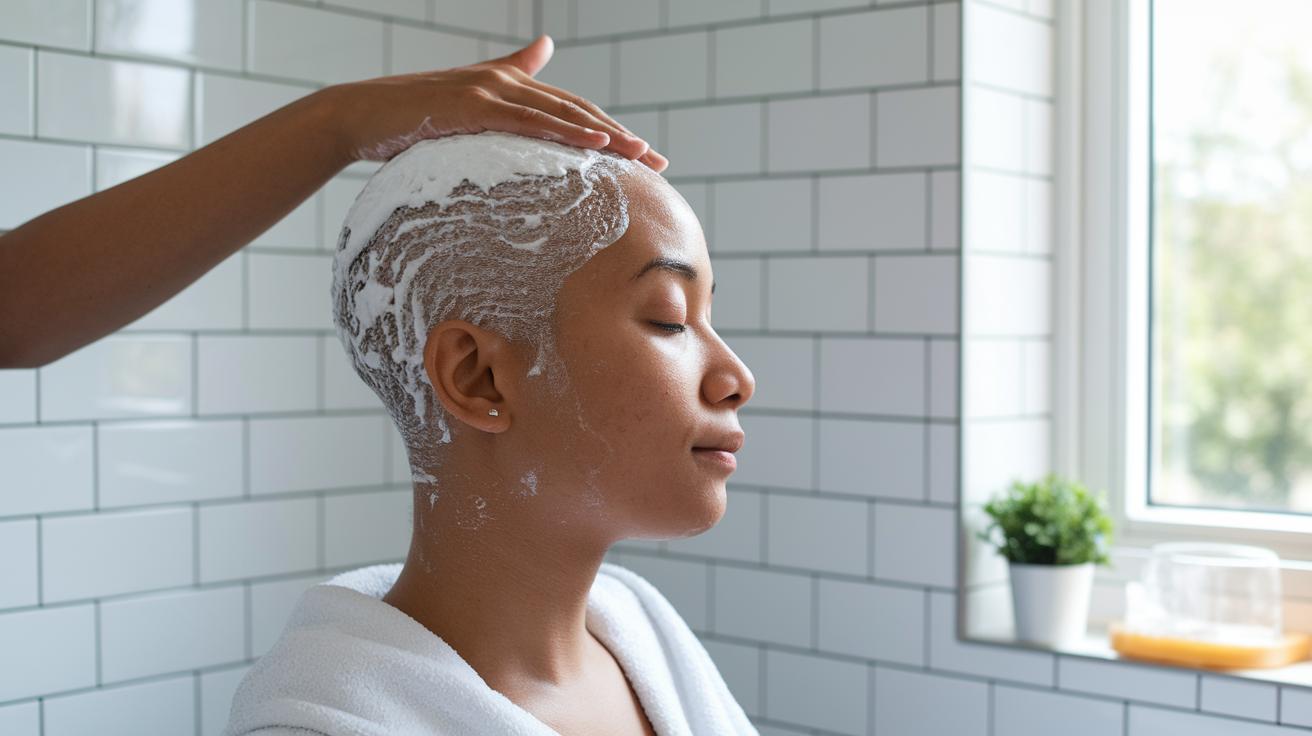
Quick tip: Use gentle, regular treatments to clear buildup and boost scalp health. If you notice redness, burning, or increased itchiness, ease up or stop the treatment and check with a clinician if needed.
Baking Soda Exfoliation
• Baking soda helps remove dead skin and buildup that can cause itching and flakes.
• Mix 1 tablespoon of baking soda with just enough water to make a paste.
• Gently massage the paste into your scalp for 1–2 minutes.
• Rinse thoroughly.
• Try this once or twice a week to refresh your scalp without over-scrubbing.
Salicylic Acid Shampoo
• This type of shampoo (which contains salicylic acid) dissolves dead skin and clears clogged pores.
• Use it daily or several times a week based on how severe your symptoms are.
• It works to help your scalp renew itself while keeping its natural balance.
Mineral Oil or Lemongrass Shampoos
• Shampoos with mineral oils or lemongrass are also a good choice.
• When using lemongrass oil, add 2 drops per wash.
• Use these shampoos 2–3 times a week.
• They help loosen flakes and lock in moisture for extra hydration.
Scalp Massage
• Regular massages with your fingertips can boost blood flow and distribute natural oils evenly.
• A gentle massage can also ease tension and prepare your scalp for moisturizing.
• Always watch your scalp’s response. If you feel discomfort or see redness, reduce how often you massage.
Remember, gentle care is key. Consistent, mindful treatments can improve your scalp health and help prevent future irritation.
Prevention Strategies and Daily Routines to Maintain a Healthy Scalp
Taking care of your scalp every day can help stop itchiness before it starts. Use a gentle, sulfate-free shampoo with zinc pyrithione or selenium sulfide. These ingredients slow yeast growth and help remove build-up. Once a week, rinse with diluted apple cider vinegar to keep your scalp pH balanced and ease irritation.
You can also try a cool green tea rinse. Green tea has antioxidants and mild tannins that soothe your skin. This rinse hydrates your scalp naturally and helps control dandruff.
A healthy diet is important too. Eating foods rich in zinc, vitamin B, and healthy fats gives your scalp the nutrients it needs to repair itself. Cutting down on heat styling and tight hairstyles can also reduce irritation.
A simple daily fingertip massage goes a long way. These light strokes boost blood flow, spread natural oils, and strengthen your scalp’s barrier.
Everyday habits to ease scalp itch:
- Use a gentle, sulfate-free shampoo.
- Rinse weekly with diluted apple cider vinegar.
- Try a cool green tea rinse.
- Eat a nutrient-rich diet.
- Massage your scalp lightly every day.
Small changes in your routine can help keep your scalp calm and balanced. Stick with these simple steps to protect your scalp and feel more comfortable every day.
When to Seek Professional Help for Persistent Scalp Itching
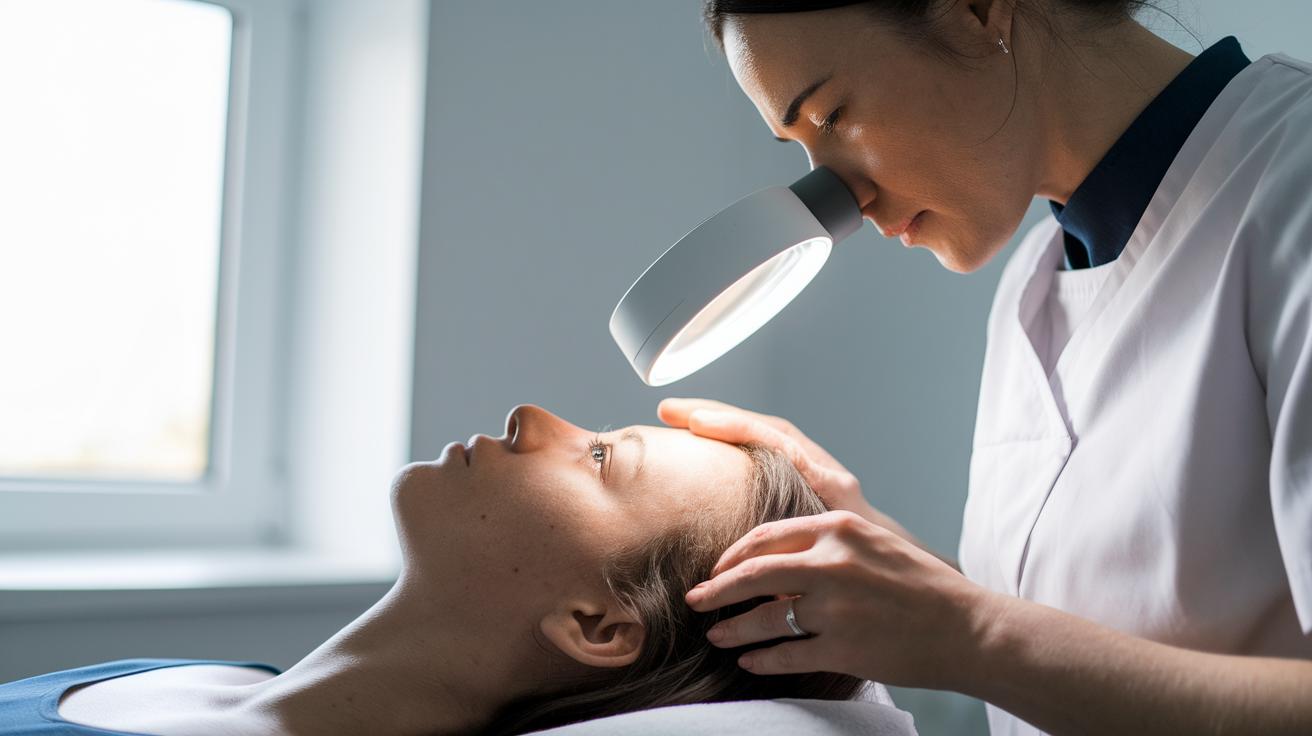
Quick Take: A scalp itch that lasts more than 1 week or shows red flag signs needs a doctor’s look.
Triage Box:
If you notice any of these signs, call for professional help:
- Scalp inflammation, severe redness, blistering, or hair loss
- Open sores, bleeding, swelling, or signs of infection like oozing
Summary:
At-home remedies can offer temporary relief for an itchy scalp. However, if the itch persists beyond 1 week or you see changes like inflammation, severe redness, blistering, or hair loss, it might be more than a simple irritation. Skin conditions such as psoriasis (a long-term skin issue), bacterial infections, or fungal infections may not clear up with home care alone. These conditions often need specific treatments such as prescription-strength shampoos, steroid creams, or even systemic medications.
What to Do Now:
- Monitor your symptoms closely.
- Write down when the itch started and any changes you notice.
- List other signs such as swelling, open sores, bleeding, or oozing.
- Contact a board-certified dermatologist for an evaluation if symptoms continue or worsen.
Tracking Your Symptoms:
| Date/Time | Symptom Noted | Severity (Mild/Moderate/Severe) | Notes/What Helped |
|---|---|---|---|
| Example: MM/DD/YYYY 10:00 AM | Persistent itch with redness | Moderate | Noticed after shower |
Next Steps:
A dermatologist can diagnose the issue and start the right treatment quickly, which can prevent complications and keep your scalp healthy. Acting soon on these symptoms helps ensure you get the focused care you need.
Final Words
In the action, you learned key strategies to soothe an irritated scalp with natural solutions. You reviewed simple home remedies like apple cider vinegar rinses, warm coconut oil massages, and tea tree oil boosts. You also discovered how to spot triggers and strengthen your scalp care routine with gentle exfoliation and prevention tips. If symptoms continue, consult a medical professional right away. Finding an effective home remedy for itchy scalp can bring quick relief and set you on the path to lasting comfort.
FAQ
What are the best home remedies for an itchy scalp?
The best home remedies include apple cider vinegar rinse, coconut oil massage, peppermint tea rinse, tea tree oil boost, and aloe vera gel. These natural treatments soothe irritation, reduce buildup, and calm inflammation for quick relief.
How do home remedies help scalp itching related to hair loss?
Home remedies may reduce scalp inflammation and dandruff that can lead to hair loss. Treatments like coconut oil massage and tea tree oil help nourish hair follicles while calming irritation and controlling flaking.
How does apple cider vinegar help treat an itchy scalp?
Apple cider vinegar helps balance scalp pH, reduce inflammation, and eliminate dandruff-causing fungi when diluted. This rinse soothes itch and refreshes the scalp for lasting relief.
Why might my scalp itch severely?
A severely itchy scalp may result from conditions like dandruff, psoriasis, or reactions to hair products. Dry air and overwashing can also strip natural oils, triggering intense irritation and discomfort.
What stops scalp itching fast with home remedies?
Fast relief from scalp itching can occur with a peppermint tea rinse or diluted apple cider vinegar. Both quickly cool the scalp, reduce inflammation, and calm irritation for immediate comfort.