
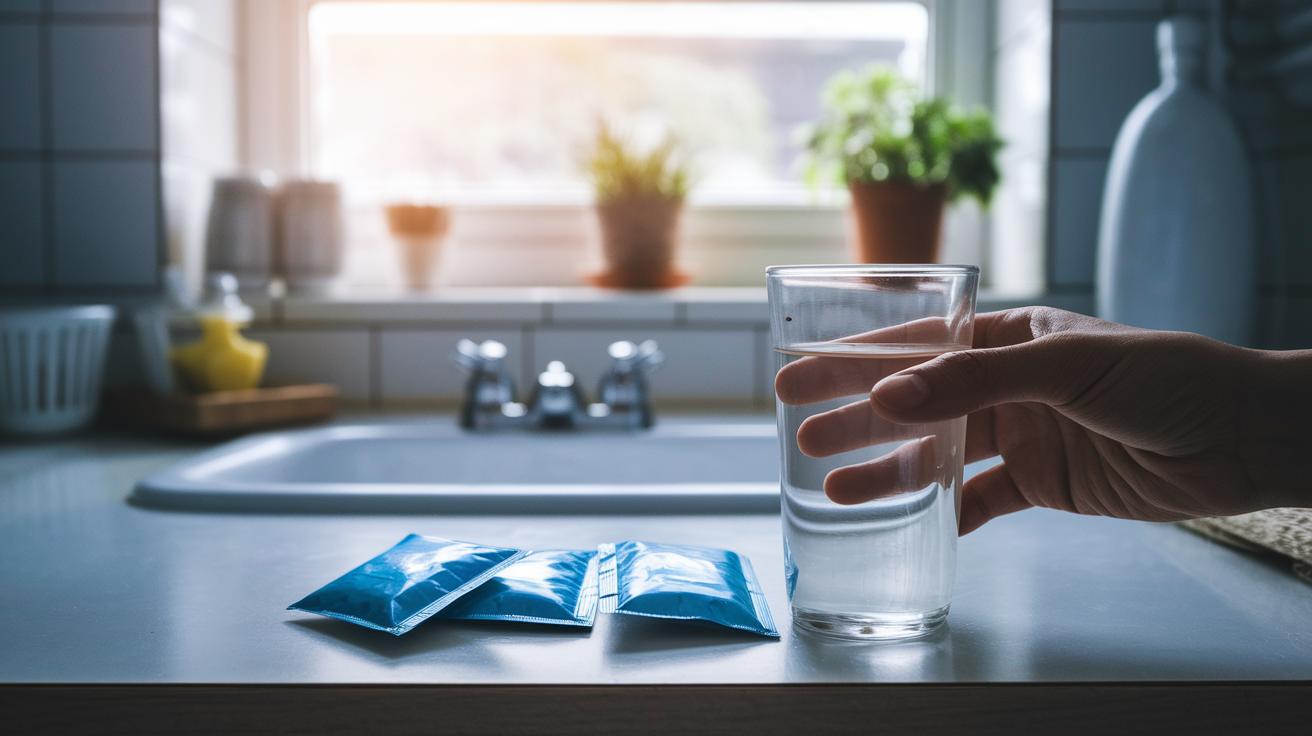

Quick Take: Most cases of diarrhea can be managed at home with simple care.
If you have any of these emergency signs, call emergency services now:
• Severe belly pain
• Feeling very weak or dizzy
• Blood in your stool
• High fever above 102 F
• Symptoms lasting more than 3 days
What to Do Now:
• Drink plenty of fluids. Staying well-hydrated is key.
• Place a warm cloth on your belly to ease discomfort.
• Eat soft, bland foods like bananas, toast, and rice.
• Rest and keep a note of your symptoms (time, severity, and any changes).
Taking these steps can help you regain control and feel better quickly. If your symptoms worsen or do not improve in a few days, contact your clinician.
Quick At-Home Diarrhea Remedies for Immediate Relief
Quick take: Most cases of diarrhea can be managed at home with plenty of fluids and rest.
If you have any of these emergency signs, call emergency services now: blood in your stool, a high fever (above 102°F), severe dehydration signs (dry mouth, dizziness, or very little urination), or if your symptoms last more than 3 days.
• Diarrhea means having frequent, loose, watery stools that can cause stomach pain.
• Keep drinking clear fluids like water, weak tea, or diluted apple juice. Sipping small amounts throughout the day helps keep you from getting dehydrated.
• Make an electrolyte drink by mixing 1 liter of water with 6 teaspoons of sugar and ½ teaspoon of salt. Drink this slowly to replace lost fluids and minerals.
• Eat foods that help balance your gut, like plain yogurt, which has helpful bacteria (probiotics) that your body needs.
• Use a warm cloth on your belly to ease cramps; this can help relax tense muscles and bring some comfort.
• Give your body a break by resting and reducing your usual activities so your system can recover.
• Keep a simple record of how often you loose stool, any changes in how you feel, and signs of dehydration such as a dry mouth, dizziness, or fewer trips to the bathroom.
If your symptoms continue for more than 3 days, if you notice blood in your stool, or if you develop a high fever, seek professional medical help immediately.
Herbal Intestinal Remedies and Ginger Tea for Diarrhea Relief
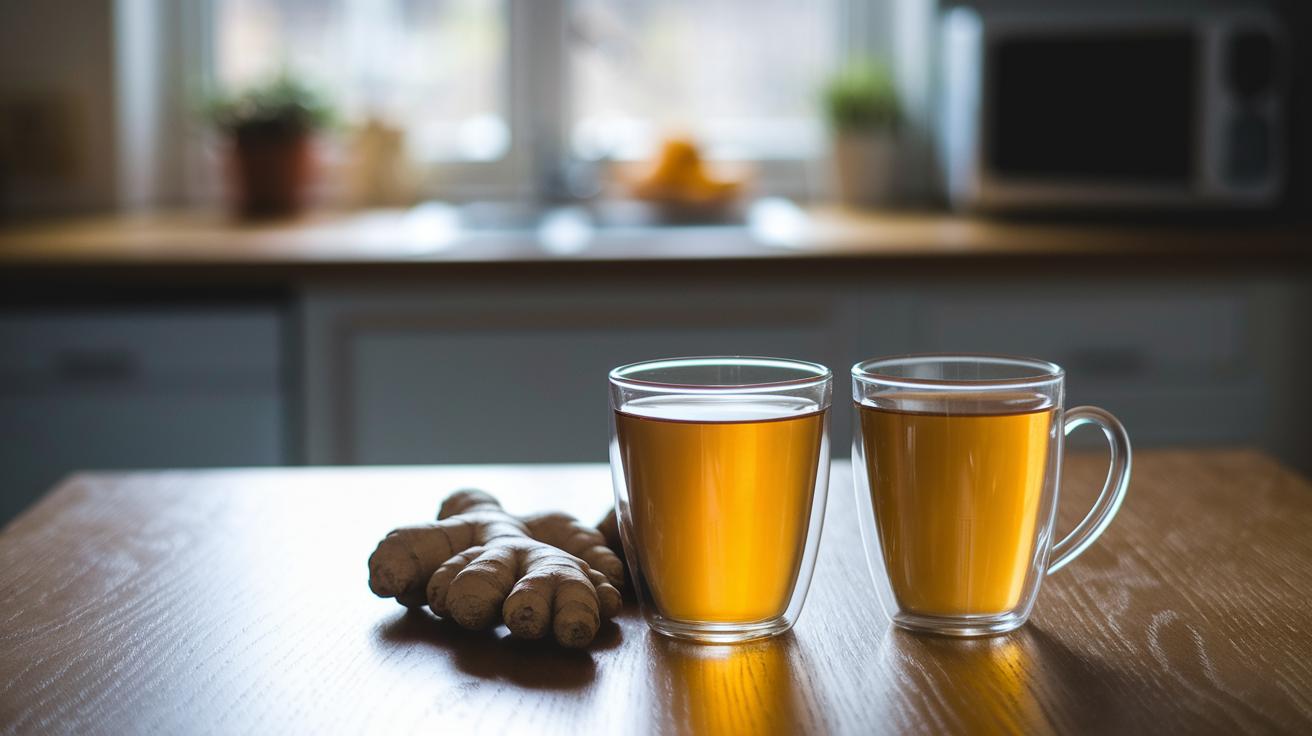
Quick Take: These natural teas may soothe mild diarrhea, but always seek help if severe warning signs occur.
If you have any of these red flags, call emergency services now:
- Severe dizziness or confusion
- Fast heartbeat (over 120 beats per minute) or signs of dehydration (dry mouth, little to no urination)
- Intense, unrelenting stomach pain
- Bloody diarrhea
For mild symptoms, consider these steps:
- Monitor your fluid intake
- Rest and avoid irritating foods
- See your clinician if symptoms persist more than 3 days
Ginger Tea Remedy
Start with a 1-inch piece of fresh ginger. Roast it lightly in a dry pan until the edges just turn brown. This step helps release its natural flavors. Then, place the roasted ginger in a teapot with 2 cups of boiling water. Let it steep for 10 minutes. Sipping this tea can help ease nausea and support smoother digestion. Many people find that a warm cup of ginger tea calms an upset stomach fast.
Guava Leaf Infusion
Another gentle option is a guava leaf infusion. Crush 4 to 5 fresh guava leaves and add them to hot water. Allow the leaves to steep for 5 to 7 minutes. The tannins (natural compounds that help tighten tissues) in the guava leaves work to slow fluid loss in the intestines. This can help control diarrhea and ease discomfort.
These herbal infusions are best used for mild bouts of diarrhea, such as those from minor viral or bacterial issues. They offer a natural way to support your gut health while you carefully monitor your symptoms.
Soothing Diet Techniques and Balanced Meal Plans for Gut Recovery
Quick take: A gentle diet can help calm mild diarrhea and support your gut in healing.
If you have any of these emergency signs, call emergency services now: severe dehydration (very dry mouth, dizziness, dark urine), bloody stools, or sharp, intense belly pain.
When you have diarrhea, your gut needs a break. Start with soft, easy-to-digest foods. The BRAT diet (bananas, rice, applesauce, and toast) works well in the first 24 to 48 hours since these foods are gentle and help firm up loose stools.
Avoid foods that may upset your stomach further. Stay away from dairy (milk, cheese), coffee, and high-fiber grains during this phase. Instead, add starchy foods like boiled potatoes, cassava flour, or plain cereals to balance your fiber intake. Blueberries also help because they contain antioxidants and natural antibacterial benefits.
Plain yogurt or other fermented foods can be a smart choice too. They bring in healthy bacteria (probiotics) that support your gut’s recovery. For more information, see natural probiotics and gut health.
Diet Dos:
- Eat BRAT foods in the early recovery phase.
- Slowly introduce starchy foods.
- Enjoy blueberries for extra antioxidants.
- Add plain yogurt or other fermented foods to boost probiotics.
Diet Don’ts:
- Do not consume dairy like milk or cheese.
- Skip coffee.
- Limit high-fiber grains until your stomach settles.
| Day | Diet Focus | Examples |
|---|---|---|
| Day 1 | Liquids & BRAT | Bananas, rice, applesauce, toast, clear broths |
| Day 2 | Semi-solids | Boiled potatoes, plain cereal, mashed bananas |
| Day 3 | Gradual Reintroduction | Balanced meals with lean protein, fruits, and cooked vegetables |
Start slowly and listen to your body. Keep a simple food diary, noting the time, what you ate, and how your digestion felt. If your symptoms worsen or do not improve soon, contact your clinician.
Pediatric Home Diarrhea Treatment: Gentle Care Strategies for Kids
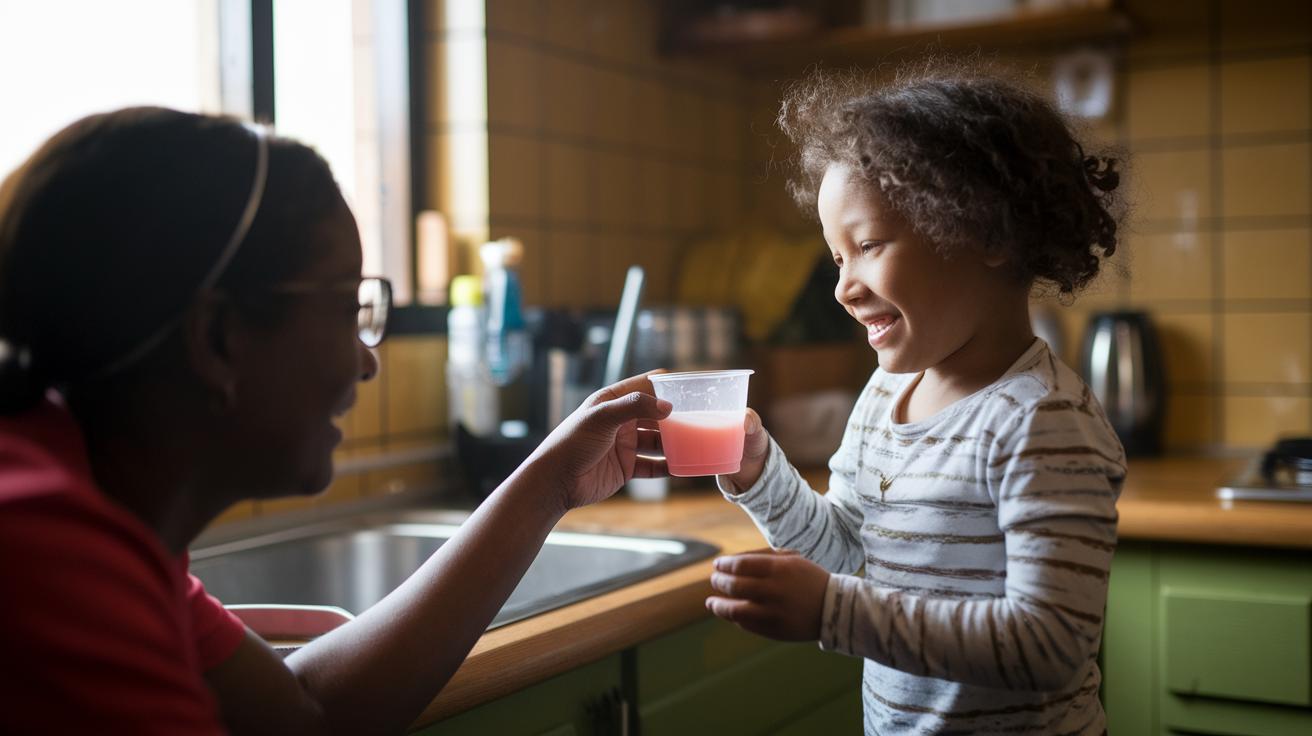
Quick take: Mild diarrhea in kids calls for careful home care to keep them hydrated and comfortable.
If you see any of these signs, call emergency services now:
• Very dry mouth
• No tears when crying
• Sunken eyes
• Noticeably less urine
Here’s what you can do at home:
Make a child-friendly oral rehydration solution by mixing 1 liter of water, 6 teaspoons of sugar, and ½ teaspoon of salt. Give your child 1–2 tablespoons of this mixture every 15 minutes. This slow sipping helps your child replace lost fluids and minerals.
Also, offer a little rice water between sips. Rice water is gentle on the stomach and can help firm up loose stools.
Encourage your child to rest in a comfy spot. A warm tummy compress may help ease an upset stomach and relax tight muscles.
Watch closely for any changes in behavior. If your child seems very drowsy, unusually irritable, or shows worsening signs of dehydration, note these details and contact your clinician right away.
By following these simple steps, you help your child recover safely while keeping a close eye on any changes in their condition.
Lifestyle Adjustments and Organic Digestive Care for Long-Term Relief
Quick Take: Simple daily habits can ease tummy troubles and boost your gut health.
If you experience severe pain, signs of dehydration (dizziness, very dry mouth, or fever), or notice blood in your stool, call emergency services now.
Common Causes:
Small changes in your daily routine can help restore balance in your gut and may ease ongoing diarrhea. Probiotics (good bacteria found in yogurt and supplements), hydration, and fiber adjustments are the main tricks to keep your digestive system happy.
What to Do Now:
- Eat one serving of probiotic foods like plain yogurt or take a trusted probiotic supplement each day. This helps reset your gut flora.
- Drink water or unsweetened herbal tea throughout the day. This keeps you hydrated and supports smooth digestion.
- Gradually add soluble fiber such as bananas, oats (if you tolerate them), or cooked carrots. Slowly increasing fiber helps firm up your stools.
- Get plenty of rest and manage stress by practicing deep breathing or gentle stretching. This can calm your body and support healing.
- Always wash your hands before you prepare or eat food. Good food safety lowers the risk of new infections that could worsen gut issues.
Every step you take builds a strong base for long-term gut health and a natural approach to managing diarrhea. Keep a simple daily log of your habits and any changes in your symptoms, and reach out to your clinician if you notice worsening signs.
Sources: [1] Reliable dietary guidelines, [2] Trusted clinical insights.
Reviewer: Dr. Smith, Gastroenterologist; Last Reviewed: 10/2023
| Daily Habit | Action |
|---|---|
| Probiotics | Eat plain yogurt or take a probiotic supplement once daily |
| Hydration | Drink water or herbal tea throughout the day |
| Fiber Intake | Add bananas, oats (if tolerated), or cooked carrots gradually |
| Stress Management | Practice deep breathing or gentle stretching when stressed |
| Food Safety | Wash hands thoroughly before food preparation or eating |
Emergency Warning Signs

If you notice any of these warning signals, stop managing symptoms at home and get medical help immediately. For a complete list of urgent signs, please check the Emergency Warning Signs section at the beginning of this article.
• Diarrhea that lasts more than 3 days
• Blood in the stool
• A fever higher than 102°F or very strong belly pain
• Signs of dehydration such as extreme thirst, dizziness, or very little urine
For children, watch for ongoing vomiting, deep sleepiness, a very dry mouth, no tears when crying, or eyes that look sunken.
Final Words
In the action, we've reviewed quick tips to ease diarrhea, from staying hydrated and making a simple homemade electrolyte solution to using herbal teas like ginger for relief. We also covered a gentle diet plan, kid-safe care tips, and long-term habits to boost gut health. Clear red flags were outlined to help you know when to call for help. Keep these steps handy and track your progress. With the right plan and a reliable diarrhea remedy at home, you can take charge and feel better soon.
FAQ
What is the fastest way to cure diarrhea?
The fastest way to cure diarrhea involves quick rehydration with fluids like water or a homemade oral rehydration solution, resting, and following gentle dietary changes until symptoms ease.
What can I drink to stop diarrhea?
The answer is to drink clear fluids such as water, teas, apple juice, or a homemade electrolyte solution made from water, sugar, and salt to help reduce dehydration and calm your stomach.
What to take for diarrhea while pregnant?
The answer is to focus on hydration with water or a safe oral rehydration mix and use gentle probiotic foods like plain yogurt; always check with your healthcare provider for personalized advice.
What 12 foods stop diarrhea?
The answer is that helpful foods include bananas, rice, applesauce, toast, boiled potatoes, cassava, plain cereals, blueberries, plain yogurt, clear broths, rice water, and steamed carrots, all of which are gentle on the stomach.