
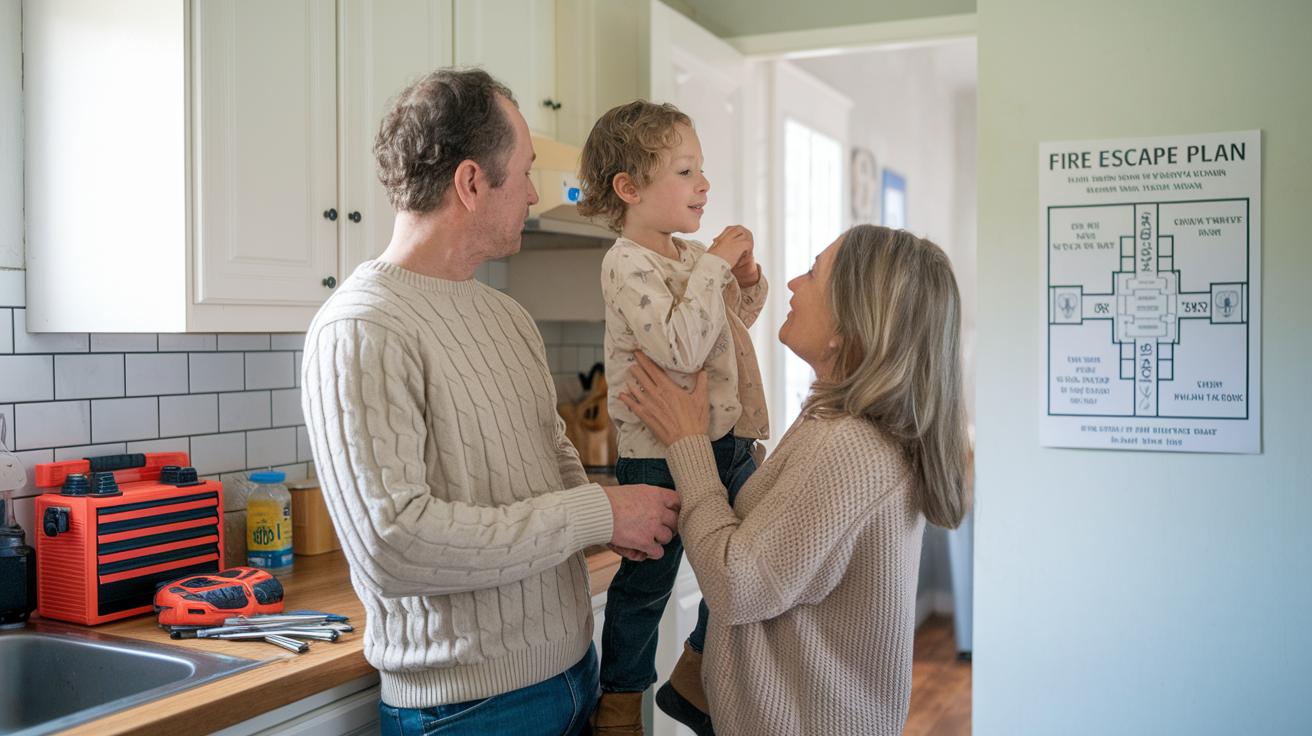

Quick take: A clear home emergency plan helps keep your family safe during disasters.
Imagine an emergency hitting your home, a storm, fire, or flood. A good plan tells everyone exactly what to do. You decide who grabs essential items, checks on family members, and calls for help. With a clear safety plan, you change worry into readiness. This plan makes sure your home is prepared and that your loved ones know what to do when disaster strikes.
Core Steps in a Home Emergency Protocol
Quick take: Have a clear plan so everyone in your home knows how to act if danger comes.
Triage Box:
• Emergency: If you or someone nearby is in immediate danger, call emergency services now.
• Urgent: If an emergency seems likely and someone could get hurt, seek help from a trusted neighbor or nearby assistance.
• Plan: Follow these steps to prepare your home for any disaster.
It can be tough to think about emergencies, but a simple plan can help everyone feel safer. Start by writing down what each family member needs. Note details such as which medications they take, any mobility tools they use, or special dietary needs. For example, you might detail, "Mary always carries her inhaler in her purse." This reminder can make a big difference when time is short.
Talk with your family about what could happen during events like strong storms, fires, power outages, floods, or wildfires. Create a step-by-step plan and clearly decide who will do what if an emergency occurs. Make sure everyone understands their role.
Here are some key steps to follow:
- List each person’s needs (medications, mobility aids, dietary needs).
- Discuss possible events like storms, fires, or floods with everyone.
- Write down a simple, clear plan with step-by-step actions.
- Assign specific tasks so every family member has a role.
- Place copies of the plan in important spots around your home, like the kitchen and near the front door.
Remember to keep talking about the plan. Check it frequently and update it based on new advice or changes in your family's needs. This regular review helps keep your home ready for anything.
Residence Risk Assessment for Home Emergencies

Quick take: Walk through each room to spot hazards and act quickly if you see any danger.
Step 1: Inspect Each Room
Walk through your home carefully. Look for fire risks such as damaged wiring or flammable items near heat sources. Check for flood risks by noting any basement leaks or areas with poor drainage. Look for earthquake hazards by observing if heavy furniture is unsecured and might fall during tremors. Also, inspect around gas appliances for any leak signs.
Step 2: Rate and Record the Risks
Make a simple checklist for every room. Write down each room and list its risks. Then, rate how likely each hazard is and how severe it might be. For example:
- Living room: Check for faulty wiring.
- Basement: Look for water seepage or leaks.
- Main living area: Secure heavy furniture.
- Kitchen: Inspect gas line and heating element connections.
Step 3: Improve Your Home Safety
Boost your safety by using environmental safety practices. Install surge protectors for your electrical system. Add window films or shutters to help protect against breakage. Update your checklist often and fix any issues as soon as you notice them.
Building Your Home Emergency Supply Kit Checklist
Quick take: Gather enough water, food, medicine, and basic tools so you can act fast in an emergency.
Begin by making a clear list of the essentials. You need:
• Water: 1 gallon per person per day for at least 3 days.
• Food: Non-perishable items for 3 days.
• First-aid kit: Bandages, pain relievers, and antiseptics.
• Prescription medications: A week’s extra supply.
• A flashlight with spare batteries.
• Blankets to keep warm.
• Waterproof copies of important documents.
• A backup power source (like a portable charger or generator).
Label your storage bin "Emergency Kit" so everyone knows where to find it when needed.
Keep your kit in a central spot that you can easily reach. Check and replace food and medications every 6 months to ensure they stay fresh and effective.
Staying organized lowers your stress during a crisis. Write down what’s in your kit and the dates you bought or rotated items. This list helps you know exactly what you have and what might need replacing. It also speeds up decision-making if you need to leave your home or stay in place. Set a reminder to check expiration dates on food and medicine regularly.
Below is an easy checklist to guide you:
| Item | Notes |
|---|---|
| Water | 1 gallon per person per day for 3 days |
| Food | Non-perishable supplies for 3 days |
| First-aid kit | Bandages, pain relievers, antiseptics |
| Prescription Meds | Extra supply for 1 week |
| Flashlight & Batteries | Works during power outages |
| Blankets | Provide warmth if needed |
| Important Documents | Waterproof copies for safety |
| Backup Power | Portable charger or generator |
Home Emergency Protocol: A Positive Safety Plan
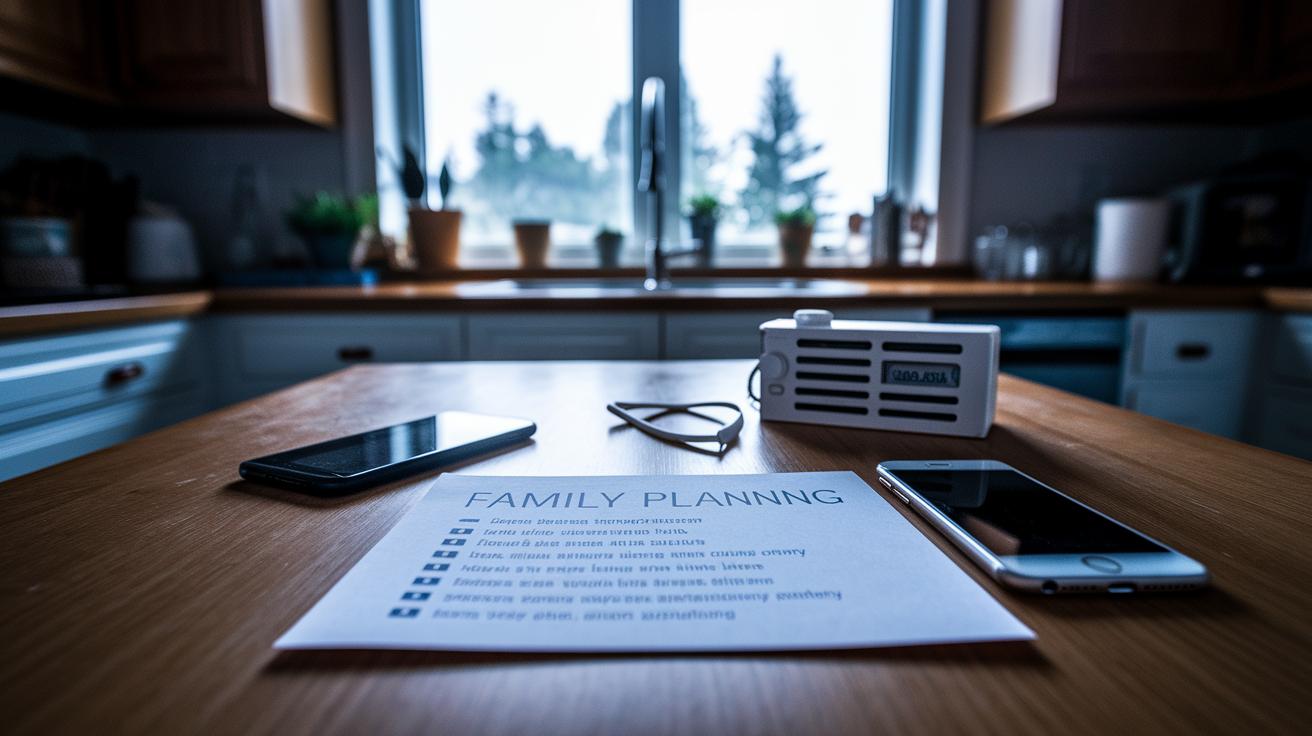
Quick take: Use several ways to communicate during emergencies so you can reach help even when networks are busy.
When a crisis hits, make sure you have a plan to stay in touch. Write down a list of essential contacts like family, neighbors, doctors, emergency services, and Poison Control. Note each name and phone number because texting can work better than voice calls when lines are overloaded.
Use more than one way to connect. Rely on your cell phone, landline, and if you can, a NOAA weather radio. This extra step means that if one system fails, another may still work. Also, register for local public alert systems to get quick warnings for severe weather and other hazards.
Share your plan with everyone at home. Print out your contact list and post a copy near your phone and keep one in your emergency kit. Digital copies and emergency apps on your smartphone can provide real-time updates when you need them most.
Here is a quick checklist:
- Write down essential contacts: family, neighbors, doctors, emergency services, and Poison Control.
- Use text messages rather than phone calls during busy times.
- Keep a cell phone, landline, and NOAA weather radio.
- Sign up for local public alert systems.
- Share printed and digital copies with every family member.
Staying prepared can lower stress and help everyone know how to reach help when needed.
Designing Quick Escape Routes and Family Refuge Planning
Quick take: Prepare two clear exit paths in every room, and set a safe meeting spot for everyone now.
If any of these issues come up, call emergency services right away.
Make sure each room has at least 2 clear ways out. Look around for doors and windows that can be used in an emergency. For example, in one of your rooms you might use the door and the window behind the bed. This gives you a backup if one exit is blocked.
Create a family refuge plan by choosing a main meeting spot, such as a community center or a trusted neighbor’s house, and a backup spot. Write these locations down and share them with everyone in your home.
Include every family member in your plan. Think about the needs of seniors, pets, or anyone who might need extra help. Write down any special transportation needs or if they need more time to get out. Work with your neighbors to set up a community plan and assign roles for safety rehearsals.
Try out your escape route at least once a year. Here is a quick checklist:
- Map two exit paths in every room.
- Pick a main meeting spot and a backup.
- Plan for seniors, pets, and any special needs.
- Practice the escape routes regularly.
- Share your plan with neighbors.
Taking these steps helps ensure that everyone knows how to get out safely when it matters most.
Scenario-Specific Home Emergency Protocols
Fire Evacuation Procedures
Test and maintain your smoke alarms every month. Plan at least two exits in each room and choose a meeting spot outside. Check your fire extinguishers regularly so you know they work when needed. For example, press the test button on your smoke alarm each month and replace the batteries when necessary. These steps help warn you early and provide clear escape routes if a fire starts.
Flood Mitigation Measures
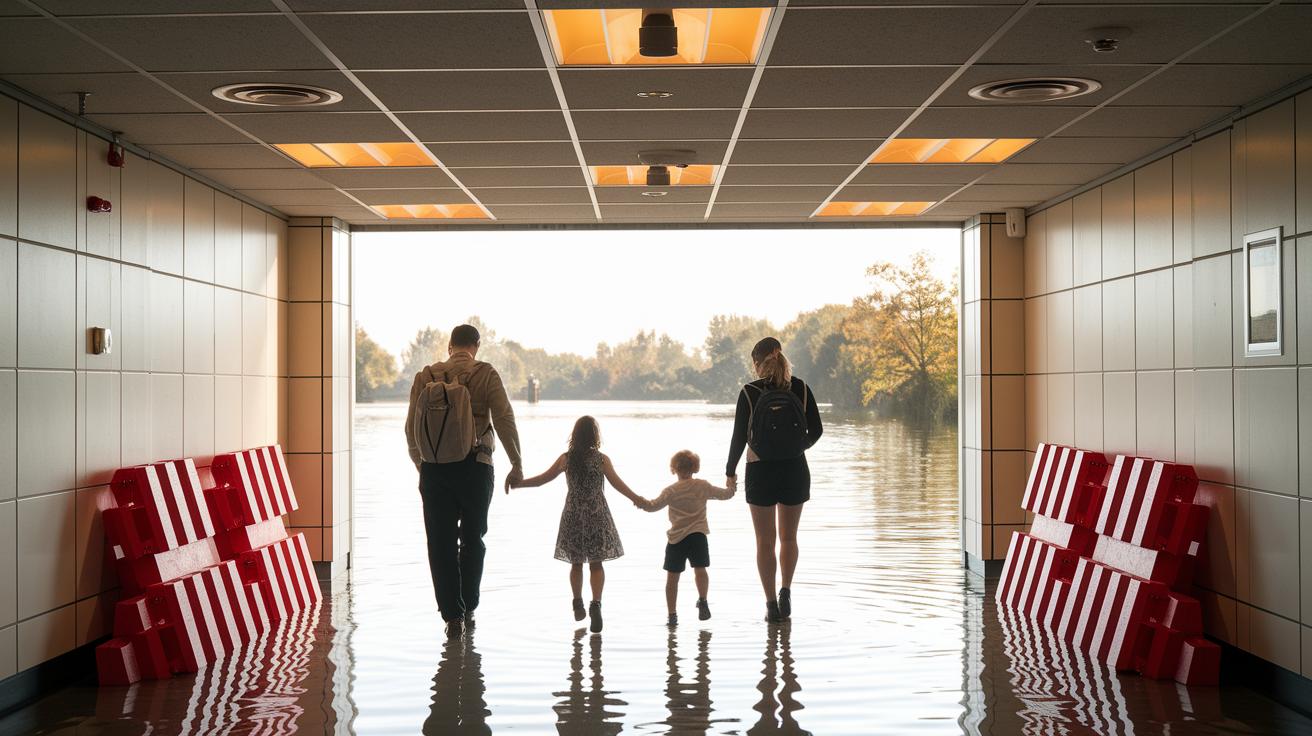
Move important items to higher ground and put up temporary flood barriers where water can enter. Learn how to quickly turn off utilities like gas and water during a flood. Taking these actions can protect your home and keep valuable items safe from water damage during heavy rains or flash floods.
Storm Survival Techniques
Secure your windows with hurricane shutters or protective covers to stop breakage from strong winds. Keep a NOAA weather radio nearby for real-time alerts. Follow a simple checklist: store flashlights with spare batteries and secure loose items outside. This preparation helps reduce damage and keeps you informed during a storm.
Seismic Action Tips
Bolt heavy furniture to wall studs and practice drop-cover-hold drills with everyone in your home. Write down your safety steps and review them regularly so all family members know what to do during an earthquake. For instance, practicing the drop-cover-hold drill every few months can help keep everyone calm and safe when tremors occur.
Wildfire Protection Measures
Clear away dry plants and debris around your home. Use fire-resistant covers for vents and windows, and trim overgrown trees or bushes that might fuel a fire. These measures can slow the spread of flames if a wildfire approaches and help safeguard your home.
Scheduling Drills and Simulation Exercises for Home Safety
Plan a drill every 3 months and write it on your calendar so everyone is aware. At each drill, practice every possible escape route, check your cell phone, home phone, and any backup devices, and run through a role-play for urgent medical help (triage). This practice helps you spot missing parts in your plan and gives everyone confidence in their role during an emergency.
Use this simple framework for your drills:
- Pick a day every 3 months.
- Practice different escape routes from every room.
- Test your cell phone, landline, and backup devices.
- Role-play a scenario for urgent medical help.
- Check how well your communication and actions work.
After each drill, gather everyone for a quick meeting. Talk about what went well and what could be improved, and write down your notes in a simple log. Update roles and steps from what you learned so your emergency plan stays ready for real situations. Regular drills make your home safety plan stronger and more effective.
Maintaining and Updating Your Home Emergency Protocol

Review your home emergency plan at least once a year or right after any big change like bringing home a new family member, pet, or adapting to new mobility needs. This helps ensure that everyone knows what to do when an emergency happens.
Check your emergency kit often to replace expired supplies and update contact numbers. Make sure your backup power, water, and food are in good shape. For example, you might write, "Replace water bottles after 6 months" as a reminder.
Organize your important documents by keeping digital backups and paper copies in a waterproof folder. Write notes like, "Update emergency contact numbers on January 1" and set a reminder.
After any emergency, gather your family for a review. Use a simple checklist to note any issues or gaps in your plan. Then, update your protocol based on what you learn.
Keeping your plan current is essential to keep you and your loved ones safe during tough times.
Final Words
In the action, you learned how to build a strong home emergency protocol. We broke down risk assessments, supply kit essentials, communication steps, and quick escape routes. You also saw targeted tips for specific events and the need for regular drills and updates. This guide empowers you to take practical steps now, keep your family safe, and adjust as needed. Stay proactive and confident knowing you have a plan that prepares you for any emergency.
FAQ
What does an emergency preparedness plan PDF or family emergency plan template include?
An emergency preparedness plan PDF or family emergency plan template outlines roles, meeting spots, escape routes, emergency contacts, and a list of essential supplies tailored for families during crises.
What should a home emergency plan include?
A home emergency plan includes clear evacuation routes, designated roles for each family member, vital contact numbers, a supply kit, and detailed instructions for handling various emergencies.
What is the FEMA emergency preparedness plan template?
The FEMA emergency preparedness plan template is a structured guide from FEMA that offers step-by-step instructions, checklists, and guidance for planning, communication, evacuation, and managing supplies during emergencies.
What is a family emergency plan example?
A family emergency plan example demonstrates how to assign responsibilities, set a common meeting point, list emergency contacts, and organize necessary supplies, serving as a practical model for your own plan.
What does an emergency preparedness plan for the workplace involve?
An emergency preparedness plan for the workplace outlines procedures to ensure employee safety, including designated evacuation routes, communication protocols, emergency contacts, and assembly points.
What are 10 essential items in an emergency kit?
Ten essential items in an emergency kit often include water, non-perishable food, a first-aid kit, flashlight, extra batteries, necessary medications, a multi-tool, blankets, important documents, and a radio.
What are the 5 emergency protocols?
The 5 emergency protocols generally cover assessing risks, communicating the plan, safe evacuation, sheltering in place, and post-event check-ins to guide effective responses during a crisis.
What are the 5 P’s of emergency planning?
The 5 P’s of emergency planning refer to plan, prepare, practice, pack, and protect, highlighting key steps to keep you and your family safe during emergencies.
What should you stockpile for a crisis?
To stockpile for a crisis, gather water, non-perishable food, medications, first-aid supplies, flashlights, extra batteries, and copies of important documents, ensuring your household can be sustained for several days.