
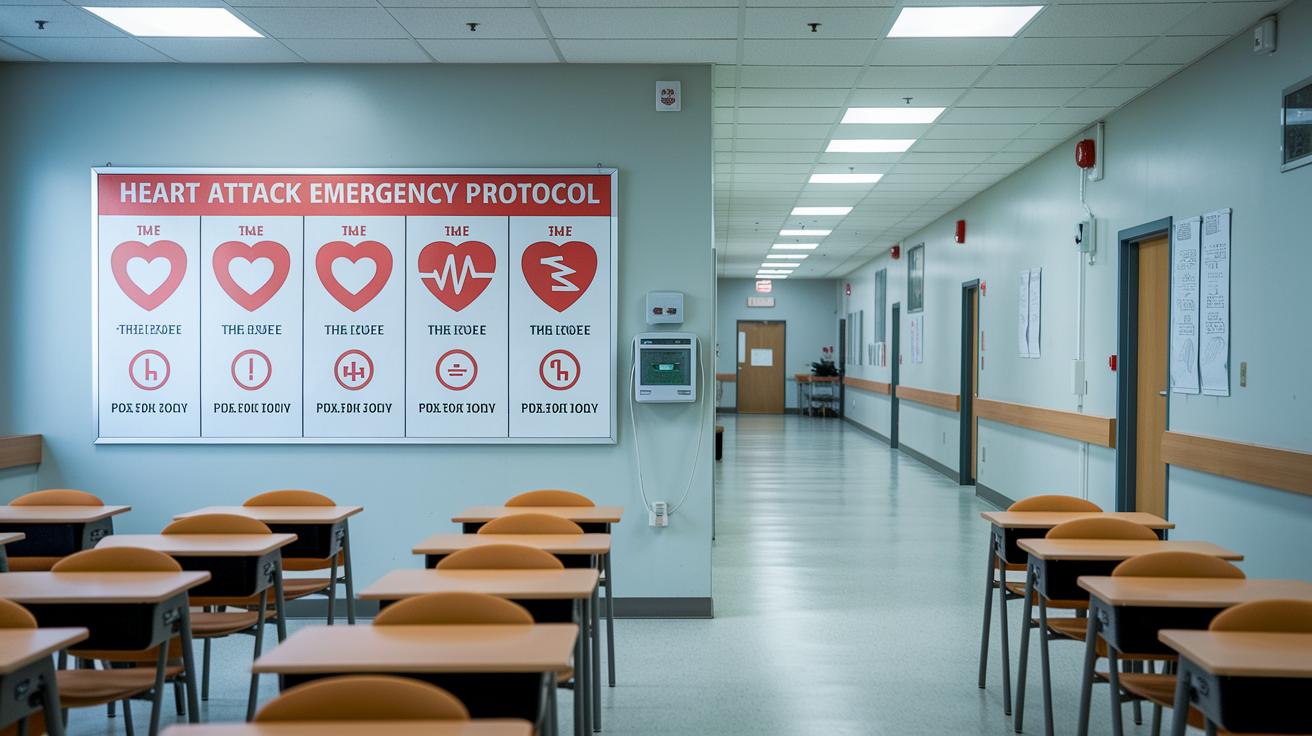

Quick Take: A heart attack is a life-threatening emergency that needs immediate action.
If you notice any of these signs, call emergency services now:
• Severe chest pain or pressure, sometimes with pain in the arms, neck, or jaw.
• Trouble breathing or sudden weakness.
• Cold sweat or dizziness.
When you suspect a heart attack:
- Call 911 immediately.
- Help the person sit upright so they can breathe easier.
- Get ready to start CPR if they become unresponsive.
This guide shows you simple, clear steps to act fast. Recognize the warning signs and be prepared because every second counts.
heart attack emergency protocol: Act Fast, Save Lives
Quick take: Fast action at home can save a life.
If you have any of these emergency signs, call emergency services now:
- Severe chest pain or pressure
- Trouble breathing or feeling very weak
- Confusion or loss of consciousness
Urgent: If your loved one shows these signs, get help immediately.
When a heart attack strikes, every second matters. A blocked blood flow to the heart can cause serious damage, so it’s important to act quickly and clearly. I know this is very stressful, but follow these steps to support the patient while help is on the way.
Steps to take at home:
- Make sure the area is safe for you and the patient.
- Call emergency services right away.
- Help the patient sit up comfortably in an upright position.
- Give one adult aspirin (if they are not allergic and can chew it).
- Start CPR and use an AED (an automated external defibrillator, a machine to help restart the heart) if you have it.
- Watch the patient’s pulse, breathing, and level of alertness.
Following these steps can keep the patient stable until professional help arrives. Stay as calm as possible, document what you see and do, and share this information with the medical team when they arrive.
Recognizing Symptoms for Heart Attack Emergency Protocol

Quick take: If you notice any heart attack signs, act immediately.
If you have any of these emergency signs, call 911 right away:
- Severe chest pain or pressure in the center of your chest
- Sudden shortness of breath, even at rest
- Pain that spreads to your arms, shoulders, jaw, or neck
- Unexplained nausea or vomiting
- A cold sweat that comes on out of the blue
- Dizziness or feeling lightheaded, which may lead to fainting
- Sudden, unusual fatigue
- A strong feeling that something is very wrong
Heart attacks can show up in different ways. Some signs are common and others are less obvious, so it’s important to know them all. Recognizing these early can help you or a loved one get emergency care before things get worse.
Here’s what to do if you spot these symptoms:
- Stop any activity and sit or lie down.
- Call 911 immediately if any red flags are present.
- Take note of when the symptoms started and how severe they are.
- Stay as calm as possible while waiting for help.
Keep this checklist nearby. Quick action can make a big difference in getting the treatment you need.
Emergency Call Procedures in Heart Attack Emergency Protocol
Quick take: If you suspect a heart attack, call emergency services immediately.
When you see signs of a heart attack, dial 911 (or your local equivalent) without delay. Be ready to tell the dispatcher your exact location, nearby landmarks, and when the symptoms began. Clear details like this help them assess how urgent the situation is and send the right help quickly.
Before help arrives, keep your phone line clear and follow these steps:
- Speak slowly and clearly.
- Repeat key details to be sure they’re understood.
- Keep background noise to a minimum.
- Follow every instruction from the dispatcher promptly.
By staying calm and communicating clearly, you help bridge the gap until professional help gets there.
On-Scene Interventions for Heart Attack Emergency Protocol

Quick take: If you suspect a heart attack, act immediately. Fast, clear steps can save a life.
If you notice severe chest pain, difficulty breathing, or sudden dizziness, call emergency services now.
- Begin CPR – Start chest compressions right away to keep blood flowing.
- Use an AED – Turn on the automated external defibrillator (AED) and follow its prompts to help reset the heart’s rhythm.
- Manage the airway – Check that nothing is blocking the patient’s breathing by keeping the airway clear.
- Give oxygen – If you have oxygen available, provide it to help increase the oxygen level in the patient’s blood.
- Use telemedicine – Connect with remote help for step-by-step advice and quick expert support.
Each step builds on the one before. Stay calm and follow these clear instructions until professional help arrives. Digital tools can guide you through the process, ensuring you take the right actions during this critical time.
| Step | What to Do | Key Tip |
|---|---|---|
| CPR | Begin chest compressions immediately | Keep blood moving |
| AED | Apply the device and follow instructions | Restore heart rhythm |
| Airway Check | Ensure nothing blocks breathing | Keep airway clear |
| Oxygen Therapy | Provide supplemental oxygen if you can | Boost oxygen levels |
Medication Administration in Heart Attack Emergency Protocol
Quick take: Fast, proper medication can help protect your heart during an attack.
If you have any of these emergency signs, severe chest pain, trouble breathing, or loss of consciousness, call 911 right away.
During a heart attack, quick and correct use of medicine may help keep your heart working until professional help arrives. If you are awake, not allergic, and can chew, take one 325 mg chewable aspirin. Chewing the tablet speeds up its absorption, which helps thin your blood and break up clots that block blood flow to your heart.
Sometimes, doctors use clot-busting drugs (medications that dissolve clots) when needed. Timing is very important with these drugs because it helps open blocked arteries and reduce damage to the heart. Always use medicines exactly as directed by approved guidelines and share clear details with the medical team. Mistakes with dosages or timing can make the situation worse.
Dos:
- Give one 325 mg chewable aspirin if the patient can chew it safely.
- Ensure the patient chews the aspirin for faster absorption.
- Administer clot-busting drugs only when a healthcare provider gives clear instructions.
- Follow the proper guidelines for dosage and timing.
Don’ts:
- Don’t give aspirin if the patient is allergic or not fully conscious.
- Don’t wait to call emergency services while managing medications.
- Don’t mix clot-busting drugs without clear professional directions.
Patient Transfer and Hospital Triage in Heart Attack Emergency Protocol
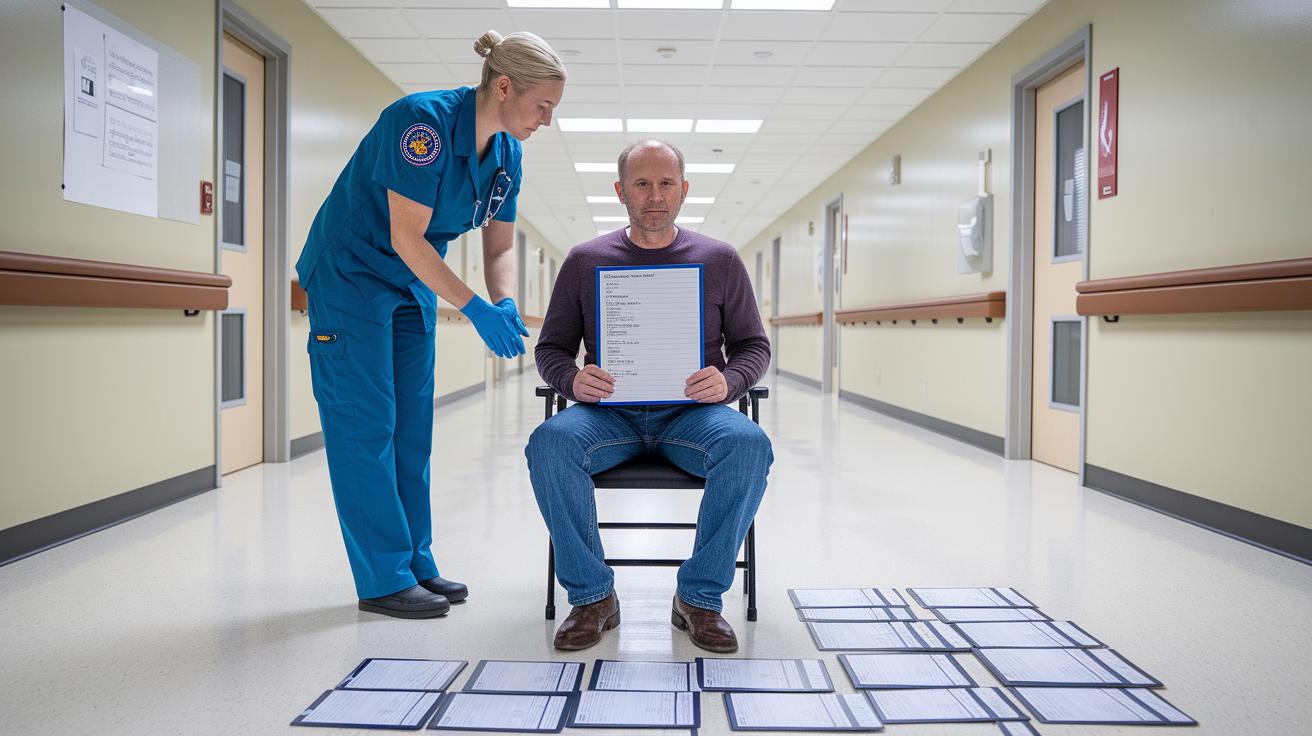
When a heart attack is suspected, you must act fast to get help. Keep the patient calm and comfortable while you gather key details like current medicines, allergies, and recent signs of trouble. This quick prep helps the ambulance team and speeds up tests when you reach the hospital.
Follow these steps for safe transport:
- Help the patient settle into a steady position.
- Collect and secure important details such as medications and health history.
- Make sure someone is ready to show the ambulance your exact location.
- Write down any recent changes in symptoms and vital signs.
- Keep all relevant medical documents close by.
At the hospital, the care team immediately reviews the patient’s information. They then perform fast tests like an electrocardiogram (ECG, a test that records the heart’s electrical signals) and check blood enzyme levels. This rapid evaluation shows how severe the heart attack is and guides the next steps in care.
Monitoring and Follow-up in Heart Attack Emergency Protocol
After you get initial treatment for a heart attack, it’s important to watch your condition closely. Regular checks help you spot early warning signs and catch any problems quickly.
Watch for these changes:
- Blood pressure (BP) levels
- Heart rate (HR) variations
- Blood oxygen levels (SpO₂, the amount of oxygen in your blood)
- Changes in how severe your chest pain is
- Increased shortness of breath
- New or worsening fatigue
When you are stable, set up follow-up appointments with your doctor. This lets your care team review your vital signs, check for complications, and adjust your treatment if needed. Keep a daily record of your measurements and symptoms and talk with your healthcare provider often. This routine helps support a smooth recovery and a healthy heart in the long run.
Final Words
In the action, this guide broke down the essential steps for a quick, clear response, from checking symptoms and calling emergency services to on-site care and hospital triage. It walked through immediate home interventions and medication protocols to keep you ready during a suspected heart attack.
Following a solid heart attack emergency protocol can save lives. Take these steps to heart and share this knowledge with others. Keep calm, act fast, and stay positive as you prepare for any critical situation.