
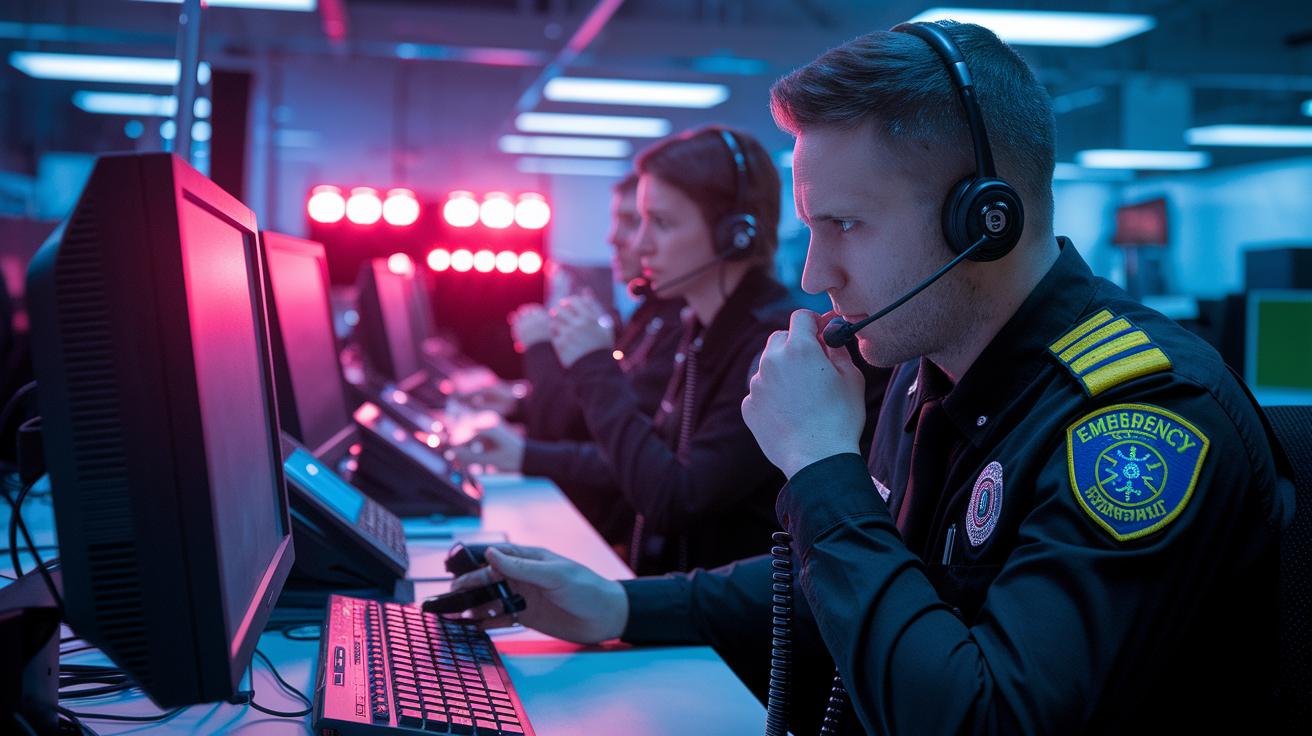

Quick take: In emergencies, every second matters.
If you see signs of danger like a fire, chest pain, or a hard injury, act fast. Before dialing 911, take a minute to check your details and calm your nerves. This helps you explain what's happening clearly.
Here’s what to do:
• Look around for any immediate dangers.
• Write down key details like your location and what you’re feeling.
• Take a moment to steady yourself before calling.
Remember, fast action can save lives. Stay safe and be prepared.
911 emergency call: Instant Safety Help
Quick take: In a life-threatening emergency, call 911 now.
If you have any of these emergency signs, call emergency services now:
- Uncontrolled bleeding or serious injury
- Signs of a stroke (confusion, drooping face, arm weakness)
- Severe allergic reaction (trouble breathing, swelling)
- Fire, smoke, or natural disasters
- A crime in progress
-
Check your details. Make sure you know your exact address or nearby landmarks. Confirm your phone has a good battery and signal.
-
Stay calm and dial 911. Take a slow breath before calling to help you speak clearly.
-
Tell the dispatcher where you are. Give the full address and mention any important landmarks. For example, you could say, "I’m at 123 Maple Street, next to the red mailbox."
-
Explain what is happening. Briefly describe the problem, whether it’s fire, heavy bleeding, or signs of a heart attack. This helps them send the right help fast.
-
Answer any questions. The dispatcher may ask what caused the emergency or if anyone is hurt. Answer honestly and clearly.
-
Follow instructions. Stay on the phone until the dispatcher tells you it’s okay to hang up. They may give you extra steps to help you stay safe.
Clear and calm communication can save lives.
Common Scenarios for Dialing a 911 Emergency Call
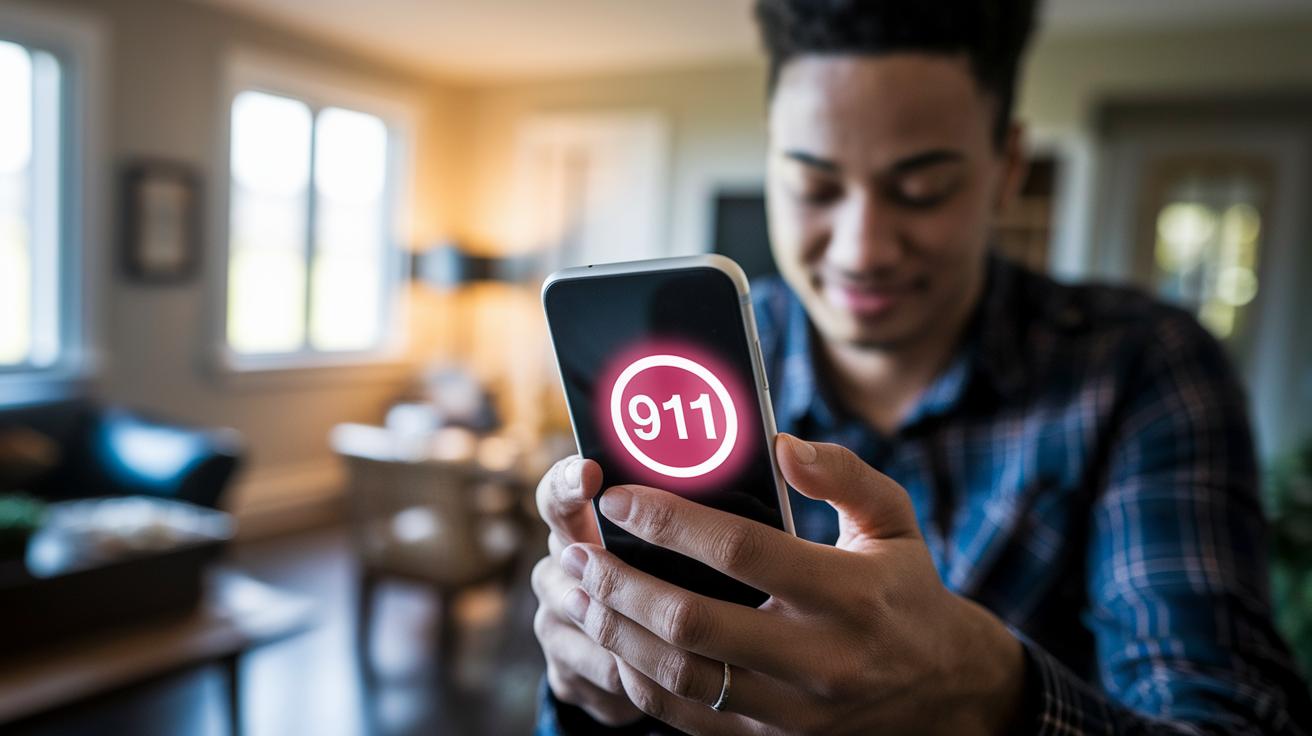
If you face a life-threatening situation, call 911 immediately. Using a service like Smart911 helps dispatchers get your health details and exact address if you find it hard to speak. This quick tool makes sure help comes fast when you’re scared or confused.
Call 911 if you experience any of these emergencies:
- Chest pain or signs of a heart attack
- Uncontrolled bleeding or a serious injury
- Fire or smoke nearby
- Stroke symptoms such as sudden numbness or difficulty speaking or if you pass out
- A severe allergic reaction with swelling or trouble breathing
- Immediate danger from a natural disaster
- A crime in progress or another urgent threat to your life
When you call, speak calmly and give your exact address along with any key landmarks. Sharing your Smart911 details can help responders decide the best way to assist you quickly.
Legal and Safety Considerations of 911 Emergency Calls
When you call 911, you are reaching a system meant only for real, life-threatening emergencies. Laws and rules make it clear: use 911 only if there is an immediate danger to your life or a serious injury. Misusing 911 wastes precious help that someone in real danger might need.
Enhanced 911, or E9-1-1, means local centers must cover extra phone costs and keep the right equipment ready. This setup helps emergency workers get to you quickly.
Calling 911 for a prank or a false alarm is not only reckless, it is also against the law. You could face fines or even jail time. When someone uses 911 under false pretenses, it delays help for those who really need it and puts lives at risk.
Here are some important steps to remember:
- Use 911 only when there is a clear, immediate threat to life or severe injury.
- Tell the operator exactly what is happening so that help can be sent as fast as possible.
- Do not make prank calls, test calls, or use 911 for non-emergencies.
- Know that breaking these rules can lead to strict legal penalties.
- Keep in mind that following these rules helps save lives and keeps emergency services ready for real crises.
Tips for Effective Communication During a 911 Emergency Call

When you call 911, speak calmly and use simple words so help can reach you fast.
- Tell the dispatcher your exact location. Include your street address or a nearby landmark.
- Use direct, clear language to describe what’s happening, for example, "I see flames" or "Someone is hurt."
- Answer each question with short, honest replies.
- Take a quick pause between sentences if you feel overwhelmed.
- If you have trouble hearing or speaking, let the dispatcher know right away so they can arrange an interpreter.
- If you use a preloaded safety profile like Smart911, allow it to share your details if you become too upset to talk.
Keeping your words simple and clear helps emergency responders get the vital details they need quickly.
Technological Innovations and Future Trends in 911 Emergency Calls
When you call 911, advanced technology works quickly to guide responders to you. Enhanced 9-1-1 sends your phone number and location details (using Automatic Number Identification and Automatic Location Identification) straight to the dispatch center as soon as you dial. This speeds up how fast help can find you.
Smart911 goes a step further by storing key personal and location data in the system. That means even if you’re too overwhelmed to speak, emergency teams already know important details about you.
New GPS integration helps even more. Your cell phone’s location services can pinpoint where you are, saving precious seconds when every moment counts. Emerging tools like video streaming let dispatchers see what’s happening in real time, which can help them decide on the best way to assist you immediately.
Looking ahead, expect more smart features in safety communications. Smartphone apps, wearable devices, and live video are set to work together to help dispatchers make faster and better decisions. These technological improvements are designed to cut response times, which could be life-saving when emergencies strike.
The Evolution and Impact of the 911 Emergency Call System
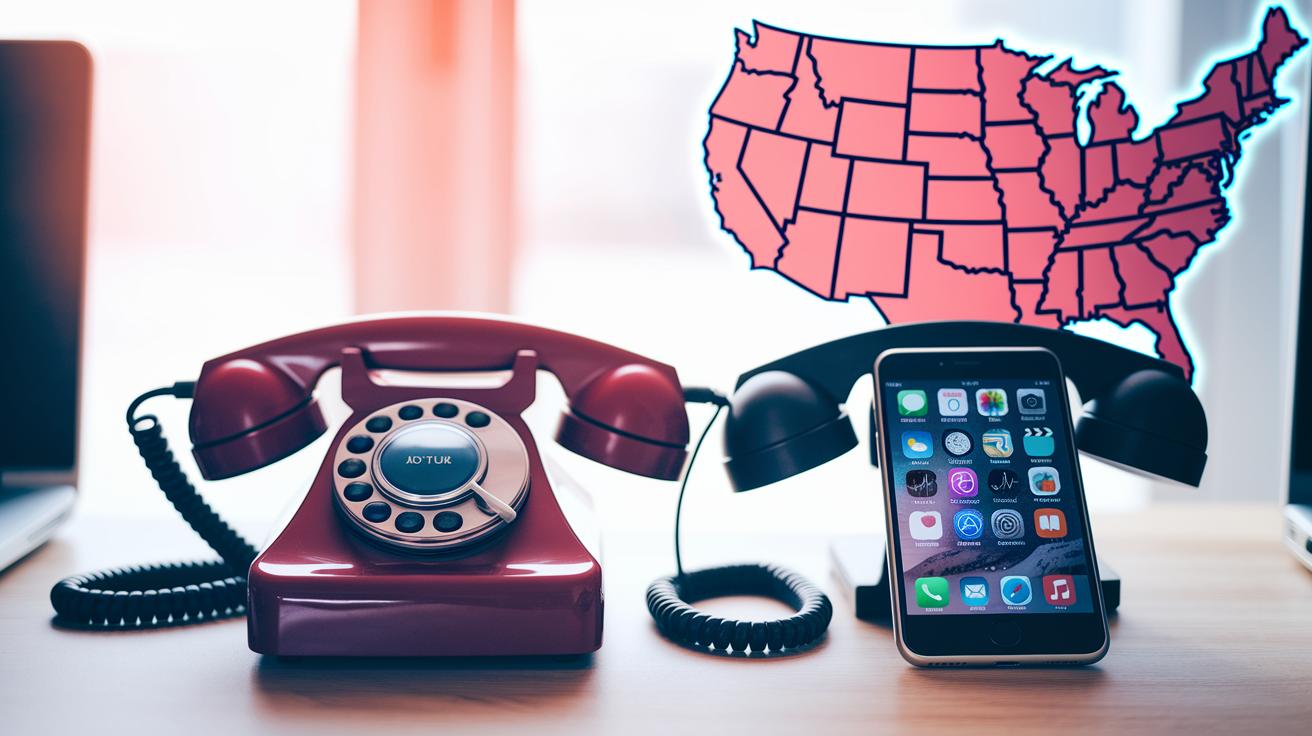
Back in 1957, fire chiefs across the nation suggested using one number to get help quickly during a crisis. In 1967, both the President’s Commission and the FCC backed this idea as a simple way to connect people to emergency services. Then in 1968, AT&T chose 911 because it was short and easy to remember. The very first call was made on February 16, 1968, in Haleyville, Alabama, and a few days later, on February 22, Nome, Alaska made its first call. Imagine dialing a number that instantly reaches lifesaving help when you need it most.
Lawmakers soon stepped in to support 911 with funding that helped emergency centers upgrade their equipment and systems. This investment boosted the system’s reliability. By 1976, 17% of Americans could use 911, and by 1979, that figure had grown to 26% thanks to about 70 new systems added each year. By 1987, half the population had quick access to emergency services, showing steady progress in reaching more people.
By the year 2000, nearly 93% of Americans were served by 911. In fact, 95% of those systems were running under upgraded, enhanced guidelines. Canada also adopted this system, which helped align emergency standards between the two countries. What began as a simple phone number transformed into a robust tool that truly saves lives every day.
Final Words
In the action, we reviewed clear criteria and simple steps for when to dial 911. You learned how to identify life-threatening signs and follow a six-point guide to share critical details with dispatchers.
We covered common scenarios and legal guidelines to help you make safe, informed decisions. We also looked at how new technology is shaping these urgent calls.
Stay calm, keep this guide handy, and always use a 911 emergency call when help is urgently needed.
FAQ
Frequently Asked Questions
What does the 911 emergency call movie depict?
The 911 emergency call movie depicts dramatized emergency calls with dispatchers and responders speaking urgently. It shows intense situations but may not reflect the real-life procedures of an actual 911 call.
What was the emergency number before 911?
The emergency number before 911 varied by locality, with communities using different local numbers. There was no single, universal number until 911 was adopted nationwide.
How is 911 related to 9/11?
The number 911 was chosen in 1968 for its ease of recall and is not linked to the September 11 attacks. The selection predates 9/11 and serves as the universal emergency number in the U.S.
Can you call 911 online?
Calling 911 online may involve text-based or online reporting in certain areas, but this option is limited. For urgent help, it is best to use a standard voice call on your phone.
What is the history of the 911 emergency number?
The history of 911 began in 1968 when AT&T first established it as a universal emergency number in the U.S., replacing varied local numbers and streamlining emergency response nationwide.
Which country uses the 911 emergency number?
The United States and its territories use the 911 emergency number. Other nations have their own numbers, so it is important to know the local emergency number when traveling.
Why should you call 911 now?
When facing a life-threatening situation like severe injury, fire, or an active crime, calling 911 now ensures that emergency services are quickly dispatched to provide help.
What emergencies warrant a call to 911?
Emergencies warranting a 911 call include life-threatening conditions such as chest pain, severe injury, fire, stroke symptoms, uncontrolled bleeding, severe allergic reactions, or crimes in progress.
What does 911 stand for?
The number 911 does not stand for a phrase or set of words. It is simply a numeric code chosen for its simplicity and ease of recall during emergencies.
What is the equivalent of 911 in Indonesia?
In Indonesia, the equivalent emergency number is 112 rather than 911. This number connects callers with emergency services in Indonesia.
What is the difference between 000 and 112?
The difference is based on geography: 000 is the emergency number used in Australia, while 112 is used in many European countries and in Indonesia, each connecting to that country’s emergency services.