


Quick Take: A tight, squeezing feeling in your head and ears may stem from sinus congestion, an ear infection, or jaw tension. Although it often isn’t serious, there are times when these symptoms need urgent attention.
If you notice any of these signs, call emergency services now:
• Severe pain or a worsening headache
• High fever (over 102°F)
• Sudden changes in hearing or balance
• Confusion or fainting
What might be causing this pressure?
• Sinus congestion (blocked sinuses) can build pressure.
• An ear infection might cause similar feelings.
• Tight jaw muscles (from tension or clenching) could also be the culprit.
What you can do now:
• Rest and relax in a quiet space.
• Apply a warm compress (a clean, warm towel pressed gently against your face) to ease discomfort.
• Monitor any changes in your symptoms.
• Note any new symptoms with date, time, and how you feel.
• If your symptoms worsen or you develop a red flag, reach out to your doctor.
Keep reading to learn more about your symptoms and practical steps you can take today. Remember, while many cases can be managed at home, it’s important to act quickly if your condition changes.
Recognizing Head Pressure and Ear Pressure: Symptoms and Red Flags
Quick take: Head and ear pressure may be a sign of a minor issue or something that needs urgent care.
If you have any of these emergency signs, call emergency services now:
- Sudden hearing loss
- Intense vertigo for more than 24 hours
- High fever above 102°F
- Severe headache with a stiff neck
- Neurological changes such as weakness or slurred speech
- Persistent ear discharge
Your head and ear pressure may come with sinus congestion, ear tube issues (Eustachian tube dysfunction), migraines, or TMJ (jaw) problems. You might feel a fullness in your ears, a heavy head, or notice muffled hearing. Some people also feel a bit dizzy or find sounds too loud or sensitive. These feelings often start slowly as sinus issues or muscle tightness affect your ear nerves.
Sometimes these symptoms mean you need to get help fast. That sounds scary, but knowing the warning signs lets you act quickly. If any of the red flags occur, seek medical care right away.
Head Pressure and Ear Pressure: Feel Better Today

Quick take: Ear and head pressure may be caused by sinus congestion, an ear infection, or jaw tension.
If you have any of these emergency signs, call emergency services now:
- Severe ear or head pain
- High fever (above 102°F or 39°C)
- Sudden hearing loss or severe dizziness
- Worsening symptoms over several days
Sinus congestion can block the normal flow of mucus, which raises pressure inside your ear. This may feel like clogged ears and even bring on a bit of dizziness. Allergies and colds often lead to swollen sinuses. Simple home steps like inhaling warm steam or using a salt water nasal rinse can help clear your sinuses and ease the pressure around your ears and head.
Middle ear infections can also create pressure problems. When an infection builds up mucus behind the eardrum, the eardrum becomes stiff and less flexible. This stiffness can make your ear feel full and create a heavy, uncomfortable pressure in your head. Over-the-counter pain relievers or decongestants may reduce the discomfort. However, if the pain continues or worsens, it’s important to see your doctor.
Issues with your jaw joint (TMJ) and tension headaches might add to the pressure you feel. Tight muscles in your jaw and neck can make both ear and head pressure worse. Try gentle jaw exercises, careful stretching, and using a warm compress to help relieve the strain.
Sinus Relief Techniques for Head and Ear Pressure
Quick take: Sinus pressure can be uncomfortable, but these simple tips can help ease the pain.
If you experience a high fever (over 102 F), a severe headache, or worsening pain, call your doctor right away.
Sinus congestion can block the flow of mucus, which builds pressure in your head and ears. Over-the-counter decongestant nasal sprays or tablets (when used exactly as directed) can reduce that pressure. Many people notice that clearing the mucus also eases the feeling of blockage in both the head and ears.
Using saline irrigation with a Neti pot, bulb syringe, or squeeze bottle is a useful way to flush out mucus and open up sinus passages. Inhaling steam from a bowl of hot water, with a few drops of menthol or eucalyptus oil, or taking a hot shower can loosen thick mucus, making it easier to drain. A warm, moist washcloth on your cheeks and forehead may also help relieve the pressure. Drinking 8–10 glasses of water daily naturally thins the mucus.
To help prevent extra pressure or dizziness, steer clear of quick head movements and bending over too fast. Avoid tobacco smoke and try to limit air travel while you’re feeling congested. These adjustments can support your recovery and help you feel better.
- Use decongestant nasal sprays or tablets exactly as instructed.
- Do saline irrigation with a Neti pot, bulb syringe, or squeeze bottle.
- Inhale steam from a bowl of hot water (add a few drops of menthol or eucalyptus oil) or take a hot shower.
- Apply a warm, moist washcloth on your cheeks and forehead.
- Drink 8–10 glasses of water every day.
- Avoid rapid head movements and bending quickly.
- Stay away from tobacco smoke and reduce air travel during congestion.
Following these steps can help clear your sinuses and ease the pressure in your head and ears. If your symptoms do not improve or get worse, check in with a healthcare professional.
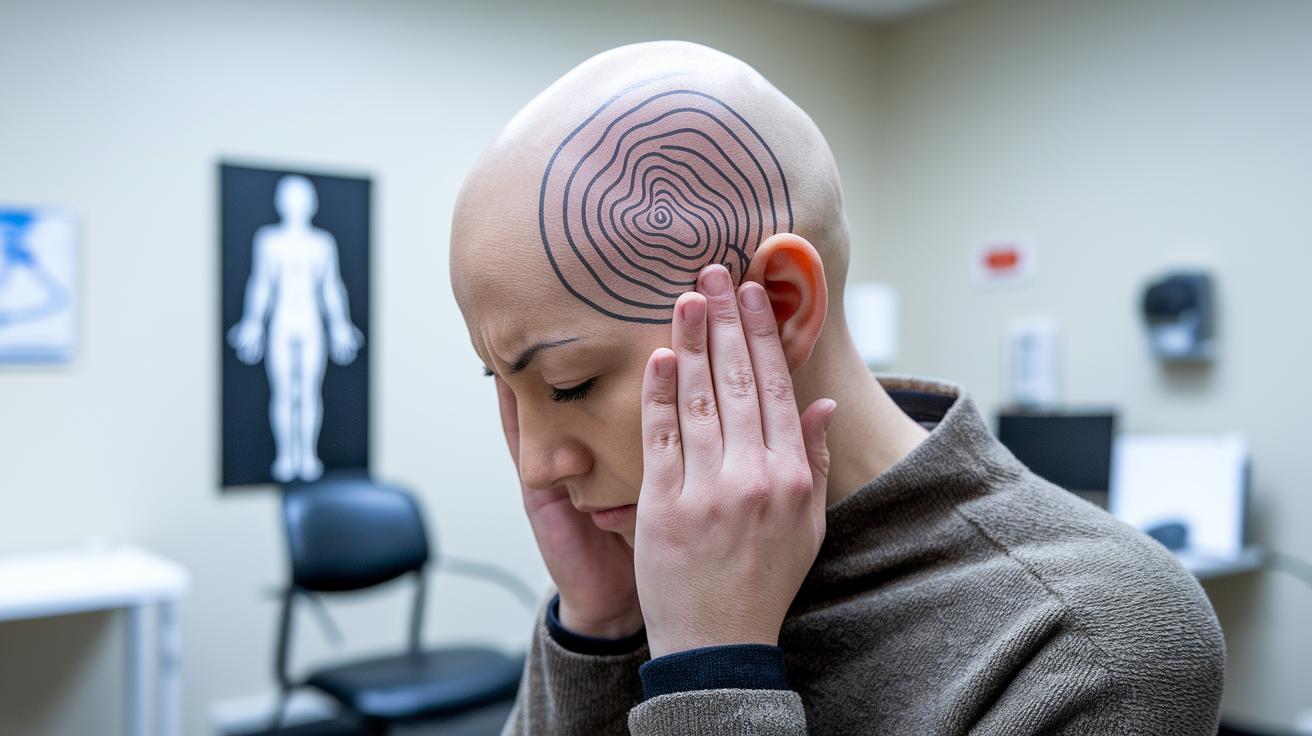
Eustachian Tube Dysfunction and Its Impact on Head Pressure
Quick take: Blocked Eustachian tubes can make your ears feel full and your head pressure increase.
If you have any of these emergency signs, call emergency services now:
- Severe ear pain
- Intense dizziness (feeling very unsteady)
- High fever or sudden change in hearing
Urgent: See a doctor today if your discomfort gets worse over 3 days.
Blocked Eustachian tubes keep your middle ear from balancing with outside air. This causes your ears to feel plugged and makes sounds seem muffled. Everyday actions like swallowing or yawning may feel strange because the pressure is off.
Sometimes an ear infection or extra mucus makes things worse. Extra mucus can boost head pressure and add to the feeling of fullness in your ears. You might also feel a bit dizzy or unsteady because your inner ear is out of sync.
A gentle Valsalva maneuver can help. Pinch your nose and blow softly. This can open the tubes and let pressure balance again. Use this tip with care, and watch your symptoms. If you’re still feeling bad, it might be time to seek more help.
Lifestyle and Postural Strategies to Ease Head and Ear Pressure

Keep your spine straight by aligning your head with your body. Do not lean forward or tilt your head too far, much like a tree standing firm in a gentle breeze. This simple adjustment helps ease the strain on the muscles around your skull and ears.
Aim to drink between 64 and 80 ounces of water each day. Staying hydrated thins out mucus (sticky fluid in your sinuses), which aids in proper sinus and ear tube function. Drinking enough water can also help reduce congestion and discomfort.
Do some gentle neck stretches, shoulder rolls, and light head movements to ease tension. These exercises relax tight muscles that may be contributing to head pressure. Stretch at your own pace, especially if you spend long periods sitting or have poor posture.
Try applying gentle pressure on two key spots: the space between your thumb and index finger (LI4) and the base of your skull (GB20). Spending 5 minutes on mindful breathing or a guided meditation can also reduce stress and calm your mind, giving you additional relief today.
When to Seek Medical Evaluation for Persistent Head and Ear Pressure
Quick take: If head or ear pressure lasts over 7 days or worsens despite home care, get medical help.
Triage:
- Red flags: Notice changes in your hearing, severe dizziness, weakness or vision changes, a high fever, or nonstop pain.
- Urgent: If over-the-counter remedies do not relieve your symptoms, arrange to see a specialist.
- Monitor: Track your symptoms by recording dates, times, and any changes.
If your head or ear pressure does not improve after 7 days or gets worse, it is time to see a doctor. These signs are important to note: any change in hearing, strong dizziness, weakness or vision changes, high fever, or constant pain. They may mean that treatment like home maneuvers or over-the-counter medicines are no longer enough.
When medicines you can buy in a store do not ease the pressure, you might need a referral to an ear, nose, and throat specialist (ENT) or a neurologist. Sometimes, if you also notice a ringing in the ears (tinnitus) along with the pressure, a hearing aid might help.
Act quickly because persistent symptoms can signal more serious issues. Keeping a simple log of your symptoms, when they start, how severe they become, and any other changes, can be very helpful during your appointment with a healthcare provider.
Final Words
In the action, we explored the key causes of head pressure and ear pressure, ranging from sinus issues to TMJ and migraine-related symptoms. We also covered clear red flags and useful home-care steps to ease discomfort.
You now have a simple guide to assess your symptoms and know when to seek help. Keep track of changes, follow practical tips, and remember that timely action can lead to feeling better. Stay positive and take care as you work through these health challenges.