
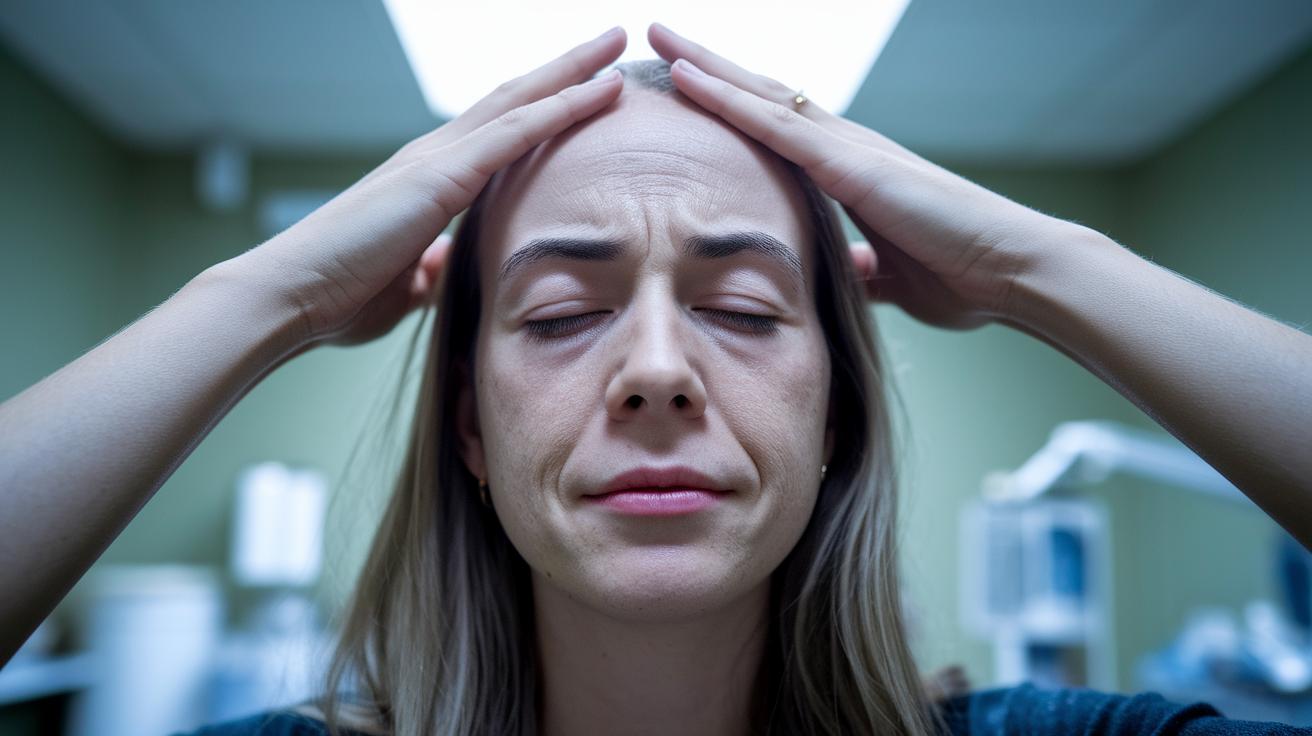

Quick take: If your head feels squeezed all day, simple daily habits might help.
If you notice any new sharp pain, sudden vision changes, or confusion, call emergency services now.
Many people report a gentle, steady pressure around the head even when there isn’t any sharp pain. It’s a constant squeeze that sticks with you all day, and it can be worrying. In this post, we offer three easy tips to help ease that tension and help you feel more at ease. We include simple lifestyle changes and stress-relief steps that may lighten the load you’re feeling. Give these tips a try and see if they help you feel better.
Understanding constant head pressure but no pain
Quick take: Constant head pressure is common and often links to stress and muscle tension. If you notice vision changes or severe symptoms, call emergency services now.
If you have any of these emergency signs, call emergency services now:
- Sudden confusion or disorientation
- Changes in vision
- Severe dizziness or loss of balance
- Numbness or weakness
Many people feel a steady pressure on their head that feels like a light squeeze or a mild weight on the skull. You might notice a tight, full, or heavy sensation, sometimes with a gentle pulsing that never turns into sharp pain. Stress can play a big role by tightening your muscles, making you feel as if you’re wearing an invisible snug headband all day.
Unlike a typical headache, which comes with sharp, pounding pain or sensitivity when you touch your temples, constant head pressure lacks those strong pain signals. This makes it harder to pinpoint what exactly is causing the sensation. In a headache, the pain usually forces you to seek relief immediately, but here the discomfort is more subtle and persistent.
Managing stress with simple techniques and watching your daily habits may help ease the pressure. Keep track of your symptoms and note any changes, and if you start to experience new or more severe signs, it’s important to get medical advice promptly.
Common causes of persistent cranial tension without ache

Quick Take: Constant head pressure without pain is usually linked to everyday issues like sinus blockages, allergies, stress, or environmental factors.
Triage:
- If you experience sudden, severe headache, changes in vision, or weakness, call emergency services now.
- If new symptoms occur or the pressure worsens, seek same-day care.
- Otherwise, monitor your symptoms and follow up with your clinician if nothing improves within a few days.
Many people feel a constant, heavy pressure in their head without sharp pain. Sinus infections (sinusitis, or swollen nasal passages) can block drainage, making your head feel full. Allergies from pollen, dust mites, or pet dander can also narrow these pathways and create a similar pressure.
Sometimes, structural issues like nasal polyps (small noncancerous growths) block clear air flow and add to the tight feeling. Stress is another common cause. When you feel stressed, your neck and scalp muscles can contract. This muscle tightening causes a kind of headache that feels like a steady compression.
Moreover, everyday environmental changes, such as shifts in weather or air quality, can make the feeling of pressure worse. Recognizing these signs helps you understand why your head might feel pressured even if you aren’t in pain.
At times, what seems like sinus pressure might actually be a migraine. Research indicates that up to 90% of self-diagnosed sinus headaches can be migraines, where the usual migraine pain is missing, but the pressure remains. Less common causes include intracranial hypertension (high pressure inside the skull) and temporomandibular joint (TMJ) disorders, which affect the jaw and nearby muscles. These conditions need careful evaluation because they each require a unique treatment plan.
A clear medical history and physical exam are key to finding the cause, whether it is sinus blockage, stress-related muscle tension, or a different issue. Getting an accurate diagnosis helps you avoid the wrong treatments and guides your path to feeling better.
Diagnostic approach to systematic evaluation of unexplained cranial tightness
Start by tracking your symptoms. Write down when you first feel the pressure in your head and note if it comes with dizziness, blurred vision, or nausea. Keeping a detailed record helps your doctor spot any patterns. Your provider may also do a basic exam to check for sinus issues by looking at nasal flow and vision changes. At first, a primary care doctor or an ear, nose, and throat specialist (ENT) will review your symptoms, focusing on your sinuses and any muscle tension.
If you notice red-flag signs, if the pressure gets worse or doesn’t improve, your doctor might refer you for a neurological exam. This check evaluates your balance, reflexes, and coordination to help decide if the cause is sinus, muscle, or something neurological. Imaging tests such as a CT scan for sinuses or an MRI for the brain can be used to rule out more serious problems. This step-by-step approach helps your clinician pinpoint the source of the pressure and guide you toward the right treatment.
Home care strategies for unremitting skull tightness free of soreness

Quick Take: These safe home care steps can help ease a tight head without pain.
Triage Box:
• If you develop new, sharp pain, fever, or your head pressure worsens, call your clinician immediately.
• If symptoms change or do not improve over a few days, seek same-day medical advice.
These methods are safe when you follow the directions. Simple, non-drug techniques can help lessen that tight, pressurized feeling without adding discomfort. Try stress relief methods like deep (diaphragmatic) breathing, mindfulness meditation (focusing on the present), or gentle yoga. Adjust your posture at work or home to ease tension in your neck and shoulders. Drinking plenty of water and getting good sleep also help your brain relax. When using nasal sprays, use them for no more than 3 consecutive days to avoid a rebound effect.
| Remedy | Purpose | Usage Guidelines |
|---|---|---|
| Oral decongestants (eg, pseudoephedrine) | Helps clear sinus congestion that can add to head tightness | Use as directed; watch for side effects |
| Topical nasal sprays (eg, oxymetazoline) | Opens nasal passages to reduce pressure | Limit use to 3 days in a row |
| Stress reduction techniques | Calms muscles and the mind | Practice daily deep breathing, mindful meditation, or gentle yoga |
Keeping a steady routine is important when managing head pressure that isn’t painful. Stick with these home care steps to feel consistent relief. Avoid overusing decongestants; too much can lead to worse congestion. Adjust your daily habits slowly and keep track of any changes in your symptoms. Even small changes in your routine can make a big difference, helping you feel better safely and effectively.
Guidance on when to seek medical help for mild cranial squeeze without pain sensation
Quick take: A light squeeze in your head may not hurt, but new or worsening signs could mean a serious issue.
If you suddenly notice any of these signs, call emergency services immediately:
• Vision that becomes blurry or changes noticeably
• Dizziness that won’t go away
• Unexplained nausea or vomiting
• Numbness or weakness in your arms or legs
• Brief blackouts
• Severe head tightening or signs of a stroke (facial drooping, arm weakness, trouble speaking)
If your symptoms stay the same for 1-2 weeks and do not worsen, schedule a routine visit with your doctor. Keep a log of your symptoms and any changes so your clinician can see what’s happening.
Long-term management of chronic cephalic load lacking hurt

Quick take: Mixing gentle exercise, thoughtful therapy, and ergonomic changes can help ease head pressure over time. If you notice your symptoms worsening, reach out to your doctor.
Combining different treatments may give you lasting relief. A mix of therapies can address both the body and the mind. When muscle tightness, stress, and poor posture all play a part, using several methods together often beats relying on just one. This way, you work on all the causes at once, building a strong base for long-term comfort.
Regular exercise like walking or swimming boosts blood flow and helps loosen tight muscles. Cognitive behavioral therapy (a type of talk therapy that changes negative thoughts) gives you tools to handle stress that may add to head pressure. Changing your workspace for better ergonomics and practicing good posture can cut strain on your neck and shoulders. These steps help your body relax and ease overall pressure.
Keeping a symptom diary is a valuable part of managing your condition. Track when you feel head pressure, note the time, and record any triggers you suspect. Use our step-by-step guide to keeping a symptom diary (https://thequickesttips.com?p=1347) to help you get started. This smart, personal record lets you fine-tune your care and communicate clearly with your healthcare provider.
Final Words
In the action, you learned what constant head pressure but no pain feels like and its key causes, from stress to sinus issues. The article showed how to check symptoms, when to track changes, and how to handle safe home treatments. You also got clear red-flag guidance and preparation tips for discussing ongoing tension with your clinician. Every tip aims to empower you to act fast and manage your symptoms, so you can move forward with confidence and a positive outlook.
FAQ
Why do I have pressure in my head every day?
The constant pressure in your head may come from sinus congestion, stress, or muscle tension. It differs from a headache by lacking sharp pain, and tracking symptoms can help your clinician pinpoint the cause.
What can cause constant head pressure?
The persistent head pressure may arise from sinus infections, allergies, stress-related muscle tension, or even rare conditions like intracranial hypertension. Accurate diagnosis often requires tracking symptoms and professional attention.
What if I feel pressure in my head but not a headache?
Feeling pressure without the typical head pain can indicate sinus congestion or tension-type episodes. Monitoring for changes and consulting your provider will help ensure that any potential issues are thoroughly evaluated.
How can I get rid of built-up head pressure?
Applying home care strategies such as using approved decongestants, practicing deep breathing exercises, staying hydrated, and ensuring proper rest can help ease built-up head pressure over time.
Why does my head feel heavy and cause dizziness?
A heavy head accompanied by dizziness might be related to sinus issues or tension headaches. It is best to monitor for worsening symptoms and seek evaluation if additional warning signs develop.
What does pressure in the head and ears mean?
The sensation of pressure in both the head and ears can signal sinus blockage or fluid build-up, often from allergies or mild infections. Proper evaluation by an ENT specialist can help determine the right treatment approach.