
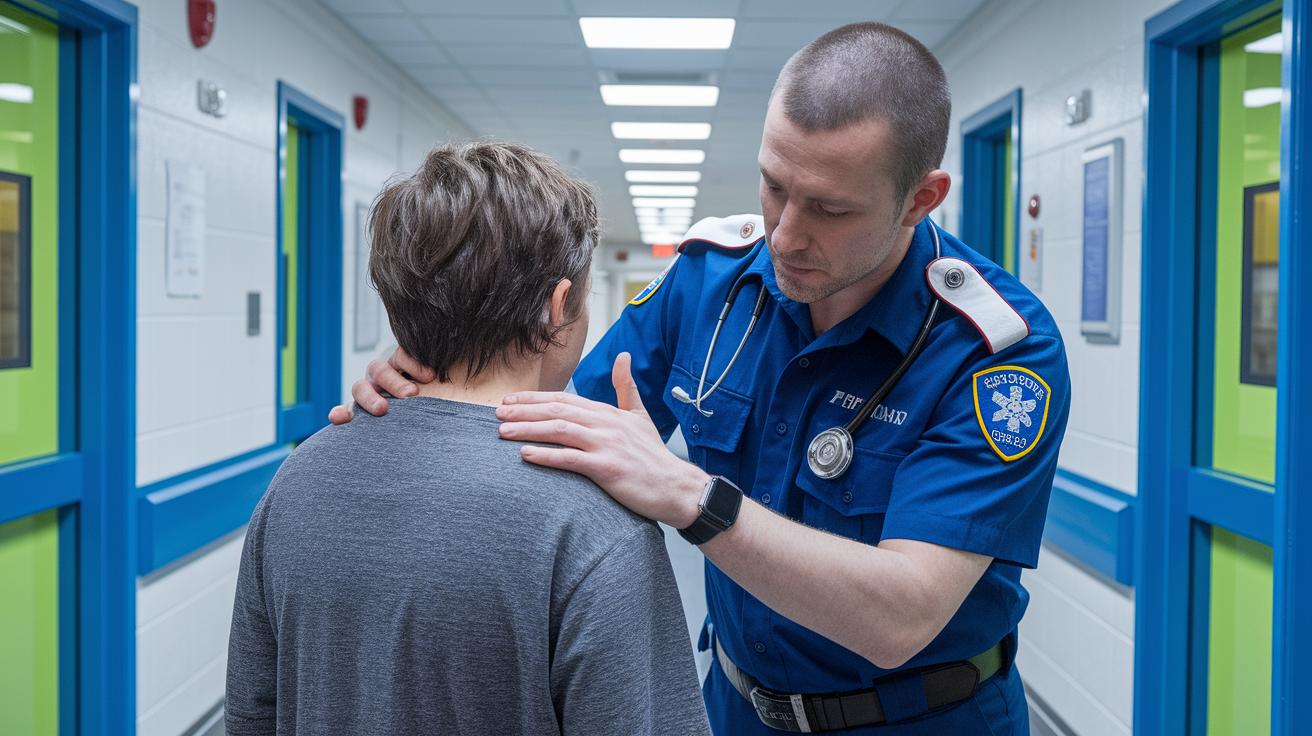

Quick Take: Shock means your body isn’t getting enough blood flow, act immediately.
If you see any of these signs, call emergency services now (in the US, 911):
• A weak or rapid pulse
• Shallow or uneven breathing
• Cold, clammy skin
Shock happens when blood isn’t reaching your heart and brain because of a serious injury or heavy bleeding. You might notice a weak pulse, slow or shallow breaths, or skin that feels unusually cold and moist. These signs mean your body is struggling, and quick action is needed.
This guide gives you calm, clear steps to recognize these warning signs and act while waiting for help. Knowing what to do in these critical moments can make a big difference.
Rapid First Aid Response for Shock
Shock is a life-threatening emergency that happens when blood stops flowing well to your vital organs. It can occur from heavy bleeding, a serious injury, or a bad allergic reaction. You might notice a weak or fast pulse, shallow breathing, clammy skin, or dizziness. Every second matters, so act quickly.
If you see these signs, take these steps right away:
- Check if the person responds when you speak to or gently shake them.
- Look to see if they are breathing normally.
- If there is no response or normal breathing, call 911 immediately.
- If you are trained and it is safe, begin CPR (chest compressions and rescue breaths) until help arrives.
While waiting for emergency services, help keep the airway open:
- Gently tilt the person’s head back and lift the chin.
- Be careful not to injure the neck.
- If no signs of life appear, start CPR to help keep blood flowing.
- Keep a close eye on their pulse, breathing rate, and skin color.
Primary Intervention Steps for Shock
- Test responsiveness by talking or gently shaking the person.
- Dial 911 or have someone nearby call.
- Begin CPR if the person is unresponsive and not breathing.
- Place the person on their back and raise their legs about 12 inches.
- Loosen any tight clothing around the neck, chest, and waist.
- Cover them with a blanket or coat to keep them warm.
- Monitor their pulse, breathing, and skin color until help arrives.
Recognizing Shock Symptoms and Signs

Shock happens when blood flow to your body’s key organs is very low. This is a serious issue, and quick action can save a life. Look out for changes in how a person looks or acts, and act fast if you notice anything wrong.
Sometimes a person in shock may look very pale or seem confused. Their skin might feel cold and clammy. These signs mean you need to check their pulse and breathing and call for help right away.
Keep an eye out for these signs:
- Rapid or weak pulse
- Shallow or quick breaths
- Cold, clammy skin
- Pale or bluish lips and nails
- Dizziness or fainting
- Confusion or agitation
- Nausea or vomiting
- Chills or heavy sweating
If you spot these symptoms, call emergency services immediately. Follow first aid steps and stay with the person until help arrives. Acting quickly makes a big difference.
Overview of Shock Types and Tailored First Aid
Quick Take: Shock is life-threatening and needs fast, careful action.
Triage Box:
If you see any of these warning signs, call emergency services immediately:
- Severe, uncontrolled bleeding
- Trouble breathing or a blocked airway
- Sudden loss of consciousness
Shock happens when your body doesn't get enough blood flow. It can result from heavy bleeding, heart problems, a severe infection, an allergic reaction, or an injury. Knowing the cause lets you act quickly with the right steps. For heavy bleeding (hypovolemic shock), press firmly on the wound, control the blood flow, and if possible, raise the legs to help blood circulation. If an allergic reaction (anaphylactic shock) is to blame, using an epinephrine auto-injector and ensuring a clear airway is key. For chest injuries that cause a blocked airway (obstructive shock), trained help may try to clear the blockage while stabilizing the injury. When the heart is struggling (cardiogenic shock), keeping the person calm in a semi-reclined position reduces strain. In septic shock, which comes from a severe infection, keeping the patient warm and monitoring their temperature is vital while waiting for professional help.
| Shock Type | Key Causes | First Aid Actions |
|---|---|---|
| Hypovolemic | Heavy bleeding | Press on the wound, control blood flow, raise legs |
| Cardiogenic | Heart attack or heart failure | Keep calm, use a semi-reclined position, monitor vitals |
| Septic | Severe infection | Keep warm, check temperature, call for help |
| Anaphylactic | Severe allergy (like bee stings or food) | Use an epinephrine auto-injector, clear the airway |
| Obstructive/Traumatic | Chest injury or collapsed lung (tension pneumothorax) | If trained, relieve blockage and stabilize injury |
Every type of shock needs special care. With hypovolemic shock, your main goal is to stop visible bleeding and support blood flow by raising the legs. For cardiogenic shock, keeping the person stable in a comfortable, semi-reclined position is important to avoid extra strain on the heart. Managing septic shock means preserving body heat and calling for help quickly as severe infection can worsen fast.
In cases of anaphylactic shock, act immediately with an epinephrine auto-injector and make sure the airway does not get blocked so breathing remains possible. And for obstructive or traumatic shock from a chest injury, only attempt to relieve the blockage if you are trained while keeping the injury as stable as possible. Each of these steps helps give the patient the best chance until professional care arrives.
Supporting the Shock Patient: Positioning and Monitoring
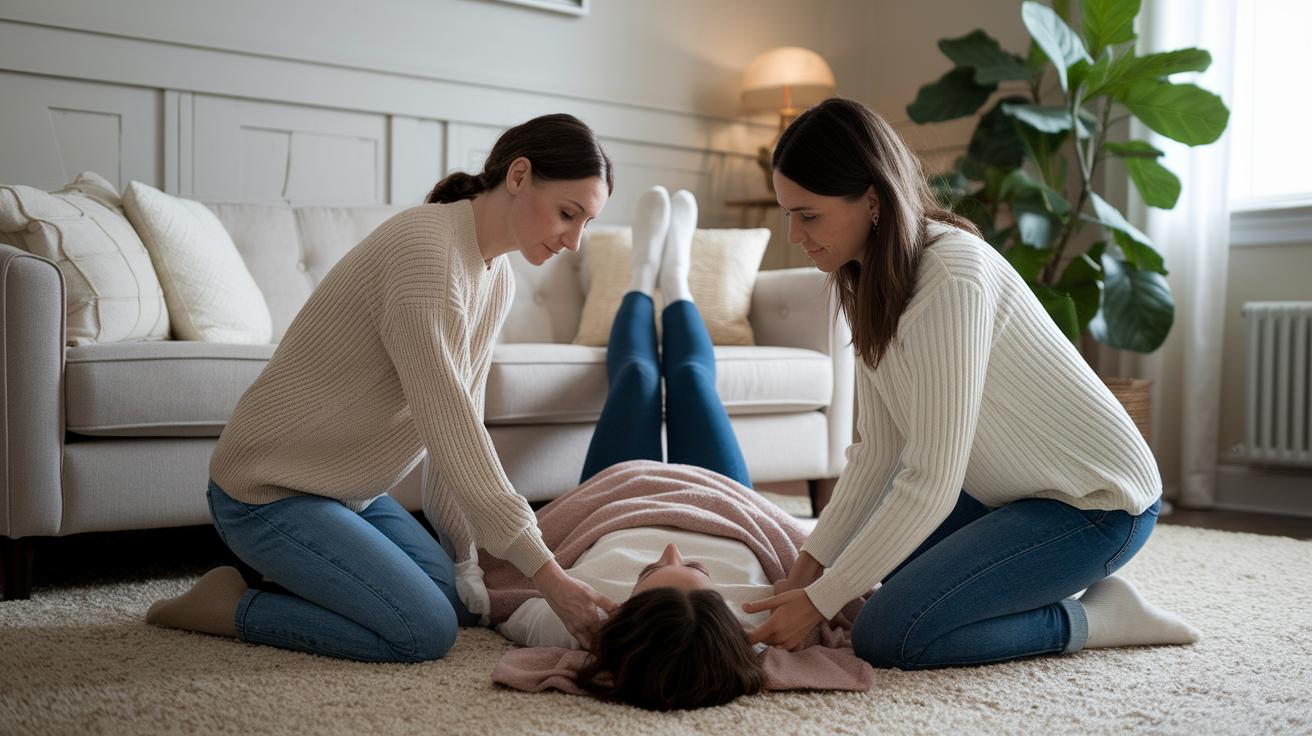
Quick Take: Lay the patient flat with legs raised if safe, keep them warm, and watch their pulse, breathing, and skin color closely. Act fast if anything suddenly changes.
If you see any emergency signs, such as rapid changes in pulse or breathing or a shift in skin color, call emergency services immediately.
Here's what to do:
-
First, gently lay the patient on their back. If there is no injury to the head, neck, back, or legs, raise their legs about 12 inches. This simple step helps improve blood flow to the heart and brain.
-
Cover the patient with a blanket or jacket to keep them warm. If they are fully awake, offer small sips of water to help ease dehydration without overloading the stomach.
-
Keep a constant eye on the patient by checking their pulse, breathing, and skin color. If you notice any sudden changes and you are trained with supplemental oxygen available, use it safely.
| Step | Instruction |
|---|---|
| Positioning | Lay the patient flat and lift legs 12 inches if safe |
| Warming & Hydration | Cover with a blanket; offer small sips of water if alert |
| Monitoring | Watch pulse, breathing, and skin color; use oxygen if trained |
Remember, if you see any sign a patient is getting worse, act immediately. Stay calm and follow these steps until help arrives.
When to Call 911 and Activate Emergency Protocols
If someone stops responding, breathes oddly, has a barely felt or missing pulse, loses a lot of blood, or looks very confused, call 911 right away. If you know how to do CPR and the person isn’t breathing normally, start CPR.
When you speak with the emergency operator, say that the person might be in shock. Share only the main details since other sections explain how to talk to dispatch.
| Sign | What to Do |
|---|---|
| Unresponsive or odd breathing | Call 911; start CPR if you can |
| Weak or missing pulse, heavy bleeding, extreme confusion | Call 911 immediately |
Special Considerations: Pediatric and Elderly Shock Care

Quick take: Shock appears differently in children and older adults. Check for fast heartbeats, changes in behavior, or unusual coolness, and act now if you see severe signs.
If you notice a child with a fast heart rate, irritability, or cool hands and feet, be alert. Kids may also become extra quiet or clingy after an injury. A lively child suddenly turning withdrawn can be a sign their body is in shock.
It is crucial to keep an eye on fluids and vital signs in children. They can lose fluids very quickly, so check their pulse, breathing, and alertness often. Offer small sips of fluid when they are awake, and note any changes. Measuring fluids accurately is important because the wrong amount can cause more problems.
Older adults may show shock in less obvious ways. They might not have a very fast pulse or dramatic changes in body temperature. Instead, they can look confused or unusually tired. Chronic health issues may hide the signs of shock, so make sure to check their vital signs often.
For elderly patients, adjusting medication doses and IV fluids is key since their bodies handle treatments differently. Their skin is more delicate, so handle them gently to avoid pressure sores. Keep them warm to prevent low body temperature, and watch closely for any long-term issues like organ problems.
Preventing Shock and First Aid Training Recommendations
Quick take: Stay alert, remove hazards, and get trained now to cut shock risks.
If you notice any severe signs like heavy bleeding, confusion, or pale, clammy skin, call emergency services immediately.
Keep your space safe. Clear out hazards and store first aid kits where you can reach them fast. Control bleeding by pressing firmly on wounds. Avoid allergens and triggers to protect yourself, your family, and your coworkers. These simple steps can save critical seconds.
Get certified in first aid to act fast when shock occurs. Local courses teach you how to stop bleeding, spot early shock signs, and handle emergencies confidently. Many classes even offer specialized training in caring for children, outdoor situations, or mental health crises. Often, these programs promise a full refund if they do not meet standards.
To be ready for unexpected emergencies and to protect your community, sign up for a first aid course now. For details or to enroll, call 888-277-3143 immediately. Act now to be prepared.
Final Words
In the action, you’ve explored how first aid on shock involves quick assessments and decisive interventions. We covered how to spot signs like rapid pulse and clammy skin and highlighted key steps such as checking responsiveness, dialing 911, and starting CPR if needed.
We also reviewed shock types, supportive care, and special care for children and elders. Stay confident and ready, knowing that practical training and a clear head can make all the difference.
FAQ
How to treat shock and what is the first aid treatment for shock?
The first aid treatment for shock involves checking responsiveness, calling 911, and keeping the patient flat with legs elevated. You should begin CPR if the patient is unresponsive and continuously monitor vital signs until EMS arrives.
What is shock and what causes it?
Shock is an emergency condition where blood flow is insufficient to vital organs. It can be caused by severe bleeding, trauma, infections, or allergic reactions, and it requires immediate first aid to stabilize the patient.
What are the types of shock and what is traumatic shock?
Shock types include hypovolemic, cardiogenic, septic, anaphylactic, and traumatic shock. Traumatic shock results from severe injury and bleeding, requiring prompt control of bleeding and stabilization actions.
Which of the following is a common sign or symptom of an asthma attack?
A common sign of an asthma attack is shortness of breath. Other symptoms include wheezing, chest tightness, and coughing, which indicate airway constriction and require quick use of prescribed inhalers.
What are the signs of shock to look for in first aid?
Signs of shock include a rapid or weak pulse, shallow breathing, cold clammy skin, dizziness, or confusion. Recognizing these signs early helps you act swiftly to provide proper first aid.
What does a first aid for shock presentation (PPT) typically include?
A first aid for shock PPT usually covers the causes, key signs, primary intervention steps, and monitoring techniques. It offers a step-by-step guide to educate and prepare responders for emergency care.
What are 5 common treatments for shock?
Five common treatments are checking responsiveness, dialing 911, initiating CPR if necessary, elevating the patient’s legs, and loosening restrictive clothing while keeping the patient warm until professional help arrives.