
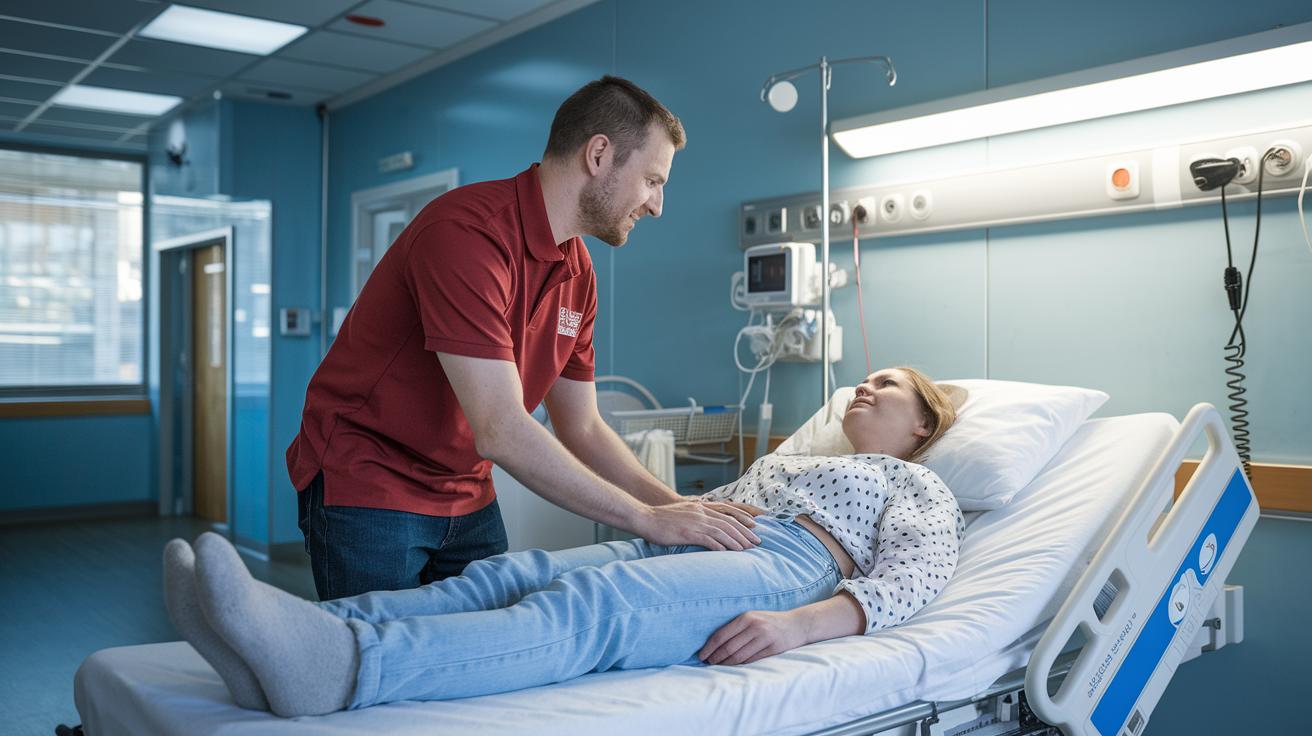

Quick Take: First aid basics can save lives in an emergency.
If you see heavy bleeding or trouble breathing, call emergency services right away (for example, dial 911).
When an accident happens, every second matters. Basic first aid gives you simple steps to act quickly and safely. First, make sure the area is safe. Then, control any bleeding and keep the injured person calm until help gets there.
In this guide, you’ll learn easy techniques to protect life, stop harm, and help recovery. By remembering the Three P’s (preserve life, prevent further injury, protect the person), you can feel more confident to act when it counts.
Basic First Aid Techniques for Effective Emergency Response
Quick take: Save lives by acting calmly, checking for hazards, and following the Three P's: preserve life, prevent harm, and promote recovery.
Triage Box:
• Emergency: If you see heavy bleeding, trouble breathing, or serious injuries, call 9-1-1 immediately.
• Urgent: If the scene has dangers like fire, falling debris, or heavy traffic, make sure you are safe before helping.
• Watch and self-manage: If it is safe and you feel confident, use your basic first aid skills but seek professional help as soon as possible.
Start by checking your surroundings for any risks. Look for fires, falling objects, or busy traffic that could endanger you. Your safety comes first so you can help effectively.
If you notice signs such as uncontrolled bleeding, breathing problems, or severe injuries, stay calm and call 9-1-1 straight away. Only offer help if you are trained in first aid.
Follow these steps immediately:
- Secure the area by moving away from potential hazards.
- Check if the person is responsive and awake.
- Call emergency services once you are safe.
- Provide only the care you know, using your basic first aid training.
- Use a clean cloth or bandage to help slow any bleeding.
Remember, always keep your safety at the forefront. By following these clear steps and using calm judgment, you help preserve life, prevent further injury, and support recovery until professional care arrives.
Basic First Aid Wound Care: Treating Cuts and Bleeding
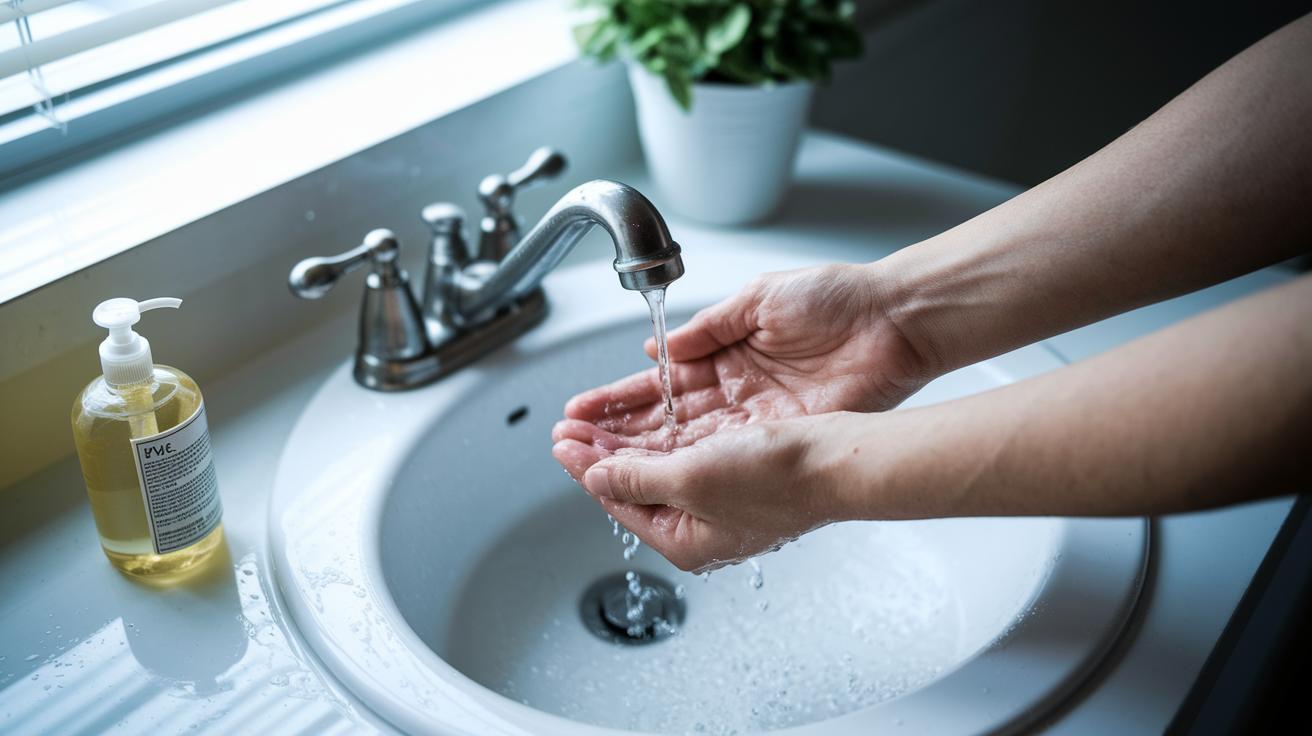
Quick Take: Clean your cut right away and cover it firmly to slow the bleeding. If the blood won’t stop or you feel dizzy, act immediately.
Triage Box:
• Call emergency services now if you have heavy bleeding, feel faint, or the cut is deep.
• Seek same-day medical attention if the cut is large or if redness, swelling, or pus appears.
• For minor cuts, use basic self-care: clean, cover, and monitor the wound.
Start by washing your hands with soap and water. This simple step helps keep germs away from your cut. Next, rinse the affected area under cool running water. This flushes out dirt and debris. Use a little mild soap on the skin around the cut, but don’t let the soap hit the wound directly.
After rinsing, place a clean cloth or a sterile bandage on the cut. Press down firmly to help slow the bleeding. Hold the pressure until you see the flow lessen.
Step-by-Step:
- Wash your hands with soap and water.
- Rinse the cut with cool running water.
- Gently clean the skin around the cut with mild soap.
- Cover the area with a clean cloth or sterile bandage.
- Press firmly until the bleeding slows.
Following these steps lowers the risk of infection and helps your wound heal faster.
Basic First Aid for Burns, Heat Exhaustion, and Hypothermia
Quick Take: Act fast and follow these clear steps to help someone with burns, heat exhaustion, or hypothermia.
Triage Box:
• If you see deep burns (second-degree or worse) or broken skin, call emergency services now.
• If someone with heat exhaustion becomes dizzy, confused, or faints, seek urgent help.
• If a person with hypothermia shows shivering, confusion, or drowsiness, get professional care immediately.
Burns:
Start by checking the type of burn. For minor burns (first-degree), which cause redness and pain, gently run cool, not ice-cold, water over the area for at least 10 minutes. Keep any blisters intact because they help protect the skin from infection. For deeper burns, keep the area clean and lightly cover it with a sterile cloth while waiting for help.
Heat Exhaustion:
Watch for signs like heavy sweating, weakness, and dizziness. Move the affected person to a cooler, shaded area right away. Have them sit or lie down and offer small sips of water. If the symptoms worsen or new issues appear, be ready to get professional medical attention.
Hypothermia:
If the body temperature drops below 95°F, act immediately. Bring the person indoors to a warm place and take off any wet clothes. Wrap them in blankets and, if you have one, place a warm (not hot) water bottle on the chest, neck, and groin. Keep a close eye on them. Shivering, confusion, or drowsiness are signs that you need to get professional help as soon as possible.
Step-by-Step:
• Cool minor burns with lukewarm water.
• Move someone with heat exhaustion to a cool environment.
• Warm someone with hypothermia gradually and be ready to seek medical help.
Basic First Aid for Sprains, Fractures, and Joint Injuries
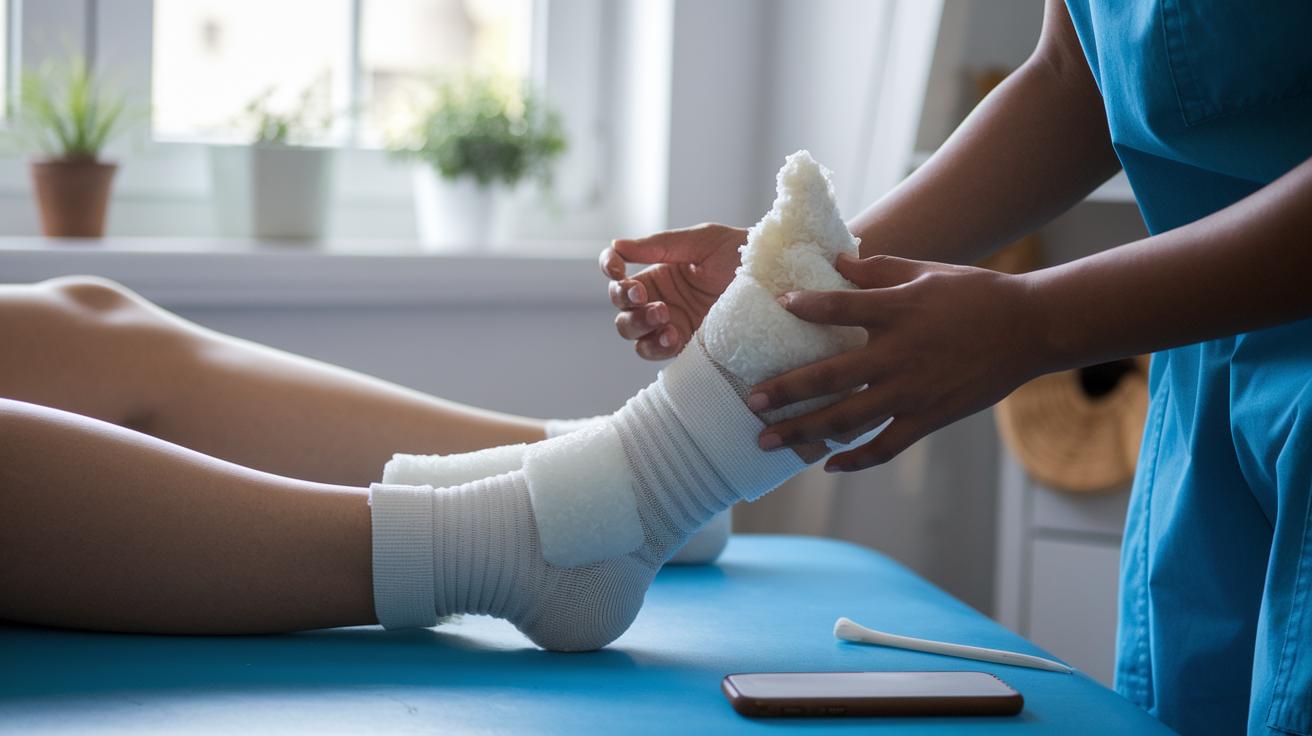
Quick Take: Act fast by using the RICE method and proper support to keep the injury stable until you can get professional help.
Triage Box:
- Emergency: Call emergency services (911 in the US) if you have very severe pain, a deformed limb, or you cannot move the area.
- Urgent: If you suspect a serious break or severe joint injury, keep the area still and get care the same day.
- Watch and self-manage: For minor sprains or strains, treat the injury with simple first aid and watch your symptoms closely.
Stop using the injured area immediately. For sprains or strains, use RICE:
- Rest the limb to avoid more damage.
- Ice the injured area by wrapping an ice pack in a cloth to reduce swelling.
- Compress the area by wrapping it with an elastic bandage.
- Elevate the limb above your heart to help cut down the swelling.
If you think you might have a fracture, support the area with a splint or even a rolled towel. Gently secure the support without putting pressure on the injury. Stabilizing the break can help reduce pain and prevent further harm. Keep the injured person calm and still while you plan for a medical evaluation.
Basic First Aid for Choking and Cardiac Emergencies
Quick take: In blockages or heart attacks, every second counts – act quickly and calmly.
Triage Box:
- Call emergency services (9-1-1) immediately if the person shows severe distress.
- For choking, if they cannot breathe or talk, start the Heimlich maneuver right away.
- For heart attack signs like chest pain, shortness of breath, or pain spreading to the arm, neck, or jaw, call 9-1-1 without delay.
- If you are trained and the person is not breathing, begin CPR immediately.
If someone is choking, stand behind them and wrap your arms around their waist. Make a fist and place it just above their belly button. Cover your fist with your other hand and push hard and upward until their airway clears. A sharp, well-timed thrust can help free their airway and restore breathing.
In a heart emergency, be alert for heavy, squeezing chest pain, trouble breathing, nausea, or pain that spreads to the arm, neck, or jaw. If you see these signs, call 9-1-1 right away. If the person becomes unresponsive, check quickly for breathing and a pulse. If none are found, start CPR by doing chest compressions at a rate of 100-120 per minute, pressing firmly in the center of the chest. If you know how, give rescue breaths safely in cycles. Quick, confident action can make all the difference in these critical moments.
Basic First Aid Kit Essentials and Household Emergency Preparedness
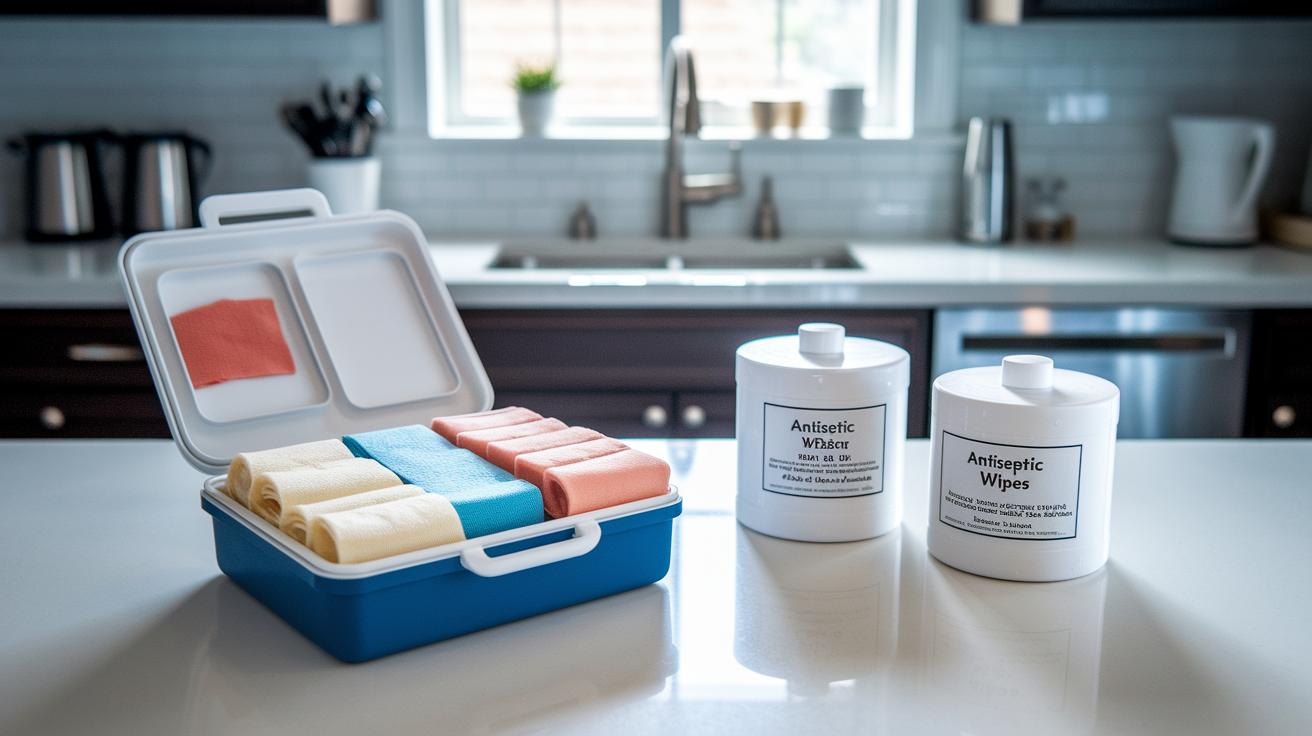
Quick take: Keep a ready-to-use first aid kit that helps you act quickly in an emergency.
A good first aid kit helps you feel prepared and safe. Pack your kit with basics like bandages, antiseptic wipes (for cleaning cuts), sterile gauze, medical tape, scissors, tweezers, and disposable gloves. Don’t forget to include a list of emergency contacts. Store the kit in a clearly labeled container you can get to fast.
Check your kit every 3 months. Replace expired items like wipes and bandages. Regular reviews keep your kit reliable when you need it most.
Follow these simple steps:
- Gather essential supplies.
- Place them in a sturdy, waterproof container with a clear label.
- Keep the kit in a central spot that everyone knows.
- Inspect and update the contents regularly.
- Add and update your emergency contacts list.
Being prepared means having a kit that works every time. Review and adjust your supplies to match your home’s needs and local contacts. This small effort can make a big difference during an emergency.
Basic First Aid Training: Courses and Resources for Beginners
First aid training gives you the skills and confidence to act quickly when an emergency occurs. A one-day course from the American Red Cross, for example, teaches CPR (chest compressions and breathing support), care for wounds, and how to help someone who is choking through hands-on practice under expert guidance.
Local clinics and community centers often offer in-person workshops so you can learn by doing. You can also find free online tutorials that let you review key steps at home. Whether you choose a structured course or digital classes, formal training helps you know the proper way to respond in a crisis.
Consider these options:
- Sign up for a certified training session to practice in real time.
- Try free online courses for flexible, self-paced learning.
- Join local workshops to learn hands-on first aid techniques.
Taking a formal first aid course allows you to ask questions and get immediate feedback from experts. Regular practice keeps your skills sharp when every second counts.
Final Words
In the action, you heard clear steps on checking the scene, managing wounds, burns, joint injuries, and airway blockages. The guide also walked you through assembling a ready first aid kit and finding training resources to build confidence. Each section delivers easy actions to keep your family safe. Follow each tip and keep your skills sharp. Remember, basic first aid is your tool for immediate care and peace of mind in an emergency.
FAQ
Q: What are the basics of first aid?
A: The basics of first aid involve checking for safety, calling emergency services, and following steps that preserve life (protecting the injured), prevent harm, and promote recovery until professional help arrives.
Q: What are 10 basic first aid tips?
A: The 10 basic first aid tips include actions like assessing safety, calling 911 when necessary, controlling bleeding, cleaning wounds, using proper bandaging, and performing CPR if needed to stabilize the patient.
Q: What are the 5 most important first aid skills and rules?
A: The 5 key first aid skills and rules are to ensure scene safety, call emergency services, control bleeding, manage burns or shock when present, and stabilize injuries using simple techniques like the RICE method until help arrives.
Q: What are the 7 steps or basic first aid steps?
A: The 7 basic first aid steps start with checking for hazards, assessing the victim, calling for help, initiating care such as bleeding control or CPR, and continuing support until professional medical assistance is available.
Q: What does basic first aid training involve?
A: Basic first aid training involves learning emergency response through certified courses and resources like PDFs and PPTs, which teach you hands-on skills to manage injuries safely before professional help arrives.
Q: What should a basic first aid kit include?
A: A basic first aid kit should include various bandages, antiseptic wipes, sterile gauze, medical tape, scissors, tweezers, disposable gloves, and a list of emergency contacts, ensuring you’re prepared for minor injuries.