
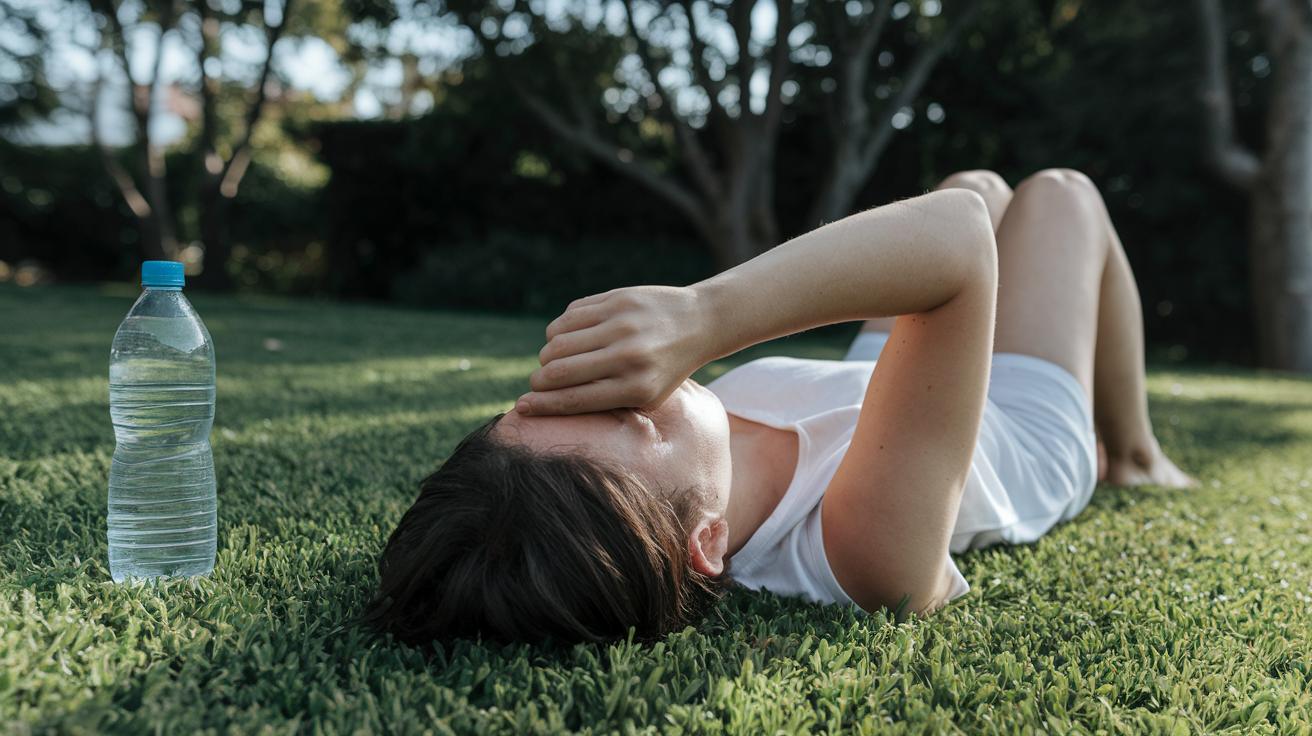

Quick Take: Heat exhaustion can develop quickly on hot days or after heavy exercise. Act fast with simple home steps to bring your body temperature down.
If you have any emergency signs such as confusion, fainting, chest pain, or seizures, call emergency services now (in the US, dial 911).
Heat exhaustion happens when your body loses too much water and salt. You might feel dizzy, weak, or overly warm. This guide gives you step-by-step tips to cool down safely at home.
• Move to a cooler spot.
• Remove extra clothing.
• Drink water slowly.
• Fan yourself or use a cool, damp towel on your skin.
These steps can help lower your body temperature and prevent heat stroke. Keep track of how you feel and seek help if symptoms worsen.
Stay safe and take care of yourself.
Step-by-Step First Aid for Heat Exhaustion at Home
Quick take: Act fast to lower your body temperature and avoid heat stroke.
If you have any of these emergency signs, call 911 immediately:
- Confusion or trouble staying alert
- Severe weakness or fainting
- A very high temperature (above 40°C)
Heat exhaustion happens when your body gets too hot and loses fluids quickly. It can occur in hot, humid weather or after hard exercise. The goal is to bring your core temperature back to a safe range (about 36.1°C to 37.8°C). Here’s what you can do right away:
- Move to a cool, shady spot where the air flows.
- Loosen tight or heavy clothes so your body can breathe.
- Fan yourself to help sweat evaporate and cool down.
- Put cool, wet towels or ice packs on your neck, under your arms, and around your groin.
- Raise your legs a little to improve blood flow.
- Drink water or an electrolyte drink to replace lost fluids.
- Check your temperature. If it keeps rising or you feel worse, call 911 right away.
Keep a close eye on how you feel after these steps. Stay in a cool place and keep drinking fluids. If your symptoms worsen, don’t wait, get medical help immediately.
Recognizing Early Signs of Heat Exhaustion
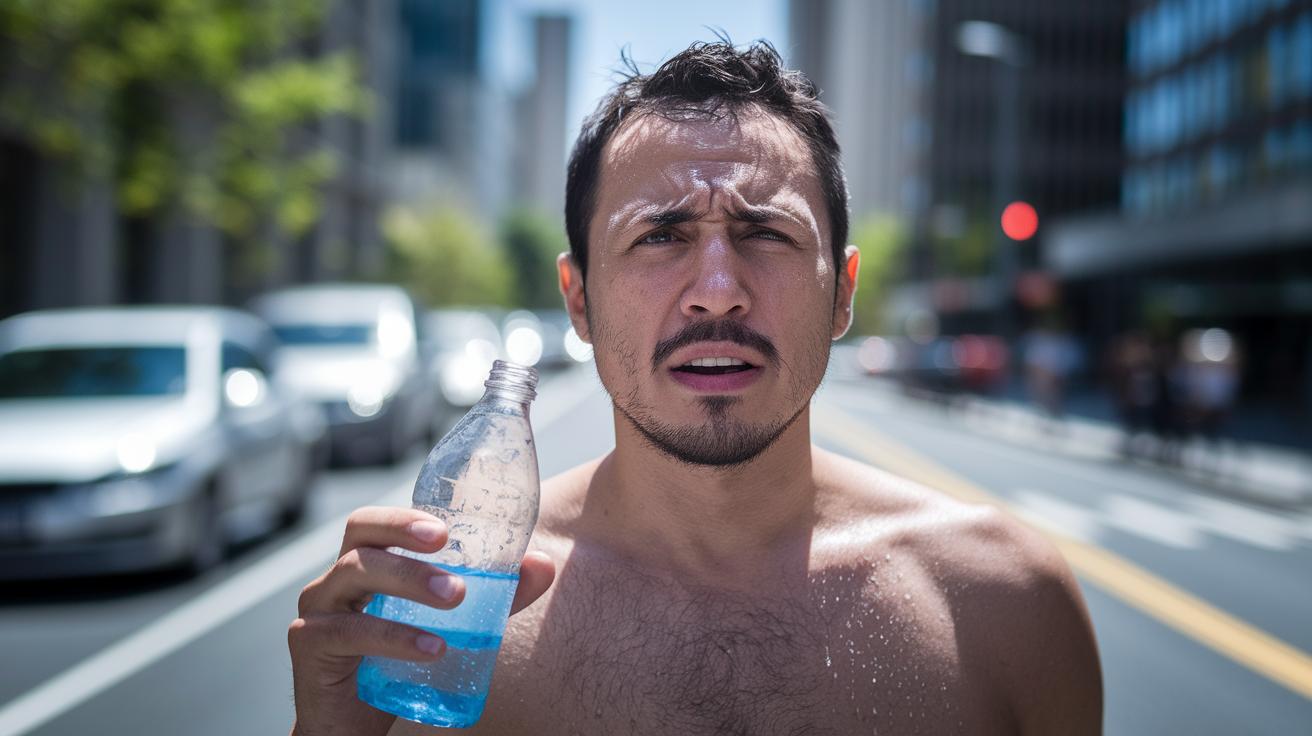
Heat exhaustion often starts with heavy sweating and a fast heartbeat. You might feel dizzy, get a headache, or have muscle cramps, nausea, and general weakness. Even though your body temperature rises, it usually stays below 40°C (104°F). These signals show that your body is having trouble cooling down. When you notice these early signs, act quickly to cool off and prevent more serious problems.
Hot, humid weather and not drinking enough fluids can make these symptoms show up faster. In muggy conditions, your body loses water quickly, which can worsen dizziness, fatigue, and cramps. Kids and older adults are especially at risk since their bodies may not adjust to heat as well. If you or a loved one shows these signs, get cool air and water right away to lower the chance of further complications.
Cooling Techniques Essential in First Aid for Heat Exhaustion
Cooling down your body fast is key to keeping heat exhaustion from getting worse. Fast cooling helps your body manage overheating. These methods support your natural cooling ability and lower the risk of serious heat problems.
| Technique | How It Works | Recommended Duration |
|---|---|---|
| Fanning | Increases air flow to help sweat evaporate faster | 5-10 minutes continuously |
| Cool compresses | Puts cold, damp cloths or ice packs on key spots like the neck, armpits, and groin | 10-15 minutes at a time |
| Water immersion | Soaks wrists and ankles to cool the blood as it moves | 5-10 minutes per session |
| Mist spray | Lightly sprays water on your skin; air flow then helps evaporate the moisture | As needed for comfort |
| Clothing changes | Swaps damp clothes for dry ones to stop additional heat buildup | Until you feel normal |
Avoid cooling too much. If you start feeling cold or shivery, try a different method or shorten the time. Check how you feel often to make sure you are cooling safely without stressing your body further.
Hydration and Rest Guidelines in First Aid for Heat Exhaustion
Quick take: Sip fluids slowly and rest in a cool, shaded spot to help your body recover from heat exhaustion.
Triage Box:
If you have any of these emergency signs, call emergency services now:
- Severe dizziness or confusion
- Fainting or trouble waking up
- Very rapid heartbeat (over 100 beats per minute) or shortness of breath
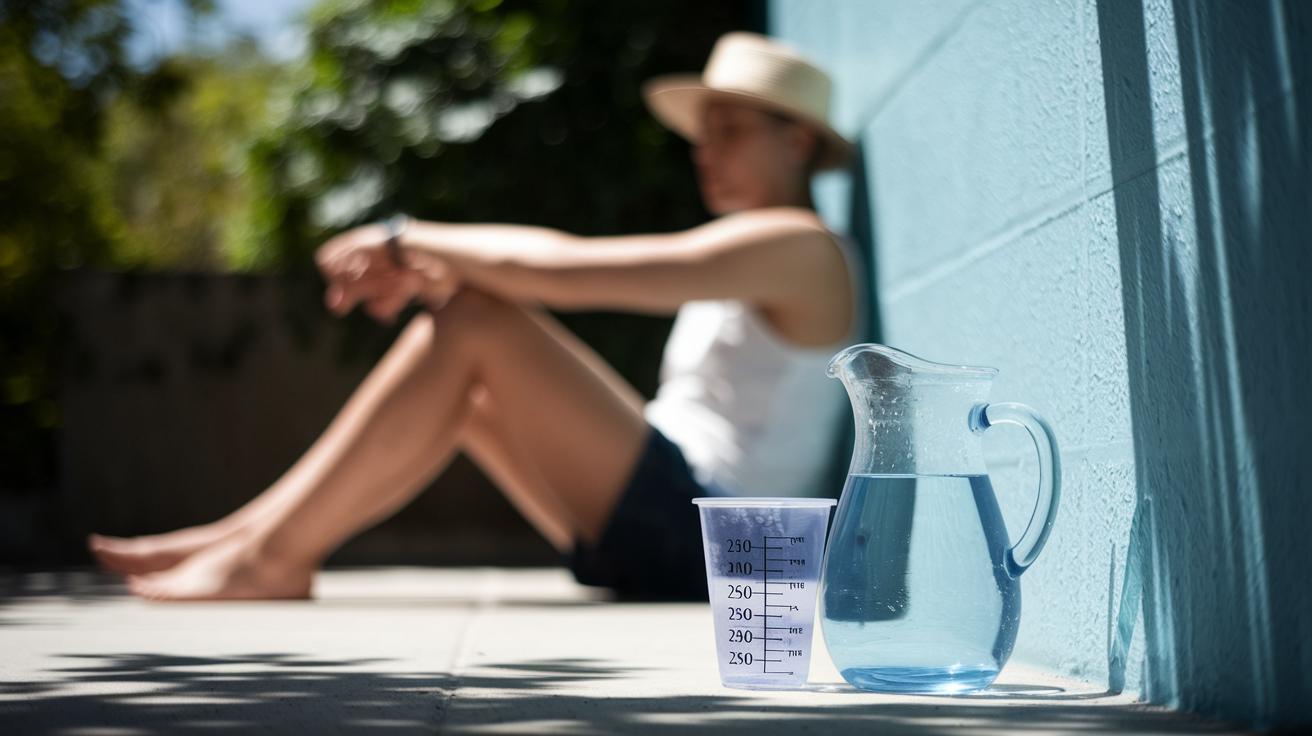
For fluids, aim to drink 250–500 ml of water or an electrolyte solution every 15–20 minutes. This steady pace replaces the sweat you lose. Use a measured cup or a water bottle with clear markings so you know exactly how much you are drinking. Avoid drinks with caffeine or alcohol because they can make dehydration worse. For example, pour 300 ml into your cup and sip it slowly over 15 minutes. These small, regular sips help your body gradually rehydrate without overwhelming it.
Rest is just as crucial. Find a cool, shady area with good airflow where you can relax and avoid more heat. Rest for at least 30 minutes to give your body time to cool down and rebalance its fluids. While you rest, keep an eye on how you feel. If you notice ongoing weakness or other signs of distress, seek help right away. Continue to monitor your progress until you are sure you are on the mend.
Escalating Care: When First Aid for Heat Exhaustion Isn’t Enough
If you see someone who is confused, passes out, or has a body temperature higher than 40°C (104°F), act immediately. These are clear red flags that the person has moved from heat exhaustion to heat stroke.
Call 911 now. When you call, explain that the person shows signs of heat stroke. Tell them about the confusion, loss of consciousness, and very high temperature. Let them know if you have already started cooling steps, like fanning the person or using cool compresses on the head, neck, and underarms.
While you wait for help, keep cooling the person. Move them to a shady or cool spot. Place cool, damp cloths on their skin and fan them if possible. Watch their vital signs closely and be ready to update emergency responders with any changes.
Preventive Measures to Reduce Risk of Heat Exhaustion

Quick take: Dress light, stay cool, and drink water often.
If you have any of these emergency signs, severe dizziness, rapid heartbeat, confusion, or fainting, call emergency services now.
Common causes include long sun exposure, high heat, and not drinking enough fluids. Here’s what you can do:
- Wear loose, light-colored clothing made of breathable fabric so your body can cool naturally.
- Use a wide-brim hat to protect your face and neck.
- Put on UV-protective sunglasses and apply broad-spectrum sunscreen to guard against sunburn.
- Schedule outdoor activities for early morning or later in the evening when it’s cooler.
- Take regular breaks in the shade or an air-conditioned place to let your body recover.
Keep track of your water intake:
- Have water or an electrolyte drink close by.
- Set reminders to drink small sips throughout the day, even if you’re not thirsty.
- Note any signs of dehydration like a dry mouth or feeling lightheaded.
Following these steps will help reduce your risk of heat-related problems and keep you safe when it’s hot outside.
Final Words
In the action, you learned step-by-step how to respond quickly with first aid for heat exhaustion. The guide breaks down spotting early signs, cooling techniques, hydration, and when to escalate care. It explains how to move to shade, loosen clothing, use cool compresses, and monitor vital signs. The advice also covers practical tips for reducing future risks. This clear, actionable plan is designed to keep you safe and calm when time is critical. Stay cool and trust these steps to help you act quickly.
FAQ
Frequently Asked Questions
What does heat exhaustion treatment at home include?
Heat exhaustion treatment at home includes moving to a cool, shaded area, hydrating with water or electrolyte drinks, using cool compresses on key areas, and resting until symptoms subside.
How can you prevent heat exhaustion?
Heat exhaustion prevention involves staying cool, wearing light clothing, planning outdoor activities for cooler hours, and drinking plenty of fluids to avoid dehydration during hot conditions.
What is the first aid for heat cramps?
Heat cramps first aid entails gentle stretching, rehydrating with electrolyte drinks, and resting to relieve muscle pain and restore proper fluid balance.
What causes heat exhaustion?
Heat exhaustion is caused by prolonged exposure to high temperatures, dehydration from inadequate fluid intake, and overexertion in a hot environment.
How long does heat exhaustion last or take to go away?
Heat exhaustion typically lasts a few hours to a few days if you follow proper rehydration and cooling measures. The duration may vary based on your health and how quickly you act.
What are the first signs of heat exhaustion?
The first signs of heat exhaustion include heavy sweating, rapid heartbeat, dizziness, headache, muscle cramps, and weakness, indicating the need for immediate cooling and hydration.
How do you treat heat exhaustion in adults?
Treating heat exhaustion in adults means moving to a cool place, hydrating, using cool compresses, and resting. Monitor your condition and seek emergency help if symptoms worsen quickly.
Is Tylenol recommended for heat exhaustion?
Tylenol (acetaminophen) is not the main treatment for heat exhaustion; its use is limited to reducing fever or discomfort. The focus should always be on cooling down and rehydration.
What are the symptoms of being overheated?
Symptoms of being overheated include feeling extremely hot, excessive sweating, dizziness, headache, and nausea, which signal that your body is trying to cool down from excess heat.
What indicates a late heat stroke?
A late heat stroke shows signs like confusion, loss of consciousness, a very high body temperature, and possible seizures. These symptoms require immediate emergency care.