
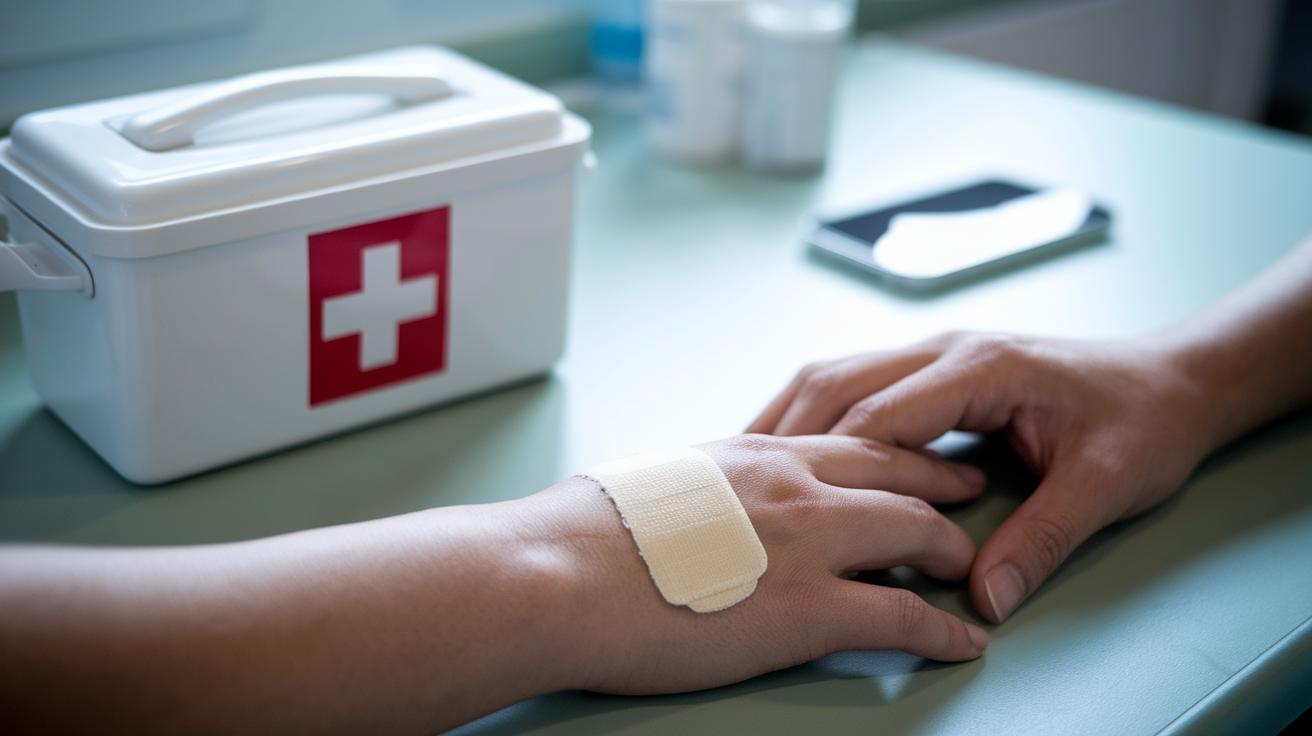

Quick take: Clean and cover a small scrape right away to help it heal safely.
If you notice any of these emergency signs, call emergency services now:
• The scrape is deep or bleeding heavily.
• You have fever, severe pain, or spreading redness.
• You feel dizzy or faint.
Most scrapes are simple wounds that can heal with proper care. Left untreated, even a small scrape might get infected. Think of cleaning your scrape as clearing a path for healing, it helps your skin repair itself quickly.
Here’s what you can do:
- Wash your hands with soap and water.
- Gently clean the scrape using water and a mild soap.
- Pat the area dry with a clean towel.
- Cover the scrape with a sterile bandage to keep it protected.
These steps help remove dirt and guard against germs. Following this routine right away can prevent infections and support your skin’s natural healing process.
Remember, if your symptoms worsen or you see signs of infection, seek medical care promptly.
first aid for abrasions: quick healing tips
Quick take: Clean and cover abrasions fast to lower infection risk.
Triage:
If you notice any of these warning signs, act immediately:
- Uncontrolled bleeding – call emergency services.
- Increasing redness, swelling, or pus – seek same-day medical care.
- Severe pain or signs of deep injury – get urgent help.
Everyday minor scrapes from slicing bread or tripping can leave your skin at risk if not cared for right away. Quick cleaning stops bacteria and dirt from causing bigger problems.
What to do now:
- Press gently with a clean cloth or sterile gauze to stop any bleeding.
- Rinse the area with lukewarm, running water to wash away dirt.
- Dab on a sterile antiseptic (like povidone-iodine or chlorhexidine) to kill germs.
- Cover the wound with a clean, breathable dressing such as nonstick gauze or an adhesive bandage for protection.
Keep an eye on your healing:
- Note the date and any changes in pain or appearance.
- If the wound worsens or shows signs of infection after a few days, contact your clinician.
Following these steps promptly helps your skin start repairing right away and makes recovery smoother.
Best Methods for Cleaning and Disinfecting Abrasions
If your abrasion shows signs of infection, like increasing redness, swelling, severe pain, or pus, you should seek urgent medical care.
Quick Steps for Rapid Reference
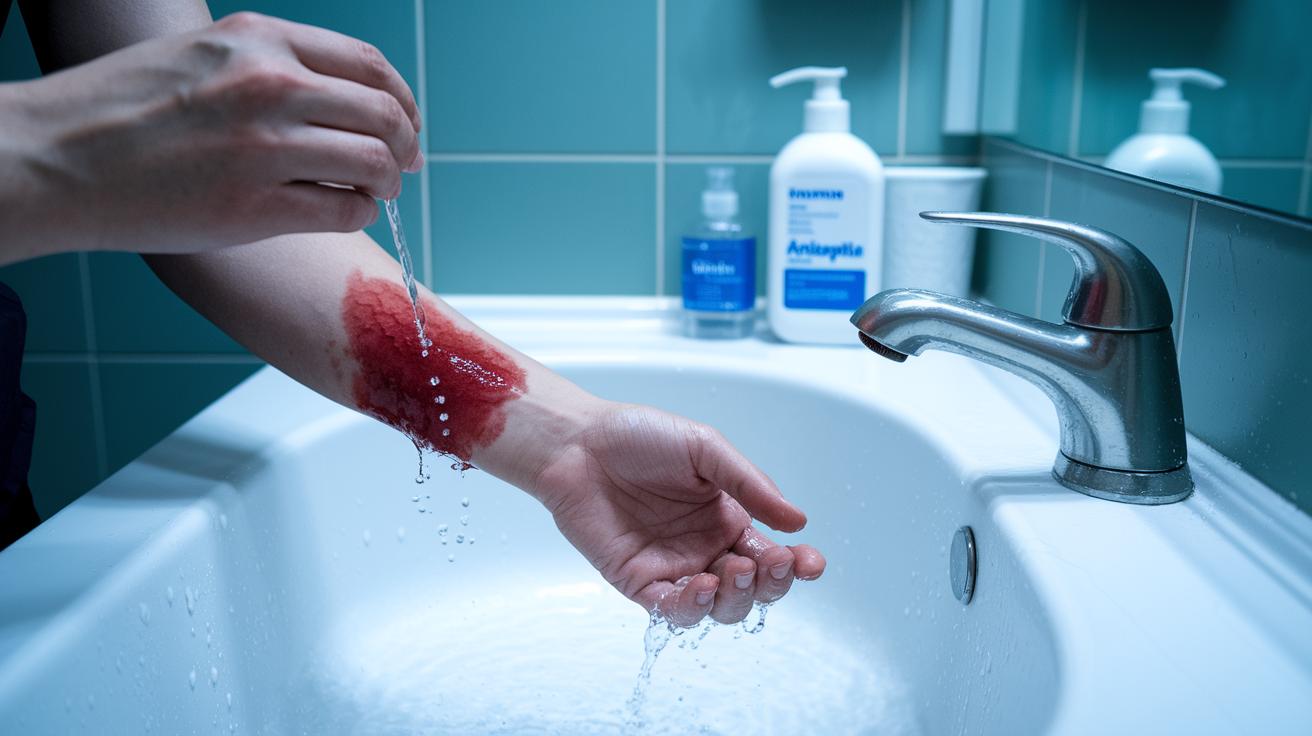
- Rinse your abrasion under lukewarm running water while gently washing with a mild, fragrance-free soap.
- Apply an antiseptic such as povidone-iodine, chlorhexidine, or use an alcohol-free antiseptic wipe.
- Pat the area dry using sterile gauze without rubbing.
Additional Detailed Guidance
When you get an abrasion, start by gently rinsing the area with lukewarm water. Use a gentle soap that clears away dirt and particles without drying or irritating your skin. Think of it like a soft stream carrying away small debris.
Next, treat your abrasion using an antiseptic. You can choose from povidone-iodine, chlorhexidine, or an alcohol-free wipe, especially if the wound seems more contaminated. Using soap first helps clean the wound, and switching to an antiseptic lowers your risk of infection while protecting the delicate skin.
Finally, pat the wound dry with sterile gauze. Gently pressing the area removes moisture without disturbing the antiseptic treatment. This simple step helps set the stage for applying a dressing and promotes a safe healing environment.
Choosing and Applying Dressings for Abrasions
Quick take: Use a clean dressing to lock in moisture and shield your wound, but call your doctor if you notice signs of infection.
If you see any of these signs, get care immediately:
• Increased redness or swelling
• Pus or unusual discharge
• Rising pain or heat around the abrasion
• Fever
Choosing the right dressing helps your abrasion heal faster. A proper cover keeps dirt and germs out while keeping the wound moist so your skin can repair itself. It also lessens irritation and pain when you change it. Using sterile items like nonstick gauze or adhesive bandages forms a safe barrier that lowers your risk of complications.
Remember to change your dressing as advised. Regular changes prevent moisture buildup and keep healing on track. Using a dressing that suits your abrasion can really speed up recovery and keep you more comfortable.
| Dressing Type | Features | Change Frequency |
|---|---|---|
| Nonstick Gauze | Breathable, prevents sticking | Every 24 hours |
| Adhesive Bandage | Sealed barrier, low profile | Every 48 hours |
| Hydrocolloid | Moisture-retaining, promotes cell growth | Up to 5 days |
| Transparent Film | Waterproof, allows monitoring | Every 3–5 days |
Recognizing Infection and Complications in Abrasions
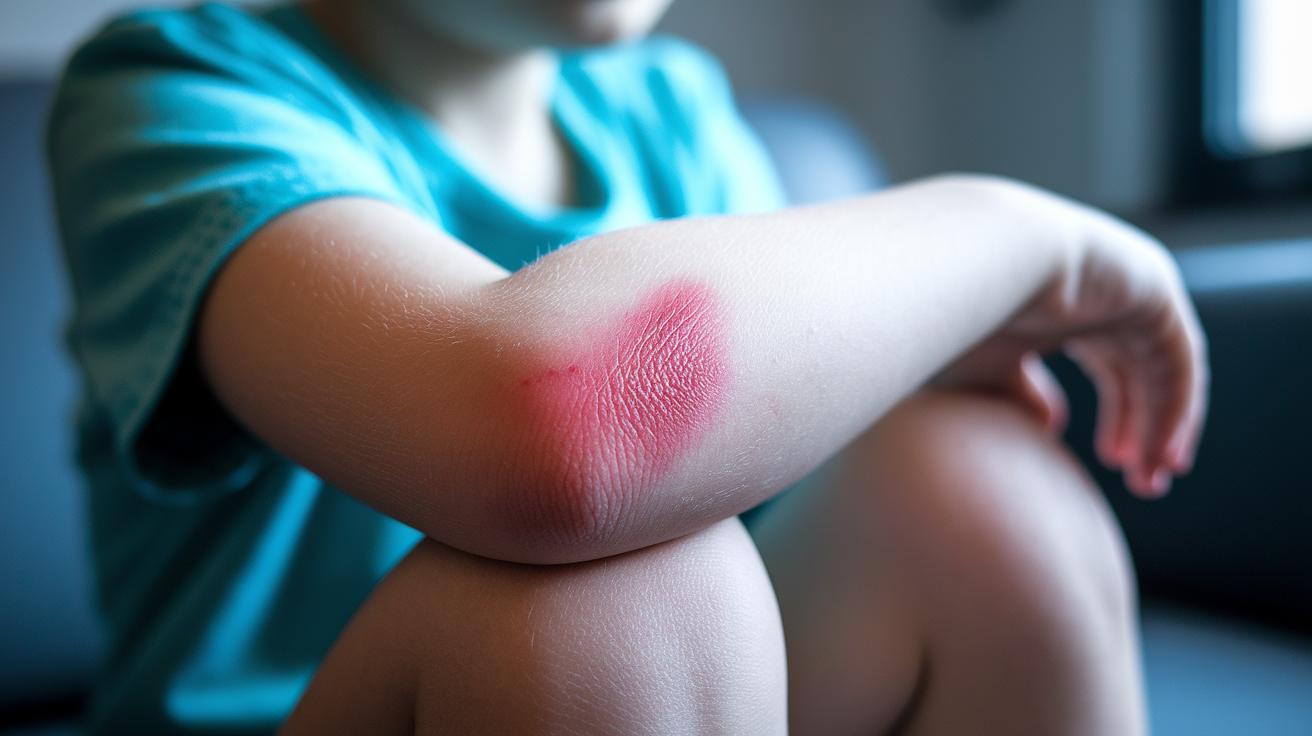
Quick take: A scrape may look normal at first, but watch for signs of infection and act fast.
If you have a scrape, everyday bacteria can get into your skin. It’s normal to see a little redness or feel a bit warm as your skin heals. But if the redness grows or the area feels much warmer or firmer than expected, that could be a red flag.
If you notice any of these warning signs, call your doctor:
- Red streaks coming from the wound
- Swelling that feels lumpy or hard
- Skin that feels much warmer than the rest of your body
- A fever or sharp pain that worsens
Usually, a scrape heals with only mild discomfort, light redness, and a little clear discharge that fades in a few days. Infections can cause clear red streaks, swelling with lumps, or peeling skin. These symptoms mean the wound might be hurting more than it should.
If these changes occur, you might be facing a complication like cellulitis (a skin infection) or tetanus (a serious bacterial infection). When you see these signs, speak with a health care provider to be sure you get the right care quickly.
Promoting Healing and Comfort After First Aid for Abrasions
Quick take: Keep your abrasion moist and handle it gently to speed healing.
If you have any signs of infection, such as increased redness, swelling, pus, or fever, seek medical help immediately.
After cleaning your abrasion, apply a small amount of petroleum jelly or antibiotic ointment. This helps keep the wound moist, which supports new skin cell growth and can ease discomfort. Use clean fingers or a sterile applicator to gently dab the cream onto the area. Think of it as adding a protective layer that helps your skin heal while keeping dryness and irritation at bay.
To further soothe the spot, lightly massage around the edges with your fingertips. This simple action boosts blood flow nearby, which can help reduce stiffness and promote circulation. You may also use an over-the-counter pain relief cream as directed to ease pain and control itchiness. Just be sure not to rub too hard.
By following these steps, you can encourage smoother healing and reduce the chance of further irritation.
When to Seek Medical Help for Serious Abrasions
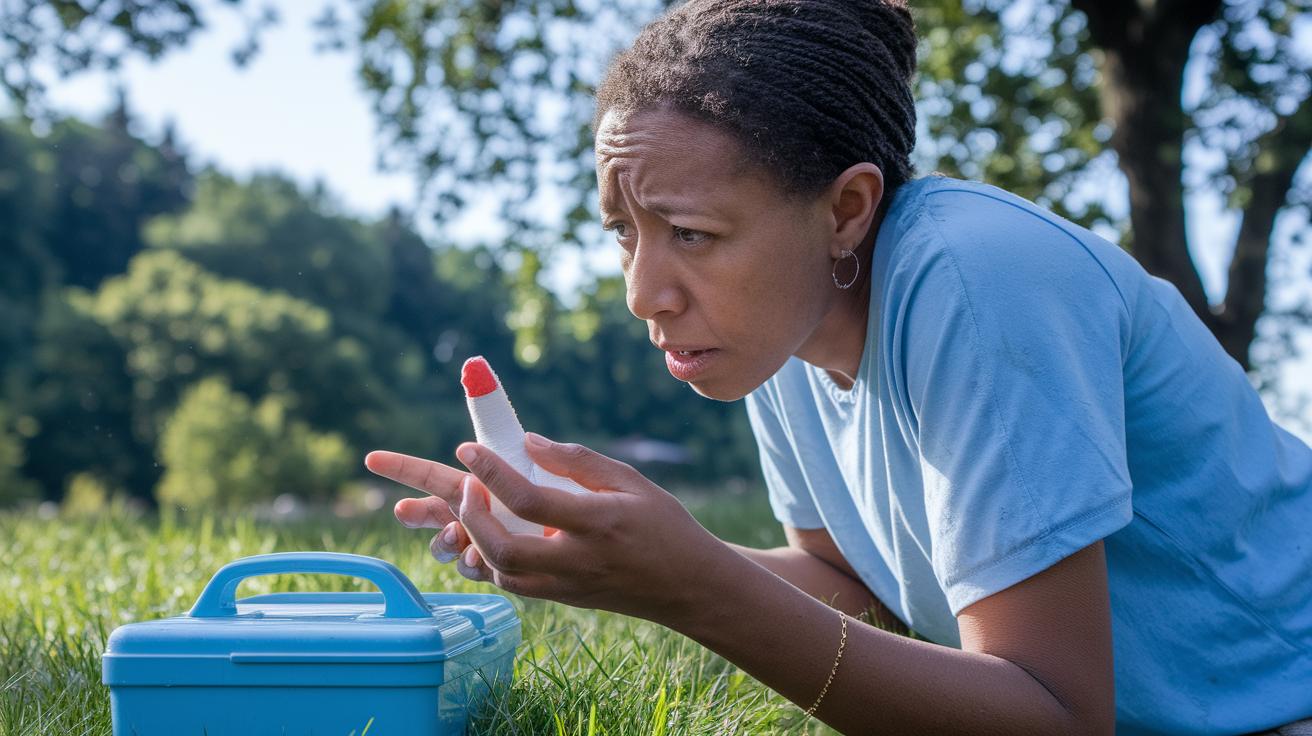
Quick take: Some abrasions need prompt care to avoid complications.
- If your wound is deeper than 1/4 inch or shows fat or muscle, this is a warning sign.
- If bleeding continues for more than 10 minutes despite steady pressure, get help immediately.
- If you can’t flush out dirt or debris from your wound, it needs professional care.
- If you see red streaks or feel severe pain, swelling, or fever, these could signal an infection.
If any of these signs appear, contact your healthcare provider right away.
Final Words
In the action of our first aid for abrasions guide, you learned quick steps to stop bleeding, clean wounds, and apply protective dressings. We covered safe cleaning methods, options for dressings, and warning signs of infection. You also gained practical tips to ease discomfort and promote healing. These clear steps can help you decide when minor scrapes can be managed at home and when you need extra care. Keep these tips in mind to support a safe and smooth recovery.
FAQ
What is the first aid treatment for an abrasion?
The first aid treatment for an abrasion involves gently stopping any bleeding, rinsing the wound with clean water, applying a sterile antiseptic, and covering it with a clean, breathable dressing.
What are the 3 R’s of wound healing?
The 3 R’s of wound healing refer to rinsing the wound, removing debris, and protecting the injured area with proper dressing to create an environment that supports tissue repair.
What helps an abrasion heal faster?
Keeping the abrasion clean and moist with products like petroleum jelly or antibiotic ointment and covering it with a sterile dressing helps the wound heal faster and reduces the risk of infection.
Should you put Neosporin on an abrasion?
Using Neosporin on an abrasion can help protect against infection, but it might cause irritation for some. It’s a good idea to follow your clinician’s guidance when treating wounds.