
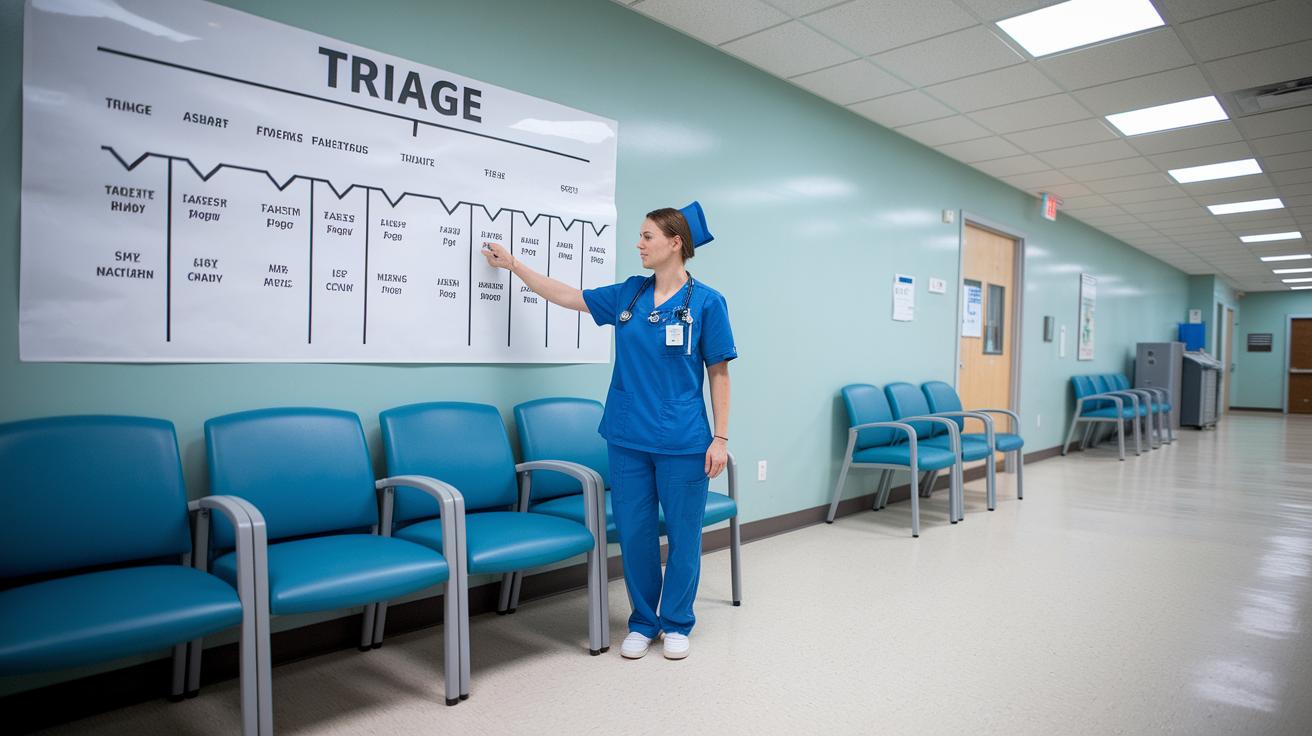

Quick take: Emergency rooms use clear, fast checks to decide who needs help immediately.
If you have any signs of a severe problem, call emergency services now:
• High fever (102°F or above)
• Fast heartbeat (120 beats per minute or more)
• Other signs that make you feel very unwell
In busy emergency rooms, a simple process helps sort patients quickly. They use the Emergency Severity Index, a tool that checks vital signs and does a quick health check. For example, recording a 102°F temperature or noting a 120 beat-per-minute pulse helps guide doctors to treat those in urgent need right away. This clear system makes sure that even when things are hectic, everyone gets the right care fast.
Emergency room triage flowchart explained: Streamlined Steps
When you walk into an emergency room, the team works fast to decide who needs help immediately. They use a method called the Emergency Severity Index. This system looks at your vital signs (like temperature and heart rate), a short history of your health, and a quick physical check. It helps staff sort patients by how serious their condition is.
In busy emergency rooms that see millions of visits each year, having a clear process is key. A flowchart guides the care team from your check-in to deciding on fast-track care, more tests, or urgent treatment. For example, a quick check might record a 102 F temperature or a pulse of 120 beats per minute to decide your next step.
- Patient Registration and Initial Screening: The team quickly reviews your health history and takes basic vital signs.
- Severity Categorization: They assess signs like pain, breathing ability, or blood pressure to determine urgency.
- Resource Allocation: Staff and equipment are assigned based on your needs.
- Patient Direction: You're guided to either fast-track care, routine treatment, or immediate interventions.
This organized flow ensures you get the right care at the right time and helps reduce waiting times in a busy emergency room.
Triage Levels and Criteria in ER Flowchart Explained
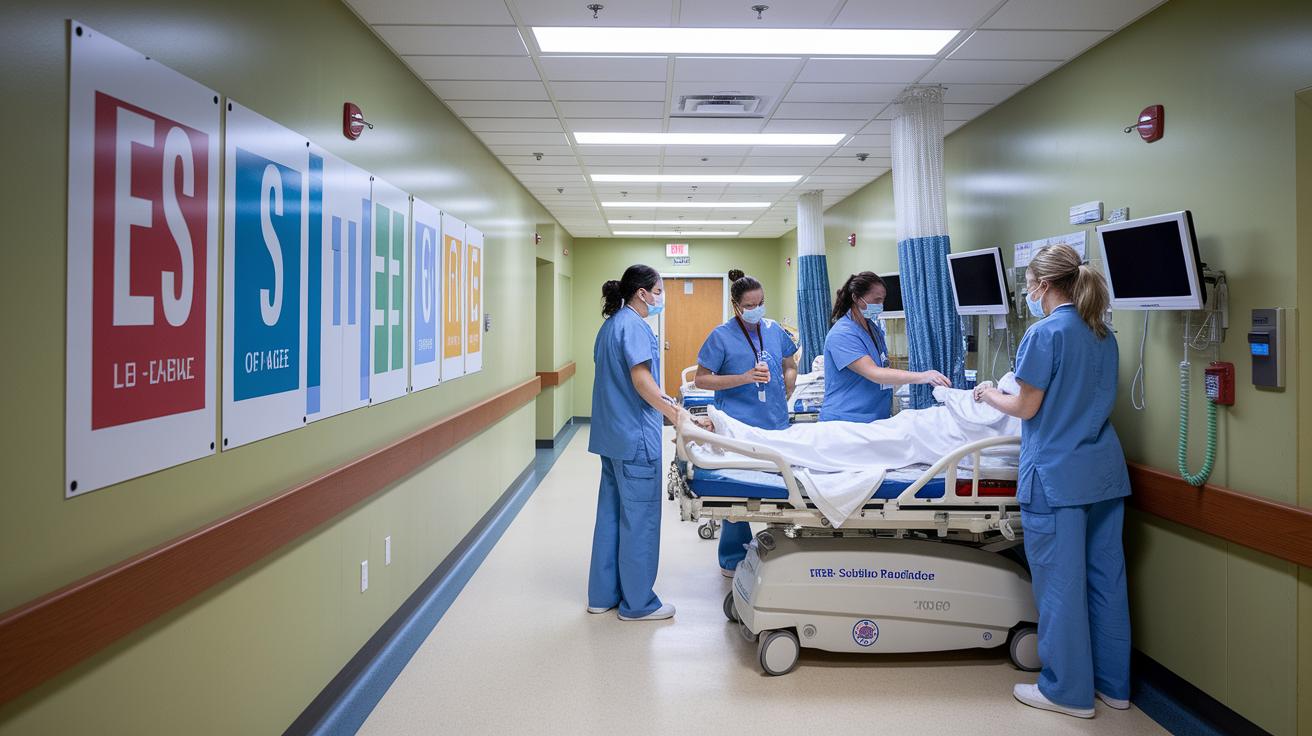
Emergency rooms sort patients using a clear, five-level system called the Emergency Severity Index (ESI). Level 1 means immediate, life-saving care. Level 5 means the case is non-urgent. This method matches what you see in the patient with the care they need now.
Each triage level is based on specific signs. For example:
- Level 1: Critical patients who are unresponsive or have very abnormal vital signs need immediate help.
- Level 2: Patients with high-risk symptoms or quickly changing conditions.
- Levels 3–5: Cases that need careful watching and scheduled evaluations.
This system also helps the ER manage its resources. The triage chart directs doctors to the right equipment and care teams. This way, those in danger get fast treatment, while less urgent cases are safely managed. Every minute counts in saving lives.
Step-by-Step Patient Pathway in the ER Triage Flowchart
This guide lays out clear steps to direct care smoothly. Each stage from assessment to reassessment explains what to do, when to act, and what signs to look for.
For instance, when checking breathing, the team looks for rapid or labored breaths to decide if immediate help is needed. A simple breathing check can spot major issues in under 5 minutes.
| Step | Action | Decision Criteria | Typical Timing |
|---|---|---|---|
| Initial Assessment | Check airway, breathing, and circulation; note vital signs and a brief history | Abnormal readings or signs of distress | 0-5 minutes |
| Severity Determination | Assign an emergency severity level | Symptoms, risk factors, and quick history review | Within 5 minutes |
| Resource Allocation | Send in critical staff and tools | Urgency noted in the initial check | Immediately after triage |
| Patient Direction | Guide patients to fast-track or standard care pathways | Need for fast action versus routine evaluation | Within 10 minutes |
| Reassessment | Monitor the patient and update the treatment plan | Changes in condition or response | Ongoing |
This step-by-step method cuts wait times and clears up confusion, making sure you get the right care at the right time.
Clinical Reasoning and Resource Allocation in ER Triage Flowchart

This flowchart mixes clear decision points with nurse judgment built over years of experience. It relies on measurable signs like vital readings and key history details without covering the basics you already know. For example, experienced nurses may notice that a small drop in blood pressure along with a patient's concerns can signal the need for urgent care.
The algorithm asks yes or no questions about symptoms and vital signs to decide the seriousness of the case. This clear path helps you know who needs immediate evaluation and who can wait for further tests. For example, if a patient’s pulse is over 120 beats per minute, they should be seen right away.
For patients with signs of life-threatening issues, the flowchart starts an emergency care plan. If severe breathing difficulty is present, the chart triggers an immediate care alert.
The chart also shows exactly where to send staff and equipment. This direct mapping helps reduce delays by telling everyone which team and tools are needed at each step. For example, if a patient is unstable, assign the critical response team immediately.
Challenges and Optimization of Emergency Room Triage Flowcharts
Quick take: ER triage can be tricky, but clear rules and regular drills help you stay on top of the rush.
Triage Box:
• High patient numbers can stretch your resources.
• Different symptoms make quick choices hard.
• Unpredictable ethical issues need smart thinking.
ER triage can be tough. Sometimes, many patients show up at once and push your resources to the limit. Patient symptoms often vary, which makes fast decisions hard. For instance, a person with vague, worsening signs may need a different route than someone with clear, life-threatening symptoms. This mix of factors can make following one set rule nearly impossible when things are busy.
To smooth out the process, use clear, standard rules and train your team often. Drills
Case Studies and Real-World Examples of ER Triage Flowchart Applications
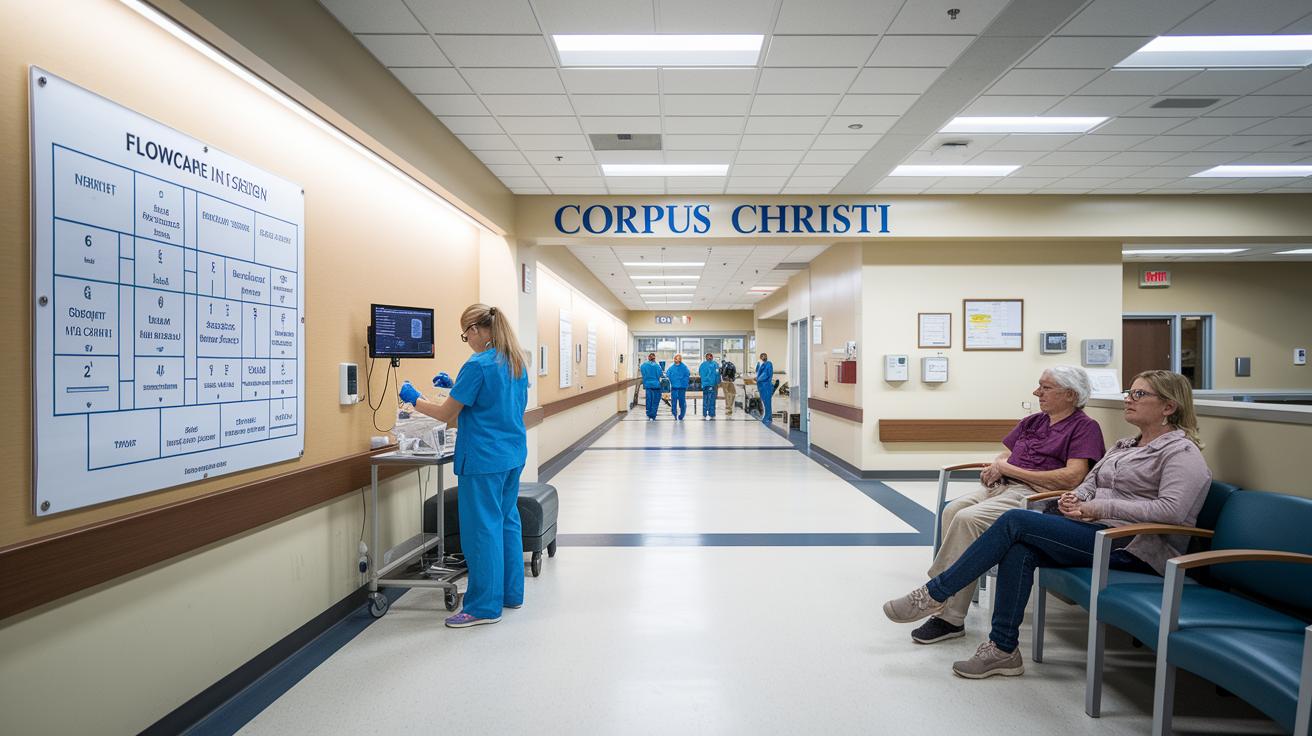
Quick take: Flowchart systems in the ER help sort patients fast so they get the care they need quickly.
At Reliant Emergency Room in Corpus Christi, TX, the team uses a clear flowchart at check-in to rank patients by how sick they are. They use vital signs, a short history, and a quick physical check to spot those who need immediate care. This method helps staff decide quickly and send patients with critical issues straight to life-saving treatment.
KATE Triage is another example that mixes a patient scoring system with risk checks. It combines computer analysis with a clinician’s judgment. Hospitals that use KATE Triage report fewer errors and smoother patient flow, which leads to better outcomes and greater patient satisfaction.
Both examples show that using flowcharts in triage cuts wait times and saves lives. With data-driven systems and simple steps, hospitals can adjust to different patient needs, ensuring faster and safer care for everyone.
Final Words
In the action, this article broke down how an emergency room triage flowchart works. We reviewed its structure and detailed each patient level, step-by-step pathway, clinical reasoning, and challenges. The guide explained how clear decision points help direct resources and improve care. Real-world examples showed its impact on reducing wait times and saving lives.
Use this article as a quick reference for understanding emergency room triage flowchart explained to guide your next steps confidently. Stay positive and proactive about your health.
FAQ
What does the triage system in an emergency department mean?
The triage system in an emergency department means sorting patients by the seriousness of their conditions. It uses clear guidelines to decide who needs immediate care and who can safely wait.
How do triage guidelines for emergency departments work?
The triage guidelines for emergency departments work by checking symptoms, vital signs, and medical history. They help staff rapidly choose the right treatment path for each patient.
What is meant by triage in a hospital setting?
Triage in a hospital setting means evaluating and sorting patients based on how severe their illness or injury is. This process ensures that those needing urgent care are treated first.
What are the color codes used in emergency triage?
The color codes in emergency triage usually include red for immediate care, yellow for urgent cases, green for less critical needs, and sometimes black for patients who have little chance of survival.
What are the levels of triage, and how are they defined?
The levels of triage are defined by urgency. Many systems use five levels, ranging from life-saving immediate care to non-urgent evaluation, to neatly organize patient prioritization in the ER.
How do you perform a triage assessment?
To perform a triage assessment, a clinician quickly gathers a brief medical history, measures vital signs, and checks for key symptoms to promptly decide the appropriate level of care.
What are the 5 levels of ER triage?
The 5 levels of ER triage range from level 1, requiring life-saving intervention, to level 5, for non-urgent care. This system guides how doctors and nurses manage patient flow efficiently.
What are the 5 S’s of triage?
The 5 S’s of triage refer to a set of evaluation points that help quickly assess a patient’s condition. They guide healthcare providers in making fast, effective decisions during emergencies.
What is the triage process in the ER?
The triage process in the ER involves using a systematic flowchart to assess symptoms and vital signs. This method directs patients to the proper treatment area, reducing wait times and improving care.
What does the term “triage” mean in the hospital?
The term triage in the hospital means the process of sorting patients by the urgency of their conditions. This process ensures that patients in critical need receive care as quickly as possible.